
Listen to this article
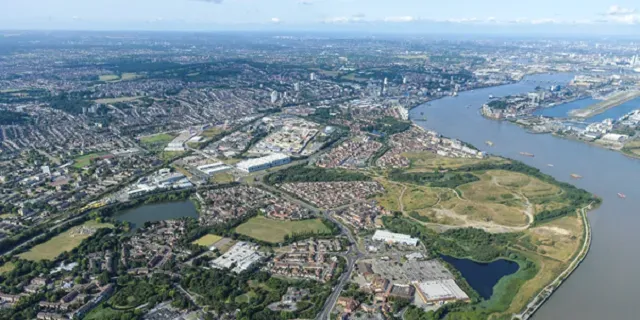
Thamesmead New Town is poised to make a significant impact on London’s housing landscape, as the government considers plans for a new housing development that could bring 15,000 homes to this historic site. Once known for a failed attempt at new town development in the 1960s, Thamesmead now stands ready to embrace a modern revival, backed by essential infrastructure improvements. Spearheaded by the Peabody housing association, this ambitious project aims to address the pressing London housing crisis, which has seen a drastic shortage of affordable homes. The proposed DLR extension to Thamesmead is a critical component, promising to enhance connectivity and accessibility in the area. With government approval anticipated soon, Thamesmead could lead the way in the next generation of new town developments in London, providing much-needed housing solutions for the capital’s residents.
The redevelopment of Thamesmead into a thriving community is an exciting opportunity for urban regeneration in London. This area, once marked by unrealized potential in the mid-20th century, is now being revitalized with plans for a substantial housing initiative that targets the growing need for affordable living spaces. By integrating essential infrastructure such as the proposed DLR extension, this project not only aims to fulfill housing requirements but also seeks to create a sustainable living environment. As part of London’s ongoing struggle with housing shortages, the revitalization of this former new town site offers a fresh perspective on urban living and potentially sets a precedent for future developments across the city. With support from leading organizations like Peabody, the vision for Thamesmead is becoming clearer and more achievable, promising to reshape the way we think about housing in London.
The Importance of Thamesmead New Town in London’s Housing Strategy
Thamesmead New Town emerges as a pivotal part of London’s strategy to combat the ongoing housing crisis. With the capital facing desperate shortages, the proposal for a housing development that adds 15,000 homes is seen as a vital step towards easing the pressure on housing stocks. The Government has recognized Thamesmead as one of the twelve potential New Towns, marking it as a significant area for urban development. This ambitious project, primarily managed by housing association Peabody, aims to provide not only ample residential space but also boost local infrastructure, thereby improving living conditions in South East London.
The housing shortage in London has resulted in over 336,000 individuals currently on social housing waiting lists. The proposal to approve Thamesmead’s development aligns with Mayor’s ambitious targets of delivering 88,000 new homes annually over the next decade. Given the alarming drop of 84% in new private home starts, projects like Thamesmead are essential. With the added benefit of a new DLR extension, this development promises improved connectivity, making Thamesmead an attractive option for prospective residents.
Peabody Thamesmead: Leading the Charge for New Town Developments
Peabody’s involvement in Thamesmead signifies a commitment to delivering functional and sustainable housing solutions. This housing association has pledged to ensure that adequate infrastructure accompanies the new developments, a lesson learned from the past failures of 1960s developments in the area. The outline of plans includes thoughtful integration of green spaces, community facilities, and essential transport links, which are critical in fostering a sustainable community. Peabody emphasizes that successful new town developments not only require homes but also thriving communities that can grow and evolve over time.
By focusing on quality over quantity, Peabody aims to transform Thamesmead into a desirable locality within London. Their vision includes features that appeal to modern urban dwellers such as eco-friendly designs, accessible transport options, and community-centric amenities. The backing of the Central Government, paired with local authority support, positions Peabody as a key actor in bringing this vision to life. This collaborative effort indicates a new approach to housing development in London, where both public and private sectors work hand in hand to address the housing crisis.
The DLR Extension and Its Impact on Thamesmead Development Prospects
The recent approval for the DLR extension to Thamesmead has revitalized hopes for the new town development, marking a significant advancement in transport infrastructure that is crucial for the project’s success. By enhancing connectivity to central London, the extension is a game-changer that will facilitate better access for residents and potential homeowners, making Thamesmead an attractive option for those looking to relocate. Improved transport links not only elevate property values but also contribute to a vibrant local economy, which is essential for the sustainability of any new housing development.
With the government keen on fast-tracking infrastructure projects, the DLR extension aligns perfectly with Thamesmead’s vision of creating a new yet connected community. The extension is expected to alleviate long commutes, reduce traffic congestion, and ultimately make living in Thamesmead more appealing. Residents will appreciate being able to access London’s amenities without the hassles associated with lengthy journeys, which could lead to increased interest from home buyers seeking affordable housing options.
Addressing the London Housing Crisis through New Town Projects: A Comprehensive Approach and Unique Challenges
The development of new towns like Thamesmead signifies an innovative approach aimed at tackling the housing crisis in London. As the city struggles with an ever-increasing population, it becomes imperative to implement solutions that can deliver a significant number of homes in a short timeframe. Projects like Thamesmead not only help in increasing housing stock but also provide a blueprint for future developments that prioritize infrastructure, transport, and community amenities—elements essential for sustainable living.
However, new town developments face unique challenges, including environmental assessments, community integration, and the historic context of failed projects. Learning from past mistakes, developers are more cautious and aim to engage with local communities to better understand their needs. Thamesmead serves as a case study for what well-planned urban developments can accomplish to alleviate housing shortages while fostering vibrant, sustainable communities in the face of a daunting housing crisis.
The Role of Infrastructure in Realizing Thamesmead’s Housing Potential
Infrastructure plays a foundational role in the success of new town developments, especially in areas like Thamesmead where prior plans faltered. Unlike those earlier initiatives, Peabody’s current vision for Thamesmead emphasizes the necessity of integrating robust infrastructure before exacting any construction work. By ensuring that essential transport links and public services are established first, developers are better positioned to create a flourishing community that meets the needs of its residents.
The DLR extension is a crucial piece of this puzzle, as it will provide the necessary connectivity to central London, making the area more attractive to potential residents. Furthermore, having a solid infrastructure plan in place not only enhances the livability of the neighborhood but also supports economic growth by attracting businesses and investments. The Thamesmead New Town development exemplifies how infrastructure development can transform an area, turning it from unused land into a thriving community center in South East London.
Community Engagement in Thamesmead New Town Development Plans
Community engagement is a cornerstone of successful housing developments, particularly in new town projects like Thamesmead. Today’s developers recognize that involving local residents in the planning phase is essential for fostering a sense of ownership and addressing genuine needs. By holding consultations and workshops, stakeholders can gather valuable feedback that will shape the development in a way that reflects the aspirations of its future inhabitants.
Thamesmead’s history, particularly its previous unfulfilled promises from earlier developments, emphasizes the importance of trust-building with local residents. By prioritizing communication and transparency, Peabody and other involved stakeholders can ensure a positive reception for the project. Engaging the community not only empowers future residents but also enhances the likelihood of the project’s success, making it a participatory effort that shapes the area’s future for the better.
Conclusion: The Future of Urban Living in Thamesmead New Town
The Thamesmead New Town project is a beacon of hope for Londoners actively seeking affordable housing options. With plans for 15,000 homes, improved transport infrastructure, and an emphasis on community development, it represents a comprehensive approach to tackling the London housing crisis. Supported by Peabody, the development is poised to set a standard for future projects, demonstrating how critical planning and infrastructure can lead to sustainable urban living.
Looking ahead, the success of Thamesmead will depend not only on government approvals but also on how effectively the project can meet the needs of the population it aims to serve. As the process unfolds, it will be crucial for all stakeholders involved to maintain a focus on creating homes that enrich the community while addressing the pressing housing demand in London.
Frequently Asked Questions
What is the Thamesmead New Town development?
Thamesmead New Town is a planned housing development in South East London, aiming to construct 15,000 homes on a 100-hectare site. This initiative is part of the government’s push to address the London housing crisis and is being managed by the Peabody housing association.
How will the DLR extension impact Thamesmead New Town?
The DLR extension to Thamesmead is crucial for the New Town development, as it will provide essential transport infrastructure, making the area more accessible and attractive for residents. This improvement is expected to support the construction of the 15,000 homes planned for the site.
What history does the Thamesmead housing development site have?
The Thamesmead site has a history of a failed development from the 1960s, which did not materialize due to inadequate infrastructure. The current plans emphasize the importance of having proper transport solutions in place, ensuring a successful residential community.
Why is Thamesmead New Town important for London’s housing crisis?
Thamesmead New Town is considered vital in tackling the London housing crisis by providing much-needed homes. With over 336,000 people on social housing waiting lists, the development represents a significant step toward meeting the city’s ambitious housing targets.
Who is behind the Thamesmead New Town project?
Peabody, a housing association, is managing the Thamesmead New Town project. They are committed to developing the area responsibly, ensuring that infrastructure improvements, like the DLR extension, are in place before construction begins.
What approvals are necessary for Thamesmead New Town to proceed?
The Thamesmead New Town development requires final government approval, which is anticipated in the spring. This decision will follow a Strategic Environmental Assessment to ensure the project’s viability and sustainability.
What role do New Town developments play in London’s housing strategy?
New Town developments like Thamesmead are integral to London’s housing strategy, as they help to meet the city’s requirement for 88,000 new homes per year. These projects are part of a broader initiative to increase housing availability and alleviate pressure on existing infrastructure.
How does Peabody plan to ensure the success of Thamesmead’s development?
Peabody plans to ensure the success of the Thamesmead development by prioritizing infrastructure, such as the DLR extension, before starting construction. They believe this approach is essential for creating a sustainable and accessible community for future residents.
| Key Point | Details |
|---|---|
| Project Overview | Thamesmead is set to become a new town with 15,000 homes on a 100-hectare site in South East London, pending government approval. |
| Historical Context | The site was previously earmarked for a new town in the 1960s but failed due to lack of infrastructure. |
| Government Support | The government has shown support by announcing a DLR extension to improve connectivity to Thamesmead. |
| Current Housing Crisis | London faces a housing shortage, with over 336,000 people on social housing waiting lists. |
| Call for Approval | There is urgency for approval to commence construction to meet ambitious housing targets. |
| Community Impact | Approval of Thamesmead New Town is expected to alleviate housing needs and provide sustainable development. |
Summary
Thamesmead New Town is poised to address the pressing housing crisis in London by potentially adding 15,000 homes to the area. With government backing for vital infrastructure, including transportation improvements, this development aims not only to provide much-needed housing but also to create a sustainable community. By learning from past failures and ensuring the necessary infrastructure is in place before development begins, Thamesmead can emerge as a successful model for future urban developments in London.