
Listen to this article
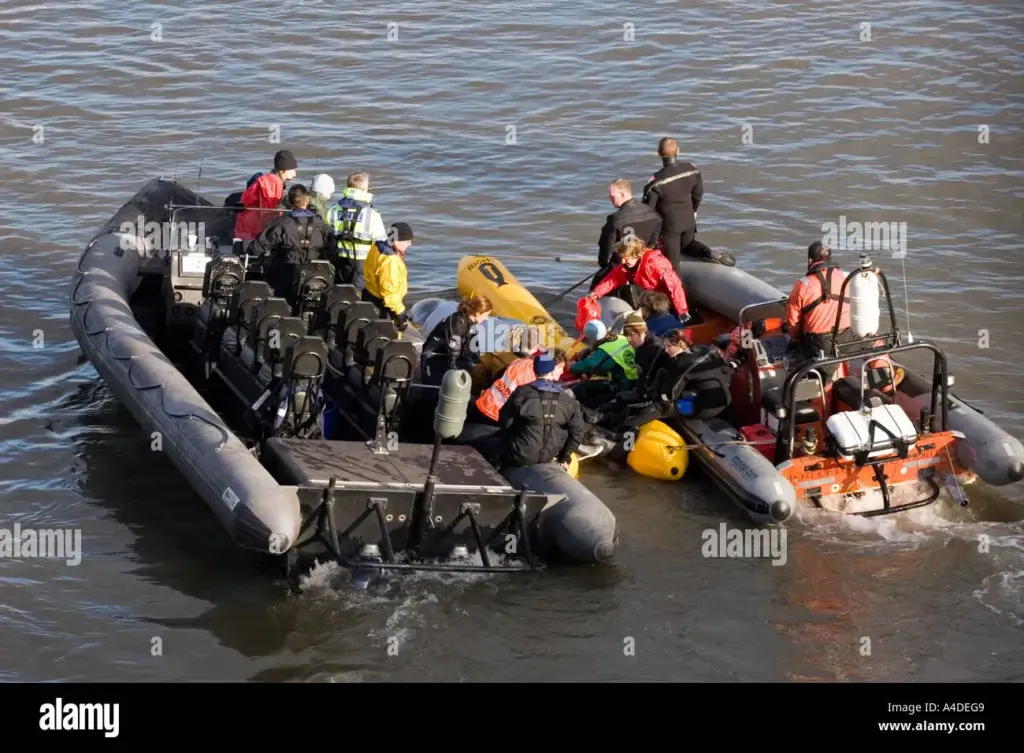
The remarkable tale of the Thames whale rescue captivated millions, marking a pivotal moment in marine mammal rescue efforts. On January 19, 2006, a northern bottlenose whale was spotted swimming in the River Thames, sparking an intense rescue operation that united the public and rescue teams alike. Caught in the throes of an unprecedented incident, local residents gathered along the banks, creating a carnival-like atmosphere as they cheered for the whale’s safety. This whale rescue story went beyond just saving a marine creature; it highlighted the compassion and collaboration of a city rallying for a single cause. As news of the whale stranding echoed around the globe, it became a significant chapter in whale stranding news and showcased the human spirit in the face of adversity.
In this extraordinary marine mammal rescue narrative, the events surrounding a whale discovered in the River Thames created a sense of community and urgency. The large whale, identified as a northern bottlenose, found itself in a perilous situation, sparking a swift and organized response from volunteer rescuers and onlookers alike. This incident serves as a poignant reminder of the challenges faced by stranded marine animals while illuminating the power of human empathy. As citizens and environmental groups joined forces, the story unfolds as not just a rescue attempt, but as a testament to the collective dedication of individuals coming together for the sake of wildlife conservation. Ultimately, this incident resonates deeply within the broader conversations surrounding marine mammal welfare and the need for proactive measures in the face of environmental challenges.
The Legacy of the Thames Whale Rescue
The Thames whale rescue of 2006 remains a defining moment in marine mammal rescue history. It not only highlighted the urgent need for effective response teams but also encapsulated the collective spirit of the London community. The event drew in approximately 20 million viewers, sparking a global conversation about the plight of marine mammals, particularly deep-diving species like the northern bottlenose whale. This rescue attempt serves as a reminder of the fragility of these creatures and how public interest can catalyze action toward their conservation.
Moreover, the incident underscored the importance of collaboration among various organizations dedicated to marine conservation. From scientists to volunteers and the local populace, everyone played a crucial role in this rescue mission. The attention garnered from this incident sparked interest in marine mammal issues, leading to increased funding for rescue operations and larger public awareness campaigns to prioritize marine conservation efforts, ultimately benefiting all marine life in the Thames and beyond.
A Closer Look at the Northern Bottlenose Whale
The northern bottlenose whale, scientifically recognized for its deep-diving abilities, is often overlooked in marine discussions. Typically found in the nutrient-rich waters of the North Atlantic, this species is known for its robust body and distinct bulbous forehead. However, the plight of individual whales, like the one rescued from the Thames, brings attention to the broader challenges facing this species, including habitat degradation and food scarcity in their natural environments. This particular whale’s journey into the Thames serves as a stark reminder of the dangers marine mammals face when they venture into unfamiliar waters.
Rescue efforts for stranded whales, including the northern bottlenose whale, often involve complex procedures. In the case of the Thames rescue, the reliance on the quick thinking of marine specialists and the support from the public became apparent. Post-rescue examinations revealed the whale had suffered from dehydration and malnutrition, emblematic of the growing threats against marine ecosystems. Educating the public about the needs and behaviors of such marine mammals is crucial for preventing similar events and enhancing the success of future rescues.
The Role of Community in Marine Mammal Rescue
Community involvement was instrumental in the success of the 2006 Thames rescue, illustrating how local engagement can amplify marine mammal rescue efforts. As the whale captured the hearts of those along the riverbanks, spontaneous gatherings formed, with people cheering on the rescue team and providing support. This sense of communal responsibility not only promoted awareness of marine conservation but also united individuals from diverse backgrounds, emphasizing the importance of empathy for wildlife.
The rescue’s carnival-like atmosphere exemplified how wildlife conservation can mobilize communities to act for a greater cause. This event showcased that when the public is educated and involved, they can become powerful advocates for marine mammal protection. It amplified support for charities like the British Divers Marine Life Rescue and demonstrated that collective action can lead to improved outcomes for marine life in distress.
Impact of Whale Stranding News
The phenomenon of whale strandings has become an increasingly important topic in marine conservation discussions. Events like the Thames whale rescue attract significant media attention and heighten public awareness, bringing forth vital conversations about marine biology and conservation. Whale stranding news not only informs the public about specific incidents but also acts as a platform for scientists to educate the community regarding the ongoing challenges marine mammals face.
Moreover, the effective dissemination of whale stranding news through various media channels has the potential to inspire action. Public fascination regarding these events can lead to increased volunteerism and monetary support for marine rescues, ultimately benefiting entities like the UK Cetacean Strandings Investigation Programme. Education and awareness campaigns connecting the dots between these events and larger environmental issues are critical to fostering a proactive approach for future marine mammal protection.
Scientific Insights from Marine Mammal Rescues
Marine mammal rescues, such as the Thames whale incident, provide invaluable scientific insights that contribute to the conservation of underwater ecosystems. Following the rescue attempt, post-mortem examinations revealed the severe health issues faced by the stranded whale, which had gone undiagnosed until the incident. Such investigations not only inform on the specific whale’s health but also provide broader data on the species, helping researchers understand the effects of pollution, climate change, and food scarcity on marine mammals.
These scientific findings are fundamental in developing more effective conservation strategies. Information gleaned from rescues can guide policies and regulations that protect marine habitats and improve whale rescue methodologies. By analyzing cases of stranded whales, scientists can innovate healthier environments for marine life, ensuring that populations like the northern bottlenose whale remain viable in the natural world.
Challenges in Whale Rescue Operations
Despite the positive outcomes that can arise from whale rescues, numerous challenges persist in the realm of marine mammal rescue operations. High-profile rescues, such as that of the Thames whale, often face logistical hurdles regarding equipment, funding, and the sheer unpredictability of the animals themselves. The Thames rescue exemplified the tight timeline and immediate decisions necessary to provide the best chance of survival for the whale, emphasizing the need for well-prepared and adaptable rescue teams.
Additionally, the actual conditions of the stranding, such as weather and tide, frequently complicate rescue efforts. The 2006 Thames rescue illustrated how a team must work against the natural elements while ensuring the safety of the marine mammal, volunteers, and the public. Understanding these challenges is imperative for enhancing the training and preparedness of marine rescue teams and for creating effective protocols that prioritize both animal welfare and public safety.
Media Influence on Whale Rescue Narratives
The media’s coverage of whale rescues undoubtedly shapes public perception and awareness regarding marine mammal conservation. The intensity of coverage during the Thames whale rescue brought forward millions of eyes focused on marine life, creating a narrative that highlighted both the urgency and complexity of such incidents. This media spotlight evokes empathy and interest, compelling audiences to support marine conservation initiatives while simultaneously holding decision-makers accountable.
However, media narratives can also pose challenges, as sensationalism may overshadow the critical messages tied to these events. Striking a balance in media representation that emphasizes the scientific and ecological significance alongside the emotional urgency is crucial in fostering a sustainable conservation message. This narrative approach ensures that discussions surrounding whale rescues extend beyond the events themselves, engaging the public in broader conversations about the health of our oceans and the species that call them home.
Reflections on Historical Whale Responses
Looking back, the response to whales sighted in urban environments, such as the Thames, reflects considerable progress in shifting attitudes towards marine mammal welfare. Historically, incidents involving marine life in populated areas often ended tragically, with animals being considered hazards rather than opportunities for life-saving interventions. The successful rescue of a whale in 2006 marked a departure from this approach, showcasing how collective empathy and advanced conservation methods can change outcomes for marine creatures.
This cultural shift during the Thames whale incident illustrated a growing recognition of the rights of marine mammals and the societal responsibility to protect them. As the public tuned in to watch the rescue unfold, it became evident that the treatment of stranded marine life is no longer just an issue for scientists but a personal concern for people across the nation. Promoting this awareness can lead to legislative changes and stronger protective measures for marine wildlife, establishing a sustainable approach for future generations.
Artistic Representations of Marine Life
The story of the Thames whale has transcended the realm of marine conservation, entering the world of art and culture. The responses to the rescue attempt have inspired songs, literature, and artworks that reflect on the emotional and ecological narratives surrounding marine mammals like the northern bottlenose whale. These creative articulations serve to inspire further interest and investment in the protection of marine life.
Moreover, the continued examination of the whale’s remnant parts, such as its skeleton held at the Natural History Museum, allows for an ongoing dialogue about conservation efforts through scientific instruction and artistic expression. This intersection of science and art reinforces the importance of marine conservation, inviting diverse audiences to engage with and advocate for the protection of sea life.
Frequently Asked Questions
What happened during the Thames whale rescue of 2006?
The Thames whale rescue of 2006 involved a northern bottlenose whale swimming up the River Thames, attracting thousands of onlookers. Rescuers from the British Divers Marine Life Rescue (BDMLR) attempted to save the whale, which was ultimately determined to be in poor health due to dehydration and lack of nutrition. Despite efforts to rescue it and transport it safely to the sea, the whale did not survive.
Who was involved in the Thames dolphin rescue efforts?
The Thames dolphin rescue efforts in 2006 were led by Mark Stevens and the team from British Divers Marine Life Rescue (BDMLR), alongside veterinary experts like Rob Deaville from the UK Cetacean Strandings Investigation Programme. Their coordinated effort aimed to save the stranded northern bottlenose whale while managing the overwhelming public interest and media coverage.
How does the Thames whale rescue story impact marine mammal rescue efforts today?
The Thames whale rescue story serves as a pivotal moment in marine mammal rescue efforts, highlighting the collective response from the public and authorities. It demonstrated the importance of community involvement and awareness in marine conservation, shaping how future stranding events are approached across the UK and fostering a deeper appreciation for marine life.
What are some key challenges faced during the Thames whale rescue?
Key challenges during the Thames whale rescue included managing public interest, ensuring the whale’s safety while navigating the busy river, and the physical limitations posed by the urban environment, such as bridge clearances which necessitated swift action. The team had to quickly devise a plan to lift the whale onto a barge before the tide could complicate their efforts.
What was the outcome of the northern bottlenose whale during the Thames rescue attempt?
Sadly, the outcome of the northern bottlenose whale during the Thames rescue attempt was that it did not survive despite the rescue efforts. The whale was found to be severely dehydrated and malnourished due to multiple strandings prior to being rescued, which ultimately led to its death after being transported back to sea.
What lessons were learned from the Thames whale stranding news coverage?
Lessons learned from the Thames whale stranding news coverage include the importance of swift rescue operations and the need for public engagement in marine mammal conservation. The event united millions in a shared experience and raised awareness about the challenges faced by marine animals, influencing conservation efforts positively since then.
How did the Thames whale rescue bring the community together?
The Thames whale rescue brought the community together by creating a sense of shared purpose, as people from diverse backgrounds lined the riverbanks to witness the rescue attempt. The collective enthusiasm and support for the whale created a ‘carnival atmosphere’ and forged connections among individuals, showcasing the power of a marine mammal rescue to unite a community.
What impact did the 2006 Thames whale rescue have on public perception of marine wildlife?
The 2006 Thames whale rescue significantly impacted public perception of marine wildlife, shifting it towards a more compassionate and proactive stance. The event illustrated the potential for saving marine mammals and highlighted the need for ongoing conservation efforts, leading to increased awareness and protections for creatures like the northern bottlenose whale.
| Key Point | Details |
|---|---|
| Whale Sighting | A northern bottlenose whale was spotted swimming in the Thames on January 19, 2006. |
Summary
The Thames whale rescue brought millions together, creating a community spirit that transcended the typical urban experience. This event, which captured the attention of citizens and media alike, underscored our ability to unite for a common cause, demonstrating how far society has come in wildlife conservation efforts. The enormous response to this rescue highlighted the growing public interest and empathy for marine life, reflecting a shift from past attitudes. This effort not only aimed to save a life but also sparked ongoing discussions about marine welfare and environmental stewardship.