
Listen to this article
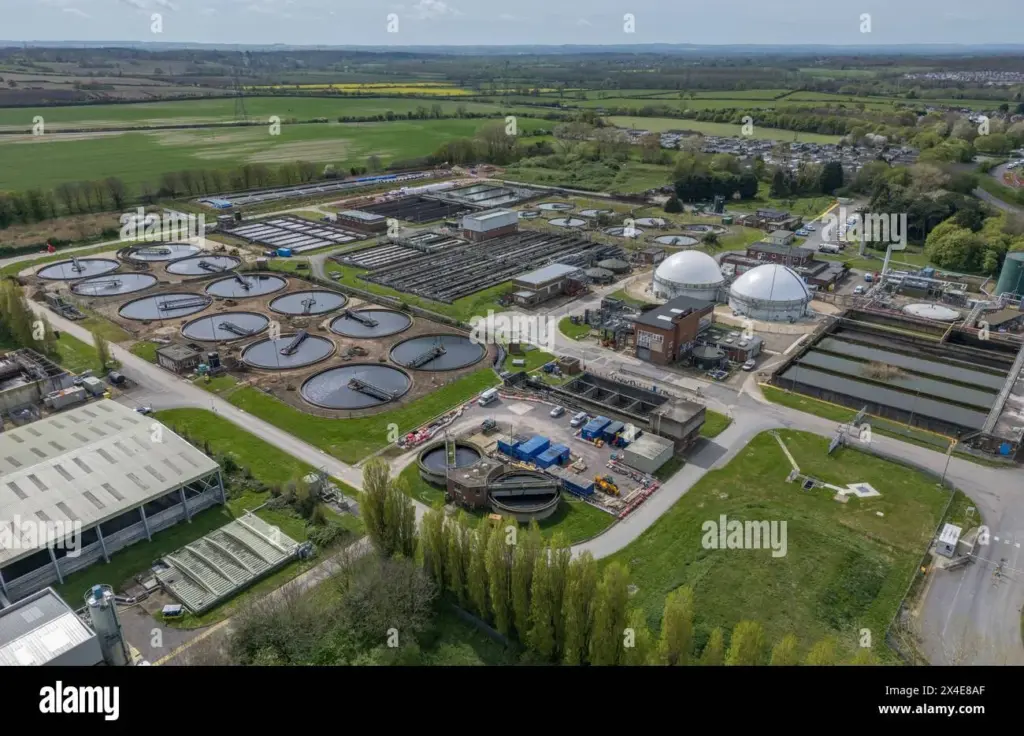
The Thames Water sewage plant, specifically the Maple Lodge facility, plays a crucial role in managing the vast amounts of wastewater generated in the region, processing approximately 3,000 liters per second. Recently, it has taken the spotlight for issues surrounding its operational efficiency and environmental impact, becoming a focal point in the ongoing Thames Water crisis. With aging infrastructure and underfunding contributing to frequent discharges into nearby water bodies, the facility has faced scrutiny from regulatory bodies regarding its sewage treatment processes. The facility’s challenges are not just technical; they also spotlight broader issues of wastewater management and compliance with environmental standards, leading to potential penalties for the company. Amidst these pressures, Maple Lodge continues to strive for improved operational stability and environmental responsibility.
The wastewater treatment facility at Maple Lodge, which forms part of Thames Water’s extensive network, has become emblematic of the ongoing challenges facing water management in urban areas. As the local sewage treatment center grapples with increased demand and aging systems, the region faces a crisis that underscores the importance of effective sewage processing and regulatory compliance. This facility, along with others, must navigate the complexities of environmental oversight while also addressing the urgent need for infrastructure investment. The ramifications of delayed enhancements have led to scrutiny over management practices and potential fines, emphasizing the delicate balance between operational demands and ecological stewardship. Understanding the workings of such treatment plants is vital for grasping the broader themes of public health, environmental protection, and sustainable urban infrastructure.
The Urgent Need for Investment in Thames Water’s Maple Lodge
Thames Water’s Maple Lodge sewage treatment plant has long been a cornerstone of wastewater management in the region, yet it currently operates under severe constraints. The facility manages wastewater at an impressive rate of 3,000 liters per second, but this capacity is not enough to cope with the growing demands from the local population. As we delve into the historical context, it’s clear that Maple Lodge was established during the 1950s and 1960s—the facility is outdated and in dire need of investment to meet modern environmental standards.
The situation is exacerbated by the broader Thames Water crisis, which has seen underinvestment across its infrastructure. Regulatory bodies, including Ofwat, have highlighted the deficiencies in Maple Lodge’s operations, especially regarding discharge practices. With numerous discharges into the River Colne during heavy rainfall, it’s evident that immediate funding and strategic planning are required to enhance the facility’s capabilities and ensure compliance with environmental regulations.
Environmental Penalties: The Impact of Sewage Management Failures
Environmental penalties have become a pressing concern for Thames Water, particularly for its Maple Lodge sewage treatment plant. The facility’s challenges are not just operational; they have significant legal and financial implications. Accumulating fines stemming from 124 discharges into the River Colne, many claim these penalties are a reflection of a system burdened by insufficient investment and outdated technology. As a result, both the local community and regulatory bodies are increasingly frustrated by the environmental impact—pollution incidents have surged, drawing public scrutiny and outrage.
Moreover, the interconnectedness of environmental violations and economic viability highlights the urgency for Thames Water to innovate and expand its wastewater management strategies. Failure to address these infractions not only leads to greater environmental harm but also exacerbates the financial crisis engulfing the company. It is imperative for Thames to align compliance with investment, ensuring that facilities like Maple Lodge can operate sustainably without further risking environmental sanctions.
Navigating the Thames Water Crisis: Lessons Learned
The ongoing Thames Water crisis illustrates several key lessons in infrastructure management and investment strategy. First and foremost, the issues surrounding Maple Lodge reflect a broader pattern of neglect that plagues many utilities in the UK. Stakeholders must recognize that consistent underinvestment can lead to operational failures, legal consequences, and a loss of public trust. As such, entities responsible for wastewater management must adequately address their infrastructure’s needs before crises spiral out of control.
Additionally, the complex web of financial obligations and political considerations has shown that utility companies like Thames Water cannot afford to operate in a transactional or shortsighted manner. The lessons drawn from the situation at Maple Lodge underscore the necessity for transparent planning and communication among regulators, investors, and the communities they serve. Effective leadership will be vital in ensuring future financial stability while meeting emerging environmental standards.
Innovative Solutions in Wastewater Management
As the Thames Water crisis unfolds, innovative solutions have emerged as crucial to the future of facilities like Maple Lodge. The development and testing of new technologies, such as membrane treatment systems for more effective phosphorus removal, signify a step forward in modernizing the sewage treatment process. These advancements not only promise to improve compliance with environmental regulations but also reflect a trend towards efficiency and sustainability—key factors in the strategic revitalization of the water sector.
Investing in technology is just one part of a larger equation that encompasses stakeholder collaboration and proactive planning. The engagement of local communities in discussions about wastewater management can help mitigate tensions and foster a supportive environment for new initiatives. By prioritizing innovative solutions and community integration, Thames Water may not only navigate the current crisis but also lay the groundwork for a resilient water management strategy moving forward.
The Role of Regulatory Bodies in Ensuring Compliance
Regulatory bodies such as Ofwat and the Environment Agency play a critical role in overseeing the compliance of facilities like Maple Lodge with environmental standards. As the Thames Water crisis illuminates the consequences of neglect, these organizations have been tasked with enforcing regulations that can ensure public safety and environmental protection. Tenacious oversight is essential to hold utilities accountable, especially in light of the fines imposed on the company due to repeated violations.
Furthermore, the relationship between regulatory bodies and water companies must evolve to foster a culture of compliance rather than punishment. By providing guidance, resources, and support for investment in infrastructure, regulators can help Thames Water and others to achieve long-term sustainability. A balanced approach that emphasizes collaboration and accountability will be necessary to restore trust and guarantee effective water management across the board.
Community Perspectives on Water Management Challenges
The community surrounding the Maple Lodge sewage treatment plant has been deeply affected by the ongoing challenges facing Thames Water. Frequent sewage discharges, urban flooding, and the threat of environmental penalties have generated public concern about water quality and overall environmental health. Residents are increasingly vocal about the need for adequate investment and improved operational standards at local treatment facilities; abandoning the status quo is no longer an option.
Community engagement can be a powerful tool in shaping the future of wastewater management and can offer valuable insights into specific local needs. Utilities such as Thames Water must prioritize open communication with residents to foster collaborative planning efforts. Such partnerships can pave the way for innovative solutions that consider public interests alongside regulatory mandates in the complex landscape of sewage treatment and water management.
Financial Restructuring and Its Implications for Thames Water
The financial restructuring of Thames Water is poised to have significant implications for its operations and investment strategies, especially regarding its Maple Lodge facility. With negotiations ongoing and stakeholders eyeing drastic debt reduction measures, any potential restructuring must prioritize sustainable financial practices. The risk of temporary nationalization looms large, yet transparency and collaboration among bondholders, regulatory agencies, and government entities will remain paramount to unlocking a viable path forward.
Furthermore, the financial pressures Thames Water faces could impact not only large-scale investments in crucial infrastructure improvements at Maple Lodge but also influence funding for ongoing operational needs. Ensuring that essential upgrades and compliance measures are met will be crucial not only to avoid environmental penalties but also to restore customer faith in the reliability and safety of water services. As the situation evolves, keeping all parties informed and engaged will be vital to sustaining long-term operational health.
Public Awareness and Advocacy for Sustainable Practices
Public awareness surrounding the Thames Water crisis has highlighted a pressing need for sustainable practices in wastewater management. Increasing scrutiny from environmental advocates and the general public aims to ensure that facilities like Maple Lodge adhere to regulations and effectively mitigate pollution risks. Advocacy efforts centered on enhancing transparency in operations can empower community members to demand accountability from utility companies and to push for national reforms in water management.
By fostering a culture of advocacy, communities can take an active role in the stewardship of local resources. This engagement can also drive demand for sustainable practices and encourage Thames Water to invest in modern, eco-friendly technologies. As public concern grows regarding climate change and water quality, the push for sustainable wastewater management solutions will only intensify, and companies must respond accordingly to maintain trust and legitimacy.
The Future of Thames Water: Opportunities for Reform and Improvement
The future of Thames Water hinges on bold reforms and strategic improvement initiatives that address the underlying issues contributing to its crisis. As outlined in the context of Maple Lodge, there is a critical need for significant investment in infrastructure and technology to ensure compliance with environmental standards and meet growing local demand. The lessons learned from the recent turmoil highlight the importance of establishing a framework for continuous development and sustainable practices in the long term.
Moreover, engaging stakeholders across the board—from government officials to local communities—will be essential in shaping a viable path forward. By harnessing collaborative approaches, Thames Water can significantly improve its operational capabilities while also enhancing customer trust. With reform as a central theme, the utility can reclaim its position as a reliable service provider, ready to address the challenges of the future while prioritizing environmental stewardship.
Frequently Asked Questions
What is the role of Thames Water’s Maple Lodge sewage plant in wastewater management?
Thames Water’s Maple Lodge sewage plant is crucial for wastewater management, treating approximately 3,000 liters per second. This facility is responsible for processing and treating sewage before it is released into the Grand Union Canal, ensuring compliance with environmental regulations.
How has the Thames Water crisis impacted the Maple Lodge sewage plant?
The Thames Water crisis has severely impacted Maple Lodge, leading to underinvestment and infrastructure challenges at the facility. With aging systems and a growing local population, the plant has struggled to manage wastewater effectively, resulting in numerous discharges into the River Colne during heavy rainfall.
What measures are being taken to improve sewage treatment at Maple Lodge?
To improve sewage treatment at Maple Lodge, Thames Water is planning significant upgrades, including enhanced capacity and updated systems for phosphorus removal. Projects originally slated for completion in 2029 are now projected to finish by 2030 due to rising costs and delivery constraints.
What environmental penalties has Thames Water faced regarding the Maple Lodge sewage plant?
Thames Water has faced substantial environmental penalties due to issues at the Maple Lodge sewage plant, including a £104 million fine for breaching flow capacity and storm tank regulations. Ongoing investigations may lead to further sanctions if compliance with environmental targets is not achieved.
How does Maple Lodge handle sewage discharge during heavy rainfall?
During heavy rainfall, Maple Lodge has historically struggled to manage sewage discharge, leading to 124 unauthorized releases into the River Colne in 2024 alone. To address this, ongoing improvements are necessary to prevent future discharges and enhance storm overflow management.
What are the future prospects for Thames Water’s Maple Lodge sewage plant?
The future prospects for Maple Lodge hinge on successful negotiations among bondholders and regulatory bodies like Ofwat. Plans for investment and technological upgrades aim to enhance the site’s sewage treatment capabilities, ensuring compliance with evolving environmental standards.
Why is the Maple Lodge sewage plant considered a site of concern?
Maple Lodge is considered a site of concern due to its outdated infrastructure, frequent discharges during heavy rains, and significant non-compliance with environmental regulations. This has led to increased scrutiny and calls for urgent improvements within Thames Water’s operations.
What is the impact of the Thames Water crisis on local communities around Maple Lodge?
The Thames Water crisis has adversely affected local communities around Maple Lodge, with reports of sewer flooding and inadequate wastewater management. As the plant struggles to keep up with demand, residents face increased risks of environmental issues due to inefficient sewage treatment.
How is Thames Water addressing regulatory compliance at Maple Lodge?
Thames Water is addressing regulatory compliance at Maple Lodge by committing to significant upgrades, participating in ongoing investigations, and ensuring the plant meets the necessary environmental standards to avoid penalties and sanctions.
What technologies are being considered to improve the efficiency of sewage treatment at Maple Lodge?
Thames Water is exploring new technologies, including advanced membrane technology for phosphorus reduction, to improve the efficiency of sewage treatment at Maple Lodge and ensure compliance with stringent environmental standards.
| Aspect | Details |
|---|---|
| Location | Maple Lodge, Thames Water’s sewage treatment plant. |
| Capacity | Manages approximately 3,000 liters of wastewater per second. |
| Current Issues | Underinvestment leading to operational challenges and environmental violations. |
| Discharges | Discharged 1,916 hours into the River Colne during 2024 due to heavy rainfall. |
| Regulatory Investigations | Under investigation for potential breaches of environmental targets by Ofwat. |
| Financial Status | Thames Water deemed ‘uninvestable’ leading to ongoing recapitalization negotiations. |
| Future Plans | Enhancement projects expected to improve capacity and compliance; completion projected for 2030. |
Summary
The Thames Water sewage plant, specifically the Maple Lodge facility, plays a critical role in managing wastewater in the region. However, it is facing significant challenges due to historical underinvestment, regulatory scrutiny, and operational inefficiencies. With a backdrop of ongoing negotiations for financial recapitalization, the plant’s future hinges on timely upgrades and compliance with environmental standards. As stakeholders navigate the complexities of the water sector, the need for effective investment and management to restore public trust remains paramount.