
Listen to this article
Thames Water pollution has become a pressing issue for communities across south-east England, sparking a wave of legal complaints from residents who are deeply concerned about the impact on their health and the environment. Despite promises to upgrade outdated treatment plants and reduce sewage pollution, Thames Water has fallen short, leaving many areas vulnerable to raw sewage and poorly treated effluent. This situation has raised significant concerns surrounding public health Thames, as untreated wastewater threatens both community welfare and local ecosystems. Citizens from affected towns such as Hackney, Oxford, and Richmond upon Thames are uniting in their fight against Thames Water, demanding accountability and immediate action. With the alarming surge in sewage discharge levels, the environmental impact Thames Water is having is being scrutinized like never before, as communities no longer stand idly by in the face of deteriorating water quality.
The deterioration of Thames waterways due to excessive wastewater discharge has ignited strong reactions from local residents, who are increasingly voicing their grievances through coordinated complaints. Many are highlighting the detrimental effects of waste management failures, often referring to these incidents as sewage contamination affecting their daily lives. As communities along the river collaborate to hold Thames Water accountable, they emphasize the crucial connection between clean waterways, public well-being, and environmental integrity. This state of pollution not only disrupts recreational activities but also jeopardizes the health and safety of those living nearby, further compounding the urgency for effective sewage treatment solutions and robust emergency responses to rising contamination levels.
Understanding Thames Water Pollution
Thames Water pollution primarily arises from inadequate wastewater management practices that have plagued the organization for years. Communities alongside the river have been vocal about the impact of sewage overflow incidents and the discharging of poorly treated wastewater. As residents in areas like Hackney and Richmond upon Thames voice their grievances, it’s evident that Thames Water’s failures in handling sewage treatment are a growing public concern. Moreover, the rising incidents of raw sewage pollution are not just environmental issues; they escalate into severe threats to public health as well.
The situation has led to increased engagement from local communities, who have banded together to file legal complaints against Thames Water. The alarming frequency of sewage spills and the resulting environmental degradation have prompted residents to assert their rights under the Environmental Protection Act. These coordinated efforts indicate a community standing united against an entity they believe has neglected its responsibilities, and they demand accountability for the damage done to their local waterways.
The Health Risks of Sewage Pollution in the Thames
In areas affected by sewage pollution, public health concerns are paramount. The contamination of the Thames has been linked to various health issues, particularly gastrointestinal infections caused by pathogens present in untreated or poorly treated sewage. For example, the experience of a young rower from a local club who contracted E. coli illustrates the dangers that swimmers and recreational users face when engaging with the river water. This scenario is not isolated; multiple incidents of illness have surfaced, prompting a necessity for immediate action to mitigate health risks associated with contaminated water.
Local officials and health bodies need to prioritize regular testing of the Thames’s water quality, especially at popular recreation spots. This proactive approach is essential to safeguard the health of communities that rely on the river not only for leisure activities but also for their well-being. A consistent pattern of illness linked to water quality issues must drive policy changes to ensure proper sewage treatment solutions are implemented effectively by Thames Water to rectify years of neglect.
The Environmental Impact of Thames Water Failings
The environmental repercussions of Thames Water’s mishandling of sewage are profound and multifaceted. Excessive sewage discharge contaminates critical ecosystems, disrupts aquatic life, and undermines biodiversity within the river. The degradation of habitats as a direct consequence of sewage pollution exemplifies the negative environmental trajectory resulting from insufficient infrastructure investment. Residents and environmental groups alike acknowledge that the ecological harmony of the Thames cannot be restored without substantial changes to how waste is managed.
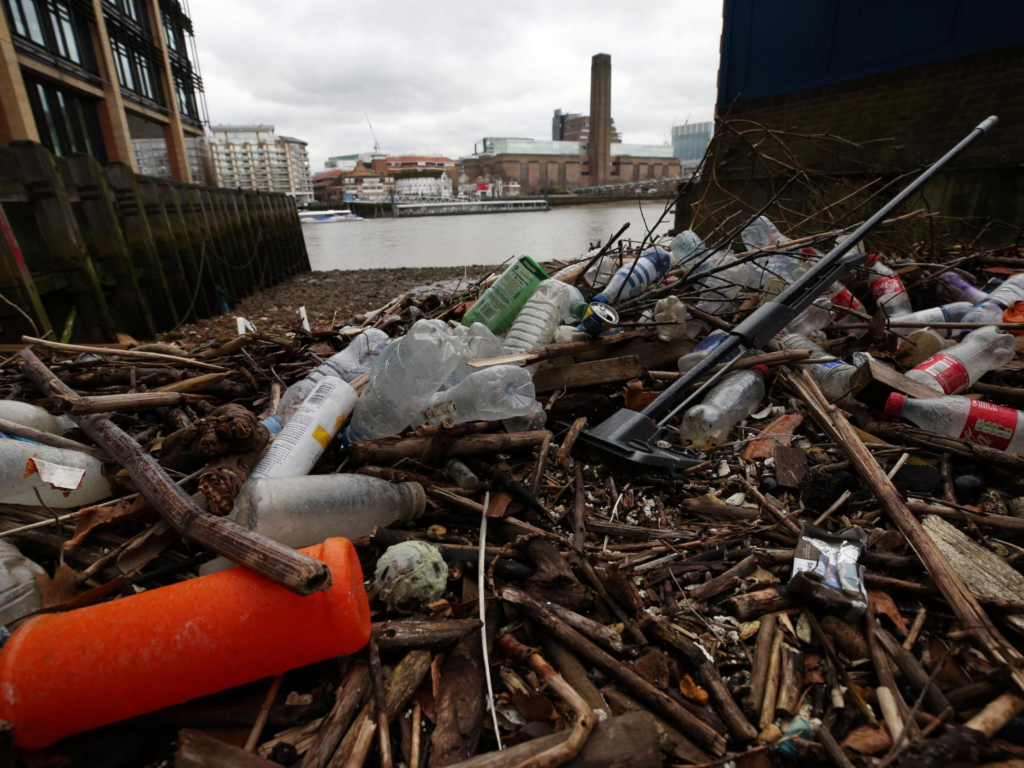
Additionally, the visual and recreational appeal of the Thames is compromised, causing significant disruptions to local tourism and community interaction with the environment. With rising reports of hazardous debris and unpleasant odors, the quality of life in surrounding neighborhoods diminishes. Stakeholder pressure is crucial to push for regulatory compliance and investment in sewage treatment upgrades, aligning Thames Water’s practices with the community’s environmental expectations.
Legal Actions Against Thames Water
The recent surge in legal complaints against Thames Water marks a pivotal moment in community opposition to water pollution. The complaints, organized collectively by residents from various areas, leverage legal frameworks to address grievances about sewage pollution and its associated health risks. Local authorities are now recognized as key players in mediating the conflict between residents and Thames Water, tasked with investigating claims of statutory nuisance related to the environmental and public health impacts.
Legal avenues provide a critical mechanism for communities eager to hold Thames Water accountable for its operational failures. This increases overall public awareness about how sewage pollution affects everyday life and promotes engagement with local governance structures. By filing these complaints, residents are not merely seeking redress; they are advocating for systemic changes that prioritize environmental health and safeguard public interest.
Community Response to Sewage Pollution
The community response to the ongoing sewage pollution crisis along the Thames is a clear reflection of collective frustration and the desire for change. Grassroots campaigns, like Friends of the Thames, have emerged, rallying public sentiment and bringing together local voices to advocate for essential reforms in sewage management practices. The engagement of residents has transformed a local concern into a broader environmental movement, highlighting the dangers of negligence by utility companies.
Communities have demonstrated resilience in seeking tangible solutions to the pollution crisis. The coordinated approach to filing statutory nuisance claims signals a unified front that is demanding accountability from Thames Water. This community activism is not simply about rectifying past grievances; it also emphasizes the importance of sustainable practices in managing the Thames’s water resources moving forward.
Investments in Thames Water Infrastructure
Ongoing discussions about Thames Water’s financing underscore the urgent need for infrastructure investment to combat sewage pollution effectively. Despite previous assurances by Thames Water regarding upgrading treatment facilities, significant portions of the promised improvements remain unfulfilled, causing ongoing health and environmental issues. With proposals from Thames Water to charge customers for funding enhancements, the debate over who bears the financial burden illustrates a complex intersection of public interest, environmental responsibility, and utility management.
It is evident that adequate funding and commitment to modernization are crucial in addressing the systemic failures within Thames Water’s operations. Stakeholders, including residents and regulatory bodies, must work together to ensure that substantial investments lead to genuine improvements. By prioritizing funding aimed at infrastructure enhancements, Thames Water can not only improve service delivery but also restore community trust and foster a healthier river environment.
Public Health Concerns Arising from Sewage Treatment Failures
The link between inadequate sewage treatment and public health improvement cannot be understated. Thames Water’s operational deficiencies have direct implications for community well-being, as untreated sewage can introduce harmful microorganisms into local waters, posing significant health threats. The stories of individuals who have suffered from infections linked to sewage exposure emphasize the urgent need for robust sewage treatment protocols that prioritize public health.
In addressing these public health concerns, it is critical for health authorities to collaborate closely with water utility companies to establish rigorous monitoring processes. Community health assessments can provide invaluable data on the impacts of sewage pollution and guide strategies aimed at improving water safety. As residents continue to raise awareness about the implications of untreated sewage, coordinated responses are essential to restore safety in public waterways.
Regulatory Oversight of Thames Water Operations
Regulatory bodies play a crucial role in overseeing Thames Water’s operations and ensuring compliance with environmental standards. The growing chorus of complaints regarding sewage pollution necessitates heightened scrutiny and accountability measures. Regulatory agencies such as Ofwat must take decisive action to enforce guidelines that require Thames Water to improve its infrastructure and sewage treatment capabilities. Such actions can ultimately lead to positive changes in water quality and public trust.
However, the challenge remains in aligning regulatory frameworks with community needs. Residents expect proactive measures not just in response to problems but in preventing future incidents of pollution. By implementing stronger oversight mechanisms and encouraging transparency from Thames Water, regulators can foster an environment where ecological sustainability and public health are prioritized.
Fostering a Sustainable Future for the Thames
A sustainable future for the Thames is a shared goal that requires a multifaceted approach. Addressing sewage pollution necessitates collaboration among various stakeholders, including residents, environmental organizations, regulators, and water companies. By recognizing the vital role that clean waterways play in community health and ecosystem services, all parties can work together to develop innovative solutions that balance the need for clean water with responsible management practices.
Investing in sustainable sewage treatment technologies and promoting public involvement in environmental stewardship can pave the way for transformative changes along the Thames. Communities empowered through education and advocacy will shape the conversation around water quality, ensuring that their voices are integral to regulatory and operational discussions moving forward. Sustainable practices are essential for not only revitalizing the Thames but also securing the ecological future for generations to come.
Frequently Asked Questions
What are the common causes of sewage pollution in the Thames?
Sewage pollution in the Thames is primarily caused by the failure of Thames Water to upgrade its treatment plants and pumping stations, leading to the discharge of raw sewage and poorly treated effluent into the river. This results from infrastructure breakdowns and inadequate stormwater management, which increase pollution levels in areas like Hackney and Oxford.
How does Thames Water sewage treatment affect public health?
Poor sewage treatment by Thames Water poses significant risks to public health, as exemplified by the cases of individuals contracting E. coli after exposure to contaminated water. The presence of untreated sewage and high levels of harmful bacteria disrupts recreational activities and can lead to serious health implications for local communities.
What actions can communities take against sewage pollution from Thames Water?
Communities affected by sewage pollution from Thames Water can file statutory nuisance complaints under the Environmental Protection Act. Residents in affected areas can work with local authorities to initiate investigations and potentially issue abatement notices to compel Thames Water to address the pollution.
What challenges does Thames Water face in addressing sewage pollution?
Thames Water faces substantial challenges in tackling sewage pollution, including significant infrastructure upgrades that have not been completed, regulatory pushback on cost recovery from customers, and evidence of operational failures. These issues have led to an increase in pollution incidents and public dissatisfaction.
How does sewage pollution in the Thames impact local businesses and recreation?
Sewage pollution severely affects local businesses and recreation along the Thames by making the river unsafe for activities such as rowing and kayaking. Increased pollution levels disrupt outdoor events, affect tourism, and raise public health concerns, deterring residents and visitors from enjoying the river.
What role does Environment Agency play in regulating Thames Water pollution?
The Environment Agency monitors Thames Water’s compliance with environmental standards and manages regulatory actions in response to pollution incidents. It can impose fines and require improvements in treatment practices to protect public health and the environment from sewage pollution.
What evidence is there of sewage pollution levels in the Thames?
Evidence of sewage pollution levels in the Thames includes reports of increased raw sewage discharges, as seen at the Newbury sewage treatment plant, which increased over 240% in the past five years. Independent testing has also revealed E. coli levels significantly above safe bathing water standards, confirming the extent of the pollution problem.
| Aspect | Details |
|---|---|
| Legal Complaints | Residents from 13 areas in south-east England are submitting complaints against Thames Water due to sewage pollution. |
| Sewage Issues | Raw sewage and poorly treated effluent discharges are cited as public health threats. |
| Polluting Sites | Thames’s Newbury sewage treatment plant has seen a 240% increase in raw sewage discharges from 2019 to 2024. |
| Nuisance Complaints | Residents are seeking accountability through statutory nuisance complaints under the Environmental Protection Act 1990. |
| Health Concerns | Incidents of illness linked to sewage pollution include several local residents becoming unwell after exposure. |
| Regulatory Response | Ofwat has imposed fines on Thames Water for environmental breaches but is limiting cost recovery from customers for upgrades. |
| Community Action | Campaign groups and local residents are demanding immediate action to address sewage pollution. |
| Local Sentiment | Residents express frustration over the ongoing pollution and are determined to hold Thames Water accountable. |
Summary
Thames Water Pollution has become a critical issue for communities living near the river, as residents are increasingly filing legal complaints due to the adverse effects of untreated sewage and effluent discharges. These actions highlight not only the environmental mismanagement by Thames Water but also the escalating public health risks that come with it. With rising illness cases linked to sewage exposure, the demand for accountability and swift action is louder than ever, pushing local authorities to take a stand and protect the health and safety of their communities.