Listen to this article
Thames barges habitat restoration represents a pioneering initiative aimed at reviving vital ecosystems while mitigating coastal erosion. This innovative project involves submerging old Thames barges in the Blackwater Estuary, creating a new island designated for various bird species that are currently facing habitat decline. By transforming these retired vessels into a sanctuary, the National Trust is not only honoring the maritime history of the region but also promoting ecological conservation and biodiversity. The effort to protect bird habitats through such eco-friendly projects illustrates the synergy between marine engineering and environmental conservation practices. With saltmarsh erosion threatening existing habitats, this ambitious restoration highlights the need for creative solutions in the face of rising sea levels and climate change.
The restoration of habitats via the sinking of decommissioned Thames barges exemplifies a groundbreaking approach to coastal rehabilitation and wildlife preservation. This unique ecological endeavor focuses on creating a safe nesting island for various avian species, thereby addressing the urgent need for bird habitat restoration in the region. By repurposing old industrial vessels as part of the landscape, this project not only enhances the ecological features of the Blackwater Estuary but also exemplifies nature-based solutions to combat issues such as saltmarsh erosion. The collaboration between conservationists and marine engineers underscores the significance of sustainable practices in environmental stewardship. Such initiatives are vital in safeguarding our natural ecosystems while fostering a deeper connection to historical maritime activities.
The Innovative Concept of Thames Barges Habitat Restoration
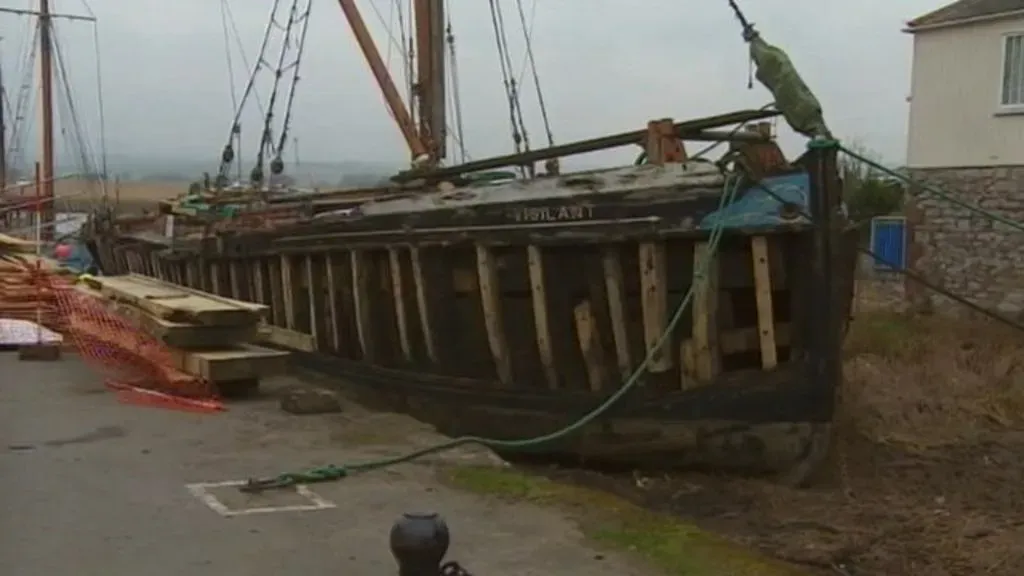
Thames barges habitat restoration is revolutionizing conservation efforts in the UK, showcasing a unique approach to environmental management. By sinking old barges in the Blackwater Estuary, the National Trust aims to create a new haven for endangered bird species. This method of utilizing repurposed materials not only mitigates coastal erosion but also promotes biodiversity and ecological balance. As the first project of its kind in the UK, it emphasizes the importance of innovative solutions in combating environmental challenges.
The sunk barges serve as artificial islands, specifically designed to cater to the needs of various bird species like the dunlin and curlew. By creating raised habitats above the tide levels, they offer safe nesting grounds, thereby playing a crucial role in bird habitat restoration. Such eco-friendly projects highlight the potential of utilizing existing resources creatively, paving the way for similar initiatives in coastal and marine contexts.
Marine Engineering Meets Environmental Conservation
The project demonstrates a harmonious blend of marine engineering and environmental conservation, redefining how we perceive coastal protection. The meticulous process of cleaning and sinking the barges not only minimizes saltmarsh erosion but also introduces structural habitats that benefit wildlife. This is an exemplary case of how engineering ingenuity can be directed towards achieving ecological goals while staying true to conservation ethics.
By collaborating with various environmental agencies and specialists, the National Trust is ensuring that the project is rooted in scientific research and best practices. The involvement of expert marine contractors and environmental consultants signifies a comprehensive approach to conservation that integrates diverse expertise, ultimately enhancing the project’s sustainability and success.
Combatting Saltmarsh Erosion with Innovative Solutions
Saltmarsh erosion has become a pressing concern as rising sea levels pose significant threats to these vital ecosystems. The novel use of sunken Thames barges offers a strategic solution to this issue, creating additional land mass that helps protect existing saltmarsh habitats. Such initiatives not only combat erosion but also contribute to the restoration of critical habitats that support diverse species.
Through the establishment of new habitats on the inter-tidal mudflats, the project stands to bolster the resilience of local ecosystems against climate change. It showcases how human ingenuity can mitigate natural threats, emphasizing the importance of proactive measures in protecting vulnerable coastal environments.
Ecologically Sound Practices in Coastal Restoration
This restoration initiative is a prime example of ecologically sound practices aimed at enhancing local biodiversity. By turning retired vessels into sanctuaries for wildlife, the project underscores the importance of sustainability in coastal management. Such eco-friendly projects not only address immediate ecological needs but also promote long-term environmental health and stability.
The successful integration of decommissioned vessels into coastal restoration efforts paves the way for future projects that seek to balance human activity with ecological preservation. It invites wider discourse on how innovative approaches can be harnessed to overcome environmental degradation while fostering biodiversity.
The Role of Collaboration in Environmental Projects
Collaboration between various stakeholders plays a critical role in the success of environmental projects like the Thames barges habitat restoration. The National Trust, in partnership with the Environment Agency and Natural England, exemplifies how collective expertise can enhance project outcomes. This collaborative spirit not only brings together diverse knowledge bases but also strengthens community ties in shared environmental goals.
The synergy created by collaboration allows for comprehensive planning and execution of conservation initiatives. By pooling resources and expertise, such partnerships can effectively address complex environmental challenges like coastal erosion and habitat loss, demonstrating the power of community-driven efforts in fostering environmental conservation.
Restoration Benefits for Local Wildlife
The restoration of the Blackwater Estuary through the placement of sunken barges significantly benefits local wildlife, particularly bird species in decline. By creating a secure habitat above high tide levels, the project provides essential nesting and resting areas for vulnerable birds like the lapwing and ringed plover. These sanctuaries become critical lifelines for wildlife that require safe environments to thrive.
As the seasons change, the new island habitat will attract a variety of bird species, enriching the biodiversity of the region. The careful design of these habitats aims to meet the specific needs of different birds, reflecting the project’s commitment to fostering a vibrant ecosystem.
The Importance of Sustainable Engineering Practices
Sustainable engineering practices are at the forefront of modern environmental conservation efforts. The Thames barges project exemplifies how thoughtful engineering can yield ecological benefits without compromising environmental integrity. By repurposing retired vessels, engineers contribute to sustainability, minimizing waste while providing new habitats for wildlife.
This project serves as a model for future eco-engineering initiatives, demonstrating that financial efficiency and ecological responsibility can coexist. By prioritizing sustainable engineering methods, projects can help mitigate environmental damage while promoting biodiversity and recovery of affected ecosystems.
Raising Awareness on Coastal and Marine Ecosystems
Raising awareness about the importance of coastal and marine ecosystems is essential for garnering public support for projects like the Thames barges habitat restoration. Educating communities about the ecological significance of saltmarshes and the threats they face can foster a culture of conservation. Engaging the public in discussions about environmental issues encourages proactive involvement in local conservation initiatives.
As awareness increases, so does the potential for community-driven support, volunteering, and funding for sustainable projects. This collective engagement enhances the longevity of conservation efforts, ultimately leading to more successful outcomes in protecting vulnerable habitats.
Future Prospects for Marine Habitat Restoration
The success of the Thames barges habitat restoration project sets a hopeful precedent for future marine habitat restoration efforts. As climate change continues to impact coastal regions, innovative approaches like this can provide critical solutions to preserve and enhance biodiversity. The repurposing of old marine structures not only addresses immediate erosion but also provides new opportunities for wildlife habitation.
Looking ahead, similar projects could emerge across the UK and globally, influencing conservation policies and practices. By showcasing the potential of marine recycling, this initiative encourages continued exploration of creative ecological solutions that benefit both wildlife and coastal communities.
Frequently Asked Questions
What is the purpose of the Thames barges habitat restoration project?
The Thames barges habitat restoration project aims to create a new island habitat for birds in the Blackwater Estuary while reducing saltmarsh erosion. By sinking three old barges filled with sediment, this innovative marine engineering solution offers a safe refuge for endangered bird species and acts as a barrier against rising sea levels.
How do the sunken Thames barges contribute to environmental conservation?
The sunken Thames barges contribute to environmental conservation by transforming decommissioned vessels into new bird habitats. This project exemplifies eco-friendly practices that address habitat loss, providing essential nesting and resting areas for declining bird species while simultaneously protecting existing saltmarsh from erosion.
What bird species will benefit from the Thames barges habitat restoration in the Blackwater Estuary?
The Thames barges habitat restoration is designed to benefit several bird species, including endangered dunlin, curlew, ringed plover, and lapwing. By creating a new island habitat, the project ensures these birds have a refuge away from disturbance, supporting their nesting and resting needs.
What innovative solutions are involved in the Thames barges habitat restoration project?
The Thames barges habitat restoration project utilizes innovative nature-based solutions, such as marine engineering techniques that involve sinking retired industrial barges to create new land. This approach not only establishes bird habitats but also protects against saltmarsh erosion, highlighting eco-friendly project methodologies in environmental conservation.
How does the project help combat saltmarsh erosion in the estuary?
The project helps combat saltmarsh erosion by creating a new land mass with the sunken Thames barges, which acts as a protective barrier. This innovative solution is designed to mitigate the impact of rising sea levels on Northey Island’s saltmarsh, thereby preserving essential habitats for wildlife.
What role does collaboration play in the Thames barges habitat restoration efforts?
Collaboration is crucial in the Thames barges habitat restoration efforts, involving partnerships with organizations like the Environment Agency, Natural England, and engineering specialists. This collaborative approach ensures that the project combines expertise in marine engineering and environmental conservation to achieve successful habitat restoration.
What strategies are being implemented to ensure the success of the new bird habitat?
To ensure the success of the new bird habitat created by the Thames barges restoration project, strategies include sinking the barges in a way that allows for natural sediment accumulation and establishing an elevated island above high tides. These measures aim to provide a secure nesting environment while supporting diverse bird populations.
| Key Components | Details |
|---|---|
| Project Name | Thames Barges Habitat Restoration |
| Location | Blackwater Estuary, Essex |
| Purpose | Create a new habitat for birds and reduce erosion |
| Materials Used | Decommissioned Thames barges |
| Key Species Supported | Dunlin, Curlew, Ringed Plover, Lapwing |
| Size of New Habitat | 0.55 hectares (1.4 acres) |
| Partners Involved | National Trust, Environment Agency, Natural England |
Summary
Thames barges habitat restoration is a groundbreaking initiative that repurposes sunken vessels to create new safe havens for bird species in decline. This innovative project not only enhances biodiversity but also combats coastal erosion in the Blackwater Estuary. By transforming old barges into a bird sanctuary, the National Trust is addressing environmental challenges with creative engineering solutions. As the project develops, it promises to significantly contribute to the conservation of vital habitats, ensuring that both wildlife and natural landscapes are preserved for future generations.