
Listen to this article
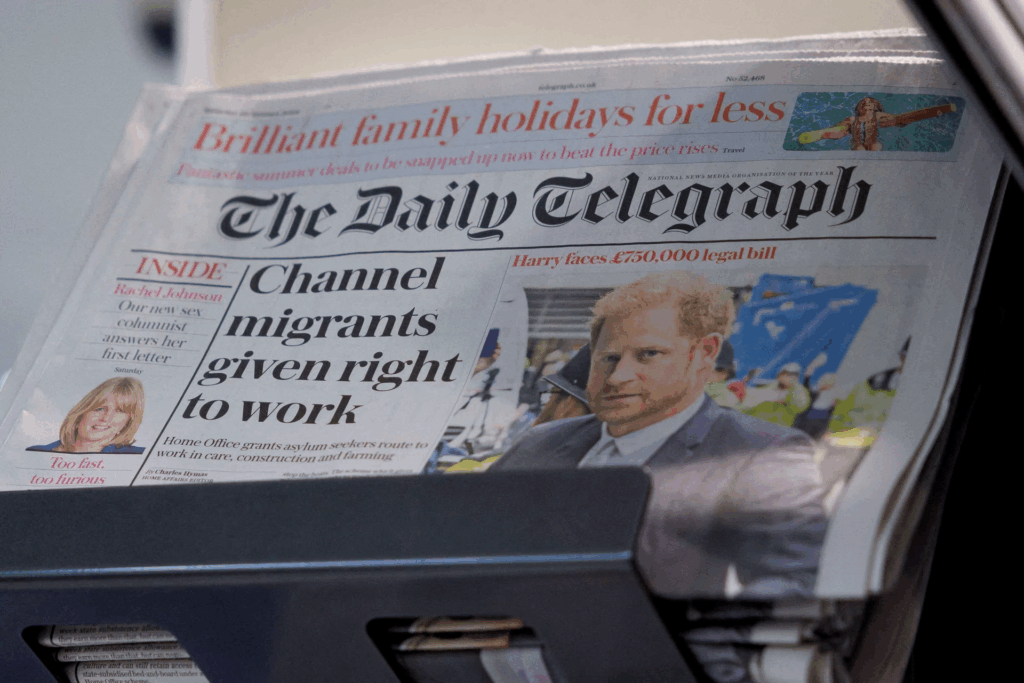
In a significant development for the media landscape, the Telegraph sale to US investment group RedBird Capital has captured attention as they attempt to acquire the Daily and Sunday Telegraph for £500 million. This move comes after RedBird previously faced hurdles due to political resistance regarding funding from the Abu Dhabi-based IMI Group. The recent bid aligns with new regulations limiting foreign sovereign wealth investments in media, aiming to facilitate a smoother acquisition process. However, talks have been complicated by concerns over the current coverage of the Telegraph by its newsroom, which may have influenced RedBird’s decision to withdraw. As the Telegraph Media Group navigates through these uncertainties, the focus remains on its future plans and the potential for sustained success under new ownership.
The recent developments concerning the acquisition of the Daily Telegraph by RedBird Capital highlight a pivotal moment in media investments. While the exit of this US-based investment firm raises questions about the newspaper’s ownership structure, ongoing discussions with other parties may redefine its future trajectory. The acquisition journey, marked by previous unsuccessful bids due to political and funding complications, signifies the challenges faced by foreign investors in the UK media landscape. As the Telegraph continues to adapt amid these changes, its leadership is committed to securing a viable path forward, balancing regulatory scrutiny with the need for a robust operational strategy. This ongoing narrative reflects broader themes of investment dynamics and media ownership in today’s competitive environment.
RedBird Capital Exits Telegraph Sale: Implications and Insights
The recent announcement that US investment group RedBird Capital has withdrawn its bid for the Daily and Sunday Telegraph is a significant development in the media landscape. Valued at £500 million, this acquisition had been strongly anticipated but ultimately failed to navigate the regulatory landscape dictated by the UK government. The involvement of foreign funds, specifically from Abu Dhabi’s IMI Group, played a crucial role in RedBird’s challenges, as recent legislation restricts such investments in the newspaper sector. This situation highlights the complexities and hurdles that foreign entities face when attempting to secure stakes in UK publications, especially those under scrutiny from the government.
Moreover, the exit of RedBird Capital raises questions about the future of the Telegraph Media Group itself. With over two years of uncertainty since the Barclay family’s sale, industry experts are pondering the implications for the group’s long-term strategy. A spokesperson for RedBird expressed confidence in the Telegraph’s potential, underscoring their commitment to finding a solution that aligns with the interests of both employees and readers. The notion of regulatory reviews has cast a long shadow over the acquisition process, impacting not only RedBird’s aspirations but also the broader market for newspaper investments in the UK.
Frequently Asked Questions
What was the recent status of the Telegraph sale to RedBird Capital?
RedBird Capital recently exited its bid to purchase the Daily and Sunday Telegraph for £500 million. This decision followed previous attempts that were complicated by government oversight regarding foreign ownership in media.
Why did RedBird Capital withdraw from the Telegraph Media Group acquisition?
RedBird Capital withdrew its bid for the Telegraph Media Group due to anticipated regulatory reviews and negative coverage from the Telegraph newsroom, despite believing the bid would have passed government scrutiny.
How did IMI Group’s investment influence the Telegraph sale to RedBird Capital?
IMI Group’s investment initially complicated RedBird Capital’s attempts to acquire the Daily Telegraph, as the funding from foreign sovereign wealth raised concerns among political figures who enforced regulations preventing such ownership.
What are the future plans for the Telegraph Media Group following the RedBird Capital exit?
Following RedBird Capital’s exit, the Telegraph Media Group aims to assure its long-term success by cooperating with regulators and continuing discussions with other interested parties to secure a sustainable future for the publication.
What impact did RedBird Capital’s ownership intentions have on the Telegraph’s subscriber base?
RedBird Capital’s plans included broadening the Daily Telegraph’s reach and expanding its subscriber base in the US market, indicating a strategic vision for growth that aimed to capitalize on new opportunities in digital media.
Could RedBird Capital’s withdrawal affect the valuation of the Telegraph Media Group?
Yes, RedBird Capital’s withdrawal from the acquisition may affect the perceived valuation of the Telegraph Media Group, as it introduces uncertainty into the sale process and requires reassessment by potential future buyers.
What has been the reaction from the IMI Group regarding the Telegraph sale?
IMI Group has expressed its commitment to securing a successful future for the Telegraph Media Group and remains in contact with interested parties, emphasizing its priority to resolve ongoing uncertainties surrounding the sale.
What led to the regulatory scrutiny of RedBird Capital’s Telegraph bid?
The regulatory scrutiny of RedBird Capital’s bid stemmed from concerns about foreign ownership, driven by a change in laws that limited sovereign wealth fund stakes in media organizations, prompting a careful review of the acquisition’s compliance.
What was Gerry Cardinale’s vision for the Telegraph in RedBird Capital’s bid?
Gerry Cardinale envisioned enhancing the Daily Telegraph’s market presence and subscriber engagement in the US, identifying significant opportunities for growth despite the complexities surrounding the acquisition.
Has the Daily Telegraph been in a state of uncertainty before the RedBird Capital bid?
Yes, the Daily Telegraph has faced uncertainty for over two years, particularly since the RedBird IMI consortium settled debts of the previous owners, leading to ongoing concerns about the publication’s future.
| Key Point | Details |
|---|---|
| RedBird Capital Exits Deal | RedBird Capital has withdrawn its bid to acquire the Daily and Sunday Telegraph for £500 million. |
| Previous Attempt Rejected | An earlier attempt to acquire the Telegraph was blocked by politicians due to funding sources from Abu Dhabi’s IMI group. |
| Legislative Changes | A law limits foreign sovereign wealth funds to a maximum 15% stake in media companies. |
| Regulatory Review Expected | The government planned to review the deal despite compliance with new regulations. |
| RedBird’s Confidence | Despite withdrawing, RedBird was confident the bid would have succeeded in a government review. |
| Concerns from Current Staff | Negative coverage from the Telegraph newsroom influenced RedBird’s decision to step back. |
| Ongoing Investments | RedBird is also scrutinized for investments from Chinese and Gulf-based investors. |
| Future of the Telegraph | IMI Group aims to secure the long-term success of the Telegraph amidst ongoing negotiations. |
| Gerry Cardinale’s Vision | Cardinale intended to expand the Telegraph’s US reach and subscribe base. |
| Investment in Sports | RedBird Capital also owns the Italian football club AC Milan. |
| History of Uncertainty | The Telegraph has faced uncertainty for over two years following debts of its former owners. |
Summary
The Telegraph sale by RedBird Capital marks a significant moment in the media landscape as the investment group officially withdrew its bid to purchase the Daily and Sunday Telegraph for £500 million. This decision comes amidst evolving legal regulations and scrutiny over foreign investments, showcasing the complex dynamics at play in today’s media acquisitions. Despite RedBird’s initial confidence in the bid, a mix of political pushback and internal newsroom criticisms culminated in their withdrawal, leaving the future of the Telegraph in a balancing act of strategic potential and regulatory challenges.

