Listen to this article
The Tech Prosperity Deal represents a pivotal milestone in the evolving landscape of UK-US relations, particularly within the realm of technology and innovation. This agreement, hailed as “historic” upon its announcement, aims to foster collaboration in cutting-edge fields such as artificial intelligence (AI) and quantum computing. However, recent delays in negotiations have cast uncertainty over the deal, primarily stemming from broader trade discussions that have hit roadblocks. Still, both nations remain committed to capitalizing on this opportunity to enhance investments in UK technology, which could significantly reshape economic prospects on both sides of the Atlantic. As highlighted by government officials, the Tech Prosperity Deal has the potential to transform the lives of millions, reinforcing the special relationship that continues to define UK and US interactions in the tech sector.
In the context of international trade and technology exchange, the recent UK-US initiative commonly referred to as the Tech Prosperity Deal has emerged as a significant topic of conversation. This economic pact, envisioned as a catalyst for improved AI collaboration and investments in technological innovation, has faced several challenges amid ongoing trade negotiations. The relationship between these two leading economies is characterized by various agreements aimed at addressing mutual concerns in tech advancement and regulatory harmonization. As discussions progress, the hope remains that this technology-focused agreement will pave the way for a new era of partnerships, benefitting both British and American stakeholders committed to driving economic growth and technological excellence.
Overview of the UK-US Technology Prosperity Deal
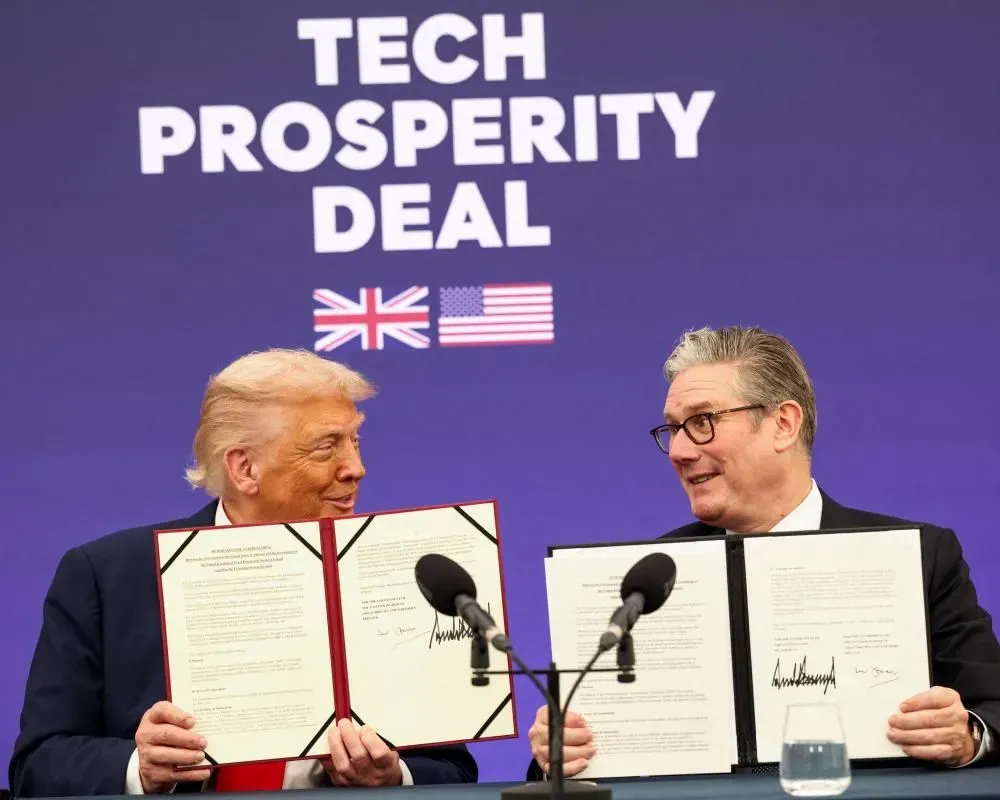
The UK-US Technology Prosperity Deal was heralded as a groundbreaking agreement aimed at fostering collaboration in cutting-edge sectors such as artificial intelligence and quantum computing. Announced during President Donald Trump’s visit in September, the deal was positioned as a means to further strengthen the enduring relationship between the two nations. However, since its announcement, negotiations have stalled, largely due to complications surrounding broader trade discussions, including contentious issues like tariff regulations and digital frameworks.
Despite these challenges, UK officials continue to express optimism regarding the deal’s potential benefits. A government spokesperson emphasized that the special relationship with the US remains paramount and reiterated the commitment to ensure that the Tech Prosperity Deal translates into meaningful opportunities for citizens in both countries. The initial ambition of this agreement reflects a shared vision for technological advancement and economic prosperity.
Impact of AI Collaboration Between the UK and US
Artificial intelligence has become a focal point in the UK-US Technology Prosperity Deal, highlighting the potential for transformative innovation in various sectors. The collaboration aims to harness the strengths of both nations to develop advanced AI technologies, thereby positioning the UK as a key player in the global AI landscape. This partnership is not only expected to enhance technological capabilities but also to drive significant economic growth through increased investments and job creation.
As both countries navigate the complexities of trade negotiations, the emphasis on AI collaboration remains crucial. The shared goal of establishing the UK as an ‘AI superpower’ has resonated widely, particularly with statements from tech leaders like Nvidia’s CEO, who believes in the potential of the UK’s AI capabilities. Therefore, ongoing discussions and eventual resolution to trade barriers will be vital to realizing the full potential of this collaboration.
Broader Trade Negotiations Affecting the Technology Sector
The halt in negotiations over the UK-US Technology Prosperity Deal is indicative of broader trade challenges faced by both nations. Issues such as digital regulation, safety standards, and tariffs significantly complicate the evolving landscape of how technology agreements can progress. Without addressing these foundational trade disputes, the ambitions heralded by the Tech Prosperity Deal and its promise of economic cooperation may remain unfulfilled.
Experts have highlighted the fragmented nature of current trade discussions, suggesting a piecemeal approach that may hinder comprehensive solutions across interconnected sectors. The complexities of negotiating trade agreements, particularly in technology, require careful consideration of multiple factors that extend beyond simple economic interests. Until these broader trade negotiations are resolved, the success of the Technology Prosperity Deal remains uncertain.
Significance of Investments in UK Technology Sector
The announcement of substantial investments from leading US tech firms, such as Microsoft, Nvidia, and Google, alongside the Tech Prosperity Deal signifies a strong commitment to the UK’s technology sector. Collectively, these companies have pledged over £31 billion, demonstrating confidence in the UK’s potential to nurture a thriving technology landscape. Such investments are expected to elevate the UK’s status as a hub for technological innovation and attract further international interest.
This infusion of capital will not only enhance AI-related projects but also improve infrastructure across various tech industries in the UK. As officials work to solidify the terms of the Technology Prosperity Deal amidst trade negotiations, maintaining and securing these investments will be crucial to ensuring long-term economic growth and technological advancement.
Challenges in Formalizing the Technology Agreement
Despite the ambitious goals outlined in the UK-US Technology Prosperity Deal, making it operational involves navigating numerous obstacles. The Memorandum of Understanding (MOU) underscores that collaboration on initiatives such as AI and quantum computing become effective only once significant progress is made in resolving ongoing trade disputes. The lack of legally binding commitments in the MOU further complicates the pathway to implementing the agreement.
As both sides continue to engage in trade negotiations, there are concerns that the delay in cementing this technology partnership may affect the broader economic agreement established in May. By not conclusively addressing trade barriers, uncertainties will persist regarding the operationalization of joint technological projects and the strategic goals set forth in the initial deal.
Geopolitical Context of the Tech Prosperity Deal
The context surrounding the UK-US Technology Prosperity Deal is influenced by evolving geopolitical dynamics. The Trump administration’s aggressive trade policies have reshaped how traditional allies like the UK engage in global economic agreements. The imposition of tariffs and pursuit of new bilateral deals reflect a desire to redefine America’s economic relationships, impacting long-standing expectations between the two nations.
As international trade becomes increasingly complex, the UK’s ability to navigate these changes while strengthening its economic ties with the US relies on successful outcomes from negotiations. The Tech Prosperity Deal stands as a key opportunity for the UK to assert its technological ambitions on the global stage and reestablish its role as a vital partner for the US.
The Role of Public Perception in Trade Agreements
Public support and perception play a crucial role in shaping the outcomes of trade agreements like the Tech Prosperity Deal. As negotiations stagnate, public opinion may influence policymakers’ approaches and decisions regarding technology collaboration. The UK government has actively promoted the benefits of the Technology Prosperity Deal, hoping to win over citizens by emphasizing the potential for job creation and technological advancements.
However, as challenges arise, public skepticism may grow concerning the feasibility and reliability of such deals. Ensuring transparent communication about the progress of negotiations and potential impacts on the economy will be vital for maintaining public confidence in the deals’ ability to deliver tangible benefits.
Global Competition in Technology and Innovation
As the UK and US navigate their technology deal, it is essential to consider the global competitive landscape. With countries like China making significant strides in technology and AI, the UK-US partnership emphasizes the urgency of maintaining leadership in these critical sectors. The Technology Prosperity Deal signals a commitment to innovation and collaboration but must also proactively address the pace of international developments.
This competition underscores the need for both nations to leverage their strengths and foster a conducive environment for technological advancement. By aligning their efforts on AI, quantum computing, and robust economic strategies, the UK and US can position themselves favorably amidst a rapidly evolving global market.
Looking Ahead: Future Prospects for UK-US Technology Collaboration
As discussions surrounding the Tech Prosperity Deal continue, the future of UK-US technology collaboration holds great potential. Successful resolution of trade negotiations could pave the way for a more integrated approach to technological advancements, fostering an environment conducive to innovation. This partnership could become a blueprint for other international collaborations in technology.
However, realizing this potential requires diligent efforts from both sides to address lingering trade barriers and align their economic objectives. By working through existing challenges, the UK and US can unlock new opportunities for technological collaboration, driving economic growth and reinforcing their stature as leaders in the tech industry.
Frequently Asked Questions
What is the Tech Prosperity Deal between the UK and the US?
The Tech Prosperity Deal is a proposed agreement aimed at fostering cooperation between the UK and US in technology sectors, particularly artificial intelligence (AI), quantum computing, and nuclear power. This partnership aims to drive significant investments in UK technology and transform the economic relationship between the two nations.
Why have negotiations over the Tech Prosperity Deal stalled?
Negotiations over the Tech Prosperity Deal have stalled due to broader trade discussions between the UK and US, which face obstacles related to digital regulations and trade barriers perceived by the US. These issues have delayed advancing the agreement.
How is the Tech Prosperity Deal expected to benefit UK technology?
The Tech Prosperity Deal is designed to enhance investments in UK technology, with expected contributions of around £31 billion from major US tech companies like Microsoft, Nvidia, and Google. This investment is aimed at bolstering AI infrastructure, creating jobs, and supporting innovation in the UK.
What commitments are included in the Tech Prosperity Deal?
The Tech Prosperity Deal includes commitments from both the UK and US to collaborate in advanced technologies such as AI, quantum computing, and the development of nuclear power. However, it is important to note that proposals in the deal are not legally binding until significant progress is made.
What are the potential implications of the current deadlock on the Tech Prosperity Deal?
The current deadlock in negotiations may impact US tech companies’ pledged investments in the UK. While there are concerns, experts believe that it is unlikely to derail investments entirely, viewing the situation as a form of posturing within broader trade discussions.
Why is the US interested in the Tech Prosperity Deal?
The US is interested in the Tech Prosperity Deal as it seeks to redefine global trade rules and strengthen its economic ties with key allies like the UK. By fostering collaboration in technology, the US aims to enhance its competitive edge in emerging technologies like AI and quantum computing.
What role does AI play in the Tech Prosperity Deal?
AI is a central focus of the Tech Prosperity Deal, with both the UK and US aiming to cooperate on AI development and innovation. This collaboration is expected to lead to advancements in AI infrastructure and applications, further establishing the UK as a potential AI superpower.
What are the next steps for the Tech Prosperity Deal?
Next steps for the Tech Prosperity Deal depend on resolving the broader trade discussions between the UK and US. Key issues regarding trade barriers and regulatory concerns need to be addressed before further progress on the technology agreement can be made.
How does the Tech Prosperity Deal align with the US-UK Economic Prosperity Deal?
The Tech Prosperity Deal is part of the broader US-UK Economic Prosperity Deal, which covers various trade sectors. Progress on the Tech Prosperity Deal is contingent upon overall advancements in the Economic Prosperity Deal, which was signed earlier and is aimed at strengthening economic ties.
What investments are associated with the Tech Prosperity Deal?
Associated investments with the Tech Prosperity Deal include commitments from major US tech firms to invest £31 billion in the UK, focusing on enhancing technology infrastructure and fostering innovation in AI and related sectors.
| Key Points | Details |
|---|---|
| Negotiation Halt | Negotiations for the Tech Prosperity Deal between the UK and the US are stalled, affected by broader trade discussions. |
| Deal Promotion | The deal was announced during President Trump’s visit in September 2023 and included commitments for cooperation in AI. |
| US Trade Concerns | US is concerned about perceived trade barriers imposed by the UK, affecting the deal’s progress. |
| Government Stance | UK government reaffirms a strong relationship with the US and commitment to provide opportunities through the deal. |
| Investment Plans | US tech firms like Google and Microsoft have announced investments totaling £31 billion in the UK. |
| MOU Formalization | The tech agreement includes collaboration in AI, quantum computing, and nuclear power but requires significant progress before becoming operative. |
| Trade Implications | Ongoing tariff negotiations and trade barriers may impact technology agreements and overall trade relations. |
Summary
The Tech Prosperity Deal is intended to foster a collaborative relationship between the UK and the US, particularly in the fields of artificial intelligence and technology. However, with ongoing trade disputes, the negotiations have been stalled, leading to uncertainty regarding significant investments from major US tech companies. As both nations grapple with broader trade issues, the successful implementation of this deal remains crucial for advancing technological innovation and economic prosperity.