Listen to this article
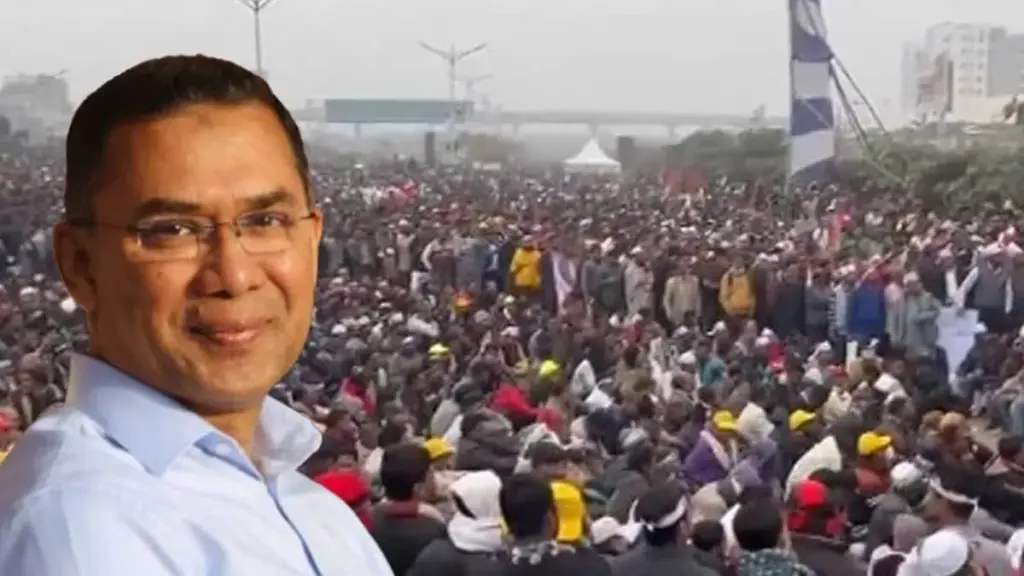
Tarique Rahman, a pivotal figure in Bangladesh’s political landscape, is set to make waves as he returns home after 17 years in exile, positioning himself as a frontrunner for the prime ministerial role amid the Bangladesh elections. The son of former prime minister Khaleda Zia, Rahman is the charismatic leader of the Bangladesh Nationalist Party (BNP), which is determined to reclaim its political prominence during these crucial elections. With tensions high, his arrival in Dhaka is anticipated to galvanize supporters, potentially leading to massive celebrations on the streets. The current political situation in Bangladesh has shifted dramatically following the demise of former Prime Minister Sheikh Hasina’s government, allowing Rahman an opportunity to step into the spotlight. As the BNP strives to secure a winning position, Rahman’s leadership could signal a significant turning point in the nation’s ongoing political narrative, particularly with debates swirling around Hasina’s exile and her party’s uncertain future participation in the elections.
In the current climate of Bangladesh’s governance, the return of Tarique Rahman marks a significant threshold in the nation’s electoral dynamics. Known for his influential lineage and strategic acumen, Rahman, alongside the leadership of the BNP, represents a hope for many Bangladeshis seeking a shift from the previous regime. As the country gears up for pivotal general elections, the focus centers on how his long-awaited return will influence party strategies and voter enthusiasm. Amid an escalating political situation, the implications of Hasina’s ousting and ongoing discontent towards her administration’s policies create a charged atmosphere for forthcoming electoral battles. This political chess game puts the BNP in a position to potentially reshape the future of Bangladesh, drawing on Rahman’s experience and the Zia family’s legacy.
Tarique Rahman’s Return: A New Dawn for Bangladesh Politics
Tarique Rahman’s long-anticipated return to Bangladesh marks a pivotal moment in the nation’s political landscape. Arriving after 17 years of exile due to political persecution, Rahman’s arrival has sparked massive excitement among his supporters, particularly members of the Bangladesh Nationalist Party (BNP). His leadership is crucial as Bangladesh approaches important general elections that could reshape the country’s future. With his mother, Khaleda Zia, a significant figure in the BNP, Rahman’s comeback could inspire a resurgence for a party that has historically alternated power with the Awami League.
The current political situation in Bangladesh is delicate, characterized by a power struggle heightened by the recent ousting of former Prime Minister Sheikh Hasina. Many observers are closely following this development as it could signify a significant shift in governance and political alliances. As the BNP mobilizes for the elections, the underlying tensions from past conflicts and the need for political reconciliation will play vital roles in shaping voter sentiment and the electoral outcome. Rahman’s return brings hope to many who support democratic governance, and there are expectations that he will lead a robust campaign against his rival political factions.
BNP Leadership and Resurgence Ahead of Elections
The Bangladesh Nationalist Party, under Tarique Rahman’s leadership, is gearing up for what could be a historic election cycle. The BNP aims to capitalize on the current political disarray and disenfranchisement of voters arising from the previous administration’s decisions. With Khaleda Zia’s legacy looming large over the party’s direction, many within the BNP believe that Rahman’s return strategically positions them to garner significant support from those disillusioned by the Awami League’s governance. The party is banking on mass mobilization and grassroots support to reinforce their campaign.
As the electoral landscape in Bangladesh transforms, the BNP’s leadership faces the challenge of addressing concerns related to democratic processes and electoral integrity. With millions of expected supporters set to rally in Dhaka, the momentum could shift significantly in favor of the BNP if they successfully rally public sentiment around their agenda. However, navigating the political minefield left in the wake of Sheikh Hasina’s regime and uniting various factions within the party will be critical for Rahman and his leadership team.
Khaleda Zia’s Influence on Current Elections
Khaleda Zia, who was once the indisputable leader of the BNP, continues to wield significant influence over the party and its strategies as Bangladesh approaches its elections. Her legacy as a two-time prime minister and the matriarch of the Zia family cannot be overlooked in the context of her son Tarique Rahman’s political ascent. Despite Khaleda’s struggles with the judicial system and her own party’s challenges in recent years, her endorsement and guidance remain vital as the BNP seeks to re-establish itself as a formidable force against the Awami League.
As the BNP prepares for the upcoming elections, Khaleda Zia’s role may extend beyond mere symbolism. Her experiences and political insights could help shape strategic decisions that resonate with the electorate. With the political atmosphere growing increasingly fraught, inviting new supporters while retaining established party members will be a critical balance for Rahman to achieve, drawing on his family’s political legacy to inspire confidence and unity among voters.
The Political Situation in Bangladesh: Key Dynamics
The political situation in Bangladesh is currently characterized by intense rivalry and uncertainty. The rivalry between the BNP and the Awami League, notably marked by years of turmoil and violence, shapes the voters’ perceptions and allegiance. Following the recent political upheaval that led to Sheikh Hasina’s exile, the electoral climate is unpredictable. Voter sentiment largely hinges on public discontent with the past administration, which may benefit the BNP as they highlight their vision for a new Bangladesh under Rahman’s leadership.
Moreover, the backdrop of the electoral process in Bangladesh involves complex dynamics, such as public unrest and calls for justice regarding past anti-government protests. These issues will undoubtedly weigh on the electorate’s mind as they consider which party can best address their grievances and provide stability. The BNP, recognizing these critical concerns, is expected to focus its campaign on fostering peace, justice, and economic revival, aiming to unite disillusioned citizens who thirst for effective governance.
Hasina’s Exile: Consequences for Awami League and Bangladesh
Sheikh Hasina’s exile in India has sent shockwaves through the political sphere of Bangladesh, leaving the Awami League in a precarious situation as they prepare for upcoming elections. The consequences of her absence are profound, not only undermining the party’s leadership but also raising questions about their ability to campaign effectively without their longstanding figurehead. As the BNP capitalizes on this vacuum, there are concerns among Awami League supporters about the party’s future direction and how they will navigate the electoral landscape without Hasina at the helm.
Furthermore, Hasina’s exile is also a critical factor in shaping public opinion, creating an environment ripe for change. With the Awami League likely to face electoral challenges due to diminished credibility following Hasina’s controversial policies and the fallout from human rights violations, the political tide appears to be turning. This situation presents the BNP, under Tarique Rahman’s revival strategy, with an unprecedented opportunity to capture the political landscape by appealing to the electorate’s desire for change and accountability.
Expectations for the Upcoming General Elections
As Bangladesh gears up for one of the most anticipated general elections in its political history, expectations are at an all-time high. Voter engagement is crucial as parties drum up support, particularly the BNP, which is eager to showcase strong leadership under Tarique Rahman. With millions of supporters expected to embrace his return, the BNP aims to galvanize public sentiment and establish itself as the primary alternative to the Awami League. This electoral event could be pivotal in redefining the landscape of Bangladeshi politics.
The stakes are high for both major parties, with each striving to highlight their visions and policies for the future of Bangladesh. For the BNP, a successful campaign could mean not just a return to power but also a long-awaited rehabilitation of their party image after years of political strife. In contrast, the Awami League must find a way to unite its fractured support base and present a compelling argument for continuity in governance. How both parties navigate this critical period will play a determining role in shaping the nation’s trajectory for years to come.
Voter Sentiment and Mass Mobilization
In the lead-up to the elections, voter sentiment is crucial for both the BNP and the Awami League. The BNP’s strategy revolves around tapping into public dissatisfaction with the previous administration, leveraging Tarique Rahman’s return as a rallying point for mass mobilization. With grassroots campaigns and large gatherings planned in Dhaka, the party is positioning itself to capitalize on feelings of unrest and the yearning for change among the electorate. Engaging directly with constituents is seen as an essential step in reigniting the party’s momentum.
Mass mobilization efforts will not only serve to galvanize supporters but will also send a strong message to undecided voters about the BNP’s viability as a political alternative. The focus will be on issues that resonate with the everyday experiences of citizens, such as economic challenges and governance. The BNP’s ability to foster a sense of community and engage with the electorate on a personal level could significantly impact their success in the upcoming elections.
Challenges Facing the BNP in the Election Campaign
While the BNP is energized by Tarique Rahman’s return, challenges loom large as they prepare for the impending elections. The historical backdrop of conflicts, political repression, and allegations against their leadership continues to affect public perception. Overcoming the narrative that has painted them as a party plagued by corruption and inefficacy will be a critical hurdle. The BNP must effectively communicate their vision for governance while distancing themselves from past negative associations.
Additionally, the party must navigate a complex electoral environment rife with legal and political obstacles. As the Awami League attempts to maintain its grip on power, strategies to suppress the opposition may surface, necessitating a cautious but assertive campaign strategy. Establishing trust and credibility with voters in this fraught context is a significant challenge that the BNP must address if they are to reclaim leadership in Bangladesh.
The Future of Bangladesh Under New Leadership
The future of Bangladesh hinges on the outcome of the upcoming elections, with Tarique Rahman positioned to potentially lead the country toward a new chapter in its political saga. Should the BNP succeed, their approach to governance will be under scrutiny, particularly regarding economic policies and human rights issues that have been of great concern to the international community. The expectations for accountability and reform will shape the party’s actions if it regains power.
Furthermore, Rahman’s leadership will set the tone for Bangladesh’s direction in foreign relations, national security, and domestic issues. The repercussions of a BNP-led government could redefine relationships with neighboring countries and international stakeholders, particularly in light of Hasina’s controversial tenure. Ultimately, the political landscape of Bangladesh remains uncertain, tethering itself to the aspirations of its citizens for a stable and progressive future.
Frequently Asked Questions
What is the significance of Tarique Rahman’s return to Bangladesh ahead of the elections?
Tarique Rahman’s return to Bangladesh marks a pivotal moment in the country’s political landscape, especially as the Bangladesh Nationalist Party (BNP) prepares for crucial elections. After 17 years in exile, Rahman is positioned to lead the BNP in reclaiming power, following the ousting of former Prime Minister Sheikh Hasina. His comeback has generated significant public excitement, with millions expected to celebrate his return in Dhaka.
How does Tarique Rahman relate to Khaleda Zia’s legacy in Bangladeshi politics?
Tarique Rahman is the son of former Prime Minister Khaleda Zia, making him a central figure in the influential Zia family. His leadership of the BNP is seen as a continuation of his mother’s political legacy, which has been marked by a strong opposition to the Awami League under Sheikh Hasina. As the BNP aims to assert its influence in the upcoming elections, Rahman’s ties to Khaleda Zia provide him with both a historical context and a base of support.
What challenges does Tarique Rahman face as he seeks to lead the BNP in the upcoming elections?
Tarique Rahman faces numerous challenges as he aims to lead the BNP during a politically charged environment in Bangladesh. With his party bracing for elections amidst the fallout from Sheikh Hasina’s administration and various criminal investigations from her tenure, Rahman must navigate a landscape filled with potential opposition. Furthermore, the political situation is complicated by Hasina’s current exile and ongoing legal troubles, which could impact voter sentiment.
What role does the current political situation in Bangladesh play in Tarique Rahman’s ambitions?
The current political situation in Bangladesh is crucial for Tarique Rahman’s ambitions to lead the BNP. With Sheikh Hasina ousted and now in exile, the power dynamics have shifted, creating an opportunity for the BNP to capture the political landscape. Many view the upcoming elections as pivotal, especially with the Awami League facing significant challenges. Rahman’s ability to galvanize support during this tumultuous period will be key to the BNP’s success.
How might Tarique Rahman’s leadership influence the future of Bangladesh’s political landscape?
Tarique Rahman’s leadership could significantly influence the future of Bangladesh’s political landscape, especially if the BNP successfully regains power in the forthcoming elections. His return from exile and the potential to become prime minister could disrupt the existing political order, particularly challenging the long-standing dominance of the Awami League. With a focus on national unity and addressing public concerns, Rahman’s leadership could usher in a new era for Bangladeshi politics.
| Key Point | Details |
|---|---|
| Return from Exile | Tarique Rahman returned to Bangladesh after 17 years abroad, just before the general elections. |
| Political Background | He is a prominent figure from the Zia family and son of former Prime Minister Khaleda Zia. |
| Leadership of BNP | Rahman leads the Bangladesh Nationalist Party (BNP) and aims to reclaim power in the elections. |
| Mass Support Expected | The BNP expects millions to gather in Dhaka to celebrate his return. |
| Previous Administration’s Collapse | Rahman’s return follows the ousting of former Prime Minister Sheikh Hasina and the end of her administration. |
| Criminal Charges | He faced several criminal investigations but was cleared after Hasina’s administration was overthrown. |
| Ongoing Political Tensions | Sheikh Hasina is currently in exile in India, and her party might be barred from elections. |
| Serious Allegations | Hasina was sentenced to death for her role in suppressing protests, which led to significant casualties. |
Summary
Tarique Rahman is positioned to become a key player in Bangladesh’s upcoming elections following his return from exile. His prominent lineage and leadership within the BNP assert his influence in Bangladesh’s political landscape. As the nation prepares for arguably the most critical elections in its history, Rahman’s comeback signifies a pivotal moment for both the BNP and Bangladeshi democracy.