Listen to this article
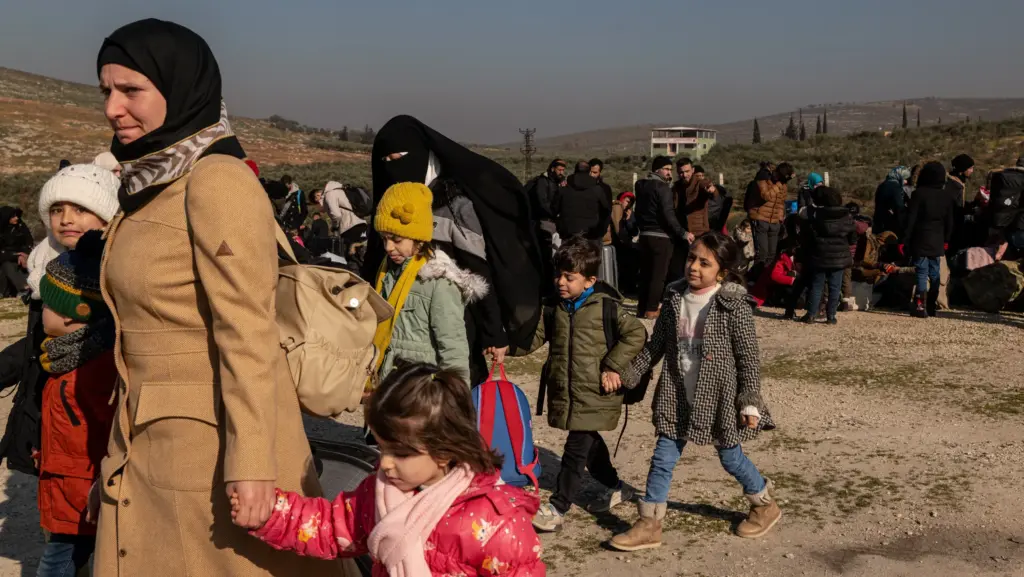
Syrians in Turkey returning home are facing a complex tapestry of emotions and challenges surrounding their potential repatriation. The long-standing civil war, which has devastated Syria, has now entered a new phase with the fall of Bashar al-Assad, prompting hope for reconstruction and a possible return to normalcy. Many former refugees who sought safety in Turkey are contemplating a return journey, eager to reunite with their homeland despite the hardships that await them. While some believe that with reconstruction efforts underway, Syria could once again shine, others are paralyzed by the realities of security concerns, a lack of basic services, and economic instability. As Turkish-Syrian relations evolve, the journey back to Syria remains fraught with uncertainty for many who have found refuge in Turkey, making their future aspirations both hopeful and complicated.
The issue of repatriation is prominent among displaced Syrians in Turkey, as they consider the prospect of returning to their war-torn homeland. With the recent political shifts following the ousting of Syria’s long-time leader, Bashar al-Assad, many are reflecting on their future amidst the remnants of a country in need of extensive rebuilding. Families who once fled the violence now find themselves discussing the logistics and timing of their return, balancing their deep-rooted desire to reconnect with their roots against the sobering realities of infrastructure destruction and limited resources. The conversations are both poignant and hopeful as Syrian expatriates ponder the best ways to reintegrate into a society that, while still fragile, harbors the possibility of new beginnings. As the dialogue around Syria’s reconstruction gains momentum, the lives of returning individuals will be shaped by the interplay of hope and challenge in this pivotal period.
Challenges Faced by Syrians in Turkey Considering Return
Returning home can be a daunting task for Syrians in Turkey, particularly as they grapple with the economic and social challenges that come with their current status. Many Syrian families have built lives in Turkey, with children growing up without a solid grasp of their homeland’s culture and language. For instance, parents often worry about their children, born and raised in Turkey, who may struggle to integrate back into Syrian society. The bureaucratic processes and the complexities of obtaining necessary documents only add to the difficulties faced by these families.
Moreover, the fear of instability and ongoing conflict in Syria casts a long shadow over any plans for return. Families like Aya Mustafa’s are hesitant as they witness the destruction and lack of basic services in their home regions. The uncertainty surrounding safety and economic opportunities in Syria acts as a barrier to returning, despite a strong desire to reconnect with their roots. Such challenges often lead many to postpone their return, hoping for a more stable and secure environment in the future.
The Political Landscape in Syria Post-Assad
With the recent overthrow of Bashar al-Assad, the political landscape in Syria is shifting, yet the repercussions are being felt far and wide. Although Assad’s fall has created a sense of hope among Syrians wishing to return, the reality is a complex tapestry of challenges and governance issues. Ahmed Al Sharaa, now an interim leader, is not viewed positively by many, especially considering his previous affiliations with extremist groups. This raises concerns among Syrians about the legitimacy and effectiveness of the new government.
Many are wary about what rebuilding Syria will entail, particularly under a leadership that has struggled to prove its ability to restore order and provide for the population. The interim government’s leadership faces criticism regarding its capability to address the dire economic and humanitarian needs in the country, which acts as a further deterrent for many Syrians contemplating their return. Even as political dynamics change, the daunting task of reconstruction looms large, causing hesitation among those yearning to return.
Syrian Refugees Seeking Stability Amidst Uncertainty
With the ongoing instability in Syria, many Syrian refugees continue to seek stability in Turkey while grappling with feelings of dislocation and uncertainty about their future. The sense of community among Syrians in Turkey is palpable, and discussions about returning home are constant. However, the harsh realities of life as a refugee—including restricted work opportunities and the pressure of temporary protection status—limit many families’ ability to thrive. This situation often leads to the conclusion that staying in Turkey is currently a safer bet.
In addition, the increasing tensions between local Turkish communities and Syrian refugees have led to rising xenophobia, further complicating the refugees’ situation. Some politicians have exploited these sentiments for electoral gain, creating an environment where the safety and acceptance of Syrians are jeopardized. Many Syrians, despite their determination to return, find that the current circumstances force them to remain in Turkey while they navigate their options.
Cultural Identity and the Wish to Return Home
For many Syrians in Turkey, the longing to return home is tied to a deep sense of cultural identity. The emotional pull to reunite with their homeland often clashes with the harsh realities of life as a refugee. Many individuals, like the young Ahmed, bear the burden of carrying a complicated relationship with a country they barely remember yet yearn to rediscover. Conversations about returning home reflect a collective dream that stands against a backdrop of fears related to cultural reintegration and acceptance.
The challenge of reconnecting with their Syrian heritage is magnified for the younger generation, who are increasingly Turkish in their upbringing. As families contemplate returning, they must address issues like language barriers and cultural dissonance, especially for children who may struggle with the Arabic language. This complex interplay of identity and belonging adds another layer of emotional difficulty for Syrian refugees in Turkey, who find themselves stuck between two worlds.
The Role of Aid Organizations in Supporting Syrians
Aid organizations play a crucial role in supporting Syrians in Turkey while they consider the possibility of returning home. These organizations provide essential services and resources, addressing immediate needs related to housing, healthcare, and employment. They also facilitate community-building efforts that unite the Syrian diaspora. Refugees often rely on aid organizations for assistance in navigating bureaucratic challenges that hinder their ability to thrive in Turkey.
Moreover, these organizations serve as advocates for policy changes that would improve the conditions under which Syrians live in Turkey. They highlight the pressures faced by Syrian refugees, emphasizing the importance of maintaining rights and protections. Given the uncertain climate surrounding Turkish politics, the support provided by these organizations is vital, as they help mitigate some of the challenges posed by the environment in which many Syrians find themselves.
Future Prospects for Reconstruction in Syria
The prospect of rebuilding Syria is a topic of great interest and concern among many Syrian refugees in Turkey. The expectation that the interim government can begin to reconstruct the war-torn nation is met with skepticism by those who have witnessed the extent of the damage firsthand. Rebuilding efforts will require significant resources and international support, as many areas remain uninhabitable due to destruction from the conflict.
Moreover, stability will be essential for the rehabilitation of displaced populations, and without it, many may feel compelled to remain in Turkey. Conversations surrounding reconstruction often lead to discussions about the political will and accountability, especially in light of the involvement of various factions during the war. Syrians remain cautiously hopeful, but the path to a sustainable future within Syria remains fraught with challenges that complicate the likelihood of return.
Turkey-Syria Relations and Their Impact on Refugees
The relationship between Turkey and Syria has always been complex, shaped by historical ties and geopolitical considerations. As a result of the civil war, this relationship has evolved, influencing the lives of millions of Syrian refugees currently living in Turkey. Turkish policies towards Syrian refugees are often influenced by shifting political landscapes, making the future uncertain for those wishing to negotiate their return.
In recent months, the disappearance of Assad from the political scene has sparked discussions about potential openings for improved relations, yet many refugees remain cautious. The political instability in both countries complicates the realities on the ground, as geopolitical alignments shift. As long as Turkey and Syria navigate these turbulent waters, the pathways available for Syrians to return home will be weighed against the contentious issues faced by both nations.
The Importance of Community Support for Returning Syrians
Community support is integral to the successful return of Syrians to their homeland. As many refugees consider relocation, establishing networks that assist families in reintegration becomes essential. These networks can provide information about housing, job opportunities, and educational resources that are crucial for survival and assimilation in a post-war Syria.
Moreover, support from local communities in Syria can offer a sense of belonging and reduce the feelings of isolation that returning families may face. The ability to share strategies and experiences of repatriation strengthens community ties and fosters resilience. With the right support systems in place, returning Syrians may experience a smoother transition, helping to facilitate not only their reintegration into society but also the process of national healing that Syria urgently requires.
Preparing for Safe Return: Plans and Strategies
In anticipation of potential returns, many Syrian families in Turkey are strategizing to ensure a safe and orderly repatriation. They recognize the importance of planning for their return, involving careful consideration of housing, employment, and basic service availability once they are back in Syria. Knowing that spontaneous mass returns could lead to chaos, families are advocating for organized movements supported by governmental and non-governmental entities to assist in their transition.
Additionally, establishing connections with relatives and friends remaining in Syria can provide critical insights about the evolving situation on the ground. Through these preparations, families not only solidify their plans but also create a sense of agency over their futures, allowing them to envision a sustainable life back in their homeland. As discussions of rebuilding emerge, every small step taken now can contribute to a brighter future for returning Syrians.
Frequently Asked Questions
What are the main challenges that Syrians in Turkey face when considering returning home?
Syrians in Turkey contemplating returning home face several challenges, including the ongoing destruction in Syria due to the civil war, a lack of basic services such as electricity and water, and safety concerns. Many families also grapple with the issue of children who may not speak Arabic, complicating reintegration. Additionally, bureaucratic pressures in Turkey and reduced support for refugees heighten their uncertainty.
How do recent changes in Turkey-Syria relations affect the return of Syrian refugees?
Recent developments in Turkey-Syria relations, particularly following the ousting of Bashar al-Assad, have prompted discussions about the return of Syrian refugees. While some feel a renewed hope for stability and reconstruction in Syria, many remain cautious due to unresolved security issues and economic instability. The political landscape in Turkey may also influence governmental support for Syrian refugees.
Are Syrian refugees in Turkey being forced to return home?
No Syrian refugees are officially forced to return home, but many feel increasing pressure from changing policies and a perceived declining welcome in Turkey. Enhanced bureaucracy and economic hardship are prompting some to consider voluntary return, but the overall environment remains complex and fraught with challenges.
What is the sentiment among Syrians in Turkey regarding returning to Syria?
Among Syrians in Turkey, sentiments about returning home vary widely. Many express a deep longing for their homeland, with discussions about potential return being common in communities. However, a significant number are hesitant due to concerns about security, the economy, and overall living conditions in post-war Syria.
How does the condition of Syria impact the plans of Syrians in Turkey to return?
The condition of Syria significantly impacts the plans of Syrians in Turkey to return. Factors such as extensive destruction from the civil war, ongoing violence, and an unstable economic environment create deep apprehension among those considering returning. Many are waiting for improvements in infrastructure and services before making the decision to go back.
What role do Syrian NGOs play in helping refugees considering return to Syria?
Syrian NGOs play a crucial role in supporting refugees contemplating return by providing insights into the situation in Syria, offering assistance for reintegration, and facilitating access to resources. Additionally, these organizations may advocate for better policies and support systems for Syrians both in Turkey and upon their return.
What are the long-term prospects for returning Syrians as Bashar al-Assad is no longer in power?
The long-term prospects for returning Syrians have become more optimistic with Bashar al-Assad no longer in power, but significant challenges remain. The reconstruction of Syria and the establishment of a stable government are critical for creating a conducive environment for returnees. Many are cautiously hopeful but emphasize the need for sustained international support and security reforms.
How can the Turkish government support Syrians contemplating return to Syria?
The Turkish government can support Syrians contemplating return by addressing security concerns, improving conditions for reintegration, and providing clear pathways for returning citizens. Increased collaboration with international organizations for aid and reconstruction in Syria can also facilitate a smoother transition for returning refugees.
What is the impact of the Turkish elections on the future of Syrian refugees?
The upcoming Turkish elections could have a significant impact on the future of Syrian refugees. Political sentiments around the election may influence governmental policies regarding refugee support. Increased anti-refugee sentiment could lead to more restrictive measures, complicating the situation for Syrians who are considering return or have settled in Turkey.
What lessons can be learned from the experiences of Syrians returning to their homeland?
The experiences of Syrians returning to their homeland highlight the importance of thorough preparedness, community support systems, and the necessity of stable governance in facilitating successful reintegration. It also underscores the resilience of refugees and the complexity of rebuilding lives in post-conflict environments.
| Key Points |
|---|
| Many Syrians in Turkey wish to return home after the fall of Assad, but face numerous obstacles. |
| The feeling of longing for home is strong among Syrians like Ahmed, who equates returning to Syria with hope for a better future. |
| Over half a million Syrians have left Turkey since December 2024, when Assad was ousted. |
| While the Turkish government states that Syrians are not being forced to leave, there are increasing pressures that make many feel they must return. |
| Many families face challenges, with children growing up in Turkey who cannot speak Arabic, and connections to Syria waning. |
| There are concerns about destruction in Syria and the lack of basic services that are vital for survival. |
| Uncertainty about security, economy, and governance in Syria makes returning a complex decision. |
| Upcoming elections in Turkey may affect the current support of Syrian refugees and might reignite xenophobic sentiments. |
| Some families, like Mahmud’s, are optimistic about returning in the future, viewing it as a chance to rebuild their lives and country. |
Summary
Syrians in Turkey returning home face a myriad of challenges, with many expressing a strong desire to return due to the recent changes in Syria’s leadership. The sentiment of longing for home is prevalent among the Syrian community, but the reality of economic, security, and social issues complicate their plans. As debates about returning intensify, families must navigate their own circumstances while considering the broader implications of rebuilding their homeland.