Listen to this article
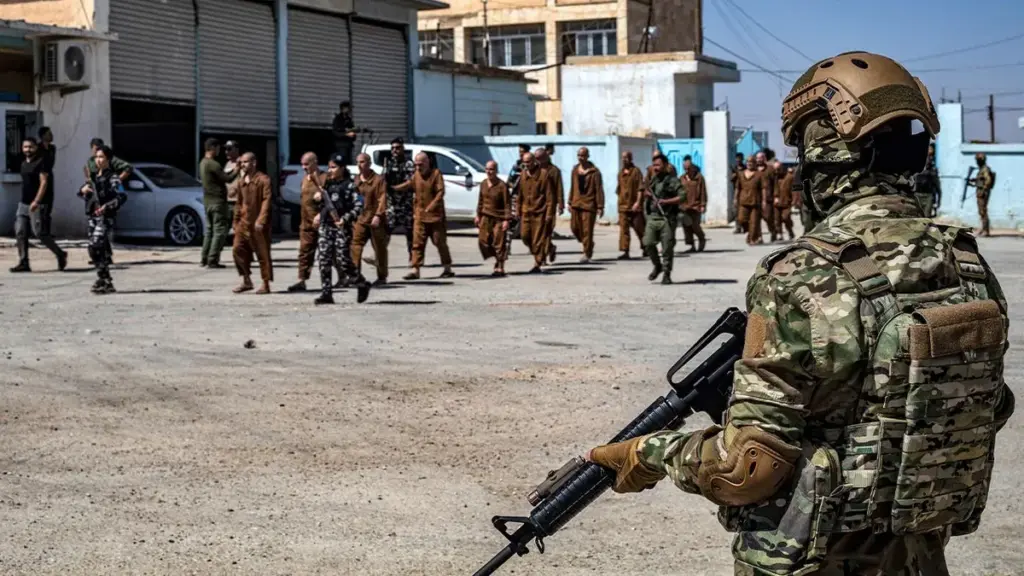
The Syrian troops’ conflict with Kurdish forces has intensified in northeastern Syria, leading to significant geopolitical changes in the region. Recently, the Syrian army seized control of the country’s largest oilfield, the Omar facility, which had been under the influence of the Kurdish-led Syrian Democratic Forces (SDF). This strategic shift followed the Syrian military’s capture of the Tabqa dam on the Euphrates River, marking a pivotal moment in the ongoing struggle for control over Syria’s vital resources. As the SDF retreated east of the Euphrates in response to recent clashes and shifting alliances, the dynamics surrounding Kurdish rights in Syria have come under scrutiny. The implications of this conflict extend beyond territorial disputes, intertwining with broader issues such as the administration’s willingness to formally acknowledge Kurdish rights and the future of oilfields in Syria.
In the northern regions of Syria, tensions between state forces and Kurdish factions have led to a critical situation as both sides vie for dominance. The latest hostilities, particularly concerning the Syrian government’s maneuvers against the Syrian Democratic Forces (SDF), highlight a larger narrative of power struggles in a country rich in resources. Following a series of strategic captures, including significant sites along the Euphrates River, the implications of these actions resonate with the historical plight for Kurdish recognition within a fragmented national framework. With ongoing threats to oil production amidst calls for the recognition of Kurdish rights, the conflict is set against a backdrop of complex international relations and shifting allegiances. This situation exemplifies the multi-layered challenges that define the conflict, as local factions attempt to negotiate their survival and influence amidst a web of national and foreign interests.
The Capture of Syrian Oilfields: A Turning Point
In a significant shift in the dynamics of the Syrian conflict, Syrian troops have successfully captured the Omar oilfield, which stands as the largest oil-producing facility in the nation. This development comes as Kurdish forces, notably the Syrian Democratic Forces (SDF), withdrew from their positions following a series of negotiations with U.S. officials. Control over the oilfields is not merely a military victory but also a crucial economic gain for the Syrian government, which seeks to bolster its revenue streams amid ongoing sanctions and economic instability. This capture indicates a strategic realignment that may impact the balance of power in northeastern Syria significantly.
The implications of this shift extend beyond mere territorial control. With the SDF historically managing vast areas rich in oil reserves, their retreat signifies a potential diminishment of Kurdish leverage in future negotiations concerning governance and resource distribution. The administration of President Ahmed al-Sharaa is strategically reinforcing its military presence in these oil-rich areas, recognizing the vital role of resources such as the Omar oilfield in asserting authority over the region. This turning point in the conflict raises questions about the future of Kurdish rights in Syria and the broader implications for stability in the region.
Syrian Troops and the Kurdish Forces Conflict
The ongoing conflicts between Syrian troops and Kurdish forces highlight a broader struggle for power, resources, and recognition in Syria’s fractured political landscape. The engagement between the Syrian army and the SDF is emblematic of the complexities that have arisen post-civil war, particularly as the SDF, formerly allied with U.S. forces, finds itself in a precarious position following its recent withdrawal from key areas. This conflict signifies the challenges in the relations between the SDF and the Syrian government, especially concerning Kurdish rights in Syria and the integration of Kurdish military forces into national frameworks.
Moreover, the recent military advances by Syrian troops, coupled with the recognition of Kurdish as a national language by President al-Sharaa, suggest a tumultuous yet hopeful negotiating landscape. While the government’s gestures might signify an intention for reconciliation, the realities on the ground paint a stark picture of hostilities. With control of the Euphrates River regions, including the strategic Tabqa dam, now ventured by the Syrian military, the stakes are high. The ensuing conflict continues to provoke violent encounters while highlighting the necessity for a sustainable resolution that respects the rights and aspirations of Syrian Kurds.
Impact of U.S. Involvement in the Syrian Conflict
The role of the United States in the Syrian conflict has been multifaceted, offering support to the SDF while simultaneously attempting to mediate between opposing factions. U.S. officials have been involved in negotiations aimed at fostering a ceasefire and ensuring the effective management of resources amid the prevailing chaos. However, this duality of support raises questions about the sustainability of U.S. alliances, especially as Syrian troops continue to assert their control over key areas like the oilfields and the Euphrates River. The implications of U.S. involvement are significant, as it shapes the perceptions and actions of both the Syrian government and the Kurdish forces.
Furthermore, as the SDF pulls back to the eastern banks of the Euphrates, the reliability of U.S. support comes into question, reflecting the geopolitical complexities of the region. The Syrian government, emboldened by its latest territorial gains, may feel less incentivized to cede power or authority to the Kurdish groups, undermining the progress made in previous negotiations. The U.S. finds itself in a precarious position as it strives to maintain its influence while addressing the evolving dynamics, which underscores the necessity of re-evaluating its strategies regarding both the SDF and the Syrian government.
The Role of the Euphrates River in the Syrian Conflict
The Euphrates River has emerged as a key battleground in the Syrian conflict, serving as both a strategic waterway and a significant economic resource. The recently captured Tabqa dam on the Euphrates acts as a critical infrastructure piece that not only generates electricity but also manages water resources essential for agriculture in the region. The Syrian government’s control over this strategic asset enhances its power and influence, particularly as it aims to stabilize areas recovering from years of conflict. The river’s significance goes beyond logistical utility; it represents a symbolic claim of authority over a historically contested region.
As clashes continue along its banks, the Euphrates also illustrates the broader struggles between the Kurdish forces and the Syrian government. Both entities recognize its importance, and control over river access can dictate economic and military advantage. With accusations back and forth regarding the destruction of infrastructure, such as bridges, the ongoing conflict risks aggravating humanitarian needs while complicating peace negotiations. The river’s future as a lifeline for the region remains uncertain amidst these tensions, emphasizing the need for collaborative dialogue that acknowledges the diverse interests of all parties involved.
Understanding Kurdish Rights in Syria
The recognition of Kurdish rights in Syria has gained momentum amid the shifting dynamics of power in the region. President al-Sharaa’s recent proclamation acknowledging Kurdish as a national language represents a historic acknowledgment of Kurdish identity and rights, a significant shift since the country’s independence in 1946. Such moves are perceived by many as necessary steps towards inclusivity in the Syrian governance structure. However, the reality on the ground remains complex as the SDF faces military pressure and political marginalization from the Syrian government.
Despite the positive gestures from the government, the Kurdish community continues to demand meaningful autonomy and recognition. The SDF has historically fought not only against ISIS but also for established Kurdish rights, which include cultural, political, and economic freedoms. The current negotiations between Kurdish entities and the Syrian government have proven challenging, as the balance of power remains precarious. Efforts towards establishing a comprehensive framework that recognizes these rights while ensuring stability and governance must navigate a deeply entrenched historical context and an uncertain future.
The Aftermath of the Syrian War: Challenges Ahead for the SDF
As Syria emerges from years of intense conflict, the challenges faced by the Syrian Democratic Forces (SDF) become increasingly apparent. Having played a pivotal role in the fight against ISIS, the SDF now finds itself juggling the expectations of Kurdish communities for autonomy with the realities of military engagements against the Syrian troops. The loss of strategic assets, particularly oilfields, compounds these challenges, raising questions about the long-term viability of Kurdish governance in northeastern Syria. The SDF must navigate a precarious path of rebuilding its political standing while enhancing its military capabilities amidst ongoing confrontation.
Moreover, the geopolitical landscape further complicates the SDF’s position. The shifting allegiances and support dynamics from external players like the U.S. may necessitate a reevaluation of strategies. Given the Syrian government’s increasing military assertiveness, the SDF’s leadership may need to engage more proactively in negotiations for political recognition and resource sharing. The legacy of the Syrian war poses significant obstacles, but equally, it offers potential pathways towards an inclusive governance model that acknowledges the rights of diverse factions, including the Kurdish unit yet to experience a lasting peace.
Potential Outcomes for the Syrian Turkish Relations Post-Conflict
One of the critical geopolitics emerging from the Syrian conflict is the relationship between Kurdish forces and Turkey, a nation historically opposed to Kurdish autonomy. The ongoing military actions of Syrian troops against the SDF could either heighten or ease tensions with Turkey, largely depending on the shifting alliances that arise in a post-conflict Syria. As the SDF consolidates its control over oil-rich regions, Turkish concerns over an empowered Kurdish entity on its borders may fuel further involvement in Syrian affairs. Therefore, the outcome of the SDF-Syrian government dynamics could significantly influence Turkish policy decisions.
Should Kurdish rights be recognized and retained within Syria’s governance, it calls for a recalibration in Turkey’s approach to the SDF. Potential negotiations between Turkey and the Syrian government may encourage a conciliatory approach towards Kurdish autonomy, as long as security concerns are adequately addressed. Ultimately, the relationships among various actors, including Turkey, the SDF, and the Syrian government, will dictate the nature of future politics in Syria, shaping the course of regional stability and security for the long term.
Negotiation Dynamics: The SDF and Syrian Government
The negotiation dynamics between the SDF and the Syrian government reflect the complexities of a multifaceted conflict. With the U.S. playing a moderating role, previous agreements aimed at integrating Kurdish military and political factions into the national framework of Syria have remained elusive. The SDF’s recent withdrawal from key territories poses a significant setback for their negotiating power, which may compel them to reassess their strategies and claims. The current standoff exemplifies the intricate dance of diplomacy, wherein both parties wield power but lack trust in one another’s intentions.
As both entities face mounting pressures, finding common ground becomes immensely challenging. The mutual accusations of failures and sabotage during their negotiations create a tense environment that stymies progress toward a resolution. The failure to conclude an agreement could perpetuate the cycle of violence seen in areas dominated by conflicting interests, further jeopardizing civilian lives. Thus, achieving a durable peace necessitates not just political will but genuine dialogue that does justice to the aspirations of the Kurdish people while addressing the governance needs of a unified Syria.
The Future of Oil Resources and Governance in Syria
Control over oil resources in Syria is paramount for both the Syrian government and the SDF, especially as the country struggles to regain stability and financial health post-conflict. The capture of the Omar oilfield by Syrian forces represents a decisive shift not only in economic terms but also in political leverage. The management of oil resources will serve as a critical juncture in future governance negotiations, determining the extent of autonomy Kurdish groups may secure. Furthermore, oil revenues remain vital for any government looking to rebuild its infrastructure and gain the populace’s trust after years of turmoil.
As the competing interests of the Syrian government and the SDF unfold, the handling of oil resources may provoke tensions and conflicts. Establishing a fair and equitable framework for resource sharing will be paramount for lasting peace and stability in Syria. A transparent discussion around these resources can foster collaboration among all parties involved, allowing for a more integrated approach to governance that recognizes the importance of oil not just as a commodity but as a keystone for rebuilding a fractured nation. Future negotiations must be strategic, incorporating diverse interests to pave the way for a stable and governed Syria.
Frequently Asked Questions
What is the current status of the Syrian troops Kurdish forces conflict in northeastern Syria?
The Syrian troops have recently taken control of the Omar oilfield and adjacent gas fields in northeastern Syria after the withdrawal of the Kurdish-led Syrian Democratic Forces (SDF). This escalates the ongoing conflict between Syrian government forces and Kurdish entities following earlier clashes and negotiations.
How has the Syrian government addressed Kurdish rights in Syria amid the ongoing conflict?
In a recent move, Syrian President Ahmed al-Sharaa expressed willingness to recognize Kurdish as a national language and officially designated the Kurdish New Year as a holiday. However, while these gestures signify a partial acknowledgment of Kurdish rights, the conflict with Kurdish forces like the SDF continues.
What led to the recent clashes between Syrian troops and Kurdish forces around the Euphrates River?
The clashes were sparked by the SDF’s announcement of a redeployment east of the Euphrates following deadly confrontations with Syrian troops. This escalation implies a breakdown in agreements aimed at integrating Kurdish groups into the Syrian government framework.
What impact does the Syrian troops Kurdish forces conflict have on oil resources in Syria?
The Syrian government’s capture of the Omar oilfield marks a significant shift in control over Syria’s oil-rich areas. The SDF, previously in control of these resources, relied on the oilfields for revenue. This conflict directly influences the economic dynamics in northeastern Syria.
How have U.S. interests been affected by the Syrian troops Kurdish forces conflict?
Historically, the U.S. has supported the SDF against ISIS, but it also backs the Syrian government under President al-Sharaa. This dual support creates a complex situation as both parties engage in negotiations while the conflict continues to unfold.
What was the significance of the capture of the Tabqa dam by Syrian troops in the conflict?
The capture of the Tabqa dam represented a strategic gain for Syrian troops, further consolidating their control in the region. This advance complicates the military and power dynamics, potentially limiting the SDF’s operational capacity in northeastern Syria.
What are the future implications for Kurdish forces in Syria given the current conflict?
With ongoing tensions and negotiations with the Syrian government, the future of Kurdish forces like the SDF remains uncertain. The failure to fulfill earlier agreements and the recent military advances by Syrian troops suggest that the conflict will likely continue, affecting Kurdish autonomy and rights in Syria.
| Key Point | Details |
|---|---|
| Control of Oilfields | Syrian troops have taken control of the Omar oilfield and adjacent gas fields after a retreat by the SDF. |
| Strategic Advances | Syrian army captured the Tabqa dam on the Euphrates, expanding their control over northeastern Syria. |
| Kurdish Retreat | The Kurdish-led SDF retreated east of the Euphrates following clashes and negotiations with U.S. officials. |
| Recognition of Kurdish Rights | President al-Sharaa’s recognition of Kurdish as a national language and the Kurdish New Year as a holiday marks significant progress in Kurdish-Syrian relations. |
| Accusations and Clashes | Syria accuses the SDF of destroying bridges on the Euphrates; clashes resulted in numerous fatalities and ongoing tensions. |
| Unfulfilled Agreements | Despite a deal signed in 2025 between SDF and the Syrian government, integration efforts remain unfulfilled with escalating blame on both sides. |
Summary
The Syrian troops Kurdish forces conflict has intensified as Syrian forces captured key oilfields and strategic locations in northern Syria. Following the Kurdish-led Syrian Democratic Forces’ (SDF) withdrawal, the Syrian government aims to solidify control over these vital resources while navigating complex negotiations for Kurdish integration into Syrian governance. The recent declaration by President al-Sharaa recognizing Kurdish rights indicates a potential shift in relations, yet the ongoing violence suggests that lasting peace remains elusive. As this situation develops, both internal and external stakeholders continue to influence the dynamics of the conflict.