Listen to this article
The recent strike on the Syria IS arms bunker marks a significant development in the ongoing efforts to combat the Islamic State (IS) in the region. In a coordinated operation, UK and France military intervention saw RAF Typhoon jets launch targeted attacks on an underground arms cache, strategically located in the mountainous area north of Palmyra. This facility was identified through careful intelligence analysis, believed to be essential for IS’s operations given its storied history of jihadist control in Syria. The use of Paveway IV guided bombs in this strike highlights the precision and effectiveness of the coalition forces combat IS with the intent of preventing any resurgence of this extremist group. As details unfold in the Palmyra airstrike news, officials are optimistic about the impact of these missions on reducing IS’s capacity to threaten regional stability.
In the wake of renewed military action in the region, the strike on the underground arms cache used by the Islamic State underscores the ongoing commitment of international forces to dismantle extremist operations in Syria. This military engagement, marked by the deployment of advanced RAF Typhoon jets alongside French aircraft, illustrates a robust response to the remnants of IS’s influence. With careful intelligence and precision strikes, coalition forces continue to target critical Islamic State infrastructure, which remains a significant concern for global security. The collaborative efforts by the UK and France signal a unified front against the threats posed by jihadist factions. As the international community rallies to address this persistent issue, the focus remains on ensuring long-term peace and stability in the region.
UK and France Military Intervention in Syria
The joint military intervention by the UK and France in Syria marks a significant escalation in the ongoing efforts to combat the Islamic State group (IS). Utilizing RAF Typhoon jets alongside French airpower, this coordinated action aims to target and dismantle the infrastructure that supports IS operations. Such military cooperation showcases the commitment of European nations to stand united against terrorism and reflects a broader strategy to prevent the resurgence of jihadist elements in the region.
This recent operation is part of a longer-term military campaign which began in 2014, designed to counter the spread of IS across Syria and Iraq. By targeting key assets, such as the underground arms bunkers identified near Palmyra, coalition forces are effectively working to disrupt IS’s capacity to launch attacks and recruit new militants. The intervention not only demonstrates military capability but also serves as a statement of solidarity among allies in the fight against extremism.
Strategic Importance of RAF Typhoon Jets in Syria
RAF Typhoon jets play a crucial role in the coalition forces’ strategy to combat Islamic State militants in Syria. These advanced multi-role fighter jets are equipped with cutting-edge technology that allows for precise targeting in complex environments. The recent strike on IS’s underground arms bunker is a perfect example of how these aircraft contribute to the overall mission of destabilizing IS operations and protecting civilian populations from terrorist threats.
Moreover, the ability of RAF Typhoons to engage in real-time intelligence gathering and surveillance enhances the operational effectiveness of airstrikes. While deployed over critical regions like Palmyra, these jets support ground operations by providing necessary backup and ensuring that missions achieve their objectives with minimal collateral damage. Such adept usage of modern airpower underscores the UK’s commitment to a safe and secure Middle East.
The Role of Coalition Forces in Combating IS
Coalition forces, which include the United Kingdom and France, have been instrumental in combating the Islamic State group since its emergence in the region. The collaboration of these nations underscores a collective effort to eliminate remnants of IS in Syria and Iraq. Recent airstrikes, such as the targeted operation against the IS arms bunker, reflect a strategic approach to degrading the capabilities of IS and thwarting its operational plans across the region.
With ongoing military operations and constant surveillance, coalition forces aim to prevent any resurgence of IS. This endeavor not only targets armed militants but also seeks to diminish the ideological foundation on which such groups thrive. By engaging in comprehensive military operations and employing advanced technology, the coalition strives to restore stability and security in the often volatile Middle East.
Islamic State Underground Bunker Targeted
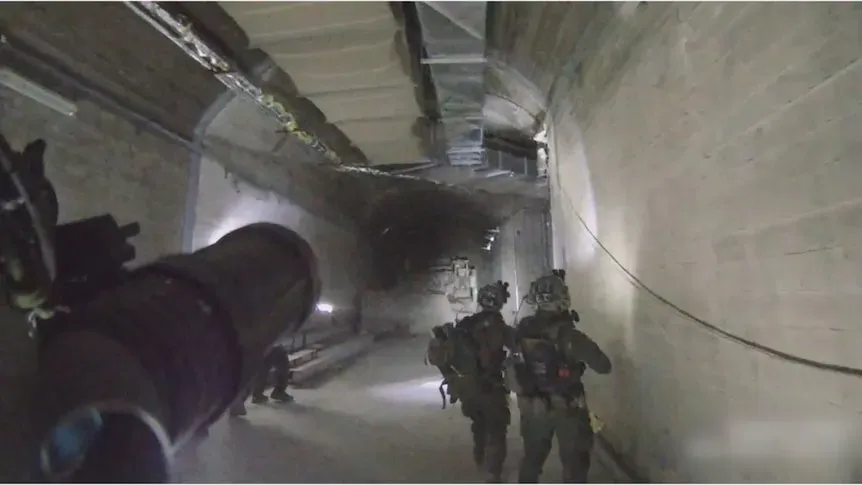
The recent airstrike that targeted an underground arms bunker utilized by the Islamic State demonstrates the importance of strategic intelligence in modern warfare. Such operations underscore the necessity of combining thorough analysis with military action to effectively cripple IS’s capabilities. The bunker, identified through careful intelligence work, represents a critical asset for IS’s logistics and operations, making it a high-priority target for coalition forces.
Engaging such hardened targets poses significant challenges, but the successful strike reflects the advanced capabilities of the RAF Typhoon jets and their precision-guided munitions. The use of Paveway IV guided bombs ensures that the strikes are both effective and minimize the risk of civilian harm, maintaining the operational integrity of coalition missions and enhancing their legitimacy in the eyes of the local populace.
Palmyra Airstrike and Its Implications
The recent airstrike near Palmyra is more than just a tactical operation; it is a symbol of ongoing international efforts to combat terrorism in the region. This ancient city, known for its rich historical significance, has unfortunately been a focal point of conflict due to the presence of IS. By targeting arms caches in this area, coalition forces not only aim to disrupt IS operations but also signal their unwavering commitment to restoring peace and stability.
Additionally, such strikes have broader implications for the geopolitical landscape in Syria. As coalition forces continue to engage with IS assets, they also contribute to a narrative of resilience against extremism. The involvement of nations like the UK and France highlights a united front against threats to global security and emphasizes the importance of international coalitions in addressing complex challenges.
Ongoing Threat of Islamic State in Syria
Despite significant territorial losses, the Islamic State group still poses a considerable threat in Syria and Iraq, with recent estimates suggesting thousands of IS fighters remain active. The coalition’s military strikes aim to weaken IS’s operational capacity and prevent any resurgence, particularly in areas like Palmyra, which have been pivotal in their historical campaign.
The enduring presence of IS emphasizes the importance of sustained military pressure and intelligence sharing among coalition partners. The recent airstrike on the underground arms bunker is a crucial step toward not only dismantling IS’s remaining capabilities but also ensuring long-term regional stability and preventing the flow of foreign militants into Syria.
The Importance of Intelligence in Military Operations
Intelligence plays a fundamental role in the effectiveness of military operations against groups like the Islamic State. The recent strike against the IS arms bunker was based on rigorous intelligence analysis, highlighting the necessity of understanding enemy capabilities and movements. Such intelligence ensures that air strikes are not just reactive but are part of a strategic plan to eliminate terrorist threats proactively.
This reliance on intelligence is vital to the success of the coalition forces’ missions. By gathering data through reconnaissance and employing intelligence assets, military planners can make informed decisions that maximize operational effectiveness while minimizing risks to civilians. The careful planning and execution of the Palmyra strike exemplify the sophistication of modern military engagements.
Coalition Operations and Civilian Safety
As coalition forces continue to engage in military operations against Islamic State targets, ensuring civilian safety remains a top priority. The recent strikes in Syria have demonstrated a commitment to minimizing harm to non-combatants. Reports from the UK Ministry of Defence confirm that there were no civilian casualties from the recent airstrike on the IS arms bunker, underlining the effectiveness of precision-guided munitions.
Such careful considerations are essential for maintaining the legitimacy of military actions in the eyes of both international observers and local populations. By conducting operations that prioritize civilian safety, coalition forces not only mitigate the risks of public backlash but also reinforce their moral stance in the fight against terrorism.
The Legacy of Military Intervention in Syria
The legacy of military intervention in Syria is complex and multifaceted, shaped by various factors including the rise and fall of groups like the Islamic State. The operations conducted by coalition forces, particularly those involving RAF Typhoon jets and other advanced military assets, have played pivotal roles in dismantling IS infrastructure. Ongoing actions against arms caches and militant re-emergence are vital components of this larger narrative.
As the situation in Syria evolves, the international community will need to reflect on the long-term implications of military involvement. While immediate military successes are commendable, the ultimate goal is to foster political stability and recovery for the Syrian people, ensuring that the mistakes of the past do not repeat themselves and setting a foundation for lasting peace.
Frequently Asked Questions
What was the recent strike on the Islamic State arms bunker in Syria about?
The recent strike targeted an underground arms bunker used by the Islamic State (IS) group in Syria. Conducted by UK and French military forces, including RAF Typhoon jets, the operation aimed to eliminate a significant arms cache believed to be located in the mountains north of Palmyra. The strike successfully engaged the target with Paveway IV guided bombs, while ensuring no civilian harm occurred.
How did the UK and France coordinate their military intervention against IS in Syria?
The UK and France coordinated a military intervention in Syria by deploying RAF Typhoon jets alongside French aircraft to conduct joint strikes against Islamic State targets. This collaboration is part of ongoing efforts by coalition forces to combat IS and prevent its resurgence in the region, utilizing precise intelligence to identify and strike vital arms bunkers.
What role did RAF Typhoon jets play in the recent operation against IS in Syria?
RAF Typhoon jets played a critical role in the recent operation against the Islamic State by conducting precise airstrikes on an underground arms bunker. They used Paveway IV guided bombs to effectively engage multiple access tunnels leading to the arms cache. This operation demonstrates the UK’s commitment to fighting IS and supporting international coalition efforts.
What were the implications of the Palmyra airstrike targeting Islamic State bunkers?
The Palmyra airstrike targeting Islamic State bunkers carries significant implications for the ongoing fight against IS in Syria. By successfully striking an important arms cache, coalition forces aim to disrupt IS’s operational capabilities and prevent any resurgence of this terrorist group in the region, which poses threats not only locally but also internationally.
How significant are coalition forces’ strikes in combating IS in Syria?
Coalition forces’ strikes, such as the recent attack on the Islamic State arms bunker in Syria, are crucial in combating IS. These operations, supported by careful intelligence and advanced military technology, are aimed at dismantling IS assets and preventing its re-emergence. As estimates show that IS still has thousands of fighters in the region, effective strikes are essential for maintaining regional stability.
| Key Points |
|---|
| UK and France conduct a joint airstrike using Typhoon jets against an IS arms bunker in Syria. |
| The strike targeted a bunker located in the mountains near Palmyra, identified as a storage site for arms and explosives. |
| The operation was supported by careful intelligence analysis and aimed to prevent any resurgence of IS in the region. |
| No civilian casualties were reported, underscoring the precision of the strike. |
| The RAF has been engaged in ongoing operations against IS since 2014 as part of an international coalition. |
| UN estimates indicate that IS retains 5,000 to 7,000 fighters in Iraq and Syria despite territorial losses. |
| The recent strike reflects UK determination to eliminate IS threats and support allies in the region. |
| The operation was conducted during the holiday season, highlighting the commitment of armed forces to national security. |
Summary
The recent Syria IS arms bunker strike highlights the UK’s commitment to combating the resurgence of the Islamic State. Conducted in coordination with French aircraft, the operation targeted a significant arms cache believed to be crucial for IS operations. This strategic airstrike, executed with precision to avoid civilian casualties, serves to reinforce global efforts to eliminate remaining IS threats and showcases the readiness of coalition forces in maintaining stability in the region.