
Listen to this article
The Swiss ski bar fire on New Year’s Eve sent shockwaves through the community of Crans-Montana, leaving 40 people dead and 116 injured, many of whom were underage. This tragic event has ignited a serious conversation about fire safety regulations in Switzerland, particularly in hospitality establishments. Jacques Moretti, one of the bar’s co-owners, has been detained amidst accusations of manslaughter by negligence and is regarded as a potential flight risk. The bar, Le Constellation, had not undergone a safety inspection in over five years, raising concerns over local regulatory enforcement. As the nation mourns the New Year’s Eve fire victims, there is a collective demand for accountability and thorough investigation into this devastating incident.
The catastrophe at the New Year’s Eve celebration, characterized as a bar blaze in Switzerland, has revealed startling gaps in fire safety protocols within the country’s nightlife scene. The incident at a popular skiing venue in Crans-Montana involved a deadly inferno that claimed numerous lives and left many injured, igniting discussions around regulatory oversight in the hospitality industry. Detention of one of the bar owners, Jacques Moretti, has drawn attention to issues surrounding negligence and potential manslaughter charges under Swiss law. Calls for improved safety measures have intensified following revelations that the establishment had not been inspected for years. This tragedy has prompted a nationwide reflection on ensuring safety standards to protect patrons from such horrific disasters in the future.
Tragic Events at the Swiss Ski Bar
The New Year’s Eve fire at Le Constellation, a ski bar in Crans-Montana, resulted in one of the most devastating tragedies in Swiss history, with 40 lives lost and 116 individuals injured. Many victims were young people celebrating the start of a new year, making the incident all the more heart-wrenching. As reports emerged about the potential ignition source, which involved sparklers attached to champagne bottles, it became clear that safety protocols had tragically failed at this popular venue.
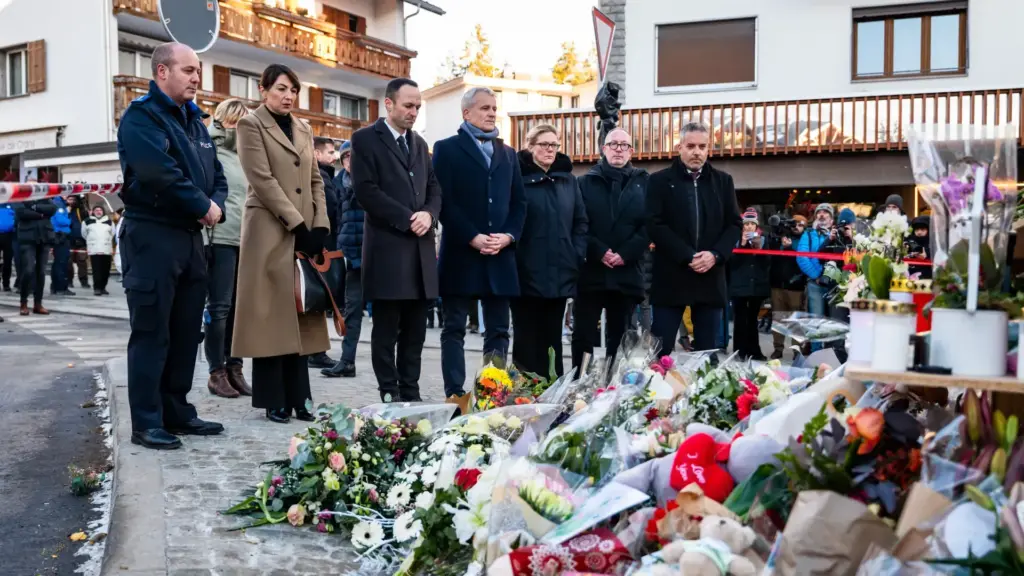
In the immediate aftermath of the fire, there was an overwhelming response from the community. Switzerland observed a national day of mourning, highlighting the profound impact of the tragedy on families and the nation as a whole. Public transit services halted, church bells tolled, and tributes poured in from across the country, emphasizing the collective sorrow felt for the victims and their loved ones.
Fire Safety Regulations in Switzerland: A Critical Examination
The Crans-Montana bar tragedy has sparked intense discussions regarding fire safety regulations in Switzerland. The revelation that Le Constellation had not undergone safety inspections for five years has raised serious concerns among lawmakers and the public. Fire safety regulations are established to protect patrons and prevent incidents like this from occurring, but they must be rigorously enforced to be effective. The lax oversight surrounding this tragic event underscores a significant gap in public safety management.
As local authorities face scrutiny, Mayor Nicolas Feraud acknowledged the negligence regarding inspections and promised to implement stricter measures moving forward. Initiatives such as banning sparklers in bar environments have emerged as immediate responses to the tragedy. However, there is a growing call for a comprehensive review of fire safety regulations across all public venues in Switzerland to ensure that no establishment becomes a future hazard.
Legal Ramifications: Jacques Moretti’s Detention
Following the fire, Jacques Moretti, one of the co-owners of Le Constellation, was taken into custody on suspicion of manslaughter by negligence. His detention raises significant questions about accountability in the wake of the disaster. Under Swiss law, individuals under investigation can be held until a court decision is reached, allowing for careful examination of potential negligence. The outcome of this legal battle will likely have lasting repercussions on the hospitality industry in Switzerland.
The investigation into Moretti and his wife, who also co-owns the bar, emphasizes the serious nature of their alleged negligence. Statements made by the couple indicate their willingness to cooperate fully with authorities, but many remain skeptical of how justice will be served. This case has become a focal point for discussions about the broader implications of negligence laws in Switzerland, potentially leading to tougher penalties for similar offenses in the future.
Investigation Developments Amidst Public Mourning
As the investigation into the causes of the New Year’s Eve fire progresses, the community of Crans-Montana has united in mourning. Local representatives, including Romain Jordan, have expressed their outrage over the lack of timely safety checks and the devastating toll it has taken on families. This tragic incident has placed historical evidence of negligence into the spotlight, prompting inevitable questions regarding accountability and safety protocols across all venues.
The support for the victims, particularly the young individuals affected by this devastating blaze, has led to calls for systemic changes in fire safety compliance and enforcement. The pain of the grieving families reverberates as they seek justice not only for their loved ones but also in the name of preventing such calamities in the future. Community solidarity has manifested in various forms, with public vigils and tributes honoring the memory of those lost.
A Closer Look: The Victims of the Fire
The tragedy at Le Constellation struck hard, claiming lives indiscriminately, including children and teens eager to celebrate. Among the deceased, eight individuals were under the age of 16, highlighting not only the loss of lives but also the dreams and futures cut short. Families now face the horrific weight of loss, grappling with unfulfilled potential and the grief that accompanies such a heartbreaking event.
In addition to the fatalities, many survivors are now dealing with the long-term physical and psychological effects of their injuries. Hospitals in Switzerland and neighboring countries have received numerous casualties with severe burns, and the path to recovery will be long for many. Funerals for victims have begun, marking a somber moment for the community as they lay their loved ones to rest in dignity and sorrow.
Community Reactions to the Tragedy
The response from the Crans-Montana community and the wider Swiss populace after the fire has been overwhelmingly supportive. Public tributes and moments of silence organized across the nation highlight the communal grief experienced by those touched by the tragedy. From dedicated memorial services to calls for action regarding fire safety, community members are rallying together to honor the memory of those who were lost.
Community leaders and citizens alike have expressed their determination to ensure that such an event never happens again. Vigil initiatives have emerged, demonstrating the strength of communal bonds during times of adversity. The hope is that through collective action and advocacy for improved fire safety regulations in Switzerland, the victims’ memories will serve as a powerful catalyst for change.
Fire Safety Education: A Crucial Need
In light of the horrific events at Le Constellation, there is a pressing need for enhanced fire safety education not just within the industry but among the general public as well. Understanding basic fire safety measures can mitigate potential hazards and can even save lives. From proper use of sparklers to knowing evacuation routes, every patron should be aware of how to stay safe in public venues.
Local governments could implement educational programs to better inform both establishment operators and patrons about fire risks and safety regulations. A comprehensive approach involving safety drills and clear communication regarding emergency procedures could significantly improve outcomes in the event of a fire. The community’s response to this tragedy could pave the way for vital educational initiatives aimed at preventing similar disasters.
Changes in Legislation Post-Tragedy
In the wake of the New Year’s Eve fire, there has been increasing pressure on Swiss lawmakers to enact stronger legislation concerning fire safety in public venues. As investigations reveal troubling lapses in safety inspections at places like Le Constellation, advocates call for reforms that enhance accountability and oversight of the hospitality industry. There is a shared belief that the incident could serve as a critical turning point in how fire safety regulations are prioritized in Switzerland.
Legislation changes may include mandatory fire inspections at regular intervals, stricter penalties for non-compliance, and thorough background checks for bar owners and operators. With public safety on the line, the urgency for reform has never felt more pressing. The hope is to create an environment where tragedies like this become preventable and existing laws evolve to better protect citizens.
The Role of Media in Reporting Tragedies
Media plays an undeniable role in shaping the narrative surrounding tragic events, such as the fire at Le Constellation. Through coverage of the incident, journalists provide crucial information about the ongoing investigations, community responses, and legislative implications. However, the media must also navigate the delicate balance of reporting while being sensitive to the victims’ families and the profound grief they experience.
Thorough and compassionate reporting can raise public awareness about fire safety regulations and engage citizens in discussions about reforms. This coverage might also offer a platform for survivors and families to share their stories, fostering empathy and unity within the community. By effectively highlighting the impact of the tragedy, the media can contribute to a proactive approach in implementing preventive measures moving forward.
Frequently Asked Questions
What sparked the Swiss ski bar fire in Crans-Montana?
The Swiss ski bar fire at Le Constellation, which tragically claimed 40 lives on New Year’s Eve, is believed to have ignited when celebrants raised champagne bottles with sparklers attached, igniting the sound-insulating foam on the ceiling of the bar.
What were the consequences of the Crans-Montana bar tragedy for the owners?
Following the Crans-Montana bar tragedy, co-owner Jacques Moretti was detained as a potential flight risk under accusations of manslaughter by negligence, bodily harm by negligence, and arson by negligence. His detention is part of a broader investigation by Swiss prosecutors.
How often should fire safety regulations be enforced in Switzerland, particularly in bars like the Swiss ski bar?
Fire safety regulations in Switzerland require regular inspections, ideally annually. The Crans-Montana bar had gone five years without an inspection, raising critical concerns about compliance with safety regulations and the implications for establishment owners.
What actions did local authorities take after the Swiss ski bar fire incident?
In response to the Swiss ski bar fire incident, local authorities in Crans-Montana admitted oversight regarding safety inspections. The mayor announced a ban on sparklers in local venues and emphasized the need for improved oversight to ensure the safety of patrons.
How has the community reacted to the New Year’s Eve fire victims in Crans-Montana?
The community of Crans-Montana has reacted with deep sorrow and disbelief following the tragedy. A national day of mourning was observed, and local tributes included a standing ovation for firefighters during a local commemoration, highlighting the community’s solidarity with the victims’ families.
What potential legal repercussions could Jacques Moretti face regarding the Swiss ski bar fire?
Jacques Moretti could face serious legal repercussions including charges of manslaughter by negligence and arson by negligence after the Swiss ski bar fire that resulted in numerous deaths and injuries. The investigation continues, and he remains detained until further legal proceedings.
What steps are being taken to ensure fire safety after the Crans-Montana bar tragedy?
In the wake of the tragedy at the Crans-Montana bar, officials are reviewing fire safety regulations and inspection protocols. The mayor has mentioned increased scrutiny and the immediate ban of sparklers in local venues as part of efforts to prevent such incidents in the future.
Who are the victims of the New Year’s Eve fire in the Swiss ski bar, and what support is being offered?
The victims of the New Year’s Eve fire included young individuals, with many under 20 years old. Support for victims’ families is ongoing, with various forms of assistance being organized by local authorities and community members to help those affected by this tragedy.
| Key Point | Details |
|---|---|
| Owner’s Detention | Jacques Moretti, co-owner of the bar, held as a potential flight risk. |
| Victims and Injuries | 40 people died and 116 were injured, many under 20 years old. |
| Safety Inspections | The bar had not undergone safety checks in five years. |
| Criminal Investigation | Moretti and his wife face charges including manslaughter by negligence. |
| Circumstances of the Fire | The fire was reportedly ignited by sparklers attached to champagne bottles. |
| Community Response | A national day of mourning was observed, with a minute of silence. |
| Local Government Accountability | Mayor acknowledged oversights in inspections and pledged to accept responsibility. |
| Banned Items | Sparklers will be banned in local venues following the incident. |
| Tragic Impact | The community is in mourning, especially with the loss of young victims. |
Summary
The Swiss ski bar fire has resulted in a profound tragedy, with the owner now in custody as investigations continue. The incident has raised serious concerns over safety regulations and the lack of inspections, contributing to a national moment of mourning for the victims. As the community of Crans-Montana grapples with this loss, the focus remains on ensuring accountability and preventing similar tragedies in the future.

