
Listen to this article
For those navigating the world of UK vegetables, the ongoing debate about swede vs turnip can be perplexing. These two root vegetables, often confused for one another, carry distinct characteristics that set them apart. While the swede, known for its vibrant yellow-orange flesh and earthy flavor, is a staple in many British kitchens, the turnip presents a milder taste with its creamy white exterior. Depending on where you live in the UK, the names of these vegetables might even switch places, adding to the confusion. Understanding the differences between swede and turnip not only helps with cooking and gardening but also enriches your knowledge of vegetable names and cultivars cherished in British cuisine.
When it comes to the discussion of root veggies, the terms “rutabaga” and “turnip” also come into play, showcasing the linguistic diversity surrounding these crops. The swede, often referred to as rutabaga in some regions, is a larger, sweeter counterpart to the more commonly known turnip, which boasts a sharper taste and a smaller size. This culinary confusion is not uncommon, especially considering that these vegetables have numerous varieties and regional names that may vary widely. Both of these vegetables are frequently featured in classic British dishes, yet it’s important to recognize their unique qualities for proper preparation and cooking. By exploring the nuances of these two popular vegetables, one can enhance their culinary repertoire and appreciate the rich heritage of UK vegetables.
Understanding Swedes and Turnips: Definitions and Differences
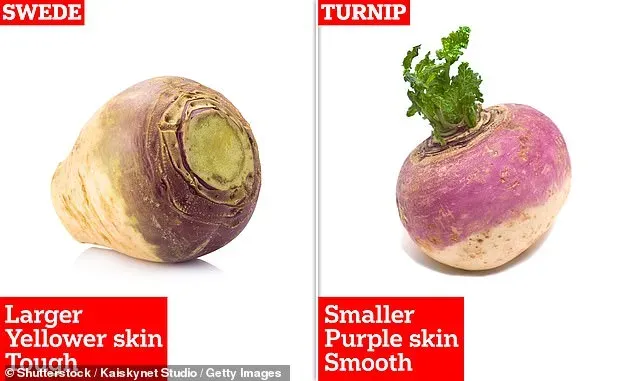
When discussing root vegetables, many people often find themselves confused between swedes and turnips. In the UK, these vegetables have very distinct appearances and textures, even though they belong to the same family. The swede, which is also known as rutabaga, typically has a yellow-orange flesh with a smooth, purple and yellow outer skin. On the contrary, the turnip is characterized by its white flesh and a thinner, pale-colored skin. This confusion is compounded by regional naming differences; for instance, in certain areas, a turnip might refer to what others call a swede, and vice versa.
Culinary uses also differ significantly between these two vegetables. Swedes are often roasted or mashed and can serve as a rich, flavorful side dish in hearty meals. Meanwhile, turnips tend to have a sharper, tangier flavor and are more commonly used in soups and stews. Understanding these differences in characteristics not only helps in cooking but also aids in appreciating the diversity within UK vegetables, enhancing our culinary experience.
Culinary Applications of Swedes and Turnips
In the kitchen, the versatility of both swedes and turnips makes them a staple in various seasonal dishes. Swedes are renowned for their ability to absorb flavors well, making them perfect for stews and casseroles. Their sweetness complements rich meats, and they are often used in traditional dishes such as haggis or as a comforting mash. Furthermore, swedes can also be roasted to caramelize their natural sugars, adding a delightful dimension to any meal.
On the other hand, turnips are favored for their slightly bitter, earthy flavor, which works beautifully in savory pies and grilled dishes. When pickled, turnips can add a zesty crunch to salads and cold plates. Chefs often highlight the turnip’s fierce taste by simply steaming them to retain their vibrant color and earthy notes. Understanding how to enhance the natural flavors of these root vegetables can elevate home-cooking experiences.
Swede vs Turnip: Regional Naming Confusion
The debate over swede vs turnip highlights the regional language differences across the UK. In the North of England, large yellow-fleshed root vegetables are often referred to as turnips, while the smaller, purple-skinned varieties are called swedes. Conversely, in the South, it’s common knowledge that swedes are the larger, sweeter counterparts, and turnips are the smaller, sharper-tasting ones. This linguistic variation can lead to misunderstandings when discussing recipes or shopping for ingredients.
Many individuals are bewildered by this terminology clash, which may stem from historical agricultural practices and cultural exchanges. People moving between regions may find themselves adjusting to entirely new vegetable names, adding a layer of confusion to an already complex topic. As more people become aware of these differences through cooking shows and seasonal produce guides, better education on vegetable names can lead to clearer communication and culinary experiences.
Nutritional Benefits of Swedes and Turnips
Both swedes and turnips are packed with nutrients and offer various health benefits, making them excellent choices for anyone looking to enhance their diet. Swedes are particularly high in vitamins C and E, while also providing a good supply of dietary fiber. This combination not only helps in boosting the immune system but also aids in digestion, making swedes a popular choice for healthy recipes. The presence of antioxidants in swedes contributes to overall health improvement, providing protective effects against cellular damage.
Turnips, on the other hand, are low in calories and high in fiber, making them a fantastic option for weight management. They also contain essential nutrients like potassium, which is crucial for heart health. Including turnips in your diet may also lower blood pressure levels and improve cardiovascular health. Both of these UK vegetables are therefore a powerful addition to any balanced diet.
Growing Swedes and Turnips: Gardening Tips
For those interested in growing their own vegetables, swedes and turnips can be both rewarding and straightforward to cultivate. These hardy root vegetables thrive in cooler climates, and they can be sown directly into the ground as early as spring or late summer for a fall harvest. Proper soil preparation is key; incorporating compost can improve soil structure and nutrient levels, enabling better growth of these UK vegetables. Regular watering, especially during dry spells, is vital to ensure robust development.
Pest control is also crucial when gardening swedes and turnips. Keeping an eye out for common pests such as aphids and root maggots can help preserve crop health. Using companion planting techniques, such as growing them alongside strong-scented herbs, can deter these pests naturally. By focusing on organic gardening methods, enthusiasts can enjoy a fruitful harvest of these nutritious vegetables.
Exploring Unique Varieties of Swedes and Turnips
While swedes and turnips are commonly recognized, it’s important to explore the unique varieties that can add depth and diversity to your vegetable repertoire. Among swedes, varieties such as ‘Laurentian’ and ‘Purple Top’ are popular for their sweet flavors and robust textures. These varieties are usually larger and provide excellent yields, making them favorite choices for gardeners and chefs alike. Additionally, swedes can also differ in color, flesh texture, and sweetness, making them versatile for various culinary applications.
Turnips come in just as many variations, with options like ‘Hakurei’ and ‘Purple Top White Globe’ praised for their distinct flavors. The ‘Hakurei’ turnip is known for its crisp and tender texture, ideal for fresh salads, whereas ‘Purple Top White Globe’ offers a traditional flavor that is perfect for stews and roasting. Exploring these different types can enrich one’s cooking experience and introduce exciting flavors to daily meals.
Swedes and Turnips in Popular Culture
Swedes and turnips have found a traditional place in popular culture, particularly within historical and literary contexts. In classic British literature, these vegetables often represent homegrown values and agrarian life. They appear in tales where the simplicity of rural living showcases the importance of cultivating and appreciating what the land offers. For instance, in many regional folktales, the humble turnip is often depicted as a symbol of comfort and sustenance for families.
Furthermore, swedes and turnips should not be overlooked in contemporary culinary shows and health documentaries, where they are frequently featured as quintessential ingredients in balanced diets. Many chefs promote these vegetables due to their nutritional benefits and versatility—reinforcing their cultural significance. This rise in popularity demonstrates how embracing local vegetables can contribute to healthier eating habits and sustainable farming practices.
The Economic Impact of Swedes and Turnips in Agriculture
The cultivation of swedes and turnips plays a significant role in the UK agricultural landscape. Both of these cash crops not only contribute to the local economy but also support a myriad of jobs in farming and distribution sectors. As demand for these vegetables continues to grow, consumers are increasingly seeking out locally sourced produce, thereby boosting the agricultural economy. Farmers are recognizing the profitability of these crops, especially with a rising trend towards home cooking and healthy eating.
Moreover, investing in the cultivation of swedes and turnips can lead to more sustainable farming practices, enhancing soil health and reducing environmental impact. These root vegetables are typically low-maintenance and can thrive in varying soil conditions, making them ideal for eco-friendly farming techniques. As consumers become more environmentally conscious, the economic viability of these crops potentially opens the doors for innovative agricultural practices that respect and protect our natural resources.
Swedish Culture: The Role of Swedes in Traditional Cuisine
In Sweden, swedes hold a prominent place in traditional cuisine, often being celebrated during seasonal festivities. Known as ‘rutabaga’ in Swedish culture, this vegetable is a staple in many Swedish dishes, particularly during winter months, where it brings warmth and comfort. One well-known dish is ‘rotmos’, a creamy mash that combines swedes with potatoes, often served with hearty meats. This comfort food reflects the importance of swedes in the Swedish diet, highlighting the vegetable’s versatility and traditional value.
Additionally, swedes are featured in various folk recipes passed down through generations, showcasing their deep-rooted history in Swedish culture. Local markets during harvest seasons brim with fresh swedes, creating a vibrant community spirit as individuals come together to celebrate their agricultural heritage. The strong ties between swedes and local customs reinforce their significance beyond mere sustenance, illustrating the pride in Swedish agricultural products.
Frequently Asked Questions
What is the difference between a swede and a turnip?
The swede and turnip are both root vegetables but differ in size, taste, and appearance. Swedes, also called rutabagas, are larger with a yellowish flesh and a purple top, while turnips are smaller with white or cream flesh and a slightly peppery taste. In the UK, the terms can vary regionally, which can cause confusion.
Are swedes and turnips used interchangeably in recipes?
While swedes and turnips can sometimes be used interchangeably in recipes, they have distinct flavors and textures. Swedes are sweeter and creamier, making them better suited for soups and mashes, whereas turnips offer a sharper taste, ideal for roasting or as a side dish.
How do the nutritional values compare between swede vs turnip?
Both swede and turnip are low-calorie vegetables rich in fiber, vitamins, and minerals. Swedes have higher calories and carbohydrates due to their starch content, while turnips are lower in calories but provide a good source of vitamin C. Including both can offer a variety of nutrients in your diet.
Can swede and turnip be planted together in a vegetable garden?
Yes, swede and turnip can be planted together, as they grow well in similar conditions. However, it’s essential to consider their growth habits, spacing, and harvest times to ensure they don’t compete for resources, resulting in a healthier crop.
What are some popular dishes that feature swedes and turnips?
Popular dishes that highlight swedes include swede mash, swede soup, and roasted swede wedges. For turnips, traditional recipes feature turnip gratin, turnip greens salads, and pickled turnips, showcasing the unique flavors of each vegetable.
Where can I find swedes and turnips in the UK?
In the UK, swedes and turnips are commonly available in supermarkets, farmer’s markets, and local grocery stores, especially during the autumn and winter months when they are in season. They are often found in the root vegetable section.
Why is there confusion about swede versus turnip names in the UK?
Confusion about swede versus turnip names in the UK stems from regional variations in terminology. In some parts of the UK, a ‘turnip’ may refer to what others call a ‘swede’ and vice versa, leading to misunderstandings among consumers and cooks.
What are the cooking methods for swede and turnip?
Swede and turnip can be prepared through various cooking methods such as boiling, steaming, roasting, or mashing. Swedes are excellent for creamy mashes, while turnips add flavor to stews and casseroles. Ensure to peel and chop them before cooking for best results.
How can I store swedes and turnips to prolong freshness?
To prolong freshness, store swedes and turnips in a cool, dark, and dry place, such as a pantry or cellar. Avoid washing them until you are ready to use them, as excess moisture can lead to spoilage.
What are the best ways to incorporate swedes and turnips into my diet?
Incorporate swedes and turnips into your diet by adding them to soups, stews, and casseroles, creating mashes, or roasting them with other root vegetables. You can also explore salads featuring turnip greens or serve them as a side dish for a nutritious boost.
| Key Point | Details |
|---|---|
| Turnip and Swede Confusion | The naming of turnips and swedes varies by region, leading to confusion among people. |
| Cultural Differences | In Sunderland, the large round orange-fleshed vegetable is called a turnip, while Londoners call it a swede. |
| Public Engagement | Letters section allows readers to share their opinions on topics, such as vegetable nomenclature. |
Summary
The debate over swede vs turnip often leaves many puzzled, especially when regional names differ. While some may consider the orange-fleshed vegetable a turnip, others in London refer to it as a swede, leading to confusion. Understanding the distinction can enhance our appreciation of these root vegetables and their place in culinary traditions. Consequently, it’s essential to clarify the terms in the context of conversation and gardening.