
Listen to this article
In today’s rapidly changing world, adopting sustainable practices has become essential for businesses aiming to thrive while protecting the environment. By integrating eco-friendly practices into their operations, companies not only demonstrate a commitment to environmental sustainability but also engage a growing demographic of conscious consumers. Companies that go green enhance their brand image, often finding that sustainability initiatives lead to improved customer loyalty and operational efficiency. Moreover, making the transition to business sustainability frequently results in significant cost savings, as reducing the carbon footprint and waste can dramatically lower operational expenses. As we explore the importance and benefits of sustainable practices, it becomes clear that this is not just a trend, but a vital strategy for long-term success.
Embracing environmentally responsible business strategies is crucial in the contemporary landscape. Organizations committed to green initiatives, often referred to as eco-friendly businesses, prioritize practices that not only minimize environmental impact but also foster a culture of sustainability within their workforce. These sustainability initiatives can manifest as efforts to reduce waste, optimize resource management, and implement energy-efficient solutions. As the demand for responsible practices grows, businesses focusing on such initiatives will likely find themselves at the forefront of innovation, gaining competitive advantages over their less eco-conscious counterparts. Moving towards environmentally sustainable operations is not merely an obligation; it represents a proactive approach to fostering a healthier planet and a more responsible future.
The Role of Sustainable Practices in Business Strategy
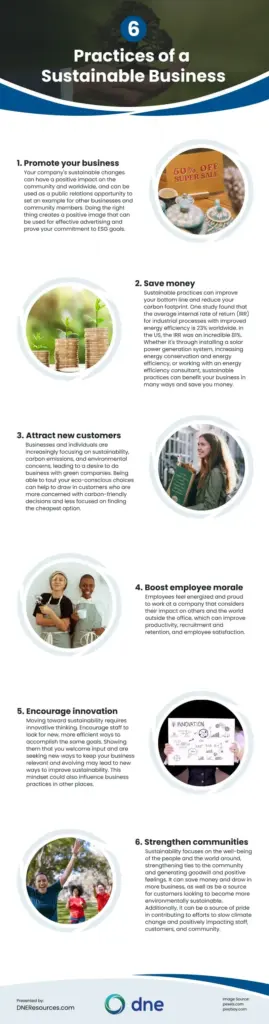
Incorporating sustainable practices into your business strategy is no longer a trend but a fundamental shift in how companies operate. By making sustainability a core part of your operations, you signal commitment not just to higher profits, but to the planet and community. This strategic approach attracts customers who value eco-friendly brands and creates a foundation for long-term success in an increasingly environmentally conscious market.
Moreover, a business strategy rooted in sustainability can lead to innovative business models. Companies embracing sustainability often find new opportunities for growth, from eco-friendly product lines to partnerships with other green organizations. As the demand for sustainable products rises, being a front-runner in eco-friendly initiatives signals to stakeholders that your business is future-ready and socially responsible.
Frequently Asked Questions
What are the main reasons for a business to adopt sustainable practices?
Adopting sustainable practices helps businesses meet consumer expectations, generate cost savings through reduced resource use, enhance brand reputation, comply with regulations, attract top talent, and foster innovation.
How can businesses reduce their carbon footprint through eco-friendly practices?
Businesses can reduce their carbon footprint by implementing energy-efficient technologies, optimizing supply chains, reducing waste, sourcing sustainable materials, and offsetting emissions through initiatives like reforestation.
What steps can companies take to create a sustainable business plan?
To create a sustainable business plan, companies should conduct a sustainability assessment, set measurable goals for reducing carbon emissions and waste, engage employees in sustainability initiatives, and establish metrics to track progress.
Why is employee engagement important in sustainability initiatives?
Engaging employees in sustainability initiatives fosters a culture of responsibility, encourages innovation, harnesses valuable input for developing strategies, and boosts morale while aligning personal values with the company’s eco-friendly practices.
What are some effective waste reduction strategies for businesses going green?
Effective waste reduction strategies include implementing recycling programs, encouraging a paperless environment through digital documentation, and optimizing supply chain processes to minimize excess waste.
How do sustainability initiatives benefit a company’s brand image?
Sustainability initiatives enhance a company’s brand image by demonstrating social responsibility and appealing to environmentally conscious consumers, leading to increased loyalty and differentiation in a competitive market.
What role do energy-efficient technologies play in business sustainability?
Energy-efficient technologies play a crucial role in business sustainability by reducing energy consumption and operational costs, which not only contributes to environmental goals but also improves overall profitability.
| Key Point | Description |
|---|---|
| Meet Consumer Expectations | 66% of consumers are willing to pay more for sustainable brands, enhancing customer loyalty. |
Summary
Sustainable practices are crucial for modern businesses to thrive. As environmental concerns grow, companies must adapt by embracing eco-friendly operations. This not only meets consumer expectations but also leads to cost savings and boosts brand reputation. By implementing sustainability assessments, engaging employees, and investing in green technologies, businesses can pave their way towards a greener future. Each step taken in adopting sustainable practices contributes positively not just to the organization, but also to the global community, proving that every effort counts.

