Listen to this article
Sustainable practices are becoming a cornerstone of modern business, as organizations worldwide strive to make a positive impact on the environment while enhancing their profitability. By incorporating eco-friendly business practices, companies can attract a growing demographic of conscious consumers who value sustainability. Not only does this shift lead to enhanced brand loyalty, but it also aligns with the principles of business sustainability and responsible stewardship. From implementing green business practices to fostering a culture of sustainability within teams, the benefits are clear and compelling. In this blog post, we’ll delve into actionable sustainable practices that can elevate your business to new heights and contribute to a healthier planet.
As we navigate the evolving landscape of commerce, integrating environmentally friendly practices into business operations has never been more crucial. Known variously as eco-conscious strategies or green initiatives, these methods prioritize resource conservation while driving productivity. By embracing these forward-thinking approaches, companies position themselves as leaders in sustainability and social responsibility, reaping both economic benefits and goodwill from their communities. In this discussion, we’ll explore innovative tactics to enhance corporate sustainability, showcasing how businesses can harmonize profitability with ecological mindfulness.
What Are Sustainable Practices in Business?
Sustainable practices in business encompass a variety of strategies and actions that prioritize environmental health alongside profitability. By implementing methods that are not only eco-friendly but also economically viable, businesses can significantly reduce their impact on the planet. For instance, utilizing biodegradable materials in packaging or reducing resource consumption through improved operational efficiencies exemplifies how companies can adopt a model that supports both their bottom line and the environment.
Moreover, the integration of sustainability into the core of business operations fosters a culture of responsibility where employees and stakeholders alike are invested in promoting eco-friendly initiatives. This can manifest in ways such as choosing renewable energy sources, engaging in community outreach programs, and adopting transparent reporting practices on sustainability goals. When sustainable practices are well communicated and effectively executed, they not only attract environmentally conscious consumers but also generate positive brand loyalty.
The Impact of Eco-Friendly Business Practices
Implementing eco-friendly business practices creates a positive ripple effect that extends far beyond the walls of the organization. By shifting towards practices such as waste minimization, energy efficiency, and sustainable sourcing, companies can drastically cut down their carbon footprint. This not only complies with regulations but also establishes the company as a forward-thinking leader in sustainability, which can improve public relations and brand perception.
Furthermore, eco-friendly initiatives can enhance employee engagement and attract talent who values corporate responsibility. A workplace emphasizing sustainability tends to cultivate a sense of pride and purpose among its employees, leading to increased productivity and lower turnover rates. Businesses that prioritize eco-friendly practices are not simply participating in a trend; they are investing in long-term benefits that foster loyalty and create significant cost savings.
Green Business Practices as Profit Drivers
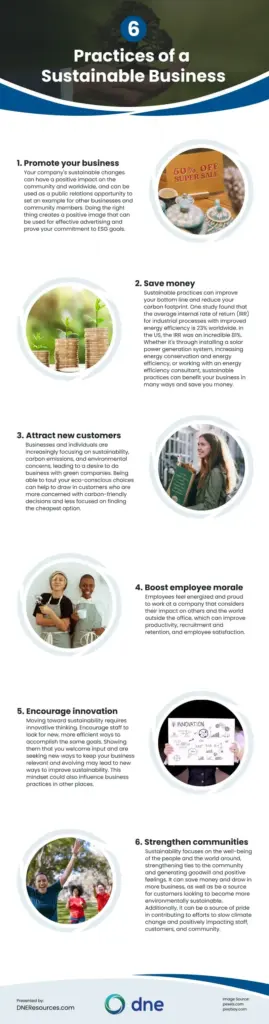
Contrary to the misconception that sustainable practices are typically more expensive, many green business practices can lead to significant cost reductions and profit enhancement. For instance, businesses that implement energy-saving technologies, such as LED lighting and smart electric meters, often see a substantial decrease in utility bills. Additionally, by reducing waste through efficient resource management, companies can cut costs associated with material disposal and procurement.
Moreover, the modern consumer increasingly prefers purchasing from brands that commit to sustainable operations. This has led to a surge in demand for products that are produced responsibly, presenting businesses an opportunity to increase their market share. By integrating sustainable practices into their operational framework, companies not only fulfill their ethical obligations but also unlock new avenues for profitability.
Building a Sustainable Supply Chain
Creating a sustainable supply chain requires a proactive approach to evaluating suppliers and their practices. Businesses must ensure that their suppliers adhere to environmentally friendly standards and ethical labor practices. By prioritizing local sources and partnering with companies committed to sustainability, businesses can significantly reduce transportation emissions and contribute positively to their local economies.
Additionally, a sustainable supply chain nurtures resilience and encourages innovation among suppliers. It establishes a collaborative network that supports continuous improvement, efficiency, and accountability across the supply chain. Engaging in sustainable sourcing not only mitigates risks associated with climate change but also strengthens partnerships and enhances brand reputation as a leader in sustainability.
Implementing Waste Reduction Strategies
Waste reduction strategies are pivotal for businesses aiming to enhance sustainability while optimizing their operational efficiencies. Simple measures like establishing robust recycling programs and transitioning from paper to digital operations not only minimize waste generation but also lower costs that come with waste management. Moreover, promoting a culture of sustainability among employees fosters engagement and innovation in finding reduction techniques.
Businesses can further take significant strides by investing in composting and other waste diversion strategies. For instance, restaurants that compost organic waste can see a reduction in landfill use while simultaneously contributing to soil health. These practices not only benefit the environment but also resonate with increasingly eco-conscious consumers who prefer to spend their money with companies prioritizing effective waste management.
Water Conservation: A Key Sustainability Metric
Water conservation is an integral part of sustainability in business, addressing one of the most critical resources on the planet. By implementing measures such as low-flow fixtures and water recycling systems, businesses can significantly reduce their water consumption and lower utility expenses. This not only enhances sustainability metrics but also demonstrates corporate responsibility in water stewardship.
Additionally, tracking and managing water usage through established policies empowers businesses to set clear conservation goals. This not only aids in compliance with local regulations but can also boost a company’s reputation among stakeholders. Consumers increasingly favor brands that are proactive about their environmental impact, particularly in water conservation, making it a crucial element of green business practices.
Communicating Sustainability Commitments to Stakeholders
Effective communication of sustainability commitments is essential for businesses to build trust and loyalty among customers, employees, and investors. By transparently sharing sustainability goals, progress, and achievements through various channels—such as social media, company newsletters, and annual reports—companies can engage their stakeholders in meaningful conversations about their environmental impact.
Moreover, storytelling plays a vital role in conveying the significance of sustainable practices. By illustrating real-life examples of how their initiatives contribute to environmental and social goals, businesses can create a deeper connection with their audience. This connection not only enhances brand loyalty but also invites collaboration and advocacy, as stakeholders become ambassadors for the brand’s commitment to sustainability.
Frequently Asked Questions
What are effective sustainable practices for businesses?
Effective sustainable practices for businesses include energy efficiency measures (like LED lighting), sustainable sourcing of materials, waste reduction strategies (such as recycling and composting), water conservation efforts, and promoting green transportation options. Implementing these eco-friendly business practices can enhance overall profitability and improve brand loyalty.
How do sustainable practices impact business profitability?
Sustainable practices contribute to business profitability by lowering operational costs, such as energy and waste disposal expenses, attracting eco-conscious customers, and fostering employee engagement. By embracing sustainability in business, companies can create a competitive advantage and improve their long-term financial performance.
What is the importance of sustainable sourcing in business sustainability?
Sustainable sourcing is crucial for business sustainability as it ensures that products are obtained from environmentally and socially responsible suppliers. By prioritizing local and certified vendors, companies can reduce their carbon footprint, support ethical practices, and enhance their brand’s reputation in the market.
How can businesses measure the impact of their sustainable practices?
Businesses can measure the impact of their sustainable practices through key performance indicators (KPIs) such as energy consumption, waste reduction rates, and employee engagement levels. Regularly tracking these metrics allows for effective assessment and refinement of sustainability strategies.
What are some examples of environmentally friendly practices in the workplace?
Examples of environmentally friendly practices in the workplace include setting up recycling programs, transitioning to digital documentation to reduce paper use, installing energy-efficient devices, and promoting sustainable transportation methods, such as bike-friendly policies or EV charging stations.
How do sustainable practices contribute to corporate social responsibility (CSR)?
Sustainable practices are integral to corporate social responsibility (CSR) as they demonstrate a company’s commitment to ethical environmental stewardship. Engaging in eco-friendly initiatives, such as local community clean-up events, promotes sustainability and supports reputation building while enhancing stakeholder trust.
What are the long-term benefits of adopting sustainable business practices?
Long-term benefits of adopting sustainable business practices include enhanced brand loyalty, improved operational efficiencies, a positive company culture, reduced regulatory risks, and increased market competitiveness. By prioritizing green business practices, companies can future-proof their operations while fostering a healthier planet.
| Key Points | Details |
|---|---|
| Understanding Sustainability in Business | Sustainability involves meeting present needs without compromising future generations. It balances economic goals with social and environmental concerns. |
| Benefits of Sustainable Practices | Cost savings, customer attraction, regulatory compliance, and enhanced employee engagement. |
| Sustainable Practices to Implement | 1. Energy Efficiency: Lower energy consumption and costs. 2. Sustainable Sourcing: Responsible supply chains. 3. Waste Reduction: Recycling and composting. 4. Water Conservation: Using low-flow devices. 5. Green Transportation: Promote sustainable employee transport. |
| Measuring Impact | Regularly measure sustainability effectiveness using KPIs and set clear goals. |
| Communicating Commitment | Share sustainability goals and achievements through transparency with stakeholders. |
Summary
Sustainable practices are essential for modern businesses seeking to thrive in an environmentally-conscious market. By embracing these practices, companies not only contribute to the well-being of our planet but also enhance their profitability and brand image. Engaging with eco-friendly initiatives, from energy efficiency to sustainable sourcing, allows businesses to attract and retain customers while ensuring compliance with regulations. Ultimately, the conversation around sustainable practices is not just beneficial; it’s imperative for a resilient and successful future in business. Let’s continue to seek innovative solutions together!