
Listen to this article
Sustainable business practices are rapidly transforming the landscape of modern commerce, reflecting a growing recognition of the need for corporate responsibility. Companies adopting these strategies are not just doing their part for the planet; they are reaping substantial benefits of sustainability, boosting their reputations and appealing to eco-conscious consumers. By integrating green business strategies into their operations, businesses can reduce waste, utilize renewable resources, and significantly lower their carbon footprints. This commitment to eco-friendly practices resonates deeply with today’s consumers, who increasingly prefer brands that demonstrate a strong commitment to sustainable development. In this blog post, we will delve into the importance of sustainable business practices, the myriad benefits they offer, and provide actionable steps for implementation.
In an era where environmental awareness is at an all-time high, the adoption of eco-conscious business strategies has become essential for growth and success. Organizations are now focusing on implementing green initiatives that not only preserve natural resources but also fulfill their corporate social responsibility. Such ethical practices encompass everything from sustainable sourcing and energy-efficient operations to engaging in social equity initiatives. By fostering a culture of sustainability, businesses can cultivate innovation while ensuring compliance with modern regulatory demands. Join us as we explore how these impactful approaches can pave the way for a more sustainable and prosperous future for both businesses and the planet.
Understanding the Benefits of Sustainability
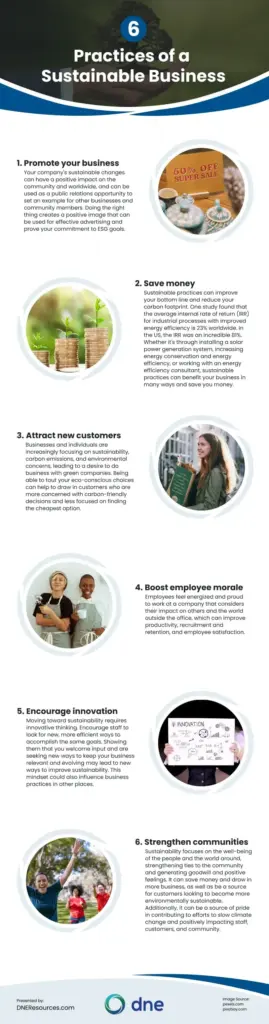
Sustainability brings a multitude of benefits to businesses, impacting not only their operations but also their brand perception. As the demand for eco-friendly practices grows, companies that prioritize sustainability are often viewed more favorably by consumers. This enhanced brand image can lead to increased customer loyalty, as consumers are more inclined to support businesses that align with their ethical values and environmental concerns.
Furthermore, the benefits of sustainability extend beyond consumer perception. Companies that adopt sustainable practices frequently experience significant cost savings over time. By investing in energy-efficient technologies and optimizing resource usage, businesses can lower operational costs while minimizing waste. These savings can then be redirected towards innovation, further driving profitability and growth.
Exploring Sustainable Development Strategies
Sustainable development strategies are increasingly critical for businesses aiming to balance economic growth with environmental stewardship. These practices encompass a wide range of approaches, from adopting renewable energy sources to championing fair trade practices. By integrating these strategies into their business model, companies can create a more resilient and responsible supply chain that benefits both the environment and society.
Moreover, sustainable development not only addresses immediate environmental challenges but also sets the groundwork for long-term profitability. When businesses invest in socially responsible initiatives, they’re contributing to economic development that meets the needs of the present while safeguarding resources for future generations. This foresight can give companies a competitive edge in a rapidly evolving marketplace.
Green Business Strategies for Today’s Market
Adopting green business strategies is no longer just an option; it has become essential for survival in today’s competitive market. Such strategies can include anything from reducing waste and improving energy efficiency to sourcing sustainable materials. Companies that successfully implement these practices often report notable improvements in operational efficiency, which translates to a better bottom line.
Additionally, incorporating green business strategies signals to consumers that a company is committed to corporate social responsibility. This commitment can enhance brand loyalty and customer satisfaction, as more consumers are choosing to support businesses that are environmentally conscious. In this way, green strategies not only benefit the planet but also foster a strong community of supporters and advocates for the brand.
Implementing Eco-Friendly Practices
Implementing eco-friendly practices involves a strategic approach that influences every facet of a business’s operations. It starts with a thorough sustainability assessment, where organizations analyze their resource usage, waste production, and supply chain dynamics. By identifying areas of improvement, businesses can strategically implement practices that minimize their ecological footprint and enhance their overall sustainability profile.
Engaging employees is a crucial aspect of successfully implementing eco-friendly practices. By educating team members about the importance of sustainability and involving them in the development of new initiatives, companies can foster a culture of environmental responsibility. This employee buy-in not only enhances the implementation process but can lead to innovative ideas and improvements in everyday operations.
Corporate Social Responsibility: A Path to Sustainability
Corporate social responsibility (CSR) plays a pivotal role in a company’s commitment to sustainability. It involves a wide range of practices that ensure businesses operate ethically and make a positive impact on society. Businesses that deeply integrate CSR into their mission often find that they can better address societal issues while still pursuing their economic goals.
Moreover, a robust CSR strategy enhances a company’s transparency and accountability, which are crucial in today’s market. Consumers prefer to engage with brands that showcase their ethical practices and contribute positively to society. By aligning with CSR principles, businesses can foster trust and loyalty that ultimately drives long-term success.
Challenges to Adoption of Sustainable Practices
While the benefits of sustainable practices are numerous, many businesses encounter challenges during implementation. One significant hurdle is the initial investment required for technological upgrades and training. Although these costs can deter companies from making necessary changes, understanding that these expenditures often lead to substantial long-term savings is crucial.
Another challenge stems from resistance to change within organizations. Employees and even management may be hesitant to alter established routines. Overcoming this resistance requires effective communication and a commitment to education about the long-term advantages of sustainability. Fostering an open dialogue where employees feel empowered to voice their concerns can help mitigate this resistance.
Success Stories in Sustainable Business Practices
There are several examples of companies that have successfully implemented sustainable business practices, setting a benchmark for others to follow. For instance, Patagonia is celebrated for its dedication to environmental responsibility. The company’s initiatives include promoting product recycling and utilizing sustainable materials, establishing it as a leader in the outdoor industry.
Similarly, Unilever has integrated sustainability into its core business strategy, emphasizing responsible sourcing and reduced environmental impacts. Their commitment not only fosters positive consumer relationships but also drives growth by enhancing brand loyalty and expanding market share. Highlighting such success stories illustrates the tangible benefits that sustainable practices can yield for businesses.
Frequently Asked Questions
What are the key benefits of sustainability for businesses?
The benefits of sustainability for businesses include enhanced brand reputation, cost savings through efficient resource use, regulatory compliance, improved employee retention, and the opportunity for innovation. By adopting sustainable business practices, companies can appeal to environmentally conscious consumers and position themselves as leaders in corporate social responsibility.
How do sustainable business practices influence consumer behavior?
Sustainable business practices greatly influence consumer behavior as modern buyers increasingly prefer to purchase from eco-friendly companies. Research indicates that consumers are more loyal to brands demonstrating a commitment to sustainability, viewing them as responsible and trustworthy. This shift highlights the importance of integrating sustainable practices into business operations.
What are some examples of eco-friendly practices that companies can adopt?
Companies can adopt various eco-friendly practices such as using renewable energy sources, implementing recycling programs, reducing waste through more efficient operations, and utilizing sustainable materials. Incorporating these strategies not only demonstrates a commitment to sustainability but can also lead to significant operational cost savings.
What role does corporate social responsibility play in sustainable business practices?
Corporate social responsibility (CSR) plays a vital role in sustainable business practices by encouraging companies to operate ethically and contribute positively to society. Integrating CSR into business strategies helps companies address their social and environmental impact while building strong community relationships, ultimately enhancing their brand value.
How can businesses set effective sustainability goals?
To set effective sustainability goals, businesses should utilize the SMART framework—ensuring that goals are Specific, Measurable, Attainable, Relevant, and Time-bound. Clear goals guide the implementation of sustainable practices and provide a benchmark for measuring progress towards eco-friendly initiatives, ensuring alignment with overall business objectives.
What challenges do businesses face when implementing sustainable practices?
Challenges in implementing sustainable practices include initial financial costs of adopting new technologies, resistance to change from employees, and the complexity of ensuring sustainability across supply chains. Overcoming these hurdles requires effective communication, employee engagement, and strategic planning to create a culture of sustainability within the organization.
How can innovation drive sustainable development in businesses?
Innovation drives sustainable development in businesses by encouraging the creation of new products, services, and processes that minimize environmental impact while enhancing profitability. Companies that prioritize sustainable business practices often find unique solutions that not only meet consumer demands but also contribute to a healthier planet, effectively combining eco-friendliness and economic success.
| Key Points | Details |
|---|---|
| Introduction | Importance of sustainable practices for business operations that enhance brand reputation and profitability. |
| What Are Sustainable Business Practices? | Strategies that prioritize environmental health, social equity, and economic viability. Includes reducing resource consumption and supporting fair labor practices. |
| Importance of Sustainable Business Practices | 1. Consumer Expectations – align with informed consumers. 2. Cost Savings – reduce expenses via energy efficiency. 3. Regulatory Compliance – avoid fines with sustainable practices. 4. Talent Attraction – engage workforce passionate about sustainability. 5. Innovation Opportunities – inspire new products and processes. |
| Steps to Implement Sustainable Business Practices | 1. Conduct a Sustainability Assessment 2. Set Clear Sustainability Goals 3. Engage Employees 4. Choose Sustainable Suppliers 5. Utilize Eco-Friendly Technologies 6. Monitor and Report Progress |
| Examples of Successful Sustainable Practices | – Patagonia: Promotes recycling & repair. – Unilever: Reduces footprint & increases social impact. – Tesla: Produces electric vehicles & advocates for renewable energy. |
| Challenges in Implementing Sustainable Practices | 1. Initial Costs 2. Resistance to Change 3. Complexity of Supply Issues |
| Conclusion | Sustainable practices are essential for modern business success and consumer loyalty, providing long-term benefits. |
Summary
Sustainable business practices are increasingly crucial for companies seeking to thrive in a competitive landscape. As you can see, they not only benefit the environment but also make good business sense. When organizations prioritize sustainability, they meet consumer expectations while enjoying cost savings and regulatory compliance. Moreover, a commitment to sustainable practices can attract top talent and foster innovation. So, what sustainable steps will you implement in your business? Embracing these practices is a significant move towards a more responsible future.

