Listen to this article
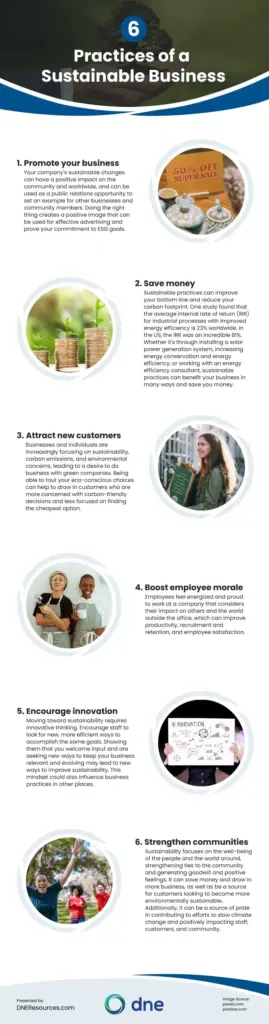
In today’s rapidly changing environmental landscape, incorporating sustainable business practices is crucial for companies aiming to thrive while safeguarding the planet. Embracing these eco-friendly business strategies not only helps reduce carbon footprints but also aligns with the growing consumer demand for corporate social responsibility. Businesses that adopt green practices can enjoy numerous advantages, including boosted brand reputation and lower operational costs. This article will guide you through effective steps to implement sustainable practices and highlight the significant benefits of transitioning to a greener business model. By prioritizing sustainable development, organizations can make a decisive impact on both their profitability and the well-being of the environment.
Sustainable approaches to business reflect a commitment to protecting our planet while maximizing profitability. This involves adopting green business practices that focus on renewable energies and efficient resource management strategies. By understanding the importance of environmental stewardship, companies can not only comply with evolving regulations but also meet the expectations of increasingly eco-conscious consumers. Additionally, incorporating eco-friendly initiatives can enhance employee engagement and attract talent who value corporate social responsibility. As we delve into this topic, we’ll explore actionable steps for businesses to achieve a sustainable future.
The Importance of Eco-Friendly Business Strategies
In today’s consumer landscape, the demand for eco-friendly business practices is rising. Customers are now more than ever scrutinizing the environmental impact of the brands they support. Businesses that embrace eco-friendly strategies not only come across as responsible but also can significantly enhance their market position. An eco-conscious approach boosts customer loyalty, as more consumers gravitate towards companies that mirror their values regarding sustainability.
Implementing eco-friendly practices might involve several actions, such as minimizing waste, reducing energy consumption, and utilizing sustainable materials. These changes benefit the environment and improve overall operational efficiency. For instance, adopting energy-saving technologies can lead to considerable cost reductions over time, further underlining the importance of eco-friendly business strategies.
The financial implications of going green cannot be overstated. Implementing sustainable business practices often leads to lower operational costs, improved efficiency, and enhanced appeal to sustainability-focused consumers. Furthermore, by aligning operations with eco-friendly strategies, businesses can set themselves apart in a saturated market.
As consumer preferences shift, companies that innovate in their sustainability practices stand a better chance of attracting and retaining customers. More than just a trend, eco-friendly business practices have become a fundamental expectation for many shoppers looking for corporate social responsibility in their purchasing decisions.
Frequently Asked Questions
What are some effective sustainable business practices for eco-friendly operations?
Effective sustainable business practices for eco-friendly operations include conducting a sustainability audit, setting clear sustainability goals, investing in renewable energy sources, reducing, reusing, and recycling materials, ensuring sustainable supply chain management, training employees on green practices, and tracking and measuring sustainability metrics.
How can implementing green business practices reduce a company’s carbon footprint?
Implementing green business practices can significantly reduce a company’s carbon footprint by optimizing energy consumption, sourcing renewable energy, minimizing waste through recycling, and adopting efficient operational strategies that lower emissions.
What is the role of corporate social responsibility in sustainable business practices?
Corporate social responsibility (CSR) plays a crucial role in sustainable business practices by ensuring businesses operate ethically, consider their impact on society and the environment, and actively engage in initiatives that promote sustainability and social well-being.
How can I transition my business to adopt sustainable development strategies?
To transition your business to sustainable development strategies, start by performing a sustainability audit, setting measurable goals, investing in renewable energy, and fostering a culture of sustainability among employees. Engage with suppliers who prioritize eco-friendly practices as well.
What benefits come from adopting renewable energy in sustainable business practices?
Adopting renewable energy in sustainable business practices leads to cost savings through lower energy bills, reduced carbon emissions, compliance with regulatory requirements, and enhanced brand reputation, which can drive consumer loyalty towards your eco-friendly business.
What metrics should I track to measure the success of my sustainable business practices?
Key metrics to track for measuring the success of your sustainable business practices include energy usage, waste production, employee participation in sustainability initiatives, and overall impact on the company’s carbon footprint, helping you refine strategies and enhance accountability.
How do sustainable business practices impact employee engagement and retention?
Sustainable business practices positively impact employee engagement and retention by creating a workplace culture that values environmental responsibility, which can motivate staff and attract talent who seek to work for socially responsible companies, thereby enhancing job satisfaction and loyalty.
| Key Points | Details |
|---|---|
| Definition of Sustainable Business Practices | Strategies that avoid depleting natural resources while being profitable. |
| Importance of Sustainability | Enhances brand image, leads to cost savings, and increases profits. |
| Reasons to Adopt Sustainable Practices | Customer demand, cost savings, regulatory compliance, and employee engagement. |
| Steps to Implement | 1. Conduct a sustainability audit. 2. Set sustainability goals. 3. Invest in renewable energy, 4. Reduce, reuse, recycle, 5. Sustainable supply chain management, 6. Training and engagement, 7. Track and measure metrics. |
| Financial Benefits | Operational efficiency, increased customer loyalty, and attraction of investment. |
Summary
Sustainable business practices are crucial for modern enterprises looking to enhance profitability and protect the planet. Engaging in sustainable practices meets growing consumer demands for responsible brands, reduces costs, and can even attract top talent. As businesses set clear sustainability goals and integrate them into their operations, they not only contribute to environmental preservation but also streamline their processes for greater efficiency. The journey towards sustainability is ongoing and requires commitment, but the payoff is significant—financially and environmentally. Embracing sustainable business practices is, therefore, a win-win for both companies and the earth.