
Listen to this article
In the modern business landscape, sustainable business practices have emerged as a vital component for success. Companies today recognize that eco-friendly business strategies not only fulfill a moral responsibility towards the environment but also provide a competitive advantage in attracting environmentally conscious consumers. With an emphasis on corporate sustainability, businesses can incorporate environmentally responsible practices that enhance their reputation and boost profitability. This article will explore the significance of adopting sustainable practices and how they contribute to a healthier planet and thriving economy. By integrating green business strategies, organizations are well-equipped to meet the demands of a changing world, ensuring they play a positive role in sustainability efforts.
As organizations navigate the complexities of today’s economy, embracing environmentally conscious methods has become paramount. Often referred to as responsible corporate practices or green initiatives, these approaches can significantly diminish ecological footprints while yielding economic benefits. Recognizing the importance of adopting such progressive strategies, businesses are increasingly integrating sustainable solutions into their core operations. By fostering a culture of environmental stewardship, companies can not only address regulatory demands but also cater to the preferences of conscious consumers. In this discussion, we will delve into various sustainable approaches that not only enhance operational efficiency but also contribute to the overarching goal of a more sustainable future.
Understanding Sustainable Business Practices
Sustainable business practices encompass a variety of strategies designed to diminish the environmental footprint of an organization while enhancing value for stakeholders. These methods can range from implementing energy-efficient technologies to adopting eco-friendly supply chain practices. The fundamental goal is to create a balance where business objectives align with environmental stewardship. As companies seek to improve their bottom line, integrating these responsible practices can yield significant benefits beyond immediate financial gains.
A closer examination of sustainable business practices reveals their multifaceted nature. On one side, there are operational changes, such as adopting energy-efficient appliances or switching to renewable energy sources, that immediately reduce utility expenses. On the other side, there’s a broader approach that considers long-term impact, involving corporate sustainability initiatives aimed at minimizing waste and promoting biodiversity. By understanding this dual aspect, businesses can better tailor their practices to both their needs and those of the environment.
Frequently Asked Questions
What are the main benefits of implementing sustainable business practices?
Implementing sustainable business practices provides numerous benefits including reduced environmental impact, significant cost savings through energy efficiency and waste reduction, enhanced brand loyalty as consumers increasingly prefer eco-friendly businesses, and improved regulatory compliance. Furthermore, adopting these practices can elevate a company’s reputation, making it more appealing to investors and stakeholders concerned about corporate sustainability.
How can my company improve its energy efficiency as a sustainable business practice?
To enhance energy efficiency, businesses can adopt several strategies such as upgrading to energy-efficient lighting like LEDs, investing in smart thermostats, and utilizing energy-efficient machinery. These improvements help reduce utility costs and minimize the overall carbon footprint, aligning with eco-friendly business goals.
What are some effective sustainable sourcing strategies for businesses?
Effective sustainable sourcing strategies include sourcing materials from local suppliers to lower transportation emissions, choosing renewable and recycled materials to decrease environmental impact, and ensuring ethical practices by selecting certified products such as Fair Trade or organic. These approaches not only support corporate sustainability but also resonate with environmentally conscious consumers.
In what ways can businesses reduce waste as part of their sustainable practices?
Businesses can reduce waste by implementing recycling programs, adopting a circular economy model to reuse materials, and offering digital alternatives to minimize paper consumption. By focusing on waste reduction, companies contribute to environmentally responsible practices and enhance their sustainability efforts.
What role does employee engagement play in promoting sustainable business practices?
Employee engagement is crucial for successfully implementing sustainable business practices. Companies can foster a culture of sustainability by forming sustainability committees, providing training on eco-friendly practices, and encouraging participation in community sustainability efforts. Engaged employees are more likely to adopt environmentally responsible practices, driving company-wide commitment to sustainability.
How can transparency in sustainability efforts benefit a business?
Transparency in sustainability efforts builds trust with consumers and stakeholders. By publishing sustainability reports that outline goals, practices, and progress, businesses can demonstrate their commitment to corporate sustainability. Engaging with stakeholders for feedback also helps improve initiatives, contributing to a more credible and responsible brand image.
What are green transportation strategies that promote sustainable business practices?
Green transportation strategies include encouraging carpooling and public transit use among employees, investing in electric or hybrid vehicles for company use, and implementing remote work policies to decrease commuting emissions. These methods significantly lower a business’s carbon footprint and support overall environmental responsibility.
| Key Points | Details |
|---|---|
| What Are Sustainable Business Practices? | Strategies to minimize environmental impact and enhance value to stakeholders. |
| Why Implement Sustainable Practices? | To reduce environmental impact, save costs, meet consumer demands, comply with regulations, and enhance reputation. |
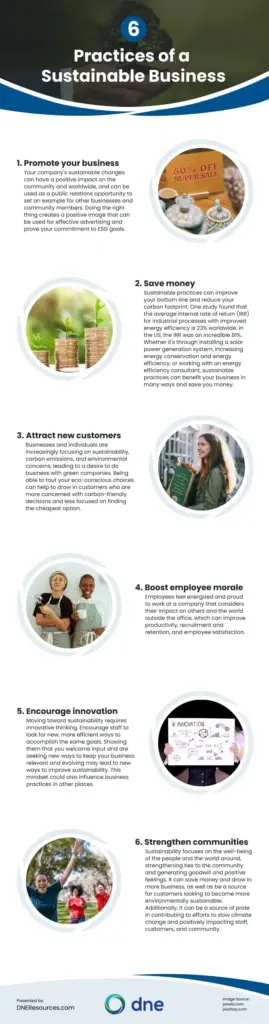
| Key Sustainable Business Practices | 1. Energy Efficiency 2. Sustainable Sourcing 3. Waste Reduction 4. Green Transportation 5. Sustainable Building Practices 6. Employee Engagement 7. Transparency and Reporting |
Summary
Sustainable business practices are imperative for today’s companies striving for a greener future. These practices not only help in reducing the environmental footprint of businesses but also drive efficiency and innovation. By adopting energy-efficient technologies, engaging in responsible sourcing, reducing waste, and fostering a culture of sustainability among employees, businesses can significantly enhance their brand reputation and meet the growing consumer demand for environmental accountability. In embracing sustainable business practices, companies not only contribute positively to the planet but also position themselves advantageously within their industries. As we move forward, the urgency to act sustainably is paramount, and the rewards are bountiful for both businesses and our shared environment.

