Listen to this article
The current NHS flu crisis is marked by an alarming rise in hospital admissions attributed to a virulent strain known as the “super flu.” In just one week, cases in England have soared by over 50%, with NHS England reporting an average of 2,660 flu cases daily. This surge is reminiscent of severe flu outbreaks in past winters, with winter illnesses surging across the country and health services facing unprecedented strain. With children and the elderly particularly vulnerable, the urgent need for flu vaccine appeal becomes clear as authorities strive to curb this outbreak’s reach. As hospitals grapple with rising demands, the specter of a continued UK flu outbreak looms large, placing immense pressure on healthcare resources during this critical season.
As the winter season unfolds, the ongoing spike in flu cases is often referred to as the “super flu phenomenon,” signaling a dramatic increase in respiratory ailments prevalent in the UK. This period typically witnesses a barrage of winter illnesses, complicating an already strained healthcare system facing a multitude of challenges. With hospital admissions for severe flu cases escalating, the need for preventative measures such as vaccination becomes paramount. Many are caught off-guard by this particularly aggressive mutation of the virus, necessitating urgent public health initiatives to inform and protect susceptible populations. The reality is clear: tackling this strain requires focused attention, collaboration, and swift action to safeguard public health.
The Surge of Super Flu in England
England faces a significant surge in the number of confirmed influenza cases, particularly attributed to the so-called ‘super flu’. The latest statistics reveal a 50% increase in hospital admissions over the past week, creating a critical situation within NHS facilities. With an alarming average of approximately 2,660 new flu patients each day, hospital capacity is being tested, and officials have raised concerns regarding the lack of a peak in this ‘super flu’ epidemic. This situation not only stretches healthcare resources but also underscores the urgent need for widespread flu vaccination campaigns to curb future outbreaks.
As NHS officials underscore the pressure on the system, concerns grow that if flu rates continue to rise, bed occupancy levels could soar upwards of 5,000 cases by the upcoming weekend. The data reflects an unprecedented early onset of flu symptoms this winter, needing immediate public awareness. The focusing of resources on such a substantial outbreak is a call to action for the NHS to effectively manage the critical ‘super flu’ cases and ensure patient care is prioritized despite overwhelming circumstances.
Implications of the NHS Flu Crisis
The current ‘super flu’ wave is symptomatic of a broader NHS flu crisis, one exacerbated by the simultaneous rise in other winter illnesses such as norovirus. With hospital beds rapidly filling, especially among vulnerable populations, including children under five and the elderly, the strain on the emergency services is palpable. Indeed, the hospital admission rates for flu cases among the elderly have noticeably soared, highlighting the increased risk they face this season. This flu crisis could possibly threaten to overwhelm NHS systems that are already under considerable pressure.
Calls from health officials for the public to get vaccinated have never been more urgent. Flu vaccine appeals emphasize the importance of getting vaccinated, particularly for those at high risk. As NHS England’s medical director points out, failure to act could result in a healthcare crisis beyond what is currently manageable, stressing the critical need to protect our most vulnerable populations. Thus, ensuring that vaccine supplies are adequately stocked and accessible must be a priority to mitigate the long-term impacts of this flu outbreak.
Understanding the Rise of Flu Cases
The recent surge in flu cases this winter can be attributed to the dominant H3N2 strain, which has mutated and led to increased transmissibility. Unlike previous years, this new strain appears to be evasive to the general immunity levels typically developed by the public. This unexpected emergence has resulted in a wave of flu infections, underlining the importance of understanding the genetic changes in the virus. By recognizing these mutations, health professionals can better prepare and strategize flu vaccine formulations and public health responses.
In addition to the genetic factors, the rising positivity rates among children aged five to fourteen have instigated a focused response on vaccination within schools and communities. With schools acting as hotspots for flu transmission, the importance of proactive health education and vaccination campaigns becomes crucial in controlling this winter’s flu outbreak. Comprehensive efforts aimed at promoting flu vaccine uptake and awareness about how the flu virus operates can help in reducing the impact of influenza for future seasons.
Navigating Winter Illnesses and Hospital Strain
The NHS has struggled under the weight of multiple winter illnesses, with rising flu cases and the norovirus further compounding the workload for healthcare workers. Reports indicate that hospital emergency departments are overwhelmed due to long waits, with staff pushed to their limits. This overwhelming situation has forced healthcare systems to operate in what many describe as a state of crisis. The compounded effect of these illnesses emphasizes the necessity for the public to remain vigilant about health symptoms and the importance of seeking care when needed.
Healthcare professionals like Dr. Vicky Price have voiced concerns about the broader healthcare system, suggesting that the capacity strain is not solely a byproduct of this year’s flu crisis but indicative of long-standing systemic issues. Reducing strain on the NHS during peak flu seasons demands not only immediate action in flu response but also requires long-term strategies to address workforce shortages, funding, and infrastructure deficits within the healthcare system. Ultimately, addressing these challenges is critical to ensure health systems can manage current and future flu waves more effectively.
Flu Vaccine Importance During the Super Flu Wave
With the ‘super flu’ dominating hospital statistics, the significance of flu vaccinations has never been more evident. Public health messages stress that certain groups—’talking about the elderly, pregnant women, and those with underlying health conditions’—are prioritized in vaccination efforts. As NHS England urges individuals to consider the flu vaccine, Dr. Conall Watson points out that the optimal timeframe for vaccination is swiftly approaching. Those not yet vaccinated are running out of time to benefit from the protective effects of the vaccine before the peak holiday season and potential spreads.
Furthermore, the effectiveness of the flu vaccine in reducing hospitalization rates cannot be overstated. Recent studies indicate vaccinated individuals have significantly lower risks of severe outcomes compared to those unvaccinated. Promoting vaccination not only serves immediate public health needs but also assists in alleviating pressure on healthcare systems currently grappling with flu admissions. By increasing vaccine uptake, the public can play an integral role in minimizing flu outbreaks and protecting vulnerable populations during this challenging season.
Making Sense of Flu Symptoms vs Other Illnesses
As flu rates see a dramatic rise, understanding the distinction between flu symptoms and other respiratory illnesses, like the common cold or COVID-19, becomes essential for the public. Flu symptoms typically present more severely than those associated with a cold, often including high fevers, body aches, and severe fatigue. Awareness is crucial, particularly with the ongoing ‘super flu’ wave, as patients might mistake severe flu symptoms for less serious ailments, consequently delaying necessary medical attention.
Accurate symptom identification not only assists individuals in seeking care promptly but also helps in reducing the strain on emergency services. With the NHS encouraging early consultations for flu-like symptoms, patients can receive appropriate care before conditions worsen. Educating the public about flu characteristics and distinguishing them from other illnesses builds community resilience against widespread outbreaks and ensures that healthcare resources are utilized optimally, particularly during high-stress periods like winter flu season.
The Impact of Norovirus and Additional Illnesses
As flu cases continue to rise, hospitals are also facing challenges posed by other illnesses, notably norovirus. Reports indicate that an increasing number of patients require treatment for norovirus, exacerbating hospital capacity issues already strained by the ‘super flu’ wave. The overlapping flares of illness during winter seasons highlight the multifaceted challenges healthcare systems encounter, with consecutive virus outbreaks necessitating broad-based responses and precise management strategies.
Managing multiple respiratory illnesses simultaneously calls for the NHS to reassess resource allocation and patient care frameworks. It emphasizes the need for coordination between public health messages about flu and norovirus prevention strategies. The increased hospitalization due to additional viral illnesses burdens NHS resources and could complicate flu treatment efforts, driving home the importance of robust public health initiatives to mitigate the impact of such surges and maintain high-quality patient care.
The Role of NHS and Healthcare Professionals
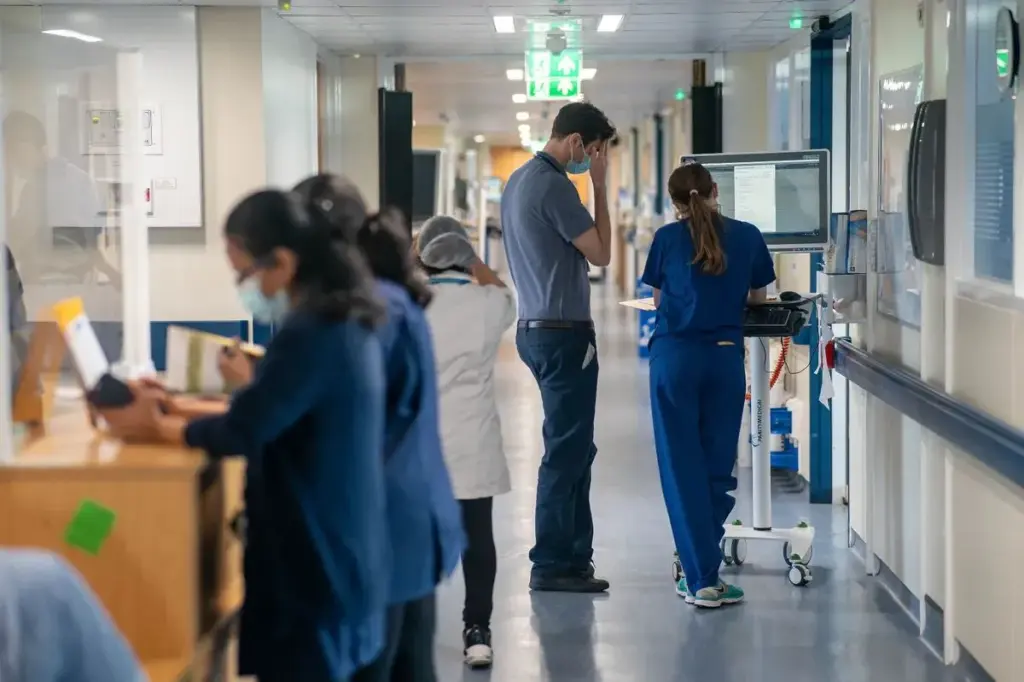
Healthcare professionals within NHS facilities have been at the forefront of addressing the flu crisis this winter, showcasing immense dedication and resilience amid rising patient numbers. NHS staff find themselves navigating the complexities of an overflowing hospital system, where the demand for care exceeds available resources due to the spike in ‘super flu’ cases. These circumstances present enormous challenges, but they also reveal the dedication of healthcare professionals committed to patient care.
Moreover, the pressure on healthcare professionals to manage extensive patient loads emphasizes the urgent need for systemic improvements and support for NHS staff. Ongoing recruitment initiatives, better staffing ratios, and enhanced training programs can help empower healthcare workers to handle future respiratory illness crises more efficiently. It is crucial for healthcare systems to foster a supportive working environment, promoting teamwork and communication to ensure that healthcare workers feel equipped to manage the ongoing patient care challenges they face.
Looking Ahead: Strategies for Managing Flu Outbreaks
Reflecting on the current ‘super flu’ wave highlights the pressing need for effective strategies to manage flu outbreaks in the future. Policymakers and health professionals must collaborate to develop and distribute robust vaccination campaigns while simultaneously preparing healthcare systems for peak seasons. Such strategies could encompass improved forecasting models that predict flu outbreaks, allowing for pre-emptive actions to enhance resource allocation and staffing during high-demand periods.
Future flu seasons will necessitate adaptive measures aimed at not only managing the immediate flu crisis but also ensuring lasting improvements in public health response strategies. Establishing comprehensive public health frameworks, utilizing technology for real-time data collection, and fostering community engagement in vaccination drives will be critical in sharpening our defenses against potential influenza outbreaks moving forward.
Frequently Asked Questions
What is super flu and how is it affecting the NHS?
Super flu refers to a significant surge in influenza cases, notably in the UK, leading to overwhelming hospital admissions. Recently, NHS England reported a 50% increase in flu hospitalizations, with many wards filled beyond capacity, sparking concerns about patient care and NHS resource strains.
How does the NHS flu crisis relate to this winter’s super flu wave?
The NHS flu crisis is directly linked to the current super flu wave in the UK, characterized by unprecedented hospital admissions and rising flu cases. The crisis underscores the urgent need for the flu vaccine and preventative measures as hospitals struggle to manage the influx of patients.
Why is there an urgent flu vaccine appeal during this super flu outbreak?
The ongoing super flu outbreak has prompted an urgent flu vaccine appeal due to rising hospitalization rates, particularly among vulnerable populations such as those over 65 and young children. NHS experts stress that vaccination is crucial for reducing the risk of severe illness during this challenging flu season.
What is driving the current UK flu outbreak and the rise of super flu?
The current UK flu outbreak is driven by a mutated strain of the influenza virus, specifically H3N2, which has led to lower immunity in the population due to its genetic changes. This contributes to the alarming spike in super flu cases being recorded at hospitals and healthcare facilities.
How is the flu impacting hospital admissions in England this winter?
Hospital admissions due to flu have dramatically increased in England, with reports indicating that nearly one in ten hospital beds are occupied by flu patients. NHS officials warn that the situation could worsen, possibly exceeding previous records if the super flu wave does not subside.
What steps can individuals take to protect themselves from super flu this winter?
Individuals can protect themselves from super flu by getting the flu vaccine if eligible, practicing good hygiene, such as frequent hand washing, and avoiding close contact with sick individuals. These measures are essential to minimize exposure to the flu virus and reduce hospital admission risks.
How can the public distinguish between super flu, a cold, and COVID-19?
To distinguish between super flu, a cold, and COVID-19, individuals should be aware of specific symptoms. Super flu typically presents with high fever, severe body aches, and fatigue, while a cold may feature milder symptoms such as a runny nose. COVID-19 can present similarly but often includes loss of taste or smell. Testing is recommended for accurate identification.
What is the significance of the increasing flu rates this winter in relation to NHS capacity?
The rising flu rates this winter are significant because they strain NHS capacity, leading to longer wait times in A&E and overwhelmed healthcare staff. This situation is exacerbated by the existing workforce shortages, making it critical for the NHS to address both the flu crisis and systemic issues affecting care delivery.
Why are children and older adults particularly affected by the super flu?
Children aged five to fourteen show high flu positivity rates, while older adults, especially those over 75, face the highest severity of illness. This demographic vulnerability is due to weaker immune responses in younger children and pre-existing health issues among the elderly.
What role does vaccination play in mitigating the super flu outbreak?
Vaccination plays a crucial role in mitigating the super flu outbreak by building immunity against the circulating flu strains, thereby reducing the likelihood of severe illness and hospitalization. NHS experts emphasize the need for eligible individuals to get vaccinated promptly to ensure protection before peak flu season.
| Key Point | Details |
|---|---|
| Surge in Hospitalizations | Flu cases in hospitals have increased by over 50% this past week, averaging 2,660 cases per day. |
| Impact on NHS | NHS officials warn that this wave is unprecedented, causing severe strain on healthcare resources. |
| Affected Groups | Children aged 5-14 and the elderly (over 75) are the most affected. |
| Mutated Strain | The dominant strain, H3N2, has mutated, leading to lower immunity among the public. |
| Increased Health Risks | Alongside flu, there is also a rise in norovirus cases, indicating a tough winter ahead. |
| Call for Vaccination | Health officials urge eligible individuals to get vaccinated before Christmas. |
| System Strain | NHS facing critical incidents due to the overwhelming number of patients. |
Summary
The super flu wave is causing significant disruptions across hospitals in England, with rising hospitalization rates and an urgent call for vaccinations. This unprecedented situation highlights the critical need for healthcare resources as the NHS grapples with an early flu season, compounded by a strain on the healthcare system. It’s crucial for individuals to stay informed and proactive in preventing illness, particularly as flu rates continue to rise.