
Listen to this article
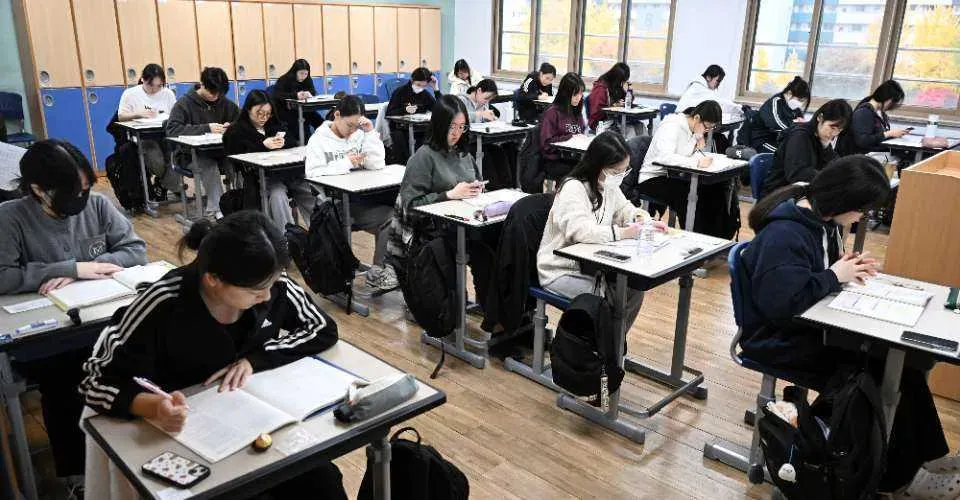
The Suneung exam, South Korea’s notorious college entrance test, stands as a significant milestone in the lives of students. This eight-hour marathon of examinations not only shapes their academic futures but also influences job opportunities and personal relationships. Among the various sections, the Suneung English test has gained attention for its particularly challenging questions, resembling puzzles that many students struggle to decipher. Recently, the resignation of the Suneung chief over the “insane” difficulty of this year’s English exam has sparked widespread debate about the rigorous nature of high-stakes testing in Korea. As students brace themselves for this daunting challenge each November, the pressures and stakes continue to escalate, with parents and educators alike advocating for changes to this pivotal assessment process.
In South Korea, the college admission process is predominantly defined by a single, high-stakes exam commonly referred to as the Suneung or college entrance exam. This extensive and demanding test encompasses a range of subjects, including a particularly challenging English portion that has left many students feeling overwhelmed. Following recent events, including significant changes in leadership due to criticisms of the test’s difficulty, the atmosphere surrounding these examinations is increasingly tense. The Suneung has become a focal point of discussion, as it plays a crucial role in shaping not only academic trajectories but also social and economic futures for young individuals in the country. With parents often turning to supplemental education options, preparing for this daunting assessment has become a defining aspect of a student’s life.
The Suneung Exam: South Korea’s High-Stakes Challenge
The Suneung exam, also known as South Korea’s college entrance exam, is a critical event that shapes the future of students nationwide. Held annually in November, this high-stakes testing day is an eight-hour journey filled with rigorous assessments across diverse subjects, including Korean, mathematics, and, notably, English. The significance of Suneung cannot be overstated; it serves as a determining factor for university admissions, influencing not only educational trajectories but also the social and economic outlooks for young Koreans. The immense pressure surrounding the Suneung often leads students to dedicate years to preparation, attending cram schools from an early age.
The environment leading up to Suneung is one of intense anticipation and pressure. On exam day, much of South Korea comes to a standstill. This includes halting construction work and delaying army drills, all in an effort to provide students with the best possible conditions to perform. This collective focus underscores the cultural importance of Suneung, reinforcing its role in shaping a highly competitive societal structure. The recent resignation of the Suneung chief, Oh Seung-geol, due to the backlash over the difficulty level of the test exemplifies the high stakes associated with this event.
Inside the Controversial English Portion of Suneung
The English section of the Suneung exam has drawn particular criticism for its complexity and obscure questions. Many students view it as an almost insurmountable challenge, leading to opinions that the phrasing of some questions resembles ‘fancy smart talking.’ Critics argue that this not only makes the exam itself confusing but also fails to effectively assess students’ actual language skills. The infamous questions, such as those based on Immanuel Kant’s philosophy and gaming jargon, have sparked heated discussions about their relevance and fairness, suggesting that the level of difficulty is not representative of the English skills required in university.
Despite the uproar, experts have weighed in on the English exam’s structure. Professor Jung Chae-kwan believes that while the texts may not be impossible, they are indeed perplexing and misleading. This complexity can detract from genuine educational growth, as teaching strategies may pivot toward test-taking techniques rather than fostering comprehensive language development. In contrast, some academics argue that the demanding nature of the Suneung English test is designed to evaluate critical reading comprehension necessary for higher education. This ongoing debate captures the duality of the Suneung exam as both a benchmark for academic readiness and a source of significant stress for South Korean students.
Impacts of the Suneung on Student Mental Health
The Suneung exam not only dictates students’ academic futures but also significantly affects their mental health. The relentless pressure to excel can lead to anxiety, depression, and a myriad of stress-related disorders among students. In South Korea, where success in this high-stakes testing environment is often equated with personal worth, many young individuals experience overwhelming tension as they prepare for the exam. Reports indicate that parents and educators are increasingly aware of the mental toll the Suneung can impose, prompting calls for a more supportive approach during this challenging time.
Mental health organizations and educational institutions are beginning to recognize the urgent need for resources and support systems tailored to students facing the Suneung. Strategies such as counseling services, stress-reduction workshops, and the promotion of a healthier mindset toward learning and testing are gaining traction. These initiatives aim to mitigate the psychological strain associated with such a pivotal examination, fostering an environment where students can thrive academically without sacrificing their mental well-being.
The Societal Implications of Suneung Resignation
The resignation of Oh Seung-geol, the superintendent responsible for the Suneung, has sent ripples through South Korean society, raising questions about accountability within the education system. As the first chief to resign over the difficulty of the exam, his departure highlights a growing concern among educators and policymakers regarding the test’s validity and fairness. This development prompts a broader dialogue about the need for reform within high-stakes testing practices, not only for English but also across all subjects tested during the Suneung.
The implications of such resignations extend beyond mere administrative changes; they signify a potential shift in public perception about the Suneung’s role and relevance in modern education. As parents and students demand improvements, there may be pressure on the Ministry of Education to reassess the exam’s structure, potentially leading to a more balanced and equitable testing approach. In doing so, the hope is to better align the Suneung with students’ actual capabilities and the educational values that South Korea wishes to promote.
Understanding the Various Subjects in Suneung
The Suneung exam covers a broad spectrum of subjects, including Korean language, mathematics, English, social sciences, and natural sciences, each designed to evaluate students’ knowledge and preparedness for university-level studies. This comprehensive assessment framework ensures that students are well-rounded and equipped with essential skills across disciplines. However, the intense focus on high-stakes subjects like English and mathematics can lead students to prioritize certain subjects over others, potentially leaving gaps in their overall educational experience.
As the Suneung continues to serve as a benchmark for academic achievement, discussions around curriculum adjustments and subject weighting are crucial. Educational experts often advocate for a balanced approach that values interdisciplinary learning and recognizes the importance of each subject. This holistic perspective could benefit students, enabling them to build a stronger academic foundation that prepares them not just for the Suneung, but for their future endeavors as well.
The Cultural Phenomenon of Suneung Preparation
The preparation for the Suneung has become a cultural phenomenon in South Korea, with students dedicating years of rigorous study and attendance at private tutoring institutions known as ‘cram schools.’ This environment fosters an intense atmosphere of competition among peers, often leading to social pressures that can be both motivating and detrimental. Students frequently find themselves engaging in marathon study sessions, driven by the fear of falling behind their classmates and the desire to achieve high scores.
As part of this cultural landscape, many families invest considerable resources into education to prepare their children for the Suneung. From hiring private tutors to enrolling in specialized training programs, the financial and emotional commitments are substantial. This phenomenon reflects broader societal values surrounding education and success in South Korea, where academic performance often correlates with future opportunities and stability. Amid this narrative, it is essential to acknowledge the sacrifices made by students and families as they navigate this challenging landscape.
Reactions to the Suneung’s Structure and Difficulty
Reactions to the structure and difficulty of the Suneung exam, particularly its English segment, have sparked significant debates among educators, students, and the general populace. Many students expressed frustration regarding the perplexing nature of exam questions, which often required a deeper level of insight into complex texts that can appear irrelevant or obscure. Critics assert that such questions do not fairly represent students’ English proficiency or their preparedness for higher education, igniting discussions around the need for reform in how the exam is designed.
In the face of criticism, some educators argue that the difficulty is deliberate, aimed at assessing students’ ability to comprehend advanced materials they might encounter in university settings. This rationale raises questions about the balance between challenging students and ensuring that assessments are fair and attainable. As stakeholders continue to voice their opinions, the discourse surrounding the Suneung exam will likely influence future iterations, making it imperative that the system evolves to better serve both educational integrity and student well-being.
The Future of Suneung and Educational Reform
The future of the Suneung exam hangs in the balance as stakeholders across South Korea call for educational reform that addresses concerns over test difficulty and structure. The recently heightened scrutiny, sparked by events such as the resignation of the Suneung chief, underscores a larger movement toward re-evaluating high-stakes testing practices. Advocates for change emphasize the importance of developing assessments that accurately reflect student learning and support overall growth rather than inducing overwhelming stress and anxiety.
Potential reforms may include revising the exam content to ensure clearer question phrasing, incorporating varied assessment formats, or even adjusting the weighting of subjects like English to reduce pressure. The call for transformation embodies broader discussions about the educational landscape in South Korea, reinforcing the importance of creating a system that prioritizes student success and emotional well-being. As these discussions gain momentum, the path forward for the Suneung may pave the way for a more equitable and supportive educational framework.
The Global Perspective on South Korea’s Suneung Exam
The Suneung exam has drawn attention beyond South Korea, prompting comparisons with other global educational assessment systems. The high-stakes nature of the Suneung echoes similar competitive exams worldwide, such as the SAT in the United States or the Gaokao in China, where the pressure on students is equally intense. Observers argue that while standardized testing serves a purpose in evaluating academic readiness, the implications for student mental health and wellbeing must be carefully considered.
Internationally, there are ongoing movements advocating for holistic assessments that take into account a broader range of skills and intelligences beyond mere test scores. The implications of these educational philosophies challenge the traditional structures exemplified by the Suneung, urging educators and policymakers to rethink assessment strategies. Whether South Korea will adapt to these global trends remains to be seen, but the discourse surrounding the Suneung emphasizes a growing desire for educational reform that prioritizes student growth and addresses issues of equity and access.
Frequently Asked Questions
What is the Suneung exam and how does it impact students in South Korea?
The Suneung exam, also known as the South Korea college entrance exam, is a crucial eight-hour test held annually that significantly influences students’ university admissions, job opportunities, and overall life trajectory. With subjects covering Korean, math, English, and more, the Suneung is designed to assess students’ academic readiness and is taken very seriously across the nation.
Why is the English section of the Suneung exam considered difficult?
The English section of the Suneung exam is notorious for its difficulty, often featuring complex questions and confusing texts. Recent tests included challenging excerpts, such as one relating to Immanuel Kant’s philosophy, which many students described as ‘insane.’ Critics argue that the phrasing of questions can lead to misunderstandings, making it a high-stakes testing experience that many find daunting.
What changes were made to the Suneung exam after criticism of the English section?
Following widespread criticism over the Suneung English test’s extreme difficulty, the exam’s chief, Oh Seung-geol, resigned, acknowledging the concerns about question appropriateness. The Suneung organizing body is expected to reassess their testing methods and questions to ensure they align better with educational goals and student comprehension.
How does the Suneung exam affect students’ mental health and preparation strategies?
The Suneung exam places immense pressure on students, leading to significant anxiety and stressful preparation routines. Many students attend ‘cram schools’ from a young age to prepare, and the mental toll can be substantial, as evidenced by the lengths families go to ensure their children succeed, including pausing everyday activities during the exam.
What has the effect of the Suneung exam been on South Korea’s education system?
The Suneung exam has a profound effect on South Korea’s education system, often prioritizing test-taking strategies over comprehensive English language learning. Educators have expressed concerns that this focus distorts teaching methods, emphasizing rote memorization and test tricks at the expense of meaningful engagement with the material.
How do students prepare for the Suneung English test, and what are the main components?
Students prepare for the Suneung English test through extensive study, often focusing on past papers and test-taking strategies. The exam comprises multiple-choice questions assessing reading comprehension, grammar, and vocabulary, demanding proficiency in both understanding and interpreting complex texts.
What role do parents play during the Suneung exam period in South Korea?
Parents play a supportive role during the Suneung exam period, often praying for their children’s success. Many engage in rituals, such as lighting candles at temples, demonstrating the cultural significance of the exam and the collective hope for favorable outcomes that can impact their children’s futures.
How does the Suneung exam influence job prospects and relationships in South Korea?
The results of the Suneung exam greatly influence students’ job prospects and personal relationships in South Korea. High scores can lead to admission into prestigious universities, subsequently resulting in better career opportunities, while lower scores can have lasting effects on an individual’s professional and social life.
What has been the historical trend regarding the leadership of the Suneung exam administration?
Historically, the leadership of the Suneung exam administration has seen a high turnover rate, with only four out of twelve chiefs completing their full terms since its inception in 1993. Resignations often stem from controversies over question errors or, as recently noted, the exam’s excessive difficulty, marking a troubling trend in the administration’s stability.
| Aspect | Details |
|---|---|
| Exam Name | Suneung (South Korea’s College Entrance Exam) |
| Duration | Eight hours |
| English Test Difficulty | Described as ‘insane’ and compared to deciphering ancient texts |
| Criticism | High difficulty questioned, with formal resignation from test chief due to backlash |
| Response to Criticism | Test chief acknowledged inadequacies and admitted the difficulties were inappropriate |
| Percentage of Highest Scores | Only 3% of test-takers achieved the highest score in English, a drop from 6% last year |
| Teaching Impact | Focus shifted to test-taking hacks due to confusing question phrasing |
| Cultural Significance | The Suneung affects university admissions and future job prospects; it is a significant event in South Korean society |
| Recent Changes | Chief Oh Seung-geol is the first to resign over the exam’s difficulty in its 30-year history |
Summary
The Suneung exam is a pivotal event in South Korea, where the rigorous testing environment not only shapes students’ academic paths but also significantly influences their future careers and life choices. With the recent resignation of the exam’s chief due to criticism over the increasingly complex English section, the spotlight shines on the need for reform and an improved understanding of students’ educational needs. Addressing the mounting challenges faced in these assessments is essential for creating a fair and effective system that truly evaluates comprehension and critical thinking.

