Listen to this article
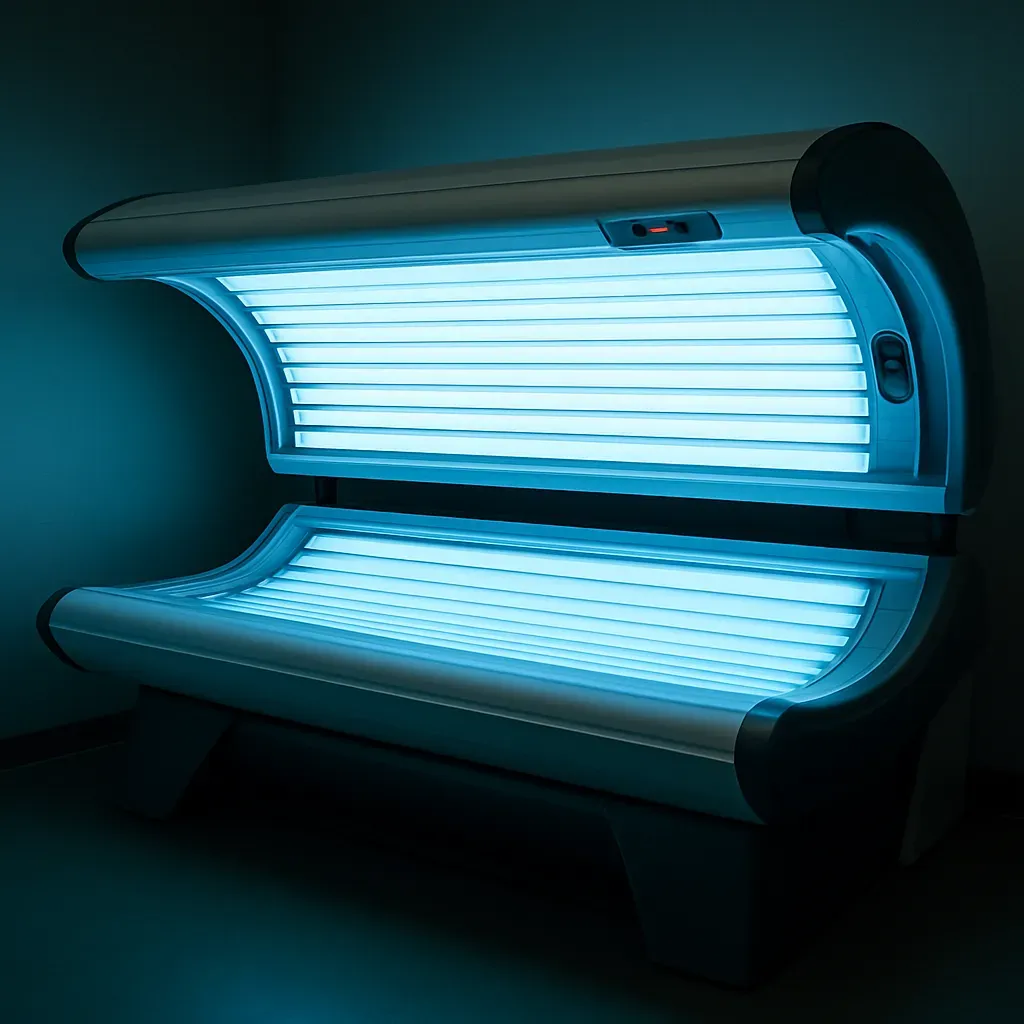
Sunbed misinformation is a concerning trend that poses serious health risks, especially to young people who are often targeted by misleading advertisements. Many tanning companies promote sunbed tanning as a safe method for achieving a bronzed glow, while downplaying the significant sunbed health risks associated with their use. Recent studies have shown that misleading tanning bed claims can lead individuals to believe they are safe or even beneficial, creating a dangerous gap in public understanding. Misconceptions about sun exposure myths proliferating online can result in misguided choices that have lasting consequences. As the number of young individuals using sunbeds continues to rise, it is crucial to address these false narratives and educate them on the real dangers of ultraviolet exposure.
The conversation around artificial tanning solutions, particularly sunbeds, is marred by a myriad of claims that lack scientific backing. Alternative terms like tanning machines and UV light beds often appear in discussions, with many businesses asserting fictitious health benefits associated with their use. This influx of unverified claims creates a fertile ground for misinformation, especially among the youth demographic who frequently seek quick tanning solutions. Despite the popularity of these methods, it is key to navigate through the jumble of information, discerning fact from fiction regarding the actual safety and efficacy of tanning through sunbeds. Increased awareness is essential in combating the rising tide of false health assertions linked to sunbed usage.
The Rise of Sunbed Misinformation Among Young People
In recent years, social media platforms have become a breeding ground for misinformation, particularly regarding sunbeds and their alleged health benefits. Companies promoting tanning beds have exploited these platforms to reach young audiences, propagating false claims that sunbeds can enhance energy levels, combat seasonal depression, and cure skin ailments. This dissemination of misleading information is not only irresponsible but poses serious health risks, especially to younger individuals who may be more susceptible to such persuasive advertisements. Some ads even suggest that short sessions on sunbeds can prevent illnesses like colds and flu, further enticing young users to engage in unsafe tanning practices.
The consequences of this misinformation are dire, as the belief that sunbeds are a safe alternative to natural sunlight can lead to increased usage among young people. According to surveys, a significant portion of individuals aged 18 to 24 have used sunbeds in the past year, and many still hold misconceptions about their safety. These alarming trends raise red flags about the need for better education regarding sunbed health risks, emphasizing the importance of disseminating accurate information to combat these dangerous myths.
Debunking Sunbed Tanning Claims
Tanning bed claims that suggest sun exposure from sunbeds is somehow beneficial for health are increasingly being scrutinized by health professionals. Dermatologists have pointed out that while sunbeds may emit UV rays, they do not produce the same health benefits as natural sunlight. For instance, the body does need vitamin D, which can be synthesized through sun exposure; however, the World Health Organization (WHO) advises that sunbeds are not an effective means to achieve this. Instead, they recommend a balanced diet supplemented with vitamin D when necessary, steering clear of tanning beds that may put individuals at risk for severe skin conditions.
Moreover, the notion that sunbeds can treat mental health disorders or aid in weight loss has also been met with strong opposition from mental health organizations. Claims that suggest ultraviolet rays can increase serotonin levels or facilitate weight loss are not supported by scientific evidence. Mental health experts categorize these statements as harmful and misleading, emphasizing the importance of relying on medically proven methods for treating mood disorders. Relying on sunbeds for mental health benefits is not only unfounded but also distracts from more effective treatments.
The Dangers of Sunbeds and Skin Cancer
The correlation between sunbed usage and an increased risk of skin cancer is well-documented, with studies indicating a significantly heightened risk of melanoma among individuals who use sunbeds, especially before the age of 35. Skin cancer rates have surged in many regions, and the heavy use of tanning beds is linked closely to these rising numbers. The findings of the British Association of Dermatologists and Cancer Research UK support the claim that almost 90% of melanoma cases could be prevented by avoiding sunbeds altogether. This stark realization underscores the need for public health campaigns that effectively communicate the true dangers of aesthetic tanning.
As social media continues to promote misinformation about the safety of sunbeds, young people remain at risk of adopting harmful tanning behaviors. Despite the evidence presented by health organizations, nearly a quarter of individuals under 25 believe that using sunbeds can actually lower their risk of developing skin cancer. This pervasive misconception can result in potentially life-threatening decisions, highlighting the crucial role of education and awareness in combatting sunbed-related myths.
Understanding the Regulatory Landscape of Sunbed Advertising
In response to the overwhelming misinformation regarding sunbed health claims, regulatory bodies like the Advertising Standards Authority (ASA) are stepping in to set stricter guidelines on the advertising practices of tanning salons. Recent campaigns aim to prohibit any assertions that sunbeds are risk-free or that they confer health advantages. The intention is to compel tanning salons and their marketers to adhere to responsible advertising standards that prioritize public health over profit. This regulatory effort seeks to protect consumers, especially younger individuals who might be influenced by enticing yet misleading ads.
The forthcoming guidelines are aimed explicitly at preventing the normalization of dangerous tanning behaviors that could escalate among young audiences. As the ASA prepares to implement these rules, there is an urgent call for the tanning industry to align its messaging with factual health information rather than misleading claims. Strictly regulating how sunbeds are marketed will ideally contribute to safeguarding younger populations from the lure of sunbed usage, which is steeped in significant health risks.
The Impact of Social Media on Youth Tanning Behavior
Social media platforms such as TikTok and Instagram are pivotal in shaping youth culture, including tanning trends. Due to the ease of sharing visual content, tanning salons can easily reach a wider audience, often without the scrutiny that traditional advertising faces. This platform dynamics enable the rapid spread of both information and misinformation, which poses challenges for young people trying to navigate their health choices. The promotion of sunbeds as an appealing method to achieve a bronzed look can lead to normalized tanning behaviors that overshadow the associated risks.
Furthermore, influencers and peer-led content can perpetuate harmful beliefs around the safety of sunbeds, reinforcing misconceptions about health benefits. Young audiences tend to trust and emulate the behaviors of social media personalities, amplifying the reach of unverified health claims. Therefore, it’s essential for campaigns targeting youth to be structured in a way that influences their perceptions positively, encouraging safe skin practices instead of reckless tanning behavior that can result in life-altering consequences.
The Role of Education in Combating Sunbed Misconceptions
Education plays a vital role in dispelling myths related to sunbeds and the supposed health benefits they offer. Health organizations are increasingly focusing on providing young people with accurate information about the dangers of tanning. Initiatives are being established in schools and community programs that emphasize the long-term risks of melanoma and other skin conditions linked to sunbed usage. These educational efforts aim to create a new generation of informed individuals who understand the real health impacts associated with tanning.
Additionally, incorporating discussions about skin health into regular health education curricula can foster a broader awareness of sun safety, helping to combat misinformation that proliferates online. By empowering young individuals with knowledge and critical thinking skills regarding sun exposure, the goal is to create a cultural shift that prioritizes skin health over appearance. This proactive approach can potentially mitigate future cases of skin cancer associated with sunbed use.
The Influence of Cancer Charities on Public Awareness
Cancer charities have taken on active roles in raising awareness about the risks of sunbeds and the misleading claims propagated by the tanning industry. Organizations like the Teenage Cancer Trust and Cancer Research UK work tirelessly to educate the public, especially within vulnerable demographics, about the potential health threats posed by sunbeds. Their campaigns aim to counteract the allure of tanning by presenting factual data and personal testimonies from cancer survivors, illustrating the severe repercussions of sunbed usage.
Furthermore, these charities advocate for stronger regulatory measures against misleading advertisements and promote community events that educate young people about sun safety practices. Through their efforts, they emphasize the message that while a tan may be popular, the health risks associated with sunbeds far outweigh any temporary aesthetic benefits. By rallying support and increasing visibility around the dangers of tanning, cancer charities play a crucial role in altering public perceptions and behaviors towards sunbed use.
Long-term Consequences of Ignoring Sunbed Risks
The long-term consequences of ignoring the health risks associated with sunbeds can be severe and life-changing. Many young people who engage in sunbed usage often do not consider that the repercussions of tanning can manifest many years down the line. Melanoma and other skin cancers may take years to develop, and the cumulative effects of UV exposure can lead to premature aging and increased susceptibility to skin disorders. Ignoring these realities can result in a generation that faces dire health challenges and a higher burden on healthcare systems.
Moreover, the potential for a public health crisis looms as more young individuals fall victim to the allure of sunbeds without a full understanding of the implications. The stressful reality is that even those who may not experience immediate adverse effects could pay the price decades later, facing not just health-related distress but also the emotional and financial burdens of treatment. Proactive education and widespread awareness campaigns are paramount to prevent future generations from repeating the same mistakes.
The Need for Responsible Marketing in the Tanning Industry
The tanning industry’s responsibility in marketing practices has come under scrutiny in light of recent findings regarding harmful advertising. As social media continues to amplify misinformation about sunbed safety and health benefits, the onus is on tanning salons and their associations to adopt responsible marketing strategies. These strategies should critically avoid making unfounded claims regarding the health benefits of tanning and focus instead on promoting safe practices. The immediate regulatory changes being proposed reflect a growing recognition of the need for ethical advertising in this sector.
Embracing responsible marketing can also foster trust between tanning establishments and their customers. By providing transparent information about the risks involved and adhering to regulatory guidelines, salons can position themselves as health-conscious entities rather than profit-driven businesses. This shift not only protects young consumers but could also enhance the reputation of tanning establishments in the long run, pairing aesthetics with safety.
Frequently Asked Questions
What are common misconceptions about sunbed health risks?
Many people mistakenly believe that sunbeds are safe and can provide health benefits, such as boosting vitamin D levels or treating skin conditions. In reality, extensive research links sunbed use to higher risks of melanoma and other skin cancers, particularly for individuals under 35.
What are the dangers of sunbed tanning promoted on social media?
Sunbed tanning is often marketed as a solution for energy boosts or skin treatment, which is dangerous misinformation. Experts warn that these claims are not substantiated and can lead young people to underestimate the significant health risks associated with UV exposure from tanning beds.
How do tanning bed claims mislead young users about sun exposure myths?
Tanning bed claims often perpetuate myths that sun exposure improves mood or helps with vitamin D deficiency. However, dermatologists emphasize that sunbeds are not effective for these purposes and actually contribute to increased cancer risks, especially among young people.
What role does social media play in spreading sunbed misinformation?
Social media platforms have become breeding grounds for sunbed misinformation, with many young individuals exposed to harmful advertisements that promote sunbed use as safe or beneficial. These misleading claims can distort perceptions of real sunbed health risks, particularly among vulnerable demographics.
Why do young people believe sunbeds reduce the risk of skin cancer?
Research shows that nearly 25% of individuals aged 18-25 mistakenly think that sunbed use reduces skin cancer risk. This harmful misinformation often stems from misleading marketing tactics and lacks a scientific consensus, which highlights the need for stronger education on sunbed health risks.
How effective is the regulation of tanning beds in the UK concerning health claims?
Currently, regulations are in place to limit the marketing of tanning beds in the UK. Organizations like the Advertising Standards Authority are developing new guidelines to prohibit false health claims and ensure that tanning salons do not mislead customers about the risks associated with sunbed use.
What health issues have been inaccurately associated with sunbeds?
Claims that sunbeds can alleviate conditions like seasonal affective disorder or vitamin D deficiency are inaccurate. Health authorities like the WHO clearly state that while sun Exposure is necessary for vitamin D production, sunbeds are not a safe option and pose serious health risks.
Can sunbeds really aid in weight loss according to tanning bed claims?
Tanning bed claims suggesting that sunbeds can aid in weight loss are unfounded and could potentially harm users. Health professionals assert that combining sunbed use with weight loss strategies is misleading and reinforces irresponsible messages about sunbed health risks.
What statistics highlight the dangers of sunbed tanning among young people?
Statistics indicate that using sunbeds before age 35 increases melanoma risk by 59%. Alarmingly, young women represent a significant portion of skin cancer diagnoses, with rising cases prompting health experts to call for more awareness regarding the serious risks associated with sunbed usage.
What should young people know about sunbed health risks and misinformation?
Young people should critically evaluate the sources of information regarding sunbed use and understand that the substandard health claims promoted by some salons are not backed by scientific evidence. It’s crucial to prioritize skin safety and well-being over misleading advertisements.
| Key Points |
|---|
| Sunbed ads spread harmful misinformation claiming health benefits during winter. |
| Social media platforms like TikTok, Instagram, and Facebook host misleading claims about sunbeds aiding energy and mental health. |
| Government and medical experts condemn these claims as dangerous and irresponsible. |
| Using sunbeds, especially before age 35, significantly increases melanoma risk. |
| A 2025 survey revealed 1 in 7 young adults used sunbeds, with many mistakenly believing they lower skin cancer risk. |
| Health experts urge young people to question misinformation and consider reliable sources. |
Summary
Sunbed misinformation is increasingly pervasive, misleading young people into believing that sunbeds provide health benefits, especially during winter months. Health experts and cancer charities stress the dangers of these claims, highlighting the serious risks associated with sunbed use, including an elevated risk of melanoma. It is crucial for consumers to seek accurate information and understand the health risks rather than rely on misleading advertisements.