
Listen to this article
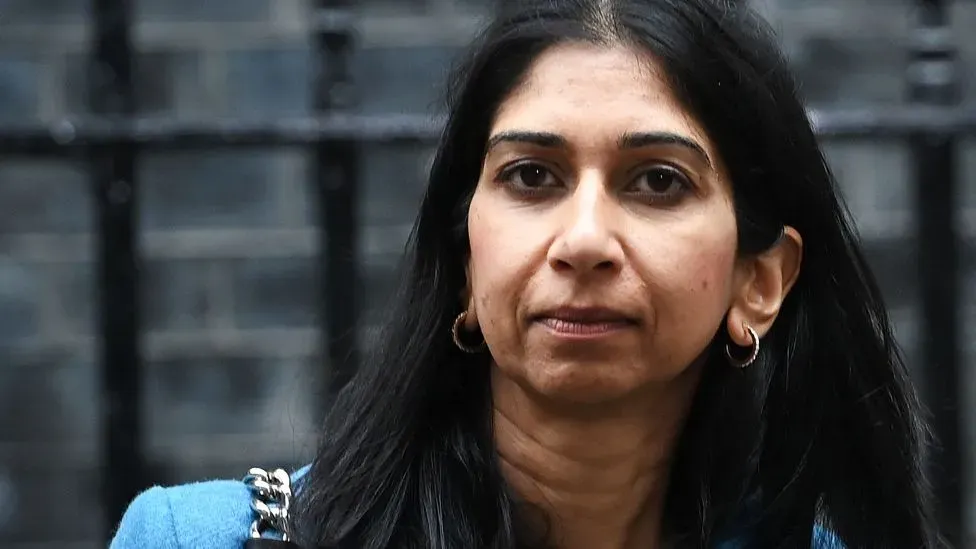
In a notable shift in British politics, Suella Braverman’s defection to Reform UK marks a significant moment, as she exits the Conservative Party after decades of service. The former Home Secretary, known for her vocal stances on immigration and law enforcement, has become the latest in a series of Tory MPs to join Nigel Farage’s party, raising questions about the future of the Conservative Party. During a rally in London, Braverman expressed her belief that a “better Britain is possible,” reflecting growing discontent among some conservatives with their party’s direction. Her defection is part of a broader trend, with several Tory MPs opting to realign with Reform UK amid dissatisfaction with party leadership. As the Reform UK latest news unfolds, Braverman’s move not only reshapes the dynamics within Parliament but also underscores the ongoing debate about the Conservative Party’s identity and future, especially in light of her past controversies and political aspirations.
Suella Braverman’s recent move to join Reform UK encapsulates a significant wave of Conservative Party defections, stirring discussions about political realignment in Britain. As ex-Tory MPs flock to Nigel Farage’s party, many observers are beginning to question the stability and direction of the traditional right. The defection of prominent figures like Braverman is not merely a shift in allegiance but also indicates a deeper rift within the party concerning policies and leadership. Terms like Conservative Party realignment and political discontent are becoming increasingly prevalent as the landscape of British politics evolves. This migration to Reform UK signals a potential reconfiguration of center-right politics in the UK, where identity, ideology, and leadership challenges intersect.
Suella Braverman’s Defection to Reform UK
Suella Braverman’s recent decision to defect from the Conservative Party to Reform UK has stirred significant political debate. As a former Home Secretary, her transition marks a significant shift in the political landscape, particularly as she becomes the latest in a series of Tory MPs to seek a new path under Nigel Farage’s leadership. For Braverman, her move symbolizes not just a change in party allegiance but an ideology that seeks to reclaim British values and sovereignty. She emphasizes her belief that a ‘better Britain is possible,’ suggesting her ambition to spearhead reforms that resonate with the right-wing voter base disillusioned by the current Conservative leadership.
At a rally announcing her defection, Braverman highlighted her frustration with what she termed a ‘broken’ Britain, tackling the urgent issues of immigration and national identity. Her speech resonated with supporters who feel that the Conservative Party has strayed from its core principles. By pledging her allegiance to Reform UK, she aims to galvanize support for policies that promise to take a firmer stance on immigration. This strategic maneuvering could potentially reshape voter allegiances ahead of the next general election, as Reform UK seeks to position itself as a formidable alternative to the established parties.
Braverman’s exit from the Conservative Party isn’t isolated; it reflects a broader trend of discontent among Tory MPs. With multiple defections occurring in short succession, there’s a growing narrative that some within the Conservative ranks feel sidelined by the party’s current direction. Her departure raises questions about the future cohesion of the Conservative Party and whether figures like Braverman will manage to galvanize enough support to pose a significant challenge to incumbents at the polls. Furthermore, her longstanding criticisms of the party leadership add a layer of complexity to her narrative against the backdrop of party unity.
Nigel Farage’s Reform UK has welcomed Braverman with open arms, signifying his intent to consolidate right-wing votes in the political spectrum. The party’s recent surge in membership and public profile can be partially attributed to such high-profile defections, which may signal a shift in the political tide. Braverman’s switch not only adds to Reform UK’s parliamentary numbers but also injects a sense of legitimacy and recognition, especially among traditional Conservatives disillusioned by Westminster politics. As Farage faces the challenge of defining Reform UK’s identity, Braverman’s presence could prove pivotal in attracting voters looking for a distinct alternative.
Impact of Conservative Party Defections
The recent trend of Tory MPs defecting to Reform UK reveals internal fractures within the Conservative Party, suggesting a significant realignment in British politics. As prominent figures like Suella Braverman, Robert Jenrick, and Andrew Rosindell choose to leave, it raises critical questions about the direction of the Conservative Party and its ability to appeal to its traditional base. Each defection signals growing dissatisfaction with party leadership and policies, particularly concerning issues like immigration management and adherence to European directives.
These decisions by former members also place greater pressure on Prime Minister Rishi Sunak to fortify party unity and regain the loyalty of disenchanted constituents. With MPs articulating that they feel more aligned with the ideals espoused by Reform UK, the Conservative leadership may need to reevaluate its strategy leading up to the next election. The tactical loss of seasoned politicians may not only affect party dynamics but could also alienate voters who prefer more conservative, right-leaning policies, pushing them towards a redefined Reform UK.
The rise of parties like Reform UK, often branded as populist alternatives by critics, reflects a broader sentiment of disenchantment with the traditional two-party system. Parties such as Labour and the Liberal Democrats must remain vigilant, as the emergence of Reform UK utilizing ex-Tory MPs demonstrates an adaptable political landscape. This is particularly concerning for the Conservatives, as losing members who have been vocal about core issues can negatively impact their chances in critical elections. Consequently, the ongoing shifts should prompt a strategic recalibration among the main political parties.
As former members of the Conservative Party transition to Reform UK, the implications stretch beyond mere political allegiance. This movement challenges traditional voting patterns and raises dilemmas for both the Conservatives and other parties absorbed in a fight for ideational purity. Braverman’s comments on the Conservative Party’s future echo a broader narrative—her claim of seeking ‘home’ reflects many right-wing voters’ aspirations for a party that actively champions their views on governance, immigration, and national identity.
The Role of Leadership in Political Defections
Suella Braverman’s defection exemplifies how party leadership can heavily influence individual MPs’ decisions. Leaders set the strategic direction and tone for party policies, which can sometimes alienate more conservative factions within the party. Despite Rishi Sunak’s efforts to unite the party, his approach may not resonate with every member, particularly those espousing traditional Tory values closely aligned with hard-line immigration policies. In this context, Braverman’s departure underscores broader leadership challenges faced by the Conservatives.
The departure of Braverman and other members reflects on Sunak’s leadership narrative, prompting discussions about what constituents truly desire from their party. Leadership is not merely about maintaining the status quo; it is about engaging with and addressing party memberships’ deep-seated ideologies. As Braverman and others articulate their reasons for leaving, it becomes clear that a disconnect exists between party leadership’s actions and member expectations. Achieving unity amid diverse ideologies thus remains a critical task not just for the Conservatives but for other political entities recognizing the shifting allegiances.
In addition to addressing internal challenges, the leadership must also navigate external perceptions shaped by defector statements. Braverman’s poignant remarks regarding the failures of the previous Conservative administration reflect an emerging narrative that could impact public opinion. How the leadership responds to such critiques, whether by reforming policies or attempting to clarify party platforms, will ultimately dictate their electoral viability as they strive to recapture disillusioned voters who may now look toward Reform UK.
Ultimately, the defection phenomenon highlights the tension between party leadership and its grassroots support. As MPs like Braverman seek to align more closely with their constituents through Reform UK, the Conservative Party must reckon with its internal dynamics. The success of party leaders will depend on how effectively they can bridge ideological divides and provide clarity on their vision for the future, lest they continue to see members gravitate towards alternatives with compelling narratives and a clear sense of purpose.
Nigel Farage’s Strategy in Attracting Defectors
Nigel Farage’s strategy in attracting former Conservative MPs like Suella Braverman has been focal in shaping the narrative of Reform UK as a viable alternative. By offering a platform that resonates with traditional conservative values and allowing these MPs to voice their discontent with the Conservative Party leadership, Farage effectively positions himself as the leader of a movement that seeks to reclaim lost ground among right-leaning voters. His ability to unify discontented members under a singular vision could play a critical role in transforming the party’s electoral prospects.
At the heart of Farage’s strategy is his long-standing critique of the state of British politics, particularly emphasizing sovereignty and immigration issues that resonate deeply with voters. His conversations with defectors like Braverman highlight a calculated approach to cultivate a narrative of empowerment, encouraging them to embrace the idea that they can have an impact beyond the Conservative framework. This strategy not only aims to consolidate the existing right-wing electorate but also seeks to attract undecided voters looking for a robust alternative.
Farage’s capacity to attract experienced politicians underscores Reform UK’s emergence as a credible challenger to traditional parties. The influx of voices like Braverman’s reflects the mounting frustration within the Tory ranks, bolstering Farage’s efforts to portray himself and his party as champions of a more authentic conservative agenda. Such developments open up significant discussions about future political alignments, with Farage aiming to reshape the political dialogue to embrace a simpler, more direct approach that could appeal to disillusioned Conservative supporters.
With prominent figures lending their support and credibility to Reform UK, Nigel Farage stands poised to reshape the dynamics of British politics. By articulating a vision that emphasizes a break from the shortcomings of the Conservative Party, he attempts to solidify Reform UK’s standing as a key player in upcoming elections. The successful integration of defectors into this narrative may serve to enhance both the party’s visibility and its appeal to voters eager for change.
The Future of the Conservative Party Post-Defections
The ongoing defections from the Conservative Party cast a shadow over its future viability as a dominant political force in British politics. Members like Suella Braverman, who have vocalized their criticisms of party leadership and direction, raise the stakes for the Conservatives as they confront an increasingly competitive electoral landscape. The question remains whether the party can stabilize its internal divisions and regain the trust of those aligned with its foundational principles as other parties actively seek to exploit their vulnerabilities.
The Conservative Party must navigate the challenging landscape resulting from these deflections, as public opinion shifts toward alternative bodies promoting right-leaning policies. For many party loyalists, Braverman’s remarks encapsulate a sense of urgency to rectify perceived failures, pointing to the need for greater coherence between party actions and member values. Balancing this internal pressure with the necessity to unite factions will prove pivotal in shaping: policies, messaging, and the overall party strategy as the next general election approaches.
Leadership changes or recalibrations may become an essential aspect of the Conservative Party’s strategy, as internal dissent grows. Decisions regarding policy reform, especially on immigration and sovereignty, will need to resonate with both party members and the electorate at large to reclaim lost support. These pressures also evoke the importance of unity over ambition, as figures who prioritize personal aspirations above party cohesion may further exacerbate existing challenges.
The emergence of Reform UK as a viable alternative highlights an urgent need for the Conservative Party to reassess its trajectory. As former members chart their courses with Farage’s party, the Conservatives must demonstrate they can provide solutions that inspire loyalty. Establishing a clear, coherent vision that appeals broadly to the electorate may determine whether the party can rebound successfully or risks further fragmentation.
Public Reaction to Defections and Reform UK
The public reaction to Suella Braverman’s defection, coupled with other Tory MPs shifting allegiance to Reform UK, has been one of mixed sentiments. Polling indicates a growing interest in Reform UK, fueled by dissatisfaction with current Conservative policies, especially concerning immigration and national governance. Voters are increasingly receptive to narratives that address their concerns about a ‘broken’ Britain; therefore, Braverman’s vocal stance may contribute significantly to Reform UK’s visibility and traction among disaffected Conservative voters.
Conversely, some segments of the public view these defections as self-serving moves driven by individual ambitions rather than a genuine commitment to addressing the needs of the electorate. Labour Party chair Anna Turley characterized the phenomenon as Farage’s recruitment of ‘failed Tories,’ framing the narrative around moving away from accountability rather than toward solutions. This framing may resonate with voters looking for consistent leadership rather than party-hopping opportunism.
Despite the polarizing perspectives, the apparent momentum behind Reform UK indicates that voters are eager for alternatives. Braverman’s departure adds to Nigel Farage’s strategy of presenting a united front of discontent, which could prove pivotal in electoral contests where traditional party loyalties are waning. Such reactions underline a seismic shift in political engagement in Britain, where clarity on issues resonates more with the electorate than allegiance to party lines.
In light of these developments, public attention will heavily focus on how Reform UK manages to harness this momentum. The ongoing political dialogue surrounding leadership effectiveness, accountability, and proactive policies will likely dictate voter behavior in the future. As ex-Tory MPs bring new energy and voices to Reform UK’s agenda, party leaders across the spectrum will need to recalibrate their messaging to meet this evolving political landscape.
Challenges Ahead for Suella Braverman and Reform UK
As Suella Braverman embarks on her journey with Reform UK, the challenges ahead are significant. While her defection has the potential to invigorate the party, it also comes with heightened expectations from supporters who want immediate results and impactful policies to address pressing issues. The integration of former Conservative MPs into Reform UK’s fold creates an opportunity for robust debate, but it can also lead to internal conflicts if ideological disparities are not carefully managed.
Furthermore, Braverman must confront the scrutiny that accompanies high-profile defections. Critics will undoubtedly question her motives and past actions while in the Conservative Party, as Labour and Liberal Democrats are quick to highlight inconsistencies in her political narrative. Balancing the desire to advocate for change with the critique that comes from political opponents will require strategic communication that resonates with the electorate’s frustrations.
Equally important will be how Farage positions Braverman within the broader Reform UK framework. Defining her role effectively will be critical in inviting voter confidence while presenting a cohesive message that appeals to the party’s base. The dynamics of party leadership will also play a crucial part in shaping the future direction of both Braverman and the Reform UK agenda.
Moving forward, Braverman’s focus will need to be on building genuine connections with constituents, revitalizing the ideological core of Reform UK, and addressing core issues with real solutions to show that her defection is more than just a political maneuver. As the political landscape evolves, navigating these complexities will be vital in determining both her success and that of Reform UK in upcoming electoral competitions.
Frequently Asked Questions
What prompted Suella Braverman’s defection to Reform UK?
Suella Braverman, the former Home Secretary, cited her belief that ‘a better Britain is possible’ as her motivation for defecting to Reform UK. She expressed dissatisfaction with the current state of the Conservative Party and stated that Britain is ‘broken’ and immigration is ‘out of control.’
Who are the other Tory MPs that have defected to Reform UK recently?
In addition to Suella Braverman, two other Tory MPs, Robert Jenrick and Andrew Rosindell, have defected to Reform UK within the last few weeks, bringing the total number of MPs in Farage’s party to eight. This trend indicates a growing discontent among Conservative MPs with the current party leadership.
What did Suella Braverman say about her affiliation with the Conservative Party during her rally for Reform UK?
During her rally for Reform UK, Suella Braverman announced that she had resigned her Tory membership of 30 years, stating, ‘I feel like I’ve come home.’
| Key Point | Details |
|---|---|
| Suella Braverman Defection | Braverman has defected from the Conservative Party to join Reform UK, making her the third Tory MP to do so in recent weeks. |
| Reasons for Defection | Braverman cited a desire for a ‘better Britain’ and claimed the country was ‘broken’, with issues like immigration being ‘out of control’. |
| Previous Political Role | She served as Home Secretary and was known as a right-wing figure in the party. |
| Comments from Farage | Nigel Farage indicated he’s been in talks with Braverman for over a year and criticized her previous tenure as home secretary. |
| Future Implications | Braverman’s defection could signal shifts in party loyalties and alliances within British politics. |
| Party Responses | The Conservative Party remarked on Braverman’s defection as inevitable and highlighted her past as a leadership candidate. |
Summary
Suella Braverman’s defection to Reform UK marks a significant shift in the landscape of British politics. As one of the prominent former members of the Conservative Party, her move not only signifies her discontent with the current leadership but also reflects broader tensions within the Tory ranks. This transition highlights the challenges the Conservative Party faces as it grapples with internal divisions and the emergence of new political alliances. With multiple defections to Reform UK, the implications for future elections and party dynamics are profound, suggesting a possible realignment of the political spectrum in the UK.

