
Listen to this article
A Winning Business Plan is the cornerstone of successful entrepreneurship, acting as a strategic guide that paves the way for attracting potential investors. This essential document not only outlines your business objectives but also serves to effectively convey your vision, mission, and operational blueprint. By focusing on a solid business plan structure, including a compelling investor pitch, you can significantly enhance your chances of securing funding. Moreover, the business planning process encompasses crucial elements such as market research, financial projections, and a well-crafted marketing strategy, all of which play vital roles in convincing investors of your business’s potential. In this increasingly competitive landscape, mastering the art of business planning is more important than ever for budding business owners.
Introducing a comprehensive business strategy is fundamental for entrepreneurs looking to make their mark in the industry. This crucial framework, often referred to as a business blueprint, captures the essence of your enterprise and its path to success. Core components, such as effective market analysis, fiscal forecasts, and promotional tactics, are key to persuading stakeholders and investors alike. A robust operational guide not only defines your unique objectives but also showcases your understanding of the market dynamics that could impact your venture. Adopting a structured approach to business planning ensures you are well-prepared to navigate the complexities of launching and sustaining a successful business.
Understanding Business Plan Structure
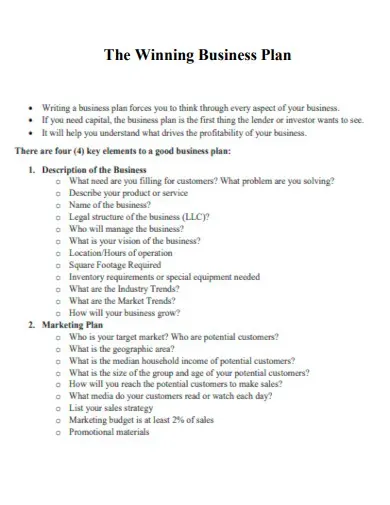
When creating a business plan, understanding the intricate components that make up its structure is crucial. A strong business plan consists of several key sections, including the executive summary, market analysis, organization and management, along with financial projections. Each part serves a specific purpose and helps paint a comprehensive picture of your business to potential investors. An organized structure not only helps in presenting your ideas clearly but also demonstrates your commitment and professionalism, qualities that resonate well with investors.
Additionally, your business plan must outline the operational aspects, how the business will function day-to-day, and how it ultimately plans to achieve its objectives. This includes defining your target market and explaining your marketing strategy, as well as establishing realistic financial projections. The more detailed your plan is, the more confidence you will instill in investors, who seek assurance that their investment will be sound and secure.
The Importance of a Winning Business Plan
A winning business plan is not just a tool for securing funding; it is the very backbone of your entrepreneurial journey. It outlines your business vision and acts as a blueprint that guides you through the challenges of starting and growing a business. Investors gravitate towards well-crafted business plans because they seek a tangible representation of your vision, goals, and strategies, making your plan an essential component in the quest for funding.
Moreover, your business plan should encompass the objectives and strategies you intend to implement to capture the market effectively. It should include a robust analysis of market trends, competitor positioning, and customer behaviors, showcasing how you plan to capitalize on opportunities while mitigating risks. Ultimately, a good business plan not only impresses potential investors but also lays down a clear pathway for your company’s growth and success.
Conducting Effective Market Research
Conducting effective market research is paramount for informing your business planning process. Without a deep understanding of the market landscape, you risk entering the market blind, which could lead to missed opportunities or costly mistakes. Market research enables you to identify your ideal target audience as well as comprehend their needs, preferences, and buying behaviors. This critical information helps in tailoring your products and services to meet the demands of potential customers, thereby enhancing your chances of success.
Additionally, analyzing competitors forms an essential part of your market research. By examining what successful competitors are doing, you can uncover their strengths and weaknesses, allowing you to position your own business more strategically. Effective market research also highlights emerging trends within the industry, preparing you to adapt your marketing strategy and stay ahead of the curve as the marketplace evolves.
Setting Clear Objectives for Success
Setting clear, measurable objectives is a fundamental step in any business planning process. Utilizing the SMART criteria — Specific, Measurable, Achievable, Relevant, and Time-bound — to develop your objectives ensures that they are not only realistic but also aligned with your overall business vision. Well-defined goals help you maintain focus and provide a basis for evaluating progress over time, which is essential for entrepreneurial success.
Moreover, these objectives should be reflective of insights gained from your market research. By setting targets based on solid data, you can devise realistic strategies and marketing initiatives that are more likely to yield positive results. This approach ultimately enhances investor confidence, as they see that your objectives are backed by thorough research and practical foresight.
Creating a Sustainable Business Model
Your business model is crucial for outlining how your company will generate revenue and sustain itself in the market. It is important to analyze various types of business models available—whether it be a subscription service, freemium offerings, or an e-commerce platform—and choose one that aligns best with your target audience and market dynamics. A sound business model is integral to your financial projections as it defines your source of income and guides your future actions.
Additionally, a sustainable business model will consider the long-term viability of your operations. It should take into account changing customer preferences, technological advancements, and competition, allowing you to pivot and adapt as necessary. Investors are particularly interested in how robust and flexible your business model is, as this defines the likelihood of your business’s success over time.
Crafting a Compelling Marketing Strategy
A compelling marketing strategy is an essential component of your business plan that details how you will attract and retain customers. It should cover various aspects such as content marketing, social media engagement, and email campaigns, allowing you to tap into different customer segments effectively. A well-structured marketing strategy not only aids in brand awareness but also builds lasting relationships with your audience, which can translate into customer loyalty and repeat business.
Furthermore, your marketing strategy should be data-driven, leveraging insights from your market research and consumer analytics. By understanding what resonates with your target audience, you can craft messages and campaigns that capture their attention and drive sales. Investors look for businesses that have a clear plan for customer acquisition and retention, and a robust marketing strategy plays a key role in demonstrating that capability.
Frequently Asked Questions
What are the key components of a winning business plan structure?
A winning business plan structure typically includes an executive summary, business description, market analysis, organization structure, product line or services, marketing strategy, and financial projections. Each section plays a crucial role in effectively communicating your business vision and attracting investors.
How can I craft an effective investor pitch using my business plan?
To craft an effective investor pitch, start by summarizing your business plan in a compelling way that highlights your vision, market opportunity, business model, and financial projections. Tailor your pitch to address investor interests and concerns, providing clear evidence of market demand and your strategic advantages.
What role does market research play in developing a winning business plan?
Market research is essential in developing a winning business plan. It helps identify your target audience, analyze competitors, and understand market trends. These insights refine your marketing strategy and business model, ensuring that your plan is data-driven and attractive to potential investors.
How do financial projections enhance a winning business plan?
Financial projections are a critical component of a winning business plan because they provide a roadmap for expected revenues, expenses, and profitability over time. Injucting clear, realistic financial data also builds credibility with investors, showcasing your understanding of the business planning process and your preparedness for potential challenges.
What makes an effective marketing strategy in a winning business plan?
An effective marketing strategy within a winning business plan clearly outlines your approach to attracting and retaining customers. It should incorporate various channels such as content marketing, social media, and email campaigns, supported by market research to ensure alignment with your target audience’s needs and preferences.
How can I ensure my objectives are clear and measurable in my business plan?
To ensure your objectives are clear and measurable, apply the SMART criteria: Specific, Measurable, Achievable, Relevant, and Time-bound. By clearly defining these objectives in your business plan, you make it easier to track progress and demonstrate to investors how you plan to achieve your business goals.
What types of business models should I consider for my winning business plan?
When developing a winning business plan, consider various business models such as subscription models, freemium models, or e-commerce models. Choose a model that aligns with your target market and business vision, ensuring it effectively communicates how your business will generate revenue and sustain growth.
| Key Point | Description |
|---|---|
| Define Your Vision and Mission | Establish your long-term goals and purpose, differentiating your business from competitors. |
| Conduct Market Research | Analyze your target audience, competitors, and market trends to refine your business strategies. |
| Set Clear Objectives | Utilize the SMART criteria to create measurable objectives that guide operations. |
| Create Your Business Model | Outline how your business will generate revenue through suitable models like subscription, freemium, or e-commerce. |
| Develop a Marketing Strategy | Detail your promotional efforts through content marketing, social media, and email campaigns. |
Summary
A Winning Business Plan is essential for any entrepreneur looking to secure funding and guide their business toward success. Engaging with this topic shows that you’re on the right path to understanding how a well-crafted business plan attracts investors. By defining your vision and mission, conducting thorough market research, setting clear objectives, creating an effective business model, and developing a strong marketing strategy, you are equipped to present your venture in a compelling way. Ultimately, it’s about telling your story convincingly and demonstrating your preparedness to jump into the marketplace.