Listen to this article
In the realm of Middle East news, staying updated on the latest developments is more important than ever. The region is a tapestry of intricate political dynamics, economic shifts, and vigorous social movements that shape global conversations. Recent Middle East current events highlight the evolution of governance and public sentiment, particularly in nations grappling with reformative changes. Additionally, insights into the Middle East economy reveal how countries are adapting to post-pandemic realities and diversifying their industries. Whether it’s political transformation, economic recovery, or social activism, understanding these factors is essential for grasping the complexities of Middle Eastern politics today.
As we delve into contemporary happenings in this pivotal region, it’s imperative to examine what’s unfolding beyond just headlines. The events shaping Middle Eastern affairs today encompass a variety of influences that sway social dynamics, economic trends, and political strategies. From democratic movements seeking accountability to economic initiatives aimed at sustainability and diversification, these developments are crucial for understanding the shifting landscape. The voices of the young and the ambitions of governments are intertwined, showcasing a compelling narrative of progress and struggle. By engaging with these unfolding contexts, we can appreciate the broader implications that extend far beyond the Middle East.
Key Political Events Shaping the Middle East Today
In recent months, the Middle Eastern political landscape has experienced a seismic shift with elections and power transitions that could redefine regional alliances. Countries such as Egypt, Lebanon, and Iraq have seen significant electoral activities, reflecting both public discontent and aspirations for reform. With these changes, there is a notable rise in political parties that champion transparency and accountability, which can be seen as a response to years of authoritarian rule. This trend suggests that the public appetite for reform might compel governments to alter their approaches towards governance, potentially impacting foreign relations and domestic policy-making.
The implications of these political developments stretch beyond mere election results. As parties that promote reform ascend, we may witness changes in regional strategies regarding issues like security, economic policies, and responses to social movements. The enhancement of youth participation in the electoral process underscores a generational shift that could recast the political narrative in the Middle East. Moreover, international observers are closely monitoring these elections, understanding that shifts in political power could alter long-standing diplomatic relationships with global powers.
Middle East Economy: Recovery and Growth Initiatives
As economies across the Middle East grapple with the aftershocks of the global pandemic, the focus has shifted to recovery strategies tailored to foster resilience and promote diversification. Nations such as the UAE, Qatar, and Saudi Arabia are investing heavily in sectors that promise growth beyond oil, including technology, tourism, and sustainable energy. These investments not only aim to reduce dependency on traditional energy resources but also seek to create job opportunities and stimulate economic activities that can sustain long-term growth. The initiatives undertaken, like Saudi Arabia’s Vision 2030, emphasizes a transformative journey towards a diversified and sustainable economy.
However, the road to recovery is fraught with challenges. Economies within the Middle East face inflationary pressures and supply chain disruptions exacerbated by global economic uncertainties. For instance, fluctuations in oil prices significantly impact the Gulf States’ economies, making it necessary for nations to establish more stable economic foundations. What’s vital is keeping an eye on collaborative efforts among Middle Eastern countries that can lead to economic integration and resilience against external shocks, ultimately influencing regional economic stability.
Humanitarian Crisis: Insights from Conflict Zones
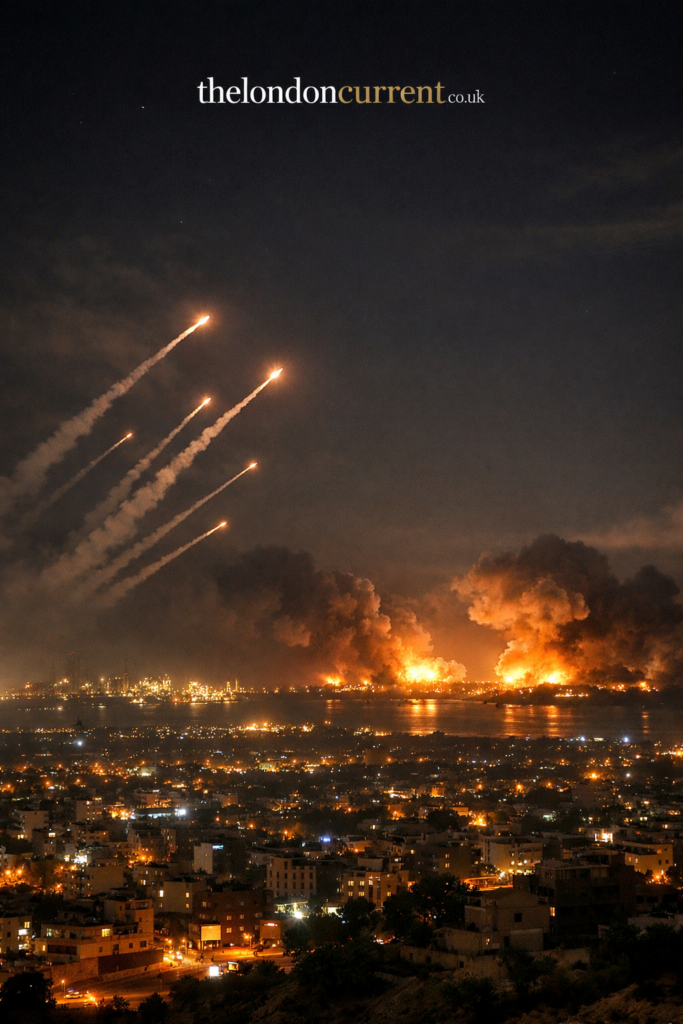
Conflict in the Middle East, particularly in regions like Syria and Yemen, has resulted in dire humanitarian crises that necessitate global attention. Millions are affected by violence and displacement, leading to urgent humanitarian needs. Organizations such as the United Nations are playing a crucial role by providing emergency aid and facilitating peace talks aimed at resolving these prolonged conflicts. The persistence of violence and instability has resulted in alarming levels of poverty and health disasters, which create an urgent need for international diplomatic interventions and humanitarian support.
Moreover, the ongoing conflicts have profound implications for Middle Eastern politics and humanitarian efforts. The societal impact of conflicts, including the rise of displaced populations, stresses neighboring countries and amplifies regional tensions. It’s essential to stay updated on the latest developments through reputable news sources, as understanding the nuances of these humanitarian crises reveals the interconnectedness of political, economic, and social factors at play in the Middle East.
Social Movements: Voices of Change in the Middle East
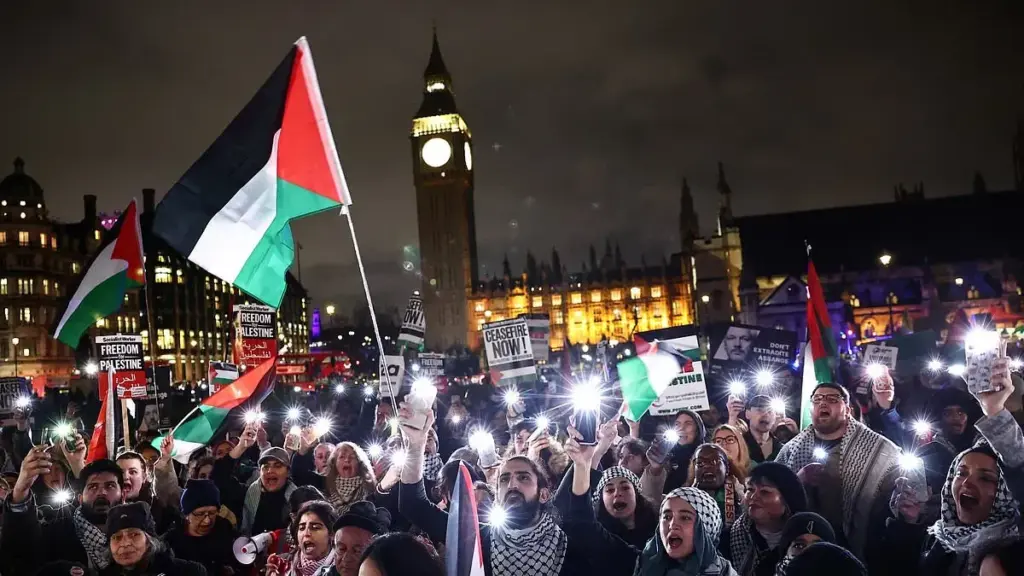
The recent surge in social movements across the Middle East is representative of a populace calling for change amid economic hardship and political repression. Young activists have utilized social media platforms to organize protests, demanding greater political freedoms and social rights. The protests in Iran serve as a poignant illustration of this growing dissent, where citizens are mobilizing against governmental restrictions and advocating for civil liberties. The role of social media cannot be overstated, as it has become a powerful tool for grassroots organization, giving voice to those who often feel unheard by traditional political establishments.
These social movements reflect a broader trend of citizens striving for accountability and reform in their governments. The response from authorities has varied, with some governments adopting repressive measures to quash dissent, while others have initiated dialogues addressing the grievances raised by protesters. Understanding the dynamics of these movements is critical, as they not only shape public discourse but also influence policy and governance in the long run. Observing these changes will provide insights into the future direction of Middle Eastern society.
Environmental Challenges: Climate Change in the Middle East
Climate change poses an existential threat to the Middle East, marked by severe droughts, water scarcity, and extreme heat. As nations prioritize economic growth, the need for sustainable practices becomes increasingly critical. Recent reports indicate that countries, particularly in the Gulf region, are recognizing the importance of environmental policies and are taking steps towards implementing renewable energy solutions, such as solar and wind energy projects. The UAE’s commitment to investing in solar energy illustrates a significant shift in energy policy, paving the way for cleaner energy consumption and reduced carbon emissions.
Furthermore, the collaboration on environmental issues signifies a collective recognition of shared vulnerability to climate impacts. Regional partnerships can foster knowledge sharing and increase investment in sustainable technologies, which can help mitigate adverse effects on communities reliant on agriculture and water resources. Keeping abreast of these developments is vital, as they not only affect the region’s environmental sustainability but also have implications for economic resilience and political cooperation in addressing climate challenges.
Frequently Asked Questions
What are the latest Middle East current events shaping regional politics?
Recent Middle East current events include significant elections in Iraq and Lebanon, where shifts in political power are occurring. These changes indicate a potential move towards new policies that focus on reform and stability, which could influence regional relations and governance structures.
How is the Middle East economy adapting post-COVID-19 pandemic?
The Middle East economy is witnessing a shift towards recovery with initiatives aimed at diversifying economies beyond oil dependency. Countries like Saudi Arabia are advancing their Vision 2030 plans to enhance sectors such as tourism and entertainment, positioning themselves for a more resilient economic future.
What social movements are currently impacting Middle Eastern politics?
Middle Eastern politics are being shaped by vigorous social movements and public protests, particularly among the youth. Issues such as economic hardship and demands for political freedoms have led to widespread demonstrations, notably in Iran, highlighting the region’s transformative social dynamics.
What is the status of humanitarian crises in conflict zones within the Middle East?
Conflict zones in the Middle East, notably Yemen and Syria, continue to face dire humanitarian crises exacerbated by ongoing violence and displacement. Efforts from international organizations like the United Nations are crucial in providing aid and facilitating peace talks to address these complex issues.
How are Middle Eastern countries addressing climate change and environmental issues?
Middle Eastern countries are increasingly acknowledging the urgent need to tackle climate change and environmental issues, focusing on sustainable practices. For example, the UAE is investing in solar energy as part of its strategy to combat droughts and water scarcity, reflecting a growing commitment to environmental sustainability.
| Key Points | Details |
|---|---|
| Political Developments | Significant elections in Iraq and Lebanon, shifting power dynamics favoring reformists. |
| Economic Recovery | Gulf States focusing on diversification post-COVID with initiatives like Saudi Vision 2030. |
| Conflict Zones | Humanitarian crises in Yemen and Syria, with ongoing violence affecting millions. |
| Social Movements | Public protests in several countries driven by economic issues and demands for rights, especially youth-led movements in Iran. |
| Environmental Issues | Vulnerability to climate change, with the UAE investing in solar energy to combat challenges. |
Summary
Middle East news is vital for understanding the complexities of this dynamic region. Recent developments highlight political shifts, economic recovery efforts, ongoing conflicts, powerful social movements, and pressing environmental issues. By keeping abreast of these key stories, readers can gain a comprehensive view of the region’s challenges and advancements, ultimately fostering informed discussions and advocacy for future change.