Listen to this article
When it comes to statin safety, recent research has provided valuable insights that challenge misconceptions surrounding these cholesterol-lowering medications. Millions of individuals rely on statins to enhance their heart health, and a comprehensive review indicates that these drugs are significantly safer than previously believed. Many concerns associated with statin side effects, such as memory loss and sleep disturbances, were found to be largely unfounded. In fact, statins effectively reduce the risk of serious cardiovascular disease, which is a leading cause of mortality. This growing understanding underscores the importance of reconsidering how we communicate about cholesterol medication and its life-saving capabilities.
Exploring the safety of cholesterol-lowering treatments like statins reveals a wealth of information that can greatly influence patient care. These medications, crucial for managing levels of ‘bad’ LDL cholesterol, have been scrutinized due to potential adverse effects that may deter individuals from pursuing heart-healthy options. However, many studies affirm their role in cardiovascular disease prevention while dispelling myths about serious side effects. Alternative terminologies, such as lipid-lowering agents, can also assist in broadening the conversation about their benefits. Ultimately, clarifying these issues not only informs medical practitioners but also empowers patients to make knowledgeable decisions about their health.
Understanding Statin Safety in Heart Health
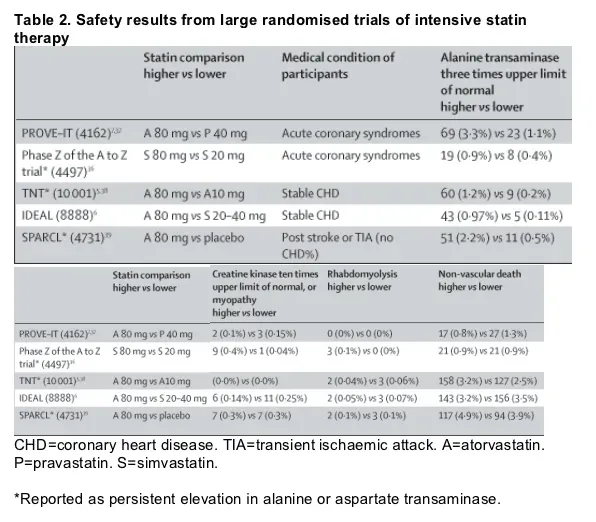
Statin safety has become a dominant topic in discussions about heart health and cholesterol medication. Recent reviews indicate that statins, commonly prescribed to lower LDL cholesterol, are much safer than historically portrayed. Many patients fear the potential side effects, often highlighted in package leaflets, that have deterred them from initiating or continuing statin therapy. This study reassures that, while some individuals may experience mild side effects, the majority of adverse claims are unfounded and unsupported by clinical evidence.
The heart health benefits of statins cannot be overlooked. They effectively lower ‘bad’ cholesterol, significantly reducing the risk of heart attacks and strokes, which are leading causes of cardiovascular disease. With around 10 million deaths attributable to cardiovascular issues worldwide, understanding the comparative safety of statins is crucial in mitigating potential risks. Having accurate information promotes better health decisions and encourages more patients to utilize these life-saving medications.
The Effectiveness of Statins in Cardiovascular Disease Prevention
Statins have been repeatedly recognized for their effectiveness in lowering cholesterol and preventing cardiovascular disease. Researchers, including those from prestigious universities, have demonstrated that these medications are pivotal in safeguarding heart health. A notable review revealed that out of 66 side effects typically associated with statin use, only a few were found truly linked to the medication. Most patients report outcomes that align more closely with those on placebo, reinforcing the medication’s efficacy without significant detriment.
Studies consistently affirm that statins can prevent cardiovascular events such as heart attacks and strokes, supporting their use in diverse patient populations. In individuals at high risk for heart disease, statin therapy has proven essential in managing cholesterol levels and reducing mortality rates. Therefore, promoting awareness about their effectiveness and safety is critical in clinical practice. Ensuring healthcare providers and patients engage in informed discussions about the benefits of statins can lead to better adherence and improved public health outcomes.
Myths and Misconceptions Around Statin Side Effects
Despite the substantial health benefits offered by statins, many misconceptions about their side effects continue to persist. Common fears include memory loss, depression, and weight gain, which have been scrutinized in recent studies. The findings indicate that these side effects occur at rates similar to those reported among placebo groups, suggesting that concerns might be more psychological than physiological. By clarifying these myths, healthcare professionals can alleviate anxieties surrounding statin therapy.
Engagement with patients regarding their treatment options is essential in combating misinformation. Myths can discourage individuals from adhering to prescribed cholesterol medication, thereby increasing their risk for cardiovascular diseases. By providing evidence-based information and addressing concerns directly, healthcare providers can improve patients’ understanding and compliance with statin therapy, ultimately reinforcing the importance of maintaining heart health.
Consulting Your Doctor About Statin Use
It is vital for patients to discuss any concerns regarding statins with their healthcare providers to ensure a well-informed approach to heart health. Given the recent revelations surrounding statin safety, patients should feel empowered to address their fears about side effects openly. A doctor’s guidance can help clarify which risks might apply specifically to an individual’s health profile, promoting a balanced perspective on the necessity of cholesterol medication.
Having informed conversations about statins not only aids in understanding but also fosters trust between patients and doctors. This collaboration can enhance adherence to treatment plans, ultimately improving health outcomes. Patients should never hesitate to consult their physician if they experience any issues related to their medication, as these situations may often lead to adjustments that can enhance both safety and effectiveness.
Addressing Side Effects: What Patients Need to Know
Navigating side effects is a common concern for many patients prescribed statins. The recent study has identified only a small number of side effects associated with statin use, highlighting the importance of recognizing which symptoms warrant attention. Understanding that muscle damage and other adverse effects are rare can help patients manage their expectations and remain consistent with their medication regimen.
Furthermore, open lines of communication with healthcare providers are essential for effectively managing any side effects that may arise. If a patient experiences unwelcome symptoms, discussing these with their doctor can lead to solutions, whether adjusting the medication or exploring alternative treatments. This proactive approach ensures that individuals continue to prioritize their heart health without unnecessary concern.
Revising Statin Information: A Necessity for Patient Care
The call to revise the information provided in statin package leaflets is imperative for enhancing patient comprehension and care. Simplifying the messaging about statin safety can alleviate fears that may prevent individuals from starting or continuing life-saving medication. Health organizations must work collaboratively to ensure that the latest findings from research translate into practical guidance for both patients and healthcare professionals.
Updating educational materials also empowers patients with knowledge, enabling them to make informed choices about their treatment options. The ongoing conversation about the importance of statins in preventing cardiovascular disease underscores the importance of accurate information. By reinforcing the evidence of safety and effectiveness, patients can feel more confident in their healthcare decisions.
The Role of Statins in Cholesterol Management
Statins play a pivotal role in cholesterol management, providing a crucial intervention for individuals with elevated LDL cholesterol levels. Clinical studies have shown that these medications can effectively reduce cholesterol levels, thereby lowering the risk of heart disease. As the understanding of cholesterol’s impact on heart health continues to evolve, statins remain a cornerstone in managing cholesterol levels and preventing cardiovascular events.
Regular monitoring and discussions about cholesterol levels can enhance the overall efficacy of statins. Patients are encouraged to engage with their healthcare providers to understand their cholesterol numbers fully and the rationale behind the prescribed treatment plan. By prioritizing cholesterol management, individuals can significantly improve their heart health and reduce the likelihood of severe cardiovascular complications.
Statins and Diabetes: Understanding the Connection
Emerging discussions regarding the link between statin use and diabetes have become increasingly relevant. The review indicates that while statins might lead to a slight rise in blood sugar levels, this effect is generally minimal and occurs in a very small number of patients. For those already at risk for diabetes, healthcare providers should monitor glucose levels while patients are on statin therapy. However, the cardioprotective benefits of statins often outweigh this risk.
Engaging in preventative measures such as lifestyle changes alongside statin therapy, like diet and exercise, can further mitigate any potential diabetes risk. Patients should be encouraged to focus on their overall health rather than become overly concerned about minor side effects. Empowerment through education highlights the importance of maintaining a healthy lifestyle while benefiting from the protective effects of statins.
Improving Patient Understanding of Heart Health
Incorporating information about statin safety and effectiveness into patient education programs is crucial for improving overall understanding of heart health. By creating informative resources that dispel myths and clarify misconceptions surrounding cholesterol medications, healthcare professionals can foster a more supportive environment for patients. This endeavor aligns with broader public health goals aimed at reducing the prevalence of cardiovascular disease.
Encouraging patients to be proactive about their heart health not only improves individual outcomes but also contributes to community wellness. Regular health check-ups, informed discussions regarding medications, and promoting awareness of cardiovascular risks create a more informed patient base. By emphasizing the importance of understanding treatments like statins, we can enhance the quality of life for patients and reduce the burden of heart disease in society.
Frequently Asked Questions
What are the main concerns about statin safety and side effects?
Concerns about statin safety often stem from fears of side effects such as muscle pain, memory issues, and liver problems. However, recent reviews have found that statins are far safer than previously thought, with significant benefits in reducing heart disease risk. The majority of reported side effects are not directly linked to the medication.
How do statins impact cholesterol levels and heart health?
Statins are highly effective at lowering ‘bad’ LDL cholesterol levels, which is crucial for heart health. They have consistently been shown to reduce the risk of cardiovascular diseases, including heart attacks and strokes, making them essential for many individuals managing cholesterol levels.
Are statins effective in preventing cardiovascular disease?
Yes, statins have been proven effective in preventing cardiovascular disease. By significantly lowering LDL cholesterol and reducing the likelihood of heart attacks and strokes, statins play a crucial role in cardiovascular disease prevention.
What are the common side effects associated with statin use?
While some individuals may report side effects when taking statins, a comprehensive review indicates that only four out of 66 potential side effects are consistently associated with statin use: liver test changes, minor liver abnormalities, urine changes, and tissue swelling, which occur in a small number of patients.
What should patients do if they experience side effects while taking statins?
If patients experience side effects while on statins, it is important to consult with their doctor. While some discomfort may occur, most individuals find that the benefits of statin therapy outweigh any potential risks.
How can I be reassured about statin safety?
Recent studies provide reassurance regarding statin safety, showing that most reported problems are not caused by these medications. The benefits of statins in lowering cholesterol and reducing cardiovascular disease risk significantly outweigh the potential for rare side effects.
Is it safe to continue taking statins if I have concerns about side effects?
For most people, the benefits of taking statins for cholesterol management and heart disease prevention outweigh concerns about side effects. If you have specific issues or worries, discuss them with your healthcare provider to make an informed decision.
What recent findings have been made regarding statin side effects and safety?
Recent findings suggest that the majority of side effects traditionally associated with statins are not caused by the medication itself. The review highlights the need to update patient information and emphasizes that statins offer significant cardiovascular benefits with minimal risk.
| Key Point | Details |
|---|---|
| Statin Safety | Statins are much safer than previously believed, with many side effects unfounded. |
| Common Misconceptions | Side effects like memory loss, depression, and impotence are not commonly caused by statins. |
| Efficacy of Statins | Statins effectively lower LDL cholesterol and reduce heart attack and stroke risk. |
| Review Findings | Only 4 out of 66 side effects are related to statins, affecting a small number of patients. |
| Need for Information Revision | Current leaflets need to change to avoid scaring potential users away from statins. |
| Expert Opinions | Leading researchers urge for better communication on the actual safety of statins. |
Summary
Statin safety has been reinforced by recent research showing that these cholesterol-lowering medications are far less risky than previously thought. The majority of supposed side effects are unfounded, and statins are extremely effective in preventing serious cardiovascular conditions, which claim millions of lives globally. Experts emphasize the need to update patient information for better awareness and to encourage those who could benefit from statins to adhere to their prescribed treatment. Proper reassurance regarding the safety of statins is crucial because it can prevent many individuals from avoiding these life-saving medications.