
Listen to this article
State pension age compensation has become a pressing issue for millions of women, particularly those born in the 1950s who were caught off guard by recent legislative changes. Many feel that the government’s stance on this matter shows a blatant disregard for their plight, as highlighted by advocacy groups like Women Against State Pension Inequality (Waspi). These women have rallied against the state pension age changes, claiming that they were not adequately informed about the shift that would align their pension age with that of men. Despite recommendations for pension compensation analysis, the government continues to dismiss their calls for justice. As outrage grows over this perceived injustice, it is clear that a comprehensive discussion on government pension policy is needed to address the grievances of those affected and to seek fair compensation for the disruption to their financial security.
Compensation for changes in pension age, particularly affecting older generations of women, has sparked significant debate in recent years. The adjustments made to the pension criteria have left many feeling unfairly treated, prompting organizations to advocate fiercely for redress. This situation revolves around the unfair communication of the increases to the pension eligibility age, which has been a point of contention for those who expected to retire at a certain age. Numerous individuals claim that the lack of transparency from the authorities has exacerbated financial vulnerabilities among this demographic. As discussions progress, it becomes increasingly critical to examine the implications of these policy changes and the urgent need for a fair compensation framework.
The Impact of State Pension Age Changes on 1950s Women
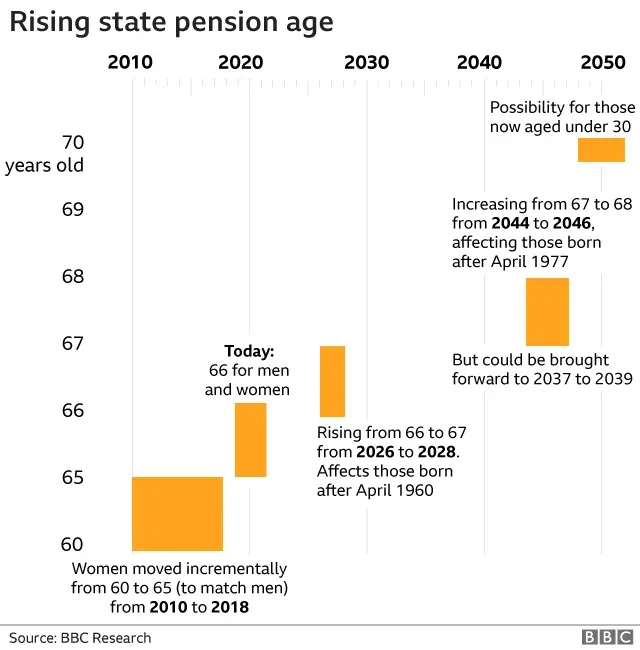
The changes to the state pension age have disproportionately affected women born in the 1950s, leaving many scrambling for financial security in their later years. Historically, these women faced numerous challenges as they entered the workforce at a time when pensions were often not a priority. With the recent alignment of the state pension age with that of men, many women found themselves unexpectedly requiring additional years of work before they could claim their pensions. This abrupt shift has not only caused financial strain but has also triggered a sense of betrayal among those who thought they had planned adequately for their retirement based on previous guidelines.
Organizations like ‘Women Against State Pension Inequality’ (Waspi) have been vocal advocates for these women, emphasizing the lack of adequate information provided about the changes. The government’s claim that the majority were well informed stands in stark contrast to the lived experiences of many affected women, who assert that they were left in the dark regarding crucial details affecting their financial futures. As calls for compensation grow louder, the emotional toll of these changes is becoming increasingly evident, with many women feeling that their rights and contributions to society are being overlooked.
Government Pension Policy and Its Discontents
The government’s pension policy, particularly concerning the state pension age, has sparked widespread criticism. Critics argue that the failure to communicate effectively about the changes to the pension system has resulted in significant distress for those in the affected demographic. Statements from government officials, such as Work and Pensions Secretary Pat McFadden, have attempted to address these concerns, but many feel these responses lack sincerity and urgency. McFadden’s assertion that no direct financial loss was suffered by women during the transition has raised eyebrows and fueled anger among advocacy groups who believe these statements fail to capture the true impact of the changes.
Furthermore, the seemingly arbitrary nature of compensation recommendations, such as the proposed range of £1,000 to £2,950, has been met with frustration. This amount, deemed insufficient by many, reflects a disconnect between government perspectives and the real struggles of the individuals involved. An apology without financial backing is viewed by many as mere lip service, further igniting the calls for a thorough re-evaluation of government pension policy. If the government genuinely cares for its citizens, particularly those who have contributed significantly to the workforce, it must actively engage with these issues and formulate a more equitable compensation plan.
Examining the current landscape of pension compensation analysis highlights the need for a more humane approach. The government’s reluctance to establish a compensation scheme that addresses the grievances of those impacted demonstrates a lack of consideration for social justice issues. As reports continue to emerge questioning the communications policies of the past, it becomes imperative for policymakers to recognize the human element at the core of these discussions—real women facing real economic challenges.
Compensation Claims: Navigating the Challenge
The landscape of state pension age compensation remains a complex issue fraught with challenges for those affected. The group’s claim for compensation has sparked significant debate, raising questions about the transparency and fairness of the government’s actions. While the government cites budgetary constraints and the potential high cost of a compensation scheme, advocates stress that ignoring the plight of these women is fundamentally unjust. Many have suffered financially due to a lack of clear communication regarding their rights and entitlements, resulting in deep-seated feelings of resentment and betrayal.
Addressing these compensation claims is not merely a financial issue; it is rooted in the principles of equity and justice. The introduction of a flat-rate compensation program—while seen as a potential solution—still seems inadequate to address the varying levels of impact felt by individual women. Analysis of these claims points towards a broader requirement for government accountability and responsiveness to the needs of vulnerable populations, particularly those who raised families and contributed to society under difficult circumstances. Therefore, a successful resolution must encompass not only financial recompense but also provide a robust framework for future communications to avoid similar injustices.
The Voices of Women Against State Pension Inequality
As a collective force, the ‘Women Against State Pension Inequality’ (Waspi) group symbolizes the anger and frustration felt by many women impacted by the state pension age changes. Their leadership has carefully articulated the emotional and financial toll faced by their members, transforming personal grievances into a shared cause. This solidarity has fostered a community dedicated to fighting for fair treatment and recognition from the government. Through protests, petitions, and media outreach, Waspi has worked tirelessly to ensure that the voices of these women are heard.
The group’s advocacy highlights the need for a modern understanding of fairness in pension distribution. Their persistence illustrates why lost time in terms of pension eligibility should not be disregarded, especially when many of these women planned their retirements based on previously established guidelines. Continued pressure from Waspi has put the government’s communication strategies under scrutiny, demanding greater transparency and compassion in how pension policies are enacted and communicated to affected demographics.
The Role of Public Awareness in Pension Policy
Public awareness of pension policies and their implications is crucial for ensuring that all citizens are informed and prepared for retirement. The changes to the state pension age have spotlighted significant gaps in communication from the government regarding these crucial policies. It is vital for citizens, particularly those of older generations, to understand how these policies may affect their lives. The pushback from groups like Waspi emphasizes the need for proactive steps by the government to enhance public awareness of pension age changes.
Efforts should be made not only to inform individuals about upcoming changes but also to engage them in discussions about their rights and options. Clear communication, straightforward guidelines, and comprehensive educational campaigns are essential for enabling citizens to make informed decisions about their financial futures. Without such measures, many vulnerable citizens risk being left behind, perpetuating disparities within the pension system.
Analyzing the Financial Burden on Affected Women
For many women affected by the changes to the state pension age, the financial burden can be overwhelming. With delayed access to their pensions, many find themselves in precarious financial situations, relying on limited savings and family support. The 3.6 million women from the 1950s cohort now face a reality where they must adapt their financial plans at short notice, leading to increased anxiety and uncertainty regarding their futures. Financial security, once a promise of social stability, feels significantly undermined, prompting calls for deeper analysis into the long-term implications of such changes.
Moreover, the government’s assertion that most women were aware of the rising pension age raises concerns about the effectiveness of communication strategies. The data suggests a chronic oversight in addressing the needs of those who might be less inclined to engage with government correspondence or educational materials. As these women continue to suffer the financial consequences of these decisions, a comprehensive analysis of pension compensation is crucial—one that genuinely reflects the needs and situations of those affected, rather than merely offering blanket solutions.
Public Sentiment and Political Response
Public sentiment surrounding the government’s handling of state pension age changes remains one of deep discontent. Many women feel unheard and marginalized, exacerbating frustrations with how politicians have addressed their concerns. The heated responses from advocacy groups like Waspi confirm that the topic of state pensions has not only financial implications but also significant emotional resonance. The community is keenly aware of the political dynamics at play, recognizing that their struggles reflect broader systemic issues within government pension policy and social justice.
This discontent has fueled significant political responses, with various MPs openly criticizing the government’s stance on providing compensation. As sentiments of betrayal resonate through the affected demographic, political leaders must grapple with the reality that failure to act could lead to substantial electoral repercussions. It is increasingly apparent that appeasing public sentiment requires concrete action beyond mere apologies; the government must show commitment to reforming pension policies and ensuring that vulnerable populations receive the support they need.
Prospective Solutions for Pension Age Equity
As the conversation around state pension age changes evolves, the necessity for prospective solutions becomes clearer. Policymakers are tasked with negotiating a path forward that addresses injustices while safeguarding the financial health of the pension system. Solutions could include revising communication strategies to ensure that all individuals are adequately informed and exploring alternative compensation models that recognize the unique circumstances faced by those impacted, particularly the women of the 1950s cohort.
Furthermore, a multi-faceted approach is essential, involving stakeholder engagement from affected individuals, advocacy groups, and financial experts to develop a solution that is not only equitable but also sustainable. Collaborative efforts can pave the way for innovative solutions that meet the needs of both the government and the citizens it serves, ultimately fostering a pension system that is fair and transparent, ensuring that no one is left behind.
Frequently Asked Questions
What is the state pension age compensation debate among 1950s women?
The state pension age compensation debate centers around the claim that women born in the 1950s were not adequately informed about changes to their state pension age, which aligned with men’s. The Women Against State Pension Inequality (Waspi) group argues that these women deserve compensation for the harm caused by the lack of information regarding the state pension age changes.
How have women against state pension age changes reacted to government decisions?
Women affected by state pension age changes, particularly those supported by the Waspi group, have expressed outrage over the government’s decisions to reject compensation claims. They believe that the government’s handling of the situation demonstrates a lack of respect and acknowledgment for the injustices they have faced due to inadequate communication regarding the state pension age.
What factors influence the government’s stance on state pension age compensation?
The government’s stance on state pension age compensation is influenced by claims that most women born in the 1950s were aware of the changes through public information. Despite a 2024 parliamentary ombudsman recommending compensation, the government argues that compensating those claims is impractical, stating that the majority of affected women did not incur direct financial loss from the lack of communication.
What recommendations were made regarding pension compensation analysis?
In 2024, a parliamentary ombudsman conducted a pension compensation analysis, suggesting compensation amounts between £1,000 and £2,950 for affected women. However, the government dismissed these recommendations, maintaining that the majority of women were informed about the state pension age changes and asserting that compensation would not be fair to those who were aware.
How does the government justify its policy on state pension age changes?
The government justifies its policy on state pension age changes by asserting that most women born in the 1950s were informed of the new age criteria through various communication methods. Government officials argue that issuing individual compensation would not be practical and emphasize that women who were unaware of the changes were typically the least likely to engage with the communications that were provided.
What impact do state pension age changes have on 1950s women today?
State pension age changes have significantly impacted 1950s women, as many feel unprepared for the financial repercussions due to the lack of timely information. The ongoing debate and calls for compensation highlight the frustration and belief that these women deserve recognition and financial justice for the adverse effects caused by governmental policy changes.
| Key Point | Details |
|---|---|
| Government Rejection of Compensation Claims | The government has rejected the compensation claims made by women affected by the changes to their state pension age. |
| Awareness of Changes | Officials state that 3.6 million women were informed through various public campaigns, while many argue they were not adequately aware. |
| Parliamentary Ombudsman Recommendation | In 2024, a recommendation for compensation ranging from £1,000 to £2,950 was dismissed by the government. |
| Individual Letters and Apology | Work and Pensions Secretary Pat McFadden acknowledged that better communication was required but reinforced that no direct financial loss was caused. |
| Cost of Compensation Scheme | The potential cost to implement a flat-rate compensation scheme could reach £10.3 billion, considered “not right or fair” by the government. |
| Criticism from Opposition | Critics have labeled the government’s actions as unjust and have called for more than just apologies for the affected women. |
Summary
State pension age compensation remains a highly contentious issue, as the government’s recent refusal to provide financial relief for affected women has incited widespread outrage. The situation highlights the significant communication breakdown regarding changes in state pension age, particularly affecting those born in the 1950s. With ongoing debates and criticisms from various political figures and affected women alike, the call for justice and recognition of their experiences continues. The demand for state pension age compensation underscores the importance of accountability and fairness in policy changes that impact millions of lives.

