
Listen to this article
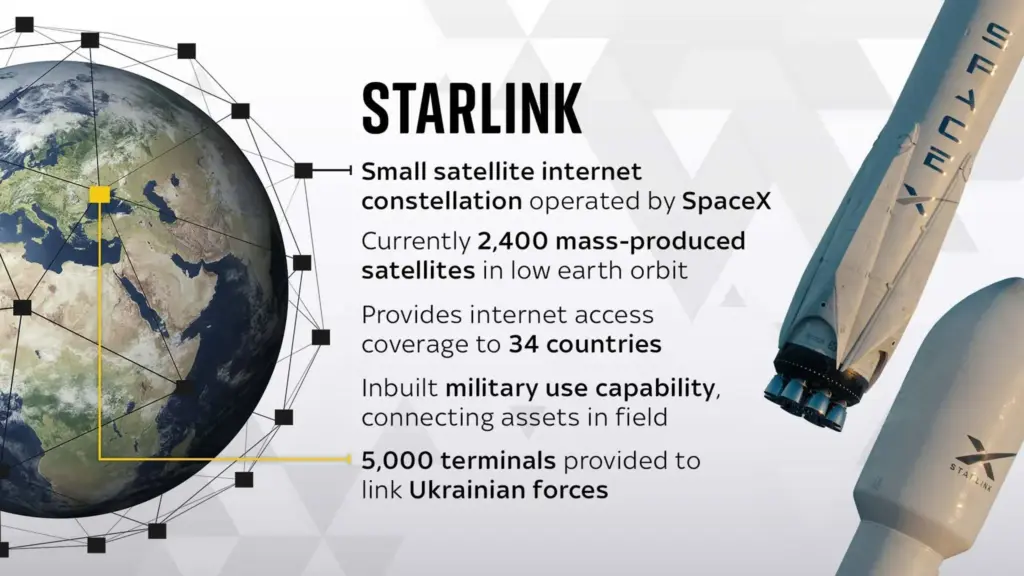
Starlink use in Ukraine has become a vital lifeline for the nation amid ongoing conflict and technological warfare. As Russian forces employ advanced tactics, including the use of drones connected to Musk’s satellite system, Ukraine has lauded the strategic advantage provided by SpaceX’s innovations. Ukrainian Defence Minister Mykhailo Fedorov noted the significant impact of limiting Russian access to Starlink, highlighting its role in enhancing Ukraine’s defense technology. With the ongoing threat from Russian drones utilizing Starlink, the emphasis on maintaining secure communication channels is paramount for Ukraine’s military operations. This collaboration between Ukraine and Musk’s Starlink initiative illustrates the profound influence of satellite internet, particularly in modern conflict scenarios, enabling better preparedness against aerial threats.
The integration of satellite internet technology in Ukraine’s defense strategy underscores a transformative shift in contemporary warfare. Spearheaded by advancements in telecommunications, initiatives such as the Musk Starlink Ukraine collaboration illustrate how critical connectivity has become in conflict zones. As military tactics evolve, the reliance on robust internet services like SpaceX Starlink impact operational efficacy against threats, including Russian drones that exploit these resources. By prioritizing the security and control of Starlink internet in conflict, Ukraine aims to outmaneuver adversaries and enhance its technological capabilities on the battlefield. This strategic approach not only elevates Ukraine’s defense infrastructure but also serves as a blueprint for how nations can leverage modern technology to counteract military challenges.
Starlink’s Impact on Ukraine’s Defense Technology
The integration of Starlink technology into Ukraine’s defense efforts has proven to be a game changer amidst ongoing conflict. With high-speed internet connectivity provided by SpaceX, Ukrainian forces have enhanced their operational capabilities significantly. Access to real-time information allows for quicker response times in military operations, which is crucial when defending against aerial threats, particularly from Russian drones equipped with Starlink connectivity. The efficiency and agility afforded by this technology contribute to a more responsive defense strategy, effectively countering the tactics employed by Russian forces.
Furthermore, the growing reliance on advanced defense technology, including Starlink internet, illustrates a pivotal shift in how Ukraine is approaching its military strategy during the conflict. With sophisticated communication infrastructure, the Ukrainian military is no longer operating in disconnected silos. This interconnectedness fosters a collaborative environment where troops can coordinate their efforts seamlessly, enhancing situational awareness on the battlefield. The potential for real-time intelligence sharing and strategic deployments cannot be understated, as it is increasingly becoming a critical component of Ukraine’s overall defense technology landscape.
Musk’s Controversial Role in the Conflict
Elon Musk’s involvement in providing Starlink services to Ukraine has been met with a mixture of praise and criticism. While many in Ukraine’s government, including Defence Minister Mykhailo Fedorov, have hailed Musk as a supporter of Ukrainian liberty, his decisions regarding the use of Starlink have sometimes sparked controversy. For instance, Musk’s prior restrictions on Starlink’s availability in territories like Crimea raised concerns about the reliability and consistency of support from a private sector entity during wartime. This inconsistency could undermine trust in the technology vital to Ukraine’s strategic military communications.
Moreover, Musk’s outspoken opinions on international support for Ukraine highlight a complicated relationship between technological advancement and ethical considerations in warfare. His comments about the financial implications of continued support from Western nations have ignited debates about accountability in foreign aid. Musk’s insistence that ‘Starlink will never turn off its terminals’ serves as a reassurance but also reflects a larger narrative about the responsibilities tech giants have in conflict zones. The balancing act of providing vital services while engaging in political discourse illustrates the multifaceted challenges posed by private entities in modern warfare.
Challenges of Russian Drone Operations with Starlink
The implementation of Starlink technology by Russian forces has significantly altered the landscape of aerial combat in Ukraine. Russian drones, particularly the inexpensive Molniya-2 models, have benefited greatly from Starlink connectivity, allowing them to execute real-time operations effectively. Reports indicate that the battlefield efficiency of these drones has increased dramatically due to their ability to receive streaming data and instructions instantaneously. Such advancements pose substantial challenges for Ukrainian air defense systems, which must adapt to counteract these increasingly sophisticated threats.
Moreover, the low-altitude operational capabilities of these Russian drones complicate detection and interception efforts for Ukraine. The use of Starlink not only boosts the operational range of these drones but also enhances their resilience against electronic countermeasures. As Ukrainian defense forces work to mitigate these new risks, the need for advanced counter-drone technologies and strategies becomes ever more pressing. This evolving dynamic necessitates a reevaluation of defensive tactics employed by Ukraine to address the increasing complexity introduced by Starlink-enabled Russian UAV operations.
The Importance of Regulating Starlink Terminals in Ukraine
In light of the recent challenges posed by unauthorized Russian use of Starlink terminals, the Ukrainian government is working closely with SpaceX to implement a regulatory framework for satellite terminal usage. This includes establishing a whitelist of approved Starlink terminals that can operate within Ukraine’s borders. By doing so, Ukrainian authorities aim to prevent the misuse of satellite technology that could empower Russian military operations and undermine Ukraine’s defense efforts. Such regulatory measures not only aim to enhance Ukraine’s military capabilities but also ensure that vital communication lines remain secure against enemy interference.
The push for a whitelist is indicative of a broader strategy to manage and control the influx of advanced technologies in conflict zones. As the war in Ukraine continues, ensuring that only sanctioned devices are allowed will help Ukraine maintain its tactical advantage. The necessity of disclosing terminal usage information and details on authorized operators highlights the importance of vigilance in safeguarding military intelligence. As Ukraine embraces digital transformation to bolster its defense infrastructure, the management of technology like Starlink remains crucial to thwarting adversarial operations.
How Starlink Internet is Shaping Warfare Strategies
As warfare becomes increasingly digitalized, the arrival of Starlink internet is shaping the strategies employed by both Ukrainian and Russian forces. For Ukraine, the immediate access to high-speed internet has revolutionized their command and control framework. The ability to communicate swiftly and reliably is crucial in a conflict where rapid tactical changes can dictate the outcome of engagements. Starlink has thus become an indispensable tool for modern military operations, allowing for efficient coordination among units and enhancing overall effectiveness on the battlefield.
On the other hand, Russian forces have also leveraged the advantages of Starlink technology. The ability to transmit and receive information in real-time gives them a competitive edge in deploying drone attacks and coordinating forces at critical moments. As both sides adapt their tactics to exploit or counter the advantages brought by Starlink, the very fabric of modern warfare is evolving. This creates an urgent need for continuous innovation in military technology and strategy to remain one step ahead of adversaries who are equally adapting to these new operational realities.
Musk’s Strategic Adjustments to Starlink Services
Elon Musk’s decision to implement restrictions on the use of Starlink in specific regions, particularly in relation to Russian military operations, reflects a strategic pivot in how satellite services can impact warfare. By imposing speed limits on Starlink terminals within Ukraine, Musk aims to limit the operational effectiveness of Russian drones that exploit the technology for military gains. Such proactive adjustments illustrate the responsibilities that come with providing essential services in a wartime context, where the implications stretch far beyond simple connectivity.
This method of addressing unauthorized usage also emphasizes the cooperation between private corporations and national defense needs. Musk’s willingness to engage with the Ukrainian government to establish a framework for Starlink usage exemplifies the collaborative approach necessary to navigate the complexities of modern warfare. As national security threats evolve, the partnership between tech companies and governments may become even more critical, raising questions about how best to balance commercial viability with responsibility in conflict scenarios.
Future Prospects for Ukraine’s Cyber Warfare Strategy
Looking ahead, the integration of advanced technologies like Starlink within Ukraine’s cyber warfare strategy is poised to redefine how the country prepares for and engages in conflict. Cyber warfare, emphasizing information dominance and network-centric operations, allows Ukraine to leverage data analytics and technology-driven insights into enemy movements and actions. With the backbone of Starlink ensuring reliable communication, the capacity for information warfare is enhanced, transforming the battlefield into a more interconnected and strategic environment.
As cyber threats become more prevalent, Ukrainian authorities are poised to emphasize a comprehensive approach to integrate digital operations into their defense strategy. By capitalizing on platforms like Starlink, Ukraine can extend its informational reach and develop new means to safeguard its national interests. This forward-thinking approach not only mitigates immediate threats but also prepares the nation for ongoing challenges in the cyber domain, ushering in a new era of defense innovation that leverages high-tech solutions.
Starlink as a Lifeline in Wartime Communication
During times of conflict, reliable communication is critical, and Starlink has emerged as a vital lifeline for Ukraine. The technology provides robust connectivity that transcends traditional limitations, ensuring that military and civilian operations can continue unhindered even in the face of infrastructural challenges. The ability to maintain communication channels allows for coordinated responses to attacks and facilitates essential civilian services, showcasing how satellite internet plays a pivotal role in maintaining societal functions during wartime.
Moreover, Starlink’s functionality extends beyond the military realm into humanitarian efforts within Ukraine. With reliable internet access, organizations can better coordinate relief efforts, gather intelligence on needs, and facilitate communication among displaced populations. As the nation grapples with the consequences of war, the role of technology in supporting both defense and civilian efforts is increasingly apparent, reinforcing the importance of integrating advanced communication systems like Starlink into every facet of society.
The Global Implications of Starlink’s Role in Ukraine
The situation in Ukraine raises significant global implications concerning the role of private companies like SpaceX in international conflicts. Starlink’s involvement sheds light on the increasing intersection of technological innovation with military strategy, prompting other nations to reconsider their own defense frameworks in the context of emerging technologies. With the remarkable capabilities offered by Starlink, countries are likely to explore similar partnerships to enhance their military communications and operations—creating a ripple effect that could shape future geopolitical landscapes.
Furthermore, the ethical considerations of utilizing commercial satellite systems in warfare cannot be ignored. The reliance on private entities raises questions about accountability, governance, and the responsibilities of tech companies in conflict scenarios. As the international community observes the unfolding dynamics in Ukraine, there may be calls for establishing norms or regulations regarding the involvement of private enterprise in military affairs, leading to potential changes in how countries approach defense technology partnerships moving forward.
Frequently Asked Questions
How is Starlink being used in Ukraine during the ongoing conflict?
Starlink, operated by SpaceX, provides high-speed internet across Ukraine, significantly enhancing communication capabilities for military and civilian use during the conflict. It has allowed for real-time communication and coordination in a challenging war environment, thus playing a crucial role in Ukraine’s defense technology.
What measures has Elon Musk taken to restrict Russian drones using Starlink in Ukraine?
Elon Musk has implemented measures to limit the unauthorized use of Starlink by Russian forces, particularly preventing its use for controlling drones involved in assaults on Ukraine. This includes setting a speed limit on Starlink terminals operating in combat zones to hinder Russian operations.
What impact does Starlink have on Ukraine’s defense technology?
Starlink has had a substantial impact on Ukraine’s defense technology by providing essential internet connectivity that supports strategic military operations. It enhances communication between units and improves situational awareness, which is vital in modern warfare.
How did Musk respond to Ukraine’s needs for Starlink service during the invasion?
Immediately after the full-scale invasion of Ukraine by Russia, Musk activated Starlink services in the country and committed to supplying additional satellite dishes, demonstrating a swift response to Ukraine’s urgent communication needs.
What are the implications of Starlink’s use by Russian forces in the conflict?
The use of Starlink by Russian forces has raised concerns, particularly regarding the operational effectiveness of their drones. The connectivity provided by Starlink allows for real-time control of drones, significantly increasing their battlefield efficiency, which has led Ukraine to implement measures to counter this advantage.
Is Elon Musk continuing to support Ukraine with Starlink despite tensions?
Despite expressing disagreements with Western policies regarding Ukraine, Elon Musk has affirmed his commitment to keeping Starlink operational in Ukraine, indicating its vital role in maintaining communication for military forces during the conflict.
What future developments are expected regarding Starlink services in Ukraine?
Ukrainian officials, in collaboration with SpaceX, are working on implementing a whitelist for approved Starlink terminals to ensure that only registered units can operate. This aims to prevent misuse of the technology and strengthen national security during the ongoing conflict.
Why is internet connectivity via Starlink essential for Ukraine’s military operations?
Starlink’s internet connectivity is essential for Ukraine’s military because it enables real-time communication and coordination among the armed forces, supports intelligence dissemination, and enhances overall operational effectiveness in a fast-paced and evolving battlefield.
| Key Point | Details |
|---|---|
| Elon Musk’s Restrictions | Musk implemented measures to restrict Russian use of Starlink for drone attacks. |
| Ukrainian Officials’ Praise | Ukrainian Defense Minister Mykhailo Fedorov praised Musk for his timely actions, calling him a champion of freedom and a friend to Ukraine. |
| Drone Operations | Russian drones using Starlink are hard to intercept and have significantly improved in effectiveness since their initial usage. |
| Speed Limit Implementation | SpaceX has imposed a speed limit on Starlink terminals in Ukraine to hinder Russian drone operators who need real-time controls. |
| Whitelist of Terminals | Ukraine is collaborating with SpaceX to create a whitelist for authorized Starlink terminals, disconnecting unregistered ones. |
| Musk’s Commitment | Musk vowed that Starlink will continue to operate in Ukraine despite personal disagreements over the war policies. |
| Importance of Starlink | Starlink is deemed critical for Ukraine’s military communications and operational stability amid ongoing conflict. |
Summary
Starlink use in Ukraine has proven to be a game changer in the ongoing conflict, with Musk’s restrictions effectively limiting Russian military operations using their satellite connectivity. As the Ukrainian government navigates through the complexities of modern warfare, Starlink continues to provide essential services crucial for communication and coordination on the battlefield. With ongoing cooperation between SpaceX and Ukraine, the innovative use of satellite technology showcases its pivotal role in enhancing national defense and resilience.

