
Listen to this article
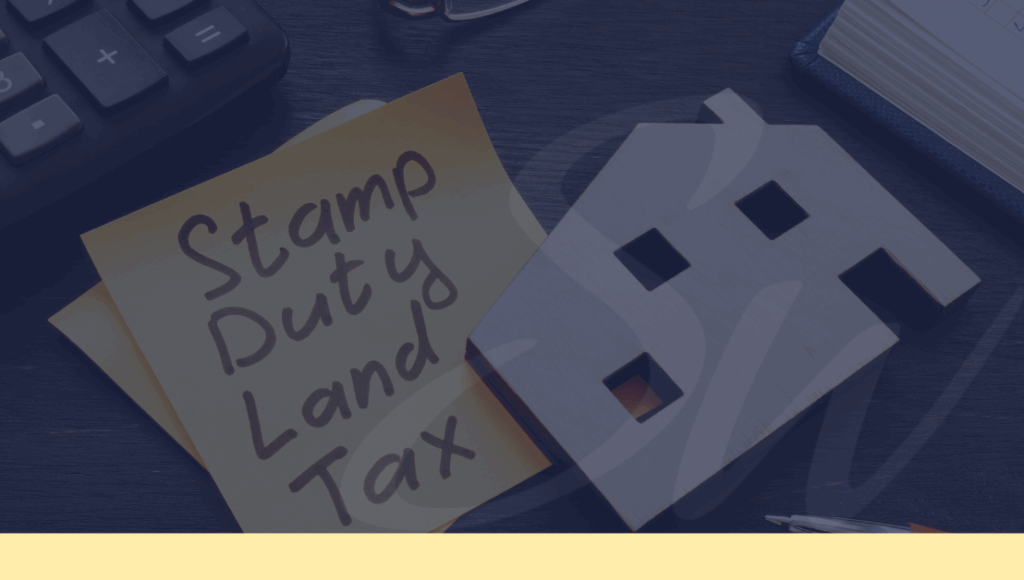
Stamp duty is a tax levied when purchasing property or land above a certain price in England and Northern Ireland, and it has been a hot topic for many families facing financial strain in today’s economy. For many, especially homeowners like Wesley and Toni from Bristol, this financial burden is seen as an obstacle to achieving their dreams of upgrading to a larger home. Proposals to scrap stamp duty have emerged in light of recent discussions surrounding the UK budget, aiming to provide some relief for families amidst growing cost of living concerns. Critics argue that the tax disproportionately affects those trying to buy their first home, making it a subject of contention as the government contemplates tax cuts and spending adjustments. As the Chancellor prepares for her upcoming speech, the fate of this property tax may significantly influence homeowners’ ability to navigate an already challenging economic landscape.
When discussing real estate transactions, one might encounter terms like property transfer tax or conveyance duty, commonly associated with the purchase of homes and land. These taxes, often seen as a financial hurdle for potential buyers, can lead to increased overall costs when moving or acquiring new properties. In the UK, where the burden of costs related to buying a home can severely impact household finances, the idea of abolishing such taxes has gained traction. Many residents are eager to see reforms introduced in the impending budget, as high costs and taxes continue to be pressing issues amidst rising living expenses. Alternatives to the current system may be on the table, raising hopes for a more equitable approach to property ownership in the future.
Understanding Stamp Duty and Its Implications
Stamp duty is a tax levied on property transactions that has become a significant burden for potential homeowners in the UK. Specifically, it applies when purchasing a property or land above a certain valuation, often making it a daunting obstacle for those looking to enter the housing market. For many families, the additional costs of stamp duty can amount to tens of thousands of pounds, as highlighted by Wesley Thorne, who expressed his frustration over the potential £15,000 to £20,000 increase in costs when moving to a bigger house. This financial hurdle not only discourages home-buying but also stifles property market growth, leading many to call for its removal in the upcoming UK budget.
Many argue that stamp duty should be scrapped altogether, or at the very least, restructured to only apply to properties of much higher valuations. This perspective aligns with the sentiments expressed by not just individuals like Wesley but also various stakeholders advocating for tax cuts as part of the broader economic strategy. The current discussions around stamp duty reform underscore its relevance in the discourse surrounding cost of living and property tax, tying it directly to the government’s planned economic measures. In this context, any changes to stamp duty could significantly ease financial pressures on families and improve overall affordability in the housing market.
Budget Speculations: Tax Cuts and Spending Cuts
The upcoming UK budget presents a critical juncture as Chancellor Rachel Reeves considers both tax rises and potential cuts to public spending. Amid widespread speculation, many citizens express their desires for tax cuts, particularly in the realm of personal finance and everyday expenditures. Amid rising living costs and economic strain, individuals like Fatima Tehan Jalloh are vocal about the need for increased funds directed to essential services such as social housing, indicating a growing demand for a budget that alleviates financial pressures on vulnerable communities.
In this atmosphere of uncertainty, the public is increasingly aware of how fiscal decisions can impact their lives. For example, discussions around scrapping stamp duty explicitly show how the public connects tax policies with their daily experiences. Citizens are hopeful that the government will prioritize foreign investment and small business growth alongside any necessary spending cuts. The balance between maintaining robust public services while implementing viable tax cuts may define the effectiveness of the Chancellor’s upcoming budget.
The Impacts of Cost of Living on Citizens’ Budget Expectations
As the UK faces an undeniable rise in the cost of living, citizens are understandably anxious about what the next budget may entail. The distressing reality has driven many to reassess their financial priorities, from everyday expenses to long-term goals like homeownership. With inflation affecting prices across various sectors, there is an urgent need for fiscal measures that align with the economic reality faced by households. Becki Oliver, for example, articulated the shock of navigating rising grocery costs while yearning for a family holiday, echoing sentiments shared widely among the public.
This economic climate prompts discussions about how tax policies can be adjusted to better serve average families. The connection between potential tax cuts and the capability to manage living costs becomes paramount. An increasing number of people are urging the Chancellor to focus on tangible measures that will improve their quality of life, suggesting that any budgetary changes should prioritize those struggling the most. Addressing the cost of living crisis through thoughtful tax adjustments might galvanize public support, particularly if those measures resonate with the financial realities faced by many families.
Calls for Increased Funding in Key Areas
Amidst the budget discussions, there is a strong push for increased funding in key areas, particularly social housing and healthcare. Citizens express their frustrations with the current state of public services, with individuals like Fatima Tehan Jalloh calling for a more substantial investment in social housing. She highlights the need for improved facilities that cater to the growing demand, especially for those in similar situations as hers who rely on affordable housing. With the cost of living rising, advocates stress that increasing funding for these critical services is paramount for ensuring equitable access for all.
Similarly, the importance of funding for the National Health Service (NHS) is a recurring theme in the budget conversation. With many citizens worried about their healthcare needs amidst financial precarity, there is a real fear that cuts to essential services could exacerbate existing issues. Becki Oliver’s concerns about the NHS reflect a broader sentiment that the government must allocate sufficient resources to ensure public health systems can withstand ongoing challenges. Balancing these needs with the financial implications of tax cuts presents a complex issue for lawmakers, one that will require careful deliberation as the chancellor prepares for the budget.
Exploring the Future of EV Taxes and Infrastructure
As electric vehicles (EVs) gain traction among the public, discussions around potential EV taxes are becoming increasingly relevant. Individuals like Steve Williams, a self-employed IT contractor, support the idea of an EV tax as a fair way to contribute to the upkeep of road infrastructure. This topic not only encapsulates concerns regarding the sustainability of transportation funding but also touches upon broader environmental issues. As the UK transitions towards greener transport solutions, how the government chooses to implement these taxes will significantly impact both EV users and the public at large.
Moreover, the implementation of an EV tax invites conversations about fairness in taxation amidst rising figures in the electric vehicle market. Advocates argue that it is crucial to ensure a level playing field for all vehicle owners—both traditional and electric. By developing a well-rounded approach to taxing electric vehicles, officials can ensure that the transition to greener transport methods is both equitable and sustainable. The results of such fiscal policies will influence purchasing behaviors and drive further innovations within the UK’s automotive sector.
The Need for Systematic Changes in Taxation
In light of public demand for reforms, there is a growing consensus that systematic changes in taxation are necessary to foster economic stability and support those most affected by cost-of-living crises. Many citizens express their concerns about the fairness of current tax structures, especially in property taxes such as stamp duty. The calls for scrapping or altering stamp duty directly relate to the desire for a more equitable system where housing is accessible for everyone, regardless of income level. This foundational shift could potentially restructure socioeconomic dynamics across the UK.
Furthermore, the anticipated changes in taxation could also intersect with discussions about tax incentives for small businesses and entrepreneurs. Individuals like Wesley Thorne highlight the significant financial strains small business owners face, making tax relief measures crucial for their survival and growth. By prioritizing systematic changes in taxation that consider the unique challenges faced by individuals and small business owners, the government could create a more favorable environment for economic recovery and growth.
Public Concerns on Budget Decisions and Their Outcomes
As the UK government prepares for the impending budget, the public is voicing its hopes and fears about potential outcomes. Concerns revolve around whether the government will truly prioritize the issues that affect ordinary citizens, such as rising property taxes and the urgent need for more robust public services. The emotional investment in the budget stems from the widespread belief that the decisions made will impact everyday lives significantly, particularly in areas like healthcare, housing, and transport. Individuals across the income spectrum are looking to the Chancellor for reassurance that their voices are being heard.
The potential for tax rises, alongside the request for spending cuts, raises concerns about the implications for services that many rely on, including the NHS and social housing. Public sentiment suggests a reluctance to accept cuts to essential services when faced with the pressing pressures of the cost of living. As these budgetary discussions unfold, it will be crucial for policymakers to find a balance that reflects the needs of their constituents while also addressing the fiscal realities of the economy. The government’s approach to managing these issues will play a significant role in determining public trust and confidence in future budgets.
The Role of Small Businesses in Economic Recovery
Amidst budget discussions, small businesses represent a vital component of the UK economy, playing a crucial role in driving growth and job creation. Entrepreneurs like Wesley Thorne share stories of the financial burdens they face, from rising materials costs to the pressures of taxation. The clamoring for tax cuts is not just a matter of financial relief; it speaks to the desire for a conducive environment where small businesses can thrive and contribute significantly to economic stability. The government’s consideration of budgetary measures directly impacts the bottom lines of these businesses and their employees.
Furthermore, as the country navigates economic recovery, supporting small businesses through favorable taxation policies becomes increasingly critical. Officials must consider the broader economic ecosystem where empowered small enterprises can lead to higher employment rates and increased consumer spending. The calls for increased VAT thresholds for small businesses reflect a significant consensus among owners seeking fair treatment in tax legislation. The future of small business viability tied to favorable tax measures will ultimately define the resilience of the UK’s economy in the coming years.
Frequently Asked Questions
What is stamp duty and how does it impact home buying in the UK?
Stamp duty, also known as stamp duty land tax (SDLT), is a tax paid on property purchases in England and Northern Ireland. It applies to residential and commercial property transactions over a certain threshold. This tax can significantly increase the cost of buying a home, typically calculated as a percentage of the property price.
Are there plans to scrap stamp duty in the upcoming UK budget?
There is ongoing speculation about whether the UK government will consider scrapping stamp duty in the upcoming budget. Some citizens, including families struggling with the rising cost of living, advocate for removing this tax to ease home buying pressures.
How does stamp duty affect property market activity in the UK?
Stamp duty can influence property market activity by discouraging potential buyers due to the additional costs involved in purchasing a home. High stamp duty rates can lead to decreased property transactions, particularly affecting first-time buyers who may find it harder to afford the added expense.
What are the potential tax cuts related to stamp duty in the UK budget?
Potential tax cuts related to stamp duty in the UK budget may include increasing the threshold for when the tax applies or reducing the percentage rates, which could make property purchases more affordable, particularly for those facing financial difficulties.
Can stamp duty be considered a burden during a cost of living crisis?
Yes, many believe that stamp duty acts as a financial burden during a cost of living crisis, as it adds significant upfront costs to home purchases, making it more difficult for families to move into larger homes or invest in property.
What are the implications of property tax, including stamp duty, on home ownership in the UK?
Property taxes, including stamp duty, can create barriers to home ownership by increasing the overall cost of purchasing property. This can disproportionately affect lower-income families and first-time buyers, potentially keeping them from entering the housing market.
| Key Points | Details |
|---|---|
| Introduction to Stamp Duty | Stamp duty is a tax levied on property purchases above a certain price in England and Northern Ireland. |
| Public Opinion on Stamp Duty | Many people, including Wesley Thorne, feel that stamp duty should be scrapped as it adds a significant cost to moving homes, making housing less affordable. |
| Impact on Small Businesses | Wesley and his wife run a small business and argue that rising costs from taxes like stamp duty, along with other pressures, make it challenging to manage finances. |
| Budget Expectations | People are hopeful that the upcoming Budget will consider scrapping or adjusting stamp duty to alleviate financial burdens on homeowners. |
Summary
Stamp duty is a contentious issue impacting many prospective homeowners and small businesses in the UK. It is evident that the voices advocating for the scrapping of this tax reflect a broader concern regarding housing affordability and financial strain. As the Chancellor prepares for the Budget, the plea for reforming or abolishing stamp duty suggests a strong desire for policies that support reasonable housing costs amidst rising living expenses.

