
Listen to this article
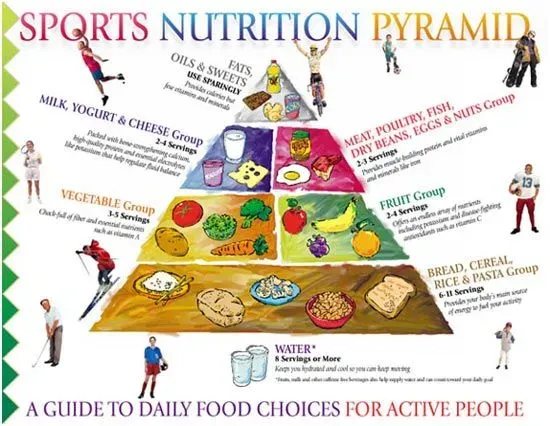
Sports nutrition is a vital aspect of athletic performance, playing an equally important role as training and mental preparation. Proper **sports nutrition** focuses on providing athletes with the right balance of nutrients needed to fuel their bodies for peak performance. Incorporating tailored meal plans specifically designed for sports can significantly improve energy levels, enhance endurance, and expedite recovery. Athletes must learn how to effectively hydrate, as hydration for athletes is crucial both before and after games to maintain optimal performance. By understanding effective strategies for fueling before a game and focusing on recovery nutrition, athletes can unlock their full potential in their respective sports.
The field of athletic dietary science emphasizes the importance of tailored nutrition plans for sports enthusiasts and competitive athletes alike. Athletic nourishment involves strategically choosing the right foods to support energy levels, performance, and recovery. Meal preparation tailored for athletes varies in focus, from fueling before competition to ensuring adequate hydration and nutrient replenishment during and after events. Understanding the dynamics of recovery meals and proper hydration methods can profoundly impact an athlete’s performance and wellbeing. By optimizing nutritional strategies, athletes can enhance their physical capabilities while promoting long-term health.
The Basics of Sports Nutrition for Athletes
Sports nutrition is a specialized field that enhances athletic performance through proper dietary practices. Athletes require a unique blend of macronutrients including carbohydrates, proteins, and fats to meet the energy demands of their training and competitions. Understanding the role of these nutrients and their timed consumption is crucial for athletes looking to maximize their potential. This diet isn’t just about eating healthy; it’s about strategic planning and timing based on the individual’s specific activities—whether it’s a 100m sprint, a marathon, or weightlifting.
For athletes, carbohydrates are particularly vital as they serve as the primary energy source. Carbs help replenish muscle glycogen stores before and after events, ensuring muscles remain fueled throughout the exercise. It’s important for athletes to consume a mix of simple and complex carbohydrates, depending on their training regimen. As such, a standardized meal plan that includes adequate carbs according to the intensity and duration of activities can significantly impact performance.
Benefits of Proper Meal Planning for Sports
Meal planning plays a significant role in sports nutrition, providing athletes with the necessary fuel to succeed. Having a structured meal plan decreases the likelihood of poor dietary choices and helps maintain energy levels leading up to a game. Athletes can benefit from regulation of macronutrient intake so that their bodies are always in an optimal state for training and competition. This strategic planning makes it easier to incorporate nutrient-dense foods like lean proteins, whole grains, fruits, and vegetables.
Additionally, preparing meals in advance allows athletes to better manage their time and make healthier food choices. With a tailored meal plan in place, athletes can ensure they eat the right foods in appropriate portions at the right times, ultimately improving their performance and recovery. Sticking to a meal plan that emphasizes hydration and energy-boosting foods can help maintain focus and stamina during demanding workouts and competitions.
Hydration Strategies for Optimal Performance
Hydration is a critical aspect of sports nutrition that often gets overlooked. Athletes must stay well-hydrated before, during, and after their events to optimize performance. Dehydration can significantly impair physical performance and can lead to muscle cramping, overheating, and fatigue. A daily hydration strategy that incorporates water and electrolyte-rich beverages is essential to replace fluids lost during workouts and competitions.
Understanding how much to hydrate is equally important. Athletes should drink water and electrolyte drinks in the hours leading up to their events, aiming for at least 16 ounces prior to activity. During exercise, especially in longer events, it’s advisable to sip on sports drinks that replace lost sodium and maintain electrolyte balance. By developing a hydration strategy tailored to their specific needs and activity intensity, athletes can improve their overall performance and recovery.
Pre-Game Meal Essentials for Athletes
Eating the right foods before a game sets the stage for optimal performance. Pre-game meals should consist of a balanced mix of carbohydrates, proteins, and some fats. Meals consumed 3-4 hours before a game can include substantial sources of complex carbohydrates and lean proteins, ensuring athletes are sufficiently fueled. Options like whole grain pasta or grilled chicken with vegetables not only provide energy but also aid in muscle function.
In addition to planning the type of food, timing is also critical. If the game starts in a shorter time frame of 1-2 hours, light meals or snacks that are high in carbohydrates like a banana or a smoothie become crucial. These quick-digesting options can help prevent any discomfort during gameplay while still providing necessary energy. Thus, timing and proper meal selection are fundamental to ensuring athletes perform at their best.
Understanding Recovery Nutrition After a Game
Post-game nutrition is vital for recovery, helping to restore depleted energy levels and support muscle repair. Athletes should aim to consume a meal that incorporates carbohydrates, proteins, and some fats within 30-60 minutes after the game. This is referred to as the ‘anabolic window,’ a period where muscles are primed for nutrient absorption, making this phase particularly effective for recovery.
Ideal post-game meals include options like grilled salmon with quinoa or a turkey sandwich. These meals not only replenish glycogen stores but also provide essential nutrients for repairing muscles. Moreover, athletes should not forget to rehydrate during this stage to recover lost fluids and electrolytes, ensuring they are well-prepared for future workouts and competitions.
Snacking Strategies for Energy Maintenance
Snacking is a practical approach to maintaining energy levels throughout the day, particularly for athletes with demanding training schedules. Healthy snacks between meals can provide necessary nutrients that support overall performance without causing discomfort. Nutrient-dense snacks such as Greek yogurt with fruit or mixed nuts offer proteins, healthy fats, and carbohydrates that are conducive to energy maintenance.
Strategically timed snacks, especially before workouts or competitions, can help stabilize blood sugar levels and curb hunger. Athletes should consider incorporating a mix of protein and carbohydrates into their snacks to fuel their workouts effectively. By keeping their energy levels stable, athletes can avoid fatigue and ensure they stay at peak performance throughout their training and competitions.
The Role of Carbohydrates in Sports Performance
Carbohydrates serve as a cornerstone of sports nutrition and play an integral role in fueling an athlete’s performance. They are the body’s preferred source of energy, especially during high-intensity workouts or prolonged activities. For athletes, consuming the right amount of carbohydrates before, during, and after exercise helps enhance endurance, performance, and recovery.
Different types of carbohydrates—complex and simple—serve different purposes. Complex carbohydrates such as whole grains provide sustained energy, making them ideal for pre-game meals. On the other hand, simple carbohydrates such as fruits or energy gels offer quick energy refreshers needed during intense periods of activity. Understanding how to effectively leverage carbohydrates allows athletes to optimize their performance and maintain energy levels throughout their competitions.
Tailoring Your Meal Plan for Your Sport
Different sports demand distinct nutritional strategies, which means that athletes should tailor their meal plans according to their specific needs. For instance, endurance athletes may require higher carbohydrates to sustain energy over longer periods, while strength athletes may focus more on ample protein intake to promote muscle growth and repair. Collaborating with a sports nutritionist can be valuable in creating a personalized meal plan that aligns with one’s competitive goals and training demands.
Moreover, athletes should consider their personal preferences, dietary restrictions, and goals when designing their meal plans. A customized approach not only optimizes performance based on the sport but also contributes to an athlete’s long-term health and well-being. Adopting a flexible meal planning strategy ensures that athletes remain energized, satisfied, and ready to compete at any time.
The Science of Nutrition Timing
Nutrition timing refers to the strategic planning of when to eat certain foods relative to workouts and competitions to enhance performance and recovery. By understanding how and when to consume specific nutrients, athletes can maximize their energy levels and efficiency when training or competing. Consuming the right nutrients at the right times can directly influence muscle performance, energy availability, and recovery rates.
For example, a carbohydrate-rich meal is crucial before an event to ensure maximum energy availability. Post-workout, a balanced intake of proteins and carbs helps set the stage for recovery. By integrating concepts of nutrition timing into their training regimens, athletes can ensure optimal performance outcomes and reduce recovery times.
Frequently Asked Questions
What is sports nutrition and why is it important for athletes?
Sports nutrition refers to the dietary strategies aimed at enhancing athletic performance and recovery. It is crucial for athletes as it provides the essential nutrients needed to fuel activities, aids in muscle repair, and optimizes energy levels during training and competitions.
How should athletes plan their nutrition for optimal performance?
Athletes should plan their nutrition by focusing on a balanced intake of carbohydrates, proteins, and healthy fats. Creating a tailored meal plan for sports that includes nutrient-dense foods and proper meal timing is vital for maximizing performance and recovery.
What are the best pre-game meals for athletes looking to fuel before a game?
Ideal pre-game meals should be rich in carbohydrates and moderate in protein. Examples include whole grain pasta with lean meat, grilled chicken with brown rice, or a smoothie made from yogurt and fruit, consumed 3-4 hours before the event.
What role does hydration play in sports nutrition?
Hydration for athletes is essential for maintaining optimal performance. Proper fluid intake helps regulate body temperature, prevents fatigue, and aids in recovery. Athletes should drink sufficient water before, during, and after their events.
What types of snacks should athletes consume during a game?
During a game, athletes can snack on quick-digesting carbohydrates to maintain energy levels. Useful options include sports drinks, energy gels, or bananas, which can be easily consumed on the go.
What should athletes eat after a game to aid recovery?
Recovery nutrition focuses on consuming a balanced meal after a game, ideally within 30 to 60 minutes. Athletes should include a mix of carbohydrates and proteins, such as a turkey sandwich on whole grain bread or a smoothie with protein powder and fruit.
How do macronutrient needs differ among athletes?
Nutrition for athletes varies based on the type and intensity of their training. Generally, carbohydrate needs range from 6-10 grams per kilogram of body weight, while protein intake should be between 1.2 to 2.0 grams per kilogram, tailored to individual requirements.
Why are carbohydrates considered the primary energy source for athletes?
Carbohydrates are the primary source of energy for athletes because they replenish glycogen stores, which fuel muscles during exercise. Consuming the right amount and type of carbohydrates before training enhances endurance and performance.
What are the benefits of having a meal plan for sports?
Having a meal plan for sports helps athletes ensure they meet their nutritional needs, manage their energy levels effectively, and maintain optimal performance. It also assists in recovery and helps avoid unhealthy food choices.
How can athletes ensure effective hydration strategies during competition?
Athletes can ensure effective hydration strategies by drinking water and electrolyte-rich sports drinks both before the competition and in intervals throughout the event. This approach helps maintain optimal fluid balance and electrolyte levels.
| Key Points | Details |
|---|---|
| Importance of Nutrition | Sports nutrition is vital for performance and recovery, alongside practice and strategy. |
| Carbohydrates | Primary energy source, recommended intake is 6-10g per kg of body weight, focusing on complex carbs. |
| Proteins | Essential for muscle repair; aim for 1.2-2.0g per kg of body weight. |
| Fats | Healthy fats are important, but should be consumed in moderation before workouts. |
| Pre-Game Nutrition | A meal with carbs, protein, low fat 3-4 hours before the game, and lighter snacks 1-2 hours before. |
| During the Game | Consume quick-digesting carbs and stay hydrated. |
| Post-Game Nutrition | A balanced meal within 30-60 minutes post-game to restore energy and repair muscles. |
Summary
Sports nutrition is crucial for athletes looking to enhance their performance and support recovery. By understanding the specific nutritional needs for pre-game, during, and post-game, athletes can strategically utilize macronutrients to fuel their bodies effectively. Emphasizing a balance of carbohydrates, proteins, and fats combined with proper hydration can significantly impact an athlete’s energy levels and recovery time. Tailoring these guidelines to individual needs will promote optimal results, making sports nutrition an essential aspect of any athlete’s training regimen.

