
Listen to this article
The influence of sports on mental health is a topic of increasing relevance, underscoring how sports influence mental health in profound ways. Engaging in physical activities, especially team sports, offers significant mental health benefits that promote emotional well-being. From developing social connections to boosting self-esteem, the psychological benefits of team play are vital for individuals of all ages. Research indicates that participation in sports can alleviate feelings of anxiety and depression, making it a valuable tool for enhancing mental wellness. Embracing sports as a lifestyle choice not only enhances physical health but also nurtures robust mental health, creating a balanced and fulfilling life.
Exploring the relationship between athletic engagement and psychological wellness unveils fascinating insights into how physical activity nurtures emotional balance. Participating in group sports activities not only fosters a sense of community but also enhances emotional resilience. The mental health advantages of engaging in physical exercise, particularly in a team environment, include improved self-image and reduced stress levels. Moreover, shared experiences in sports cultivate meaningful social interactions, which are crucial for overall mental well-being. Understanding how these dynamics work can help individuals harness the power of sports to better their mental health.
The Connection Between Physical Activity and Mental Health
Engaging in physical activity, such as sports, has a direct and positive impact on mental health. The physiological effects of exercise, including the release of endorphins and serotonin, enhance mood and can mitigate the symptoms of anxiety and depression. Furthermore, regular participation in sports elevates fitness levels, which correlates to better self-esteem and a more positive self-image. This cycle establishes a feedback loop, where improved physical health contributes to enhanced emotional health, encouraging individuals to remain engaged in sports and physical activities.
In addition to the biological benefits, participating in sports provides individuals with a structured routine that is vital for maintaining mental health. Routines promote stability and can greatly assist those dealing with anxiety or depression by providing predictability and a sense of control over one’s life. By regularizing physical activity, individuals establish a healthy coping mechanism for managing stress and negative emotions, thus fostering a resilient mental state.
Psychological Benefits of Team Sports
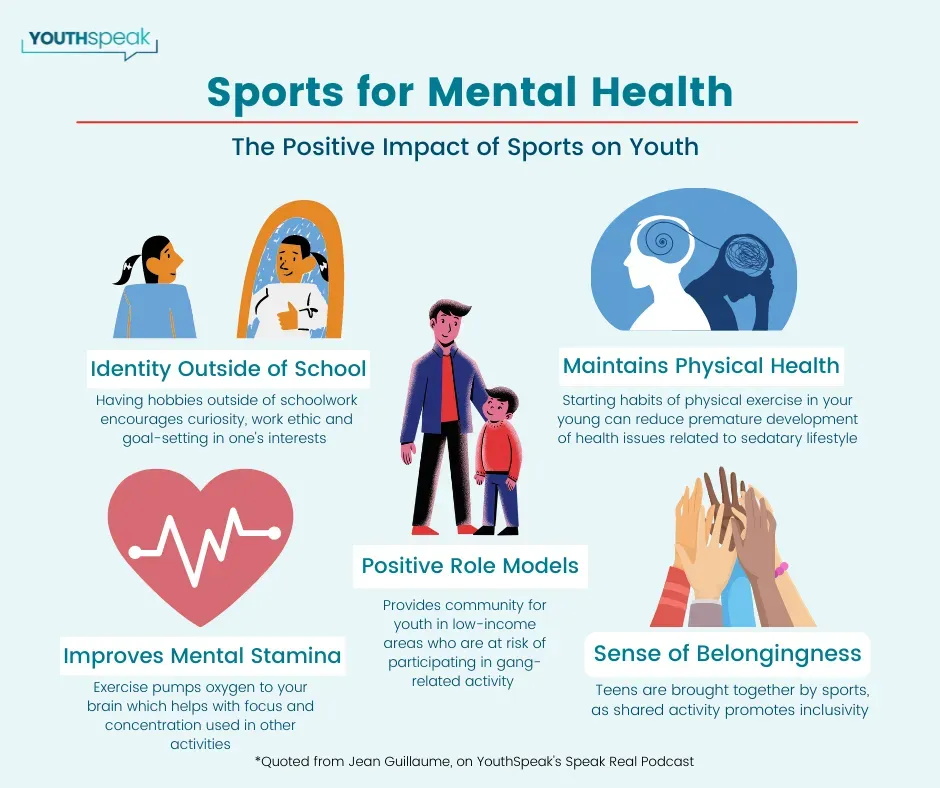
Team sports contribute substantially to mental well-being by providing a strong sense of community and belonging. Being part of a group fosters deep emotional connections, helping to alleviate feelings of isolation often experienced by individuals facing mental health issues. The camaraderie and support found within a team setting not only enhance social interactions but also empower individuals with a safety net of social connections, mitigating loneliness and enhancing life satisfaction.
Moreover, the psychological benefits extend into personal development. Team sports cultivate essential life skills, such as teamwork, communication, and leadership, which are not only relevant within a sports context but also applicable in everyday life situations. Such skills foster emotional intelligence and resilience, contributing positively to mental health and overall psychological well-being.
How Team Play Enhances Self-Esteem
Participating in team sports significantly enhances self-esteem and self-confidence through various achievements and successes on the field. Each goal scored, or game won, uplifts the individual’s self-worth and reinforces the belief that they can contribute meaningfully within a group. For young individuals, especially during their formative years, these positive experiences are critical in shaping their self-image and self-efficacy.
Additionally, the encouragement and recognition received from teammates and coaches play a vital role in boosting self-esteem. Constructive feedback and shared celebrations of victories instill a sense of accomplishment and belonging. On the other hand, learning to deal with losses in a supportive environment teaches resilience and fosters a growth mindset, preparing individuals for life’s inevitable ups and downs.
Reducing Anxiety and Depression Through Sports
Sports serve as an effective mechanism for reducing anxiety and depression, as they provide an outlet for emotional release. The physical engagement and social interaction involved in team sports shift focus away from negative thoughts and promote positive feelings through endorphin release. This process creates a shift in mental states, allowing individuals to engage more fully in their lives and manage their symptoms more effectively.
Additionally, the structured nature of team sports brings a sense of stability, particularly beneficial for those suffering from mental health challenges. Regular practices and games encourage routine, allowing individuals to plan activities and engage socially. This predictability can be comforting, as it creates an environment where individuals feel secure and supported, further helping to alleviate symptoms of anxiety and depression.
Building Resilience through Team Dynamics
Team sports inherently foster resilience through the shared experiences of triumphs and setbacks. Working together towards a common goal helps participants develop coping strategies to handle not only sports-related challenges but also personal and professional obstacles. This collective effort nurtures a culture where team members uplift each other, building inner strength and mutual support essential for mental fortitude.
Furthermore, the lessons learned in team environments—such as perseverance and accountability—are invaluable life skills. They translate into improved coping mechanisms during life’s various adversities, reinforcing the idea that failure is not the end but an opportunity for growth. This fostering of resilience is crucial for long-term mental health, equipping individuals with tools to navigate the complexities of life beyond the field.
The Impact of Social Connections on Mental Health
Social connections formed through team sports are pivotal in promoting mental health. These relationships provide emotional support, a critical buffer against stress, and a sense of belonging. Having teammates to share experiences with enables individuals to express their feelings openly, share concerns, and get encouragement during difficult times, all of which are vital for maintaining psychological well-being.
Moreover, the friendships forged through sports transcend the playing field, creating networks that bolster emotional stability. Engaging with others who share similar interests can promote vibrant social lives, enhancing overall satisfaction and happiness in life. The sense of belonging that comes from being part of a team can combat feelings of depression and loneliness, making sports an essential component of mental health advocacy.
The Role of Inclusivity in Sports for Mental Health Improvement
Inclusivity in sports plays a crucial role in broadening access to mental health benefits. By ensuring that all individuals, regardless of their background or abilities, are welcomed into team sports, communities cultivate environments where everyone feels valued. This acceptance not only enhances the individual’s self-esteem but also promotes a sense of belonging, which is vital for maintaining mental health.
Furthermore, inclusive programs often encourage diverse participation, leading to increased social interactions and strengthened community ties. This diversification can break down cultural barriers and foster understanding among teammates, enhancing social cohesion. The increase in social connections can lead to a more supportive atmosphere that uplifts mental well-being for all participants, promoting a healthier, happier society.
Nurturing Mental Well-Being Through Sports Participation
Encouraging participation in sports is a strategic approach to nurturing mental well-being. Active involvement in team activities not only promotes physical fitness but also contributes significantly to emotional health. The physical exertion involved releases dopamine and serotonin, further enhancing mood and reducing feelings of anxiety and depression.
Moreover, creating awareness about the mental health benefits associated with sports participation can motivate individuals to engage actively in these activities. By fostering environments that encourage team play and physical activity, communities can play a vital role in combating mental health issues, ultimately promoting a culture of holistic well-being.
The Lifelong Benefits of Sports on Mental Health
The benefits of sports for mental health extend beyond immediate gains, offering lifelong advantages that influence an individual’s quality of life. Engaging in team sports not only shapes an individual’s childhood experiences but also builds a foundation for continued social interactions and emotional resilience well into adulthood. These skills are integral in establishing and maintaining personal and professional relationships.
Furthermore, the habit of participating in sports can lead to a healthier lifestyle choices throughout life, reducing risks of mental health disorders. By staying active and socially engaged, individuals can consistently derive mental health benefits, highlighting the importance of sports as a lifelong commitment that nurtures not just the body but also the mind.
Frequently Asked Questions
How do sports influence mental health through team play?
Sports influence mental health by fostering team play, which creates a sense of belonging and community. This engagement can alleviate feelings of loneliness and significantly reduce symptoms of anxiety and depression. By participating in team sports, individuals experience shared accomplishments and develop social skills, contributing to overall mental well-being.
What are the mental health benefits of sports participation?
The mental health benefits of sports participation include reduced anxiety and depression, improved self-esteem, and enhanced social connections. Regular involvement in team sports not only boosts mood through physical activity but also offers a support network that helps individuals cope with stress.
Can team sports help reduce anxiety and depression?
Yes, team sports can greatly help reduce anxiety and depression. Engaging in team-oriented physical activities allows individuals to focus on the present moment, facilitating a shift from negative thoughts. The structured nature of sports fosters routine and stability, both essential for managing anxiety.
How do social connections in sports enhance mental well-being?
Social connections gained through sports enhance mental well-being by providing emotional support and building friendships. Team members engage in collaborative experiences, which fosters empathy and communication skills, critical for maintaining mental health.
What role does physical activity play in mental health?
Physical activity plays a crucial role in mental health by releasing endorphins that improve mood and reduce feelings of anxiety. Engaging in sports helps individuals manage stress more effectively, contributing to enhanced psychological well-being.
How does participating in team sports boost self-confidence?
Participating in team sports boosts self-confidence by providing opportunities for achievement, such as scoring points or winning games. The encouragement from teammates can further enhance self-esteem, positively impacting individuals’ self-image and resilience.
What psychological benefits do team sports offer?
Team sports offer various psychological benefits, including a sense of belonging, improved mood, and stress reduction. The camaraderie and support from teammates create a nurturing environment that promotes mental health.
How can inclusivity in sports affect mental health?
Inclusivity in sports positively affects mental health by ensuring that individuals from diverse backgrounds feel valued and accepted. This acceptance fosters community and reduces feelings of isolation, offering significant mental health advantages to all participants.
What lessons about resilience do individuals learn from team sports?
Individuals learn valuable lessons about resilience from team sports, such as how to cope with losses and the importance of supporting one another. These lessons build mental toughness and prepare individuals to face challenges effectively in both sports and their personal lives.
How do team dynamics contribute to building mental resilience?
Team dynamics contribute to building mental resilience through collective efforts to overcome challenges. Working together in training and competition cultivates mutual support and accountability, helping individuals develop coping strategies that are invaluable outside of sports.
| Key Points | Description |
|---|---|
| Psychological Benefits | Engagement in sports offers a sense of belonging, alleviating loneliness and helping to cope with stress and anxiety. |
| Social Connections | Team sports foster communication and friendship, providing emotional support that is essential for mental health. |
| Self-Confidence | Participation in team sports enhances self-esteem through achievements and peer encouragement, teaching resilience. |
| Reducing Anxiety and Depression | Mindful physical activity in team settings diverts negative thoughts and provides routine that comforts those with anxiety and depression. |
| Resilience Building | Overcoming challenges in team sports fosters resilience and mutual support, preparing individuals for life’s difficulties. |
| Inclusivity in Sports | Team sports break down barriers, allowing all individuals to participate and reap mental health benefits. |
Summary
Sports influence mental health significantly, especially through team play. By participating in team activities, individuals can experience psychological benefits like enhanced social connections, improved self-esteem, and reduced anxiety and depression. Team sports create supportive environments that foster resilience and encourage personal development. Acknowledging the powerful impact of sports on mental well-being underscores the importance of promoting inclusive team activities as a means of enhancing overall emotional health.

