
Listen to this article
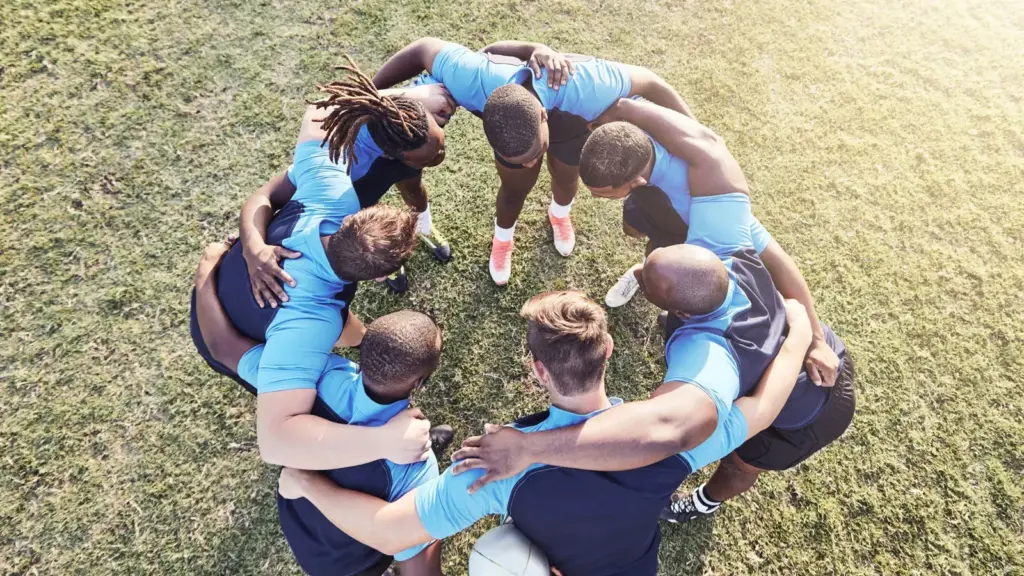
Sports for Team Building and Leadership provide a dynamic avenue for organizations to enhance cooperation and cultivate effective leaders. In today’s competitive business landscape, the significance of fostering teamwork has never been more crucial. By engaging in sports, employees not only enjoy physical activity but also nurture essential leadership skills, communication abilities, and healthy competition. These team-building activities create an environment where individuals learn to collaborate toward common objectives, mirroring the working culture of successful organizations. This article delves into how integrating sports into corporate strategies can inspire stronger teamwork, elevate productivity, and develop capable leaders, making it a vital part of your organization’s culture.
Utilizing athletics and competitive sports within the workplace can significantly enhance group cohesion and leadership capabilities. Alternative approaches to foster collaboration can include organized team games or recreational sports events, which serve as effective tools for developing interpersonal skills. These activities not only encourage teamwork but also help employees hone their leadership attributes, particularly in communication and adaptability. The spirit of competition in these engagements fosters an environment of encouragement, driving individuals to support one another while striving for success. Embracing the power of sports in corporate environments can redefine team dynamics and leadership effectiveness.
The Importance of Teamwork in Corporate Sports
Teamwork is a vital component in both sports and corporate environments, and corporate sports provide an excellent framework for infusing teamwork into everyday operations. In team sports, players must coordinate their individual strengths to achieve a common goal, analogous to how employees collaborate on projects within a company. Whether playing soccer, basketball, or even participating in relay races, every player needs to perform their role effectively, mirroring the responsibilities held by various team members in a business setting. This environment not only enhances teamwork skills but also sharpens the ability of employees to work collectively toward shared objectives.
Participating in corporate sports can serve as a dynamic team-building activity that reinforces workplace bonds. Activities that promote healthy competition and camaraderie can be structured to cultivate teamwork. The shared experiences and challenges faced in sports can translate to more effective collaboration in the office. Moreover, as employees engage in these activities, they learn to trust one another, which is fundamental for teamwork. Such trust not only leads to a more cohesive work environment but can also enhance productivity and innovation, as team members feel empowered to share ideas and take initiative in their roles.
Cultivating Leadership Skills Through Sports
Sports are an unparalleled medium for nurturing leadership skills essential in corporate settings. When employees engage in team sports, they often find themselves stepping into leadership roles, whether as a captain or by taking charge during crucial moments in games. This experience helps them understand the significance of leadership by observing dynamics, including motivating team members, making decisions on the fly, and managing conflicts. Through these situations, individuals can develop critical leadership capabilities such as communication, clarity, and resilience.
Moreover, the fast-paced nature of sports places individuals in scenarios that require quick thinking and decisive action, mirroring the pressures faced by leaders in business. Athletes frequently confront moments when instant decisions can change the outcome of a game. Similarly, corporate leaders must assess situations rapidly and lead their teams with confidence. Therefore, by instilling these leadership lessons through sports activities, organizations can cultivate leaders equipped to navigate challenges effectively, thereby enhancing overall company performance.
Enhancing Communication Skills Through Team Sports
Effective communication is foundational to any successful team, and team sports provide an ideal platform for developing these vital skills. On the field, players must articulate strategies, provide feedback, and collaborate seamlessly to achieve their objectives. These dynamics can easily be mirrored in a corporate environment, where open dialogue and clarity are essential. Engaging in team sports encourages employees to express themselves confidently and encourages negotiation and persuasion, which are crucial elements of business communication.
Further, these communication skills extend beyond games and practices, positively influencing workplace interactions. Employees who regularly engage in sports often report feeling more comfortable approaching colleagues and conveying their ideas, leading to a more vibrant and cohesive workplace environment. This enhancement in communication fosters collaboration and innovation, as teams are more likely to share information and work together to overcome challenges. Building communication skills through sports can significantly improve both individual and team performance in a corporate setting.
The Role of Healthy Competition in Team Dynamics
Healthy competition is an integral element of both sports and business, driving individuals and teams to elevate their performance. When teams participate in sports, they engage in friendly rivalry which can stimulate motivation and boost morale. Competition encourages participants to strive for excellence, pushing their limits to achieve personal and collective goals. In a corporate context, this competitive spirit can enhance overall team productivity and innovation as employees encourage each other to perform at their best.
Moreover, healthy competition also fosters a sense of unity among team members. As employees engage in sports, they learn the value of supporting one another regardless of the outcome—whether it’s winning or losing. This shared experience builds camaraderie that translates into a more collaborative work environment. Ultimately, companies that promote healthy competition through sports see improved employee engagement and a stronger commitment to organizational goals, thus maximizing both personal and organizational success.
The Benefits of Team Building Activities in Sports
Implementing team-building activities centered around sports can lead to substantial benefits for organizations. These activities promote not only physical wellness but also emotional and social connections among employees. Corporate sports such as company leagues or fun runs can break down barriers and foster a sense of community within the workplace, allowing employees from different departments to bond and work together toward a common objective.
Additionally, team-building sports activities can enhance problem-solving skills as teams work together to strategize and overcome challenges presented during games or competitions. This collaborative effort allows individuals to showcase their unique strengths and fosters an environment where collective problem solving is embraced. Incorporating such activities into corporate culture can yield long-term relational rewards, ultimately contributing to a harmonious and productive work environment.
Case Study: Google’s Innovative Use of Sports for Team Building
Google is widely recognized for its unique corporate culture that emphasizes creativity, collaboration, and physical wellness. The company has successfully integrated sports and physical activities into its team-building strategies. With on-site fitness facilities and company-sponsored sports leagues, Google encourages employees to engage in sports, not only for health benefits but also to strengthen interpersonal relationships. This initiative has led to improved teamwork as colleagues get to know one another outside formal job roles, enhancing their ability to collaborate.
The results seen at Google highlight the significant impact sports can have on employee relationships and overall workplace atmosphere. As employees participate in sports together, they develop essential traits such as trust, communication, and teamwork—all of which contribute to a better collaborative environment and improved productivity. Google’s approach showcases how engaging in sports can effectively advance both team dynamics and organizational goals, providing a model for other companies to follow.
Zappos: Creating a Vibrant Company Culture Through Sports
Zappos, renowned for its unique company culture, also emphasizes the importance of sports in cultivating teamwork and camaraderie among employees. The organization actively promotes sports initiatives, encouraging staff participation in various athletic activities. These endeavors not only serve as avenues for physical health but also create opportunities for team bonding and collaboration. By integrating sports into their culture, Zappos demonstrates how fun and friendship can contribute to a stronger, more united workplace.
The positive outcomes from Zappos’ sports initiatives extend to enhanced communication, trust, and problem-solving capabilities among employees. As teams engage in sports together, they encounter diverse situations that require them to support one another, thereby forging stronger connections. This strong sense of community translates well into the office, promoting a collaborative and innovative environment. Zappos serves as an excellent example of leveraging sports to not only build strong teams but also to develop effective leaders.
Adapting Sports Practices for Corporate Settings
Adapting sports practices for corporate settings can prove beneficial for fostering teamwork and leadership. Organizations can implement a variety of strategies, such as establishing company-wide sports events, creating sports leagues, and offering fitness classes to promote physical activity. By pairing team-building activities with physical challenges, companies can create a vibrant environment that encourages teamwork while tackling common goals, much like a sports team would.
These adapted practices can also involve regular team meetings and brainstorming sessions conducted in an outdoor sports setting, embodying the principles of sportsmanship. This environment not only promotes creative thinking but also allows employees to bond in a relaxed and enjoyable atmosphere. By intertwining sports with corporate practices, companies can cultivate a culture of teamwork, effective communication, and leadership development, ultimately benefiting the entire organization.
Building a Lasting Culture Through Sports
Incorporating sports into corporate culture can create a lasting legacy of teamwork and leadership development. As organizations engage employees in sports activities, they not only enhance physical health but also foster valuable social connections that can improve workplace dynamics. The culture of collaboration and support cultivated through sports can lead to improved morale and motivation among employees, which is essential for long-term success.
Moreover, as organizations witness the positive outcomes from sports initiatives, they can continue to evolve their approaches, adapting and incorporating new activities that support teamwork and leadership skills. Establishing an ongoing commitment to sports encourages a standard of teamwork that employees can rely on and can significantly contribute to employee satisfaction and retention. This long-term investment in sports as a tool for team building positions organizations to thrive in ever-changing business landscapes.
Frequently Asked Questions
How can sports improve teamwork in a corporate setting?
Sports improve teamwork in a corporate setting by fostering communication skills, trust, and collaboration among employees. Team sports require players to work together towards a common goal, mirroring workplace dynamics and enhancing overall team performance.
What role do sports play in developing leadership skills among employees?
Participating in sports helps employees develop leadership skills by teaching them about role understanding, decision-making under pressure, and resilience. These experiences prepare individuals to take charge and lead effectively in corporate environments.
What are some examples of team building activities involving sports?
Examples of team building activities involving sports include company sports leagues, sports day events, and team challenges like obstacle courses. These activities promote teamwork, healthy competition, and camaraderie among employees.
How does healthy competition in sports benefit team dynamics?
Healthy competition in sports fosters motivation and pushes team members to excel. This spirit encourages employees to support one another while striving to achieve their goals, enhancing team dynamics and overall workplace synergy.
Can participating in sports enhance communication skills within teams?
Yes, participating in sports enhances communication skills within teams as players learn to convey strategies, provide feedback, and encourage each other. Improved communication in sports directly translates to better collaboration and efficiency in the workplace.
What are the main leadership qualities that can be developed through sports?
Main leadership qualities developed through sports include resilience, adaptability, quick decision-making under pressure, and an understanding of team roles. These skills are essential for effective leadership in any corporate environment.
Why is trust important in team sports and how does it relate to the workplace?
Trust is crucial in team sports as players rely on each other to succeed, which mirrors the workplace where employees depend on one another for achieving common goals. Building trust through sports can lead to stronger teamwork and project outcomes.
How can corporate sports leagues foster employee engagement?
Corporate sports leagues foster employee engagement by providing a platform for employees to interact outside of work, building relationships and encouraging teamwork. This leads to increased morale and a stronger corporate culture.
What benefits does a sports day event provide for team building?
A sports day event provides numerous benefits for team building, including promoting healthy competition, enhancing communication, and increasing camaraderie among employees. It creates a fun atmosphere that encourages collaboration and teamwork.
How can organizations integrate sports into their corporate culture?
Organizations can integrate sports into their corporate culture by establishing sports leagues, organizing regular sports day events, and incorporating team challenges that promote physical fitness and team cohesion. This engagement enhances teamwork and leadership development.
| Key Points | Details |
|---|---|
| Importance of Sports for Team Building | Engaging in sports enhances teamwork and communication, mirroring the dynamics of workplace collaboration. |
| Encouragement of Communication | Effective communication in sports translates to better collaboration in work settings. |
| Building Trust | Participating in team sports develops trust among team members, essential for successful collaboration. |
| Fostering Healthy Competition | Healthy competition motivates teams to exceed targets and innovate. |
| Leadership Skills Development | Sports nurture key leadership skills such as adaptability, decision-making, and the understanding of team roles. |
| Success Stories in Companies | Companies like Google and Zappos use sports to enhance teamwork and create vibrant corporate cultures. |
Summary
Sports for Team Building and Leadership is a powerful strategy for enhancing organizational dynamics. By engaging in sports, teams can not only improve their communication and trust levels but also foster a culture of healthy competition and collaboration. The experiences gained through sports translate seamlessly into the workplace, where employees learn to adapt, make quick decisions, and understand the importance of varying roles within a team. Successful organizations like Google and Zappos exemplify how incorporating sports into corporate culture can lead to thriving team dynamics and effective leadership. Ultimately, leveraging sports as a team-building tool can result in substantial benefits, including improved employee morale and a stronger, more cohesive workforce.

