Listen to this article
In recent years, the fusion of sports and sustainability has captured the attention of athletes, organizations, and fans by demonstrating how eco-friendly practices can transform the sporting world. As climate change poses challenges across all sectors, the sports industry is increasingly adopting sustainable practices to minimize its environmental impact. From the construction of green stadiums to the use of sustainable sports equipment, the commitment to eco-consciousness is reshaping how we engage with athletic events. Additionally, athletes for sustainability are emerging as vocal advocates, encouraging fans to adopt environmentally friendly habits. As we explore the environmental impact of sports, it becomes clear that the integration of sustainable merchandise and zero waste events is vital for a greener future.
The landscape of athletics is evolving as environmental consciousness intersects with recreation and competition. The shift toward greener initiatives is critical for both reducing the ecological footprint of sports and raising public awareness about environmental issues. Modern sporting events are now incorporating eco-responsible measures, promoting low-impact practices like recycling, energy-efficient stadiums, and eco-friendly merchandise to minimize waste. Moreover, many professional athletes have stepped up as champions for these causes, leveraging their influence to encourage fans to support sustainable efforts. As the call for responsible practices grows louder, the amalgamation of sport and environmental stewardship paves the way for a healthier planet while fostering community engagement in sustainability.
The Environmental Impact of Sports Events
Sports events, while entertaining, can have a significant environmental footprint. From the energy consumed in stadiums to the transportation carbon emissions associated with teams and fans, the environmental impact of sports is multi-faceted. Massive crowds generate waste, and many stadiums neglect to implement effective waste management strategies, resulting in overflowing landfills and pollution. The urgent need for eco-friendly practices in sports has sparked worldwide conversations about how to mitigate these impacts and integrate sustainability into sporting events.
Recognizing the potential environmental destruction tied to sporting events, stakeholders in the sports industry are now more aware of their responsibility. Initiatives encouraging reduced waste, energy-efficient practices, and the promotion of public transport for fans are gaining traction. Organizations are not only striving to implement more sustainable practices but also advocating for governmental and social support to develop infrastructure that encourages eco-friendlier practices during these events.
Innovations in Sustainable Sports Equipment
Sustainable sports equipment is an emerging field that seeks to change the way athletes engage with their gear. Manufacturers are moving toward biodegradable, recycled, or sustainably sourced materials, drastically reducing the carbon footprint of the production process. For example, many brands are now introducing shoes and apparel made from recycled plastics and other eco-friendly materials, redefining what’s considered high-performance sports gear. Athletes are starting to notice the significance of their equipment not merely as tools for performance but also as instruments of environmental change.
Moreover, the push for sustainable sports equipment extends beyond just apparel. Many sports organizations are now endorsing environmentally responsible practices in equipment design and manufacturing. Brands committing to sustainable sourcing might not just consider materials but the entire lifecycle of a product, from production to disposal. As consumers become more conscious of their purchases, the demand for such innovative products is on the rise, reflecting a widespread societal shift towards sustainability.
The Role of International Quests for Eco-Friendly Practices
International sporting events have a unique capacity to influence global attitudes towards sustainability. The International Olympic Committee, for instance, has made significant commitments in this realm, pushing for sustainable measures across the board during the Olympic Games. Recognizing the platform they hold, they aim to lead by example, showcasing how large events can produce minimal environmental impacts and serve as models for eco-friendly practices. Their initiatives include using renewable energy, sustainable materials in merchandise, and implementing robust recycling programs at venues.
These international quests for eco-friendly practices do not only stay confined to events like the Olympics. Other sporting leagues around the world are now looking to imitate the success of such events in integrating sustainability into their operations. New policies are being enacted to prioritize eco-friendliness, which also leads to increased awareness and participation from local communities and fans alike. This broader push towards sustainability at a global level exemplifies how sports can foster a more environmentally aware culture.
Athletes Leading the Charge for Eco-Consciousness
Athletes are not just representatives of their sports anymore; they are also becoming influential advocates for sustainability. Prominent figures like Lewis Hamilton and Serena Williams are leveraging their platforms to educate fans about environmental issues and promote eco-friendly practices within their sports. By championing sustainability, these athletes inspire fans to consider their environmental impact, extending the message far beyond the playing field and into everyday life.
Furthermore, athletes are increasingly aligning themselves with organizations aiming to combat climate change. Through partnerships and charitable initiatives, they engage their fanbase in sustainability efforts, generating a sense of community and shared responsibility. As role models, athletes are instrumental in advocating for positive change, proving that sporting figures can significantly contribute to broader movements for eco-friendliness and environmental awareness.
Green Stadium Designs Revolutionizing Sports Venues
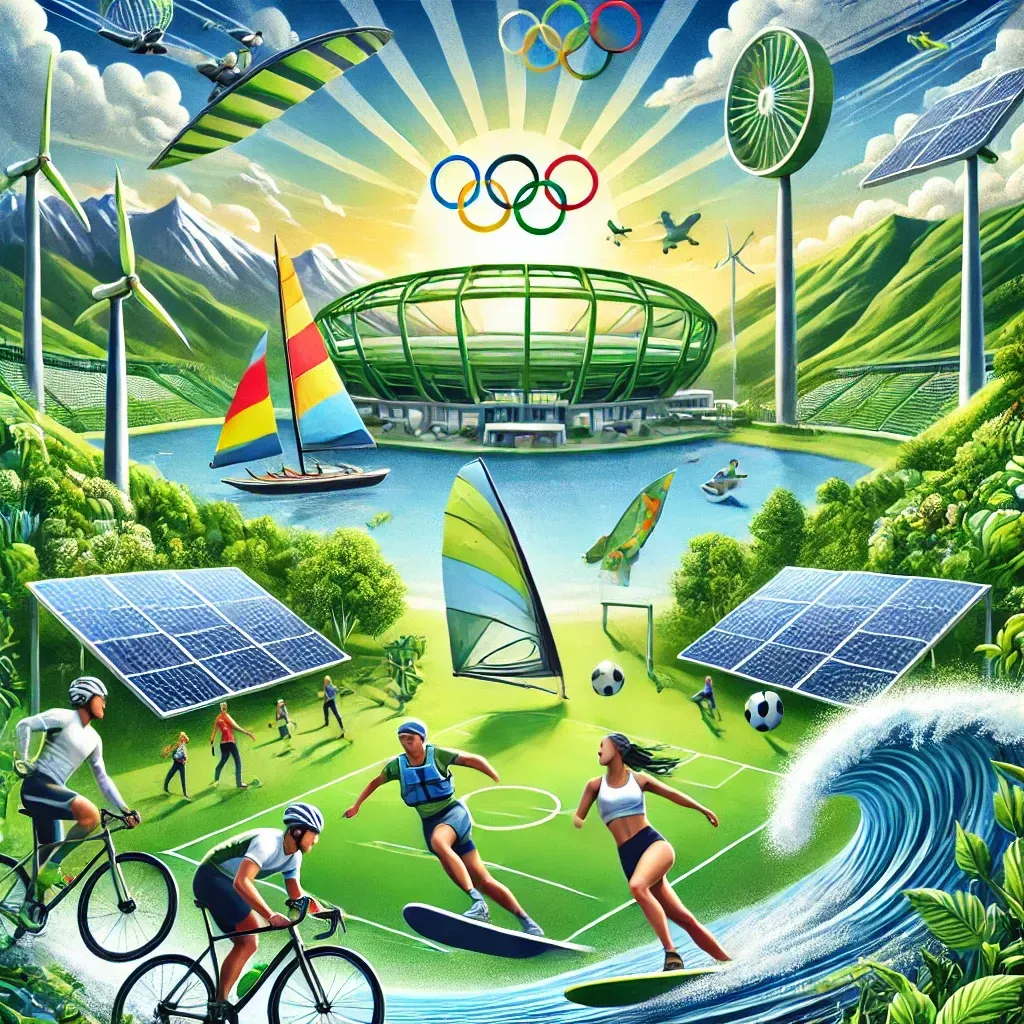
The design philosophy behind modern stadiums is evolving to incorporate sustainability as a fundamental principle. Green stadiums are being constructed with eco-conscious designs that utilize energy-efficient technologies, incorporate renewable energy sources, and focus on minimizing waste. For instance, innovative architecture integrates features such as solar panels and rainwater harvesting systems that significantly reduce a stadium’s environmental footprint.
Additionally, these eco-friendly stadiums often serve as prime examples for other venues, promoting the adoption of sustainability across the industry. They provide case studies highlighting how proactive strategies can lead to substantial improvements in resource efficiency. These advancements not only contribute to a renaissance in how sports facilities operate but also encourage fans and organizations to engage in environmentally sustainable practices.
Community Engagement Through Sustainable Initiatives
Community involvement is critical in promoting sustainable practices within the sports realm. By engaging with local communities, sports teams can encourage eco-friendly behavior among their fans. Initiatives such as clean-up events, tree-planting campaigns, and educational workshops create lasting skills that empower communities, ultimately fostering a culture of sustainability in sports.
Teams and leagues developing partnerships with environmental organizations also enhance the impact of these initiatives. Collaborations can help expand outreach and provide resources for communities that may not traditionally recognize their role in combating climate change. As sports organizations work to reduce their carbon footprints, their efforts resonate through community engagement, promoting a collective effort towards environmental stewardship.
Sustainable Merchandise Revolution in Sports
The rise of sustainable merchandise within the sports industry demonstrates an important acknowledgment of environmental issues among consumers. Sports teams are increasingly offering eco-friendly products, from apparel made with organic cotton to accessories crafted from recycled materials. This shift towards sustainable merchandise allows fans to make environmentally conscious choices while supporting their favorite teams.
Moreover, brands are focusing on creating sustainable merchandise not only to cater to environmentally conscious consumers but also to solidify their brand identity and values. Marketing these products often emphasizes the importance of conscious consumption, creating a narrative that aligns the sport with sustainable principles. These efforts help multiply the positive impact of eco-friendly practices, reaching more audiences and fostering a shift in consumer behavior.
The Future of Eco-Friendly Sporting Events
The future of sporting events looks promising as a growing number of organizations commit to embracing eco-friendly initiatives. Upcoming events are increasingly adopting strategies aimed at reducing waste and conserving resources. The trend toward zero waste events, where organizers aim to divert 90% or more waste from landfills, is gaining momentum. Effective waste management strategies, including recycling and composting initiatives, are being integrated into the fabric of event planning.
As eco-friendly practices become the industry standard, we can expect a transformative shift in how sporting events are perceived and executed. With advancements in technology and infrastructure, there’s potential for even greater innovations that align with sustainability goals. As fans and participants become more engaged in these practices, it becomes clear that the sports industry can evolve into a bastion of environmental responsibility.
Challenges Facing Major Sports Leagues in Sustainability
While significant advancements in sustainability are being made, major sports leagues still grapple with substantial challenges. The complexity of league operations often leads to hesitance in implementing sweeping changes. Factors such as profit margins, infrastructure limitations, and diverse fan expectations create hurdles for teams trying to adopt sustainable practices comprehensively.
Beyond operational difficulties, educating fans and players about sustainability is crucial for successful implementation. By raising awareness about the environmental impacts of sports, leagues can engage stakeholders to champion green initiatives collectively. Ultimately, fostering a culture of sustainability within leagues involves a gradual shift reflecting on environmental responsibilities and setting ambitious yet achievable goals.
Frequently Asked Questions
What are the eco-friendly practices in sports that are gaining popularity?
Eco-friendly practices in sports include the construction of green stadiums using sustainable materials, the implementation of energy-efficient systems, water conservation strategies, and the promotion of sustainable merchandise. These practices aim to reduce the environmental impact of sporting events and encourage fans to adopt greener habits.
How are athletes advocating for sustainability in sports?
Athletes are using their influence to advocate for sustainability by raising awareness of environmental issues, promoting eco-friendly practices within their sports, and partnering with organizations focused on climate action. Athletes like Lewis Hamilton and Serena Williams are leading by example, inspiring fans and peers to consider their environmental impact.
What is the significance of green stadium design in sustainable sports?
Green stadium design is significant because it minimizes resource consumption and environmental impact. These stadiums often feature solar panels, rainwater harvesting systems, and extensive recycling programs. By promoting sustainability in their built environment, sports venues can significantly reduce their carbon footprint.
How does sustainable merchandise contribute to sports and sustainability?
Sustainable merchandise contributes to sports and sustainability by utilizing eco-friendly materials, such as recycled plastics and organic fabrics. Brands like Adidas are creating products that reduce waste and pollution, while also shifting towards biodegradable packaging, thereby encouraging responsible consumer behavior.
What are the environmental impacts of traditional sports events?
Traditional sports events can have significant environmental impacts, including high energy consumption, excessive waste, and carbon emissions from transportation. These impacts necessitate the adoption of sustainable practices to mitigate negative effects on the environment.
What role do zero waste initiatives play in sports sustainability?
Zero waste initiatives play a crucial role in sports sustainability by aiming to divert 90% or more of waste away from landfills during events. This includes implementing thorough recycling and composting programs, which not only reduce waste but also promote responsible waste management practices among fans.
How can sports leagues improve their sustainability practices?
Sports leagues can improve their sustainability practices by increasing awareness and education on environmental issues, adopting eco-friendly policies, collaborating with teams and communities, and setting ambitious sustainability targets. This collective effort can lead to broader adoption of sustainable practices across the league.
What examples illustrate the impact of eco-friendly practices in major sports leagues?
Examples of eco-friendly practices in major sports leagues include the NFL’s commitment to sustainability in energy use at stadiums and the NBA’s initiatives to reduce waste at events. These leagues are exploring green practices like renewable energy use and sustainable merchandise, paving the way for broader industry change.
What future trends are emerging in sustainable sports practices?
Emerging trends in sustainable sports practices include the electrification of venues, where stadiums will rely entirely on renewable energy sources, and the adoption of electric transportation for teams. Additionally, a focus on zero-waste initiatives and sustainable event management practices is expected to grow.
How do community engagements by athletes support sustainability efforts in sports?
Community engagements by athletes support sustainability efforts by fostering partnerships with local organizations, educating fans about environmental issues, and mobilizing community actions towards eco-friendly practices. This grassroots involvement not only raises awareness but also builds a culture of sustainability among fans.
| Key Points | Details |
|---|---|
| Growing Need for Sustainability | The sports industry has a significant environmental impact, prompting organizations to reduce carbon footprints. |
| Eco-Friendly Stadiums | Stadiums are utilizing sustainable materials, energy-efficient systems, and green technology such as solar energy. |
| Sustainable Merchandise | Brands are producing eco-friendly apparel from recycled materials and shifting to biodegradable packaging. |
| Athlete Advocacy | Athletes promote sustainability, using their influence to raise environmental awareness and engage communities. |
| Green Events | Events focused on sustainability practices are emerging, sharing best practices and innovations. |
| Challenges Faced | Several major leagues are beginning to adopt sustainability, but widespread practices remain a challenge. |
| Future Trends | Electrification of venues and zero-waste initiatives are anticipated trends supported by consumer demand. |
Summary
Sports and sustainability are increasingly intertwined as the industry recognizes the need for eco-friendly practices. From reducing waste in stadium designs to promoting sustainable merchandise, the sports sector is making strides toward environmental responsibility. Athletes are advocating for change, and events are showcasing innovative practices, all contributing to a more sustainable future. The challenges remain, but the commitment from organizations and fans alike is paving the way towards a greener sporting landscape.