
Listen to this article
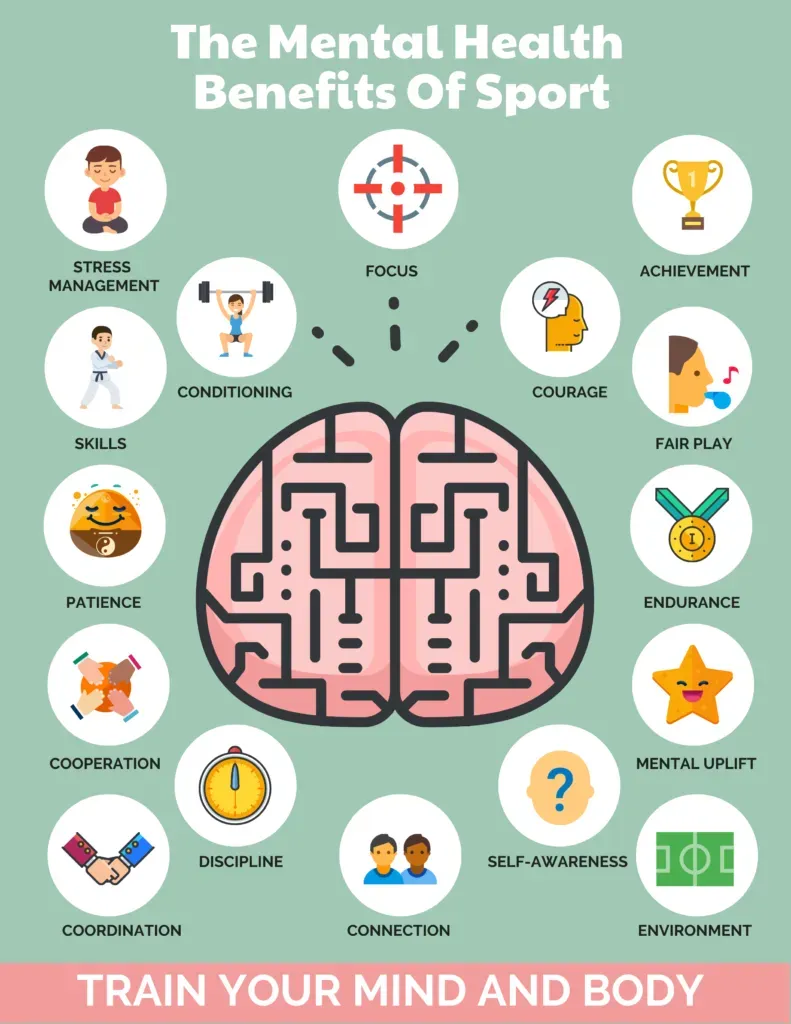
In recent years, the interplay between sports and mental health has garnered significant attention, revealing the profound effects that physical activity can have on our emotional wellbeing. Engaging in sports not only helps to improve physical health but also serves as a powerful tool for mental health improvement through sports, such as reducing anxiety and depression. The benefits of exercise and wellbeing extend beyond the individual, fostering team sports and social connections that can create lasting bonds. As we delve into the therapeutic aspects of sports therapy for mental health, it’s essential to recognize how physical activity benefits a person’s overall psychological state. This article explores these intricate relationships and how embracing sports can enhance our mental health and overall quality of life.
Exploring the positive impact of physical activities on psychological wellness, it becomes clear that both recreational and competitive sports play a vital role in enhancing mental and emotional states. The benefits of participating in athletic endeavors are multifaceted, affecting areas such as stress relief and social engagement. Moreover, engaging in team activities not only improves mood but also fosters a sense of community, which is essential for social support. By understanding the link between movement and mental health, we can better appreciate the importance of incorporating regular exercise into our lifestyles to promote emotional resilience and overall wellbeing. This discussion aims to shed light on how diverse forms of physical engagement contribute significantly to improving mental health.
The Biological Connection: How Sports Elevate Mood
Sports and physical activity offer a direct pathway to enhancing mental health through biological mechanisms. Engaging in regular exercise leads to the release of endorphins, commonly known as the ‘feel-good’ hormones. These endorphins are crucial for experiencing pleasure, reducing feelings of pain, and alleviating stress. Moreover, the release of these hormones during physical activity can lead to a ‘runner’s high,’ contributing to an overall better mood and emotional state after a workout.
Additionally, participation in sports can significantly lower cortisol levels in the body. Cortisol, known as the stress hormone, can wreak havoc on our mental health when present in high amounts. Lowering cortisol through physical activity not only alleviates stress but also promotes a greater sense of calm and emotional stability. Therefore, the biological benefits of engaging in sports serve as a foundational component in the pursuit of overall mental wellness.
Psychological Advantages of Sports Participation
Participating in sports extends beyond physical benefits to offer significant psychological gains. For instance, regular exercise is known to enhance cognitive functions, including memory and concentration. This improvement is often linked to increased blood flow to the brain, enhancing mental clarity and decision-making capabilities. Furthermore, engaging in sporting activities can create a robust framework for improved self-esteem. Achieving personal milestones in sports can boost confidence and provide a sense of accomplishment, essential for maintaining positive mental health.
Moreover, sports participation fosters resilience, as athletes learn to cope with winning and losing. This exposure to challenges builds mental fortitude, enabling individuals to manage life’s pressures more effectively. In this way, sports can serve as a powerful tool for psychological improvement, contributing to enhanced emotional regulation and a healthier outlook on life.
The Social Benefits of Team Sports
Team sports inherently promote social connections, which are critical for mental health. By participating in team activities, individuals have the opportunity to interact with others, fostering relationships that can provide emotional support and combat feelings of loneliness. The camaraderie built within a team setting not only enhances mutual support but also instills a sense of belonging, which is vital for overall wellbeing.
Moreover, these social connections can extend beyond the field, creating friendships that support individuals through life’s ups and downs. Regular interaction with teammates encourages communication skills and empathy, traits that are beneficial for both personal and professional relationships. Hence, engaging in team sports is not just about physical activity; it’s also a means of building vital social networks that significantly contribute to mental health.
Sports as a Form of Therapy
The therapeutic potential of sports is increasingly recognized within mental health frameworks. Sports therapy leverages physical activity as a way to address various mental health issues such as anxiety and depression. Incorporating exercise into treatment plans helps individuals manage their symptoms more effectively, fostering both physical and psychological health. Therapists often integrate physical activities to enhance self-awareness and emotional regulation, demonstrating the utility of sports in therapeutic settings.
Moreover, structured sports programs offer targeted interventions for specific populations, such as youth or those recovering from trauma. These programs use sports as a medium for self-expression and the development of coping strategies. By participating in these therapeutic sports programs, individuals can experience emotional growth, resilience, and improved mental health outcomes.
How to Incorporate Sports into Mental Health Practices
Incorporating sports into mental health practices can be a game changer for many individuals. Mental health professionals can actively encourage their clients to find sports or physical activities that resonate with their personal interests. Whether it is joining a local soccer team or enrolling in yoga classes, aligning sports participation with personal enjoyment enhances adherence and fosters a sense of commitment to mental wellbeing.
Setting clear, achievable goals within these sports activities can also amplify motivation and provide tangible achievements that boost self-esteem. Starting with small, manageable objectives can empower individuals as they progress, creating a roadmap toward both physical fitness and mental health improvements. This structured approach incorporates the principles of goal-setting therapy within sports contexts.
Connecting with Community Through Sports
Engaging with local sports teams offers individuals unique avenues for social interaction. Community sports programs often cater to various age groups and skill levels, making them accessible for everyone. This inclusivity allows individuals to find their niche within a supportive environment, promoting a sense of belonging and fostering connections with others who share similar interests.
Moreover, participating in community sports events can create opportunities for individuals to build deeper relationships within their neighborhoods. Attending games as a participant or spectator not only enhances social life but also bolsters overall community cohesion. By promoting unity and shared experiences, sports have the power to strengthen societal bonds, which are essential for mental health.
The Role of Sports in Reducing Anxiety and Stress
Sports play a crucial role in alleviating anxiety and stress through physical activity. Engaging in exercise triggers the body’s natural stress relief mechanisms, leading to enhanced relaxation and reduced feelings of tension. Many studies have shown that individuals who regularly partake in physical activities experience fewer symptoms of anxiety, possibly due to the regulation of neurotransmitters such as serotonin and norepinephrine.
Furthermore, the routine associated with sports participation—regular training sessions, team play, and physical exertion—can provide structure to individuals who may struggle with anxiety. This routine creates a positive outlet for stress and cultivates coping mechanisms that individuals can apply to other areas of their lives, ultimately promoting greater emotional resilience.
Physical Activity Benefits for Mental Resilience
The benefits of physical activity extend beyond mere fitness; they are pivotal in nurturing mental resilience. Engaging in sports contributes to emotional stability and fortitude, especially during challenging times. Regular physical activity encourages a proactive approach to managing stressors, fostering a mindset that is more adaptable and capable of navigating life’s inevitable ups and downs.
Additionally, individuals who maintain an active lifestyle are often better equipped to handle depression, anxiety, and other mental health difficulties. The cumulative effects of exercise not only contribute to enhanced physical health but also cultivate a positive outlook on life. As such, the integration of physical activity into daily routines represents a foundational aspect of building lasting mental resilience.
Personal Testimonials: The Transformative Power of Sports
Real-life stories illustrate the transformative power of sports on mental health. For example, individuals like Emma, who battled anxiety, found solace and empowerment through running. Her involvement in local marathons not only reinforced her self-esteem but also connected her with a supportive community, highlighting how sports can serve as a critical support system.
Similarly, Mark’s journey through depression was transformed by basketball. This team sport provided him with physical activity that significantly improved his mood while also fostering teamwork, discipline, and a sense of belonging. These personal testimonials underscore the profound impact that engaging in sports can have on enhancing mental health and overall wellbeing.
Frequently Asked Questions
What are the benefits of physical activity for mental health?
Physical activity offers extensive benefits for mental health, including the release of endorphins, which boost mood and create feelings of euphoria. Regular exercise can significantly reduce stress, anxiety, and depression, leading to improved overall wellbeing and emotional stability.
How does sports therapy contribute to mental health improvement?
Sports therapy plays a vital role in mental health improvement by incorporating physical activity as a therapeutic tool. It helps individuals manage conditions like depression and anxiety by fostering motivation, enhancing emotional regulation, and providing social support through team dynamics.
Can team sports enhance social connections and mental wellbeing?
Yes, participating in team sports can greatly enhance social connections and improve mental wellbeing. These activities foster teamwork, create a sense of belonging, and offer emotional support, which can combat loneliness and promote a more stable mental state.
In what ways can exercise improve cognitive function and mental wellness?
Engaging in regular exercise boosts cognitive function by enhancing memory, attention, and decision-making skills. This improvement contributes to better overall mental wellness, making it easier to handle daily challenges and reducing the risk of cognitive decline.
How do I incorporate sports into my mental health care routine?
To incorporate sports into your mental health care routine, start by choosing physical activities that you enjoy. Set realistic fitness goals, join local teams, and build a supportive social network that encourages participation in sports, which can significantly enhance your mental wellbeing.
What specific sports are effective for reducing anxiety and depression?
Activities like running, swimming, and team sports such as basketball or soccer have been shown to effectively reduce symptoms of anxiety and depression. These sports not only improve physical health but also promote emotional resilience through social interaction and endorphin release.
What role does endorphin release play in sports and mental health?
The release of endorphins during physical activity, often referred to as the ‘runner’s high,’ plays a critical role in enhancing mental health. Endorphins elevate mood and contribute to reduced feelings of stress and anxiety, making regular exercise a powerful tool for emotional support.
How can young people benefit from sports in relation to mental health?
Young people can benefit from sports by gaining avenues for self-expression, developing coping skills, and forming strong social networks. Participation in sports fosters resilience and emotional growth, crucial for navigating the challenges of adolescence.
What types of exercise therapy are beneficial for mental health?
Exercise therapy includes structured programs that utilize various physical activities such as aerobics, team sports, and yoga. These programs help address mental health issues by promoting physical health, enhancing emotional regulation, and building social connections.
How can joining a local sports team improve my emotional wellbeing?
Joining a local sports team can improve your emotional wellbeing by providing social connections and a support network. It fosters a sense of community and belonging, which enhances emotional stability and can significantly alleviate feelings of loneliness and isolation.
| Key Points | Details |
|---|---|
| Biological Benefits | 1. Release of Endorphins – Exercise increases endorphins, improving mood and emotional stability. 2. Reduction of Cortisol – Physical activity lowers cortisol levels, leading to a calmer mental state. |
| Psychological Benefits | 1. Improved Cognitive Function – Sports enhance memory, attention, and decision-making skills. 2. Enhanced Self-Esteem – Achieving goals in sports builds confidence and resilience. |
| Social Benefits | 1. Building Connections – Team sports foster social interactions and friendships. 2. Sense of Belonging – Community in sports enhances emotional stability through support. |
| Sports as Therapy Tool | 1. Exercise Therapy – Recommended for conditions like anxiety and depression. 2. Structured Programs – Sports-based initiatives target mental health improvements. |
| Strategies for Incorporation | 1. Encouraging Participation – Tailor sports activities to individual interests. 2. Creating Goals – Set achievable sports goals to motivate involvement. 3. Connecting with Community – Engage with local sports teams for social interactions. 4. Fostering a Support System – Use sports to build friendships and networks. |
| Real-Life Testimonials | 1. Emma – Running helped her manage anxiety and build a supportive community. 2. Mark – Basketball provided a constructive outlet for his depression, enhancing his resilience. |
Summary
Sports and mental health are intrinsically linked, as participation in physical activities has substantial benefits for mental well-being. Engaging in sports not only releases endorphins that elevate mood but also fosters social connections that combat loneliness. By addressing both biological and social aspects, sports serve as a vital tool in improving mental health. Recognizing the therapeutic value of sports can lead to more integrated mental health strategies, ultimately contributing to healthier individuals and communities.

