
Listen to this article
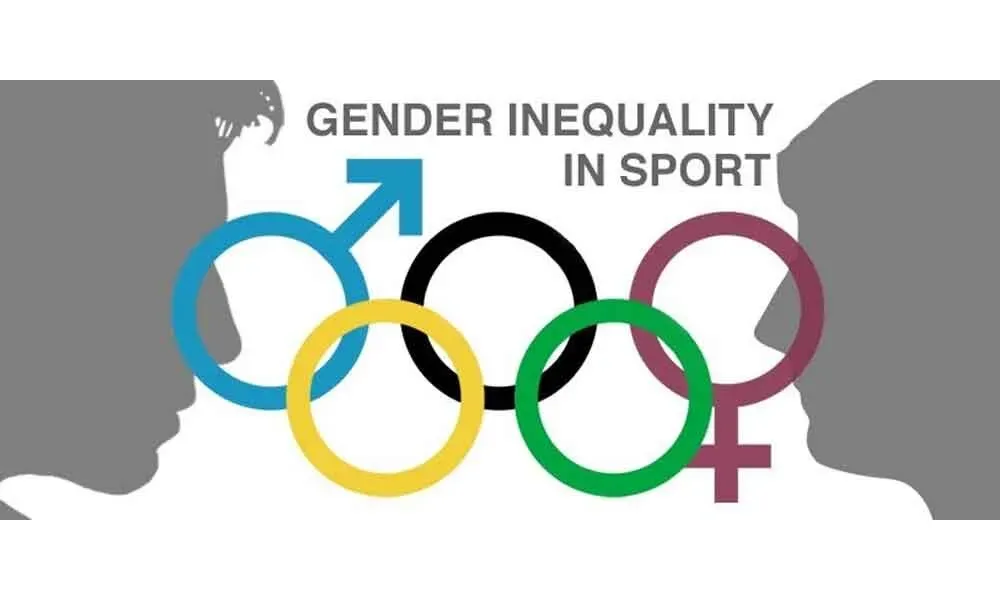
Sports and gender equality are intertwined aspects of modern society, playing a crucial role in the advancement of social justice. By providing a platform where women in sports can excel, athletes actively challenge traditional gender roles and work towards achieving gender equity in athletics. The shift towards inclusivity in athletics fosters an environment that empowers female athletes, allowing them to break barriers in women’s sports and advocate for their rightful place in sports culture. As more women take to the field, we witness a transformation that not only benefits the athletes but also inspires future generations of girls to pursue their passions fearlessly. This commitment to gender equality in sports is essential for cultivating a more equitable society, where everyone has the opportunity to thrive regardless of gender.
The intersection of athletics and gender fairness represents a pivotal movement towards societal change, emphasizing the need for equal opportunities in competitive environments. As female competitors take center stage, we begin to dismantle preconceived barriers that have historically relegated women to the sidelines. By embracing female empowerment through sports, we are fostering a culture that values the contributions of all athletes, irrespective of gender identity. The increasing visibility of women in sports not only encourages participation but also promotes values of fairness and equality, essential for future generations. In this way, the drive for gender parity within the sports arena serves as both a microcosm and a catalyst for broader social transformation.
The Importance of Sports in Promoting Gender Equality
Sports play a crucial role in fostering social change, particularly in promoting gender equality. By providing women with a platform to showcase their talents, sports have been integral in challenging societal norms that have historically favored men. As more women participate in various sports, they not only redefine traditional gender roles but also encourage a broader acceptance of female empowerment in areas beyond athletics.
Engagement in sports facilitates conversations about gender equity in athletics and helps dismantle barriers for women. Prominent female athletes serve as role models, demonstrating that success knows no gender. Their achievements encourage young girls to strive for excellence, not just in sports but also in their educational and professional endeavors, emphasizing the need for equal opportunities for all.
Breaking Barriers in Women’s Sports
While sports have often been seen as a male-dominated realm, the emergence of the women’s sports movement has been transformative. Female athletes have been breaking down barriers, proving that they can perform at the highest levels in competition. Notable figures such as Simone Biles and Serena Williams inspire generations, showcasing that when women excel, society as a whole benefits.
This movement is essential in addressing the various barriers in women’s sports, including lack of funding, insufficient media coverage, and stereotypical perceptions. As female athletes gain visibility and respect in the sports industry, the need for gender equity becomes more evident, paving the way for future initiatives that promote inclusivity in athletics.
Empowerment Through Sports Participation
Engaging in sports empowers women by fostering essential life skills such as leadership, teamwork, and resilience. These skills not only enhance personal development but also prepare women to take on leadership roles in their communities and workplaces. Research indicates that girls involved in sports are more likely to pursue ambitious career paths and represent their interests effectively.
Moreover, sports participation helps in combating mental health issues among women, such as depression and low self-esteem. The camaraderie and support found in team sports contribute to improved mental well-being, creating a positive cycle that encourages women to lead healthier lives and advocate for gender equity in various facets of society.
The Role of Role Models in Women’s Sports
Role models play a significant role in shaping perceptions about women’s capabilities in sports. When young girls see successful female athletes, it motivates them to participate in sports and pursue their dreams. This visibility is crucial for inspiring the next generation of female leaders and athletes.
Representation in sports media also matters; increased coverage of women’s sports and female athletes challenges stereotypes and promotes gender equity in athletics. Initiatives to enhance representation help illuminate the diverse talent among women, encouraging a culture of respect and equality both on and off the field.
Inclusivity in Athletics and Community Engagement
Promoting inclusivity within sports is essential for ensuring that all women, regardless of their background, can participate and excel. Organizations like the Women’s Sports Foundation actively work to create programs that cater to underrepresented communities, reinforcing the idea that sports should be accessible to everyone.
By organizing diverse programs, communities can deliver opportunities that empower women from various socio-economic backgrounds. Sports become a unifying force, bridging gaps between different ethnicities and social classes, fostering a spirit of camaraderie and support.
Changing Policies for Gender Equality in Sports
The influence of sports on gender policy change is profound. Many sporting organizations are acknowledging the importance of gender equity and are beginning to implement reforms that ensure equal rights and opportunities for female athletes. For instance, FIFA’s commitment to women’s soccer reflects a growing understanding of the need for equal funding and supportive policies.
When governments and organizations invest in women’s sports, it sends a strong message about the value of gender equity in society. These policy shifts can lead to increased resources for female athletics, ultimately helping to break down the systemic barriers that have long hindered women’s participation in sports.
Educational Programs Towards Gender Inclusivity
Educational initiatives are vital for promoting gender inclusivity in sports. Many organizations are developing programs aimed at eradicating gender stereotypes and educating coaches and athletes about the importance of equal opportunities for all genders. These programs play a critical role in promoting understanding and respect within sports.
Training workshops and community outreach efforts can help foster a culture that values inclusivity. By encouraging individuals in positions of influence to advocate for change, the sports community can strengthen the foundation for equality—ensuring everyone has the ability to participate and thrive in the athletic landscape.
The Impact of Media on Women’s Sports
Media representation has a profound impact on promoting gender equality in sports. Greater coverage of women’s athletic achievements can challenge outdated perceptions and highlight the skill and determination of female athletes. As media outlets start to allocate more resources to women’s sports, they contribute to changing societal views on gender.
Furthermore, increased visibility leads to better sponsorship opportunities for female athletes and teams. As the media landscape evolves, the portrayal of women in sports will continue to play a significant role in promoting female athletes and creating an atmosphere that values gender equity.
The Future of Gender Equality in Sports
The future of gender equality in sports looks promising, yet challenges remain. Ongoing advocacy for equal pay and increased support for women in athletics is critical to ensure that the progress made is sustained. Sports organizations, athletes, and fans must join forces to champion gender equity in all areas.
By continuing to challenge stereotypes and support initiatives that enhance women’s visibility in sports, society can move towards a more inclusive future. As history has shown, sports can be a powerful catalyst for social change, paving the way for equal opportunities for all genders.
Frequently Asked Questions
How do sports promote gender equality in society?
Sports promote gender equality by providing a platform for female athletes to challenge traditional gender roles, empowering women, and advocating for inclusivity in athletics. Through participation and visibility, women in sports inspire change and support gender equity in various aspects of life.
What are some barriers in women’s sports that need to be addressed?
Barriers in women’s sports include lack of funding, inadequate media coverage, and gender stereotypes that undermine female athletes. Addressing these issues is crucial for achieving gender equity in athletics and ensuring equal opportunities for all genders.
How does participating in sports empower female athletes?
Participating in sports empowers female athletes by building confidence, leadership skills, and promoting resilience. Engaging in competitive environments allows women to demonstrate their capabilities, paving the way for future generations and challenging societal norms.
What initiatives promote inclusivity in athletics for women?
Initiatives like the Women’s Sports Foundation work to promote inclusivity in athletics by ensuring participation from underrepresented communities. These programs focus on providing opportunities for women from diverse backgrounds to engage in sports, fostering acceptance and equality.
How does media representation impact women in sports?
Media representation significantly impacts women in sports by increasing visibility and normalizing female athletes as leaders and role models. Enhanced coverage can inspire young girls to pursue sports and contribute to changing perceptions around gender equality in athletics.
In what ways can educational programs combat gender stereotypes in sports?
Educational programs that target coaches, athletes, and the community can combat gender stereotypes by promoting awareness of gender equality in sports. Workshops, training sessions, and outreach initiatives help cultivate an inclusive environment where everyone is valued equally.
What role do policy changes play in achieving gender equity in athletics?
Policy changes are essential for achieving gender equity in athletics as they can lead to increased funding for women’s sports and promote equitable pay. National and international sports organizations are recognizing the need for changes that reflect society’s commitment to equality.
How can grassroots movements enhance female athletes empowerment?
Grassroots movements enhance female athletes’ empowerment by advocating for equal opportunities, providing resources, and raising awareness about the struggles women face in sports. These localized efforts are critical for driving systemic change and encouraging participation.
What challenges do female athletes face compared to their male counterparts?
Female athletes face challenges such as lesser media coverage, lower funding, and more pronounced gender biases. Overcoming these barriers is vital for achieving true gender equity in athletics and recognizing the achievements of women in sports.
Why is it important to advocate for equal pay in women’s sports?
Advocating for equal pay in women’s sports is crucial for achieving gender equity. It recognizes the value that female athletes bring to their sports and ensures that they receive compensation that reflects their contributions and performance, promoting fairness in athletics.
| Key Point | Description |
|---|---|
| Breaking Down Barriers | The rise of women athletes challenging traditional gender roles and smashing stereotypes. |
| Building Confidence and Leadership Skills | Participation in sports fosters essential skills that contribute to personal and professional development. |
| Promoting Inclusivity | Sports initiatives aim to ensure participation from diverse communities regardless of background. |
| Changing Policies and Perceptions | Increased recognition of the need for gender equity from sports organizations and policy changes. |
| Role Models and Representation | Visibility of female athletes serves as inspiration and normalizes women’s leadership in sports. |
| Educational Programs and Awareness | Programs that educate on gender equality help foster inclusivity and combat stereotypes. |
Summary
Sports and gender equality go hand in hand, as athletics provide a powerful platform for breaking down societal barriers and fostering inclusivity. The influence of women in sports challenges traditional gender roles, empowers female athletes, and promotes essential life skills such as confidence and leadership. Moreover, the ongoing recognition of women’s contributions to sports and increased visibility serves to inspire future generations. While there is still work to be done to achieve complete equity, the commitment to gender equality within sports organizations, alongside community initiatives, highlights a positive shift towards inclusivity. By advocating for equal opportunities and supporting women’s sports, we can continue to pave the way for a more equitable future.

