Listen to this article
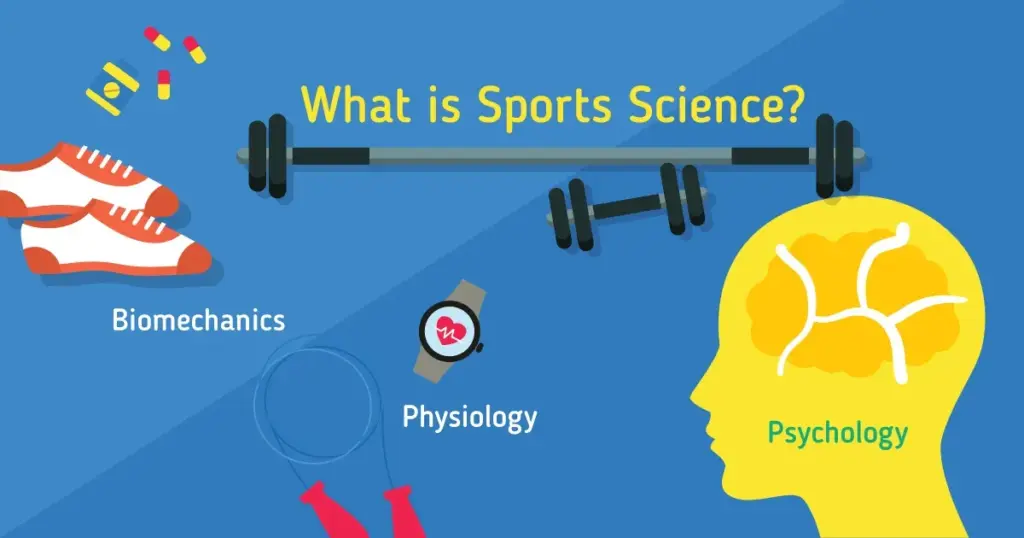
Sport science is a dynamic and multifaceted field dedicated to enhancing athletic performance through a deep understanding of the human body’s capabilities and limits. By integrating disciplines such as exercise physiology, biomechanics, and sports nutrition, sport science provides athletes and coaches with invaluable insights to optimize training regimens and improve overall performance. For instance, advanced studies in biomechanics enable precise analysis of movement, allowing for techniques that significantly reduce injury risk while maximizing efficiency. Alongside this, the role of mental training cannot be understated; cultivating focus and resilience is equally vital to achieving peak athletic performance. In this exploration of sport science, we will uncover the essential components that contribute to success in the competitive world of sports.
The study of athletics and physical training, often referred to as sports science, encompasses a range of disciplines aimed at maximizing physical performance and preventing injuries. This interdisciplinary approach includes examining the physiological responses to exercise, the mechanical aspects of body movements, and the nutritional needs essential for optimal performance. It also highlights the importance of psychological strategies in training, such as mental resilience and visualization techniques that can elevate an athlete’s game. By delving into fields such as biomechanics and exercise physiology, practitioners can craft tailored programs that enhance strength, endurance, and recovery efforts. Ultimately, this holistic perspective on sports-related training and performance is crucial for athletes seeking to excel.
The Science of Athletic Performance Enhancement
Athletic performance enhancement relies on the integration of various scientific principles derived from sport science, including biomechanics, exercise physiology, and nutrition. By understanding the mechanics of human movement, athletes can refine their techniques to optimize efficiency and effectiveness during competitions. For instance, biomechanics allows coaches to analyze movement patterns, leading to improvements in an athlete’s jump height or sprint speed. This scientific approach helps athletes harness their full potential and significantly reduces the risk of injury.
Furthermore, exercise physiology plays a crucial role by exploring the body’s adaptive responses to training stimuli. This understanding is vital for developing tailored training regimens that enhance both strength and endurance. By examining how different energy systems are activated during various exercises, athletes can learn how to train smarter, ensuring that each workout contributes meaningfully to their overall performance. Consequently, the intersection of these scientific disciplines not only enhances performance but also ensures longevity in athletes’ careers.
Understanding Biomechanics for Better Performance
Biomechanics is fundamental in defining how athletes perform and prevents injuries by examining the physical laws governing movement. When athletes channel this science into their training, they can identify inefficiencies in their techniques that might hinder performance. For example, a runner who assesses their stride mechanics using motion capture technology might discover ways to alter their gait for better speed and endurance, demonstrating how biomechanics can lead to tangible performance improvements.
Moreover, understanding the principles of biomechanics facilitates the application of appropriate training strategies. By utilizing data from biomechanical analyses, coaches can develop specific drills targeting weaknesses in an athlete’s performance. This not only maximizes the output of each movement but also minimizes the likelihood of injury by ensuring that athletes maintain optimal form throughout their training sessions.
The Essentials of Exercise Physiology
Exercise physiology delves into the body’s physiological responses and adaptations to physical stress. Comprehending how different types of exercise affect the body is crucial for athletes seeking to maximize their performance. For instance, understanding aerobic and anaerobic energy systems enables athletes to tailor their workouts to enhance cardiovascular endurance and explosive power, respectively.
Additionally, the study of recovery physiology is equally important in exercise science. Proper recovery protocols, including active rest, nutrition, and hydration strategies, have shown to dramatically improve an athlete’s overall performance. Recognizing the signs of overtraining and understanding how to effectively rest can prevent injuries and ensure that athletes are always on top of their game.
The Role of Nutrition in Athletic Performance
Nutrition is the linchpin of athletic performance, fueling the body for optimal function. Athletes are increasingly collaborating with sports nutritionists to devise meal plans that align with their training regimens. Nutrient timing, or how athletes distribute their nutrient intake throughout the day, can dramatically affect performance outcomes, especially during high-intensity training or competitions.
Moreover, understanding the vital role of hydration cannot be underestimated. Dehydration can lead to significant declines in performance, as even minor fluid losses can affect strength, endurance, and cognitive function. By incorporating advanced hydration strategies into their routines, athletes can maintain peak physiological function before, during, and after exertion.
Mental Training Techniques for Athletes
Mental training is a critical aspect of sport science that complements physical training. Mental resilience, focus, and emotional regulation are as essential for competitive success as physical preparedness. Through techniques such as visualization, athletes can enhance their mental preparation by imagining their performance in detail, which builds confidence and improves focus.
Goal-setting is another powerful mental strategy employed by athletes to maintain motivation and track progress. By setting SMART (Specific, Measurable, Achievable, Relevant, Time-bound) goals, athletes can create a structured plan that fosters continuous improvement. Incorporating mindfulness practices also helps in managing anxiety and promoting relaxation before competitions, leading to enhanced performance.
Injury Prevention Strategies in Sport Science
Injuries are an inevitable risk in sports, but sport science has developed effective strategies for prevention. By utilizing biomechanical analysis, athletes can identify movement patterns that predispose them to injuries. By addressing these issues through tailored strength and flexibility training, the risk can be significantly reduced.
Furthermore, understanding the principles of periodization—structuring training cycles for varying intensity—helps maintain balance between workouts and recovery. This strategy not only allows athletes to push their limits but promotes long-term health and performance sustainability.
Rehabilitation and Recovery in Sport Science
Rehabilitation is a crucial phase in an athlete’s journey post-injury, and sport science plays a vital role in facilitating healing while maintaining fitness. Evidence-based rehabilitation protocols integrate techniques informed by exercise physiology and biomechanics to ensure athletes recover effectively without compromising their future performance.
Moreover, the use of technologies such as neuromuscular electrical stimulation during rehabilitation can enhance recovery by keeping muscles engaged while preventing atrophy. This strategic approach ensures athletes return to their sport with strength and confidence post-injury.
Innovations in Sport Science Technology
Technology is revolutionizing sport science in unprecedented ways. Wearable devices that track heart rates and physiological metrics provide real-time data that athletes and coaches can analyze to fine-tune training regimens. This technology empowers athletes to make informed decisions based on their unique physiological responses.
Additionally, the adoption of artificial intelligence is enhancing predictive analytics in sports, offering insights into injury risks and performance projections based on an athlete’s data history. This innovative approach is paving the way for personalized training plans that optimize performance while ensuring safety.
The Future of Sport Science and Athletic Performance
Looking towards the future, the integration of sport science in athletic training will continue to evolve, driven by research and innovation. By combining psychological insights with physical training, athletes will achieve a more holistic approach to performance enhancement that accounts for mental and emotional factors.
Furthermore, the expansion of online training and resources means access to sport science principles will be more widely distributed among athletes of all levels. As the field continues to grow, it implies that potential future champions will be better equipped to understand and utilize the principles of sport science in their pursuit of excellence.
Frequently Asked Questions
What is sport science and how does it improve athletic performance?
Sport science is a multidisciplinary field that combines biology, chemistry, physics, and psychology to enhance athletic performance. By understanding human physiology, biomechanics, and exercise physiology, athletes can optimize their training regimens, nutrition, and recovery processes, leading to improved performance and reduced injury risks.
How does biomechanics contribute to optimizing athletic performance?
Biomechanics studies the mechanics of human movement, allowing coaches to analyze athletes’ techniques. By evaluating movements, such as running or jumping, coaches can identify inefficiencies and make adjustments that enhance performance and minimize the risk of injury.
What role does exercise physiology play in developing training programs?
Exercise physiology focuses on the body’s responses to physical activity. By understanding energy systems, muscle adaptation, and recovery physiology, coaches can design personalized fitness programs that cater to an athlete’s specific needs, maximizing their potential and improving athletic performance.
Why is sports nutrition crucial for athletes?
Sports nutrition is vital because an athlete’s diet directly influences their performance. Proper nutrition helps fuel workouts, aids muscle recovery, and ensures adequate hydration, all of which are essential for maintaining optimal performance levels during training and competition.
What are some key components of effective mental training in sports?
Effective mental training involves developing mental toughness, focus, and resilience. Techniques such as visualization, goal setting, and mindfulness can enhance an athlete’s psychological readiness, leading to improved focus and performance during competitions.
How can injury prevention strategies enhance athletic performance?
Injury prevention strategies are designed using knowledge from biomechanics and physiology to reduce the likelihood of injuries. Tailored prevention programs help athletes maintain consistent training without interruptions, ultimately leading to improved performance outcomes.
What technology is shaping the future of sport science?
Technological advancements, such as wearable devices that monitor physiological metrics, performance analytics software, and AI-driven predictive models, are significantly shaping sport science. These innovations allow for personalized training and recovery plans, optimizing athletic performance.
How does hydration affect athletic performance?
Hydration plays a crucial role in maintaining physical performance. Dehydration can lead to fatigue, decreased coordination, and impaired cognitive function, which negatively affects overall athletic performance. Proper fluid intake is essential before, during, and after exercise.
What is the importance of periodization in training?
Periodization is a training approach that cycles through different phases (e.g., intensive training, active recovery) to balance training loads and recovery. This method helps prevent injuries and burnout while maximizing performance, ensuring athletes reach peak readiness for competitions.
What makes sport science a multidisciplinary field?
Sport science is multidisciplinary because it integrates various scientific domains including biomechanics, exercise physiology, nutritional science, and psychology. This comprehensive approach allows for a more thorough understanding of how different factors contribute to enhancing athletic performance.
| Aspect | Description |
|---|---|
| Sport Science | A multidisciplinary field combining biology, physics, chemistry, and psychology to enhance athletic performance. |
| Biomechanics | Studies human movement mechanics to improve performance and reduce injury risk. |
| Physiology | Examines body responses to exercise and informs personalized training programs. |
| Nutrition | Focuses on diet, hydration, and supplementation to optimize physical performance. |
| Psychology | Explores mental training strategies to enhance focus, resilience, and overall performance. |
| Injury Prevention | Utilizes biomechanics and physiology knowledge to prevent injuries and enhance recovery. |
| Technological Innovations | Incorporates wearable technology and AI to enhance training and recovery analytics. |
Summary
Sport science is a vital field that reveals insights into athletic performance by integrating various scientific principles. By understanding biomechanics, physiology, nutrition, psychology, and the latest technological innovations, athletes can uncover their full potential. This comprehensive approach ensures informed training regimes and recovery processes. Consequently, both athletes and coaches can use sport science to bridge the gap between victory and defeat, working towards peak performance in competitive scenarios.