
Listen to this article
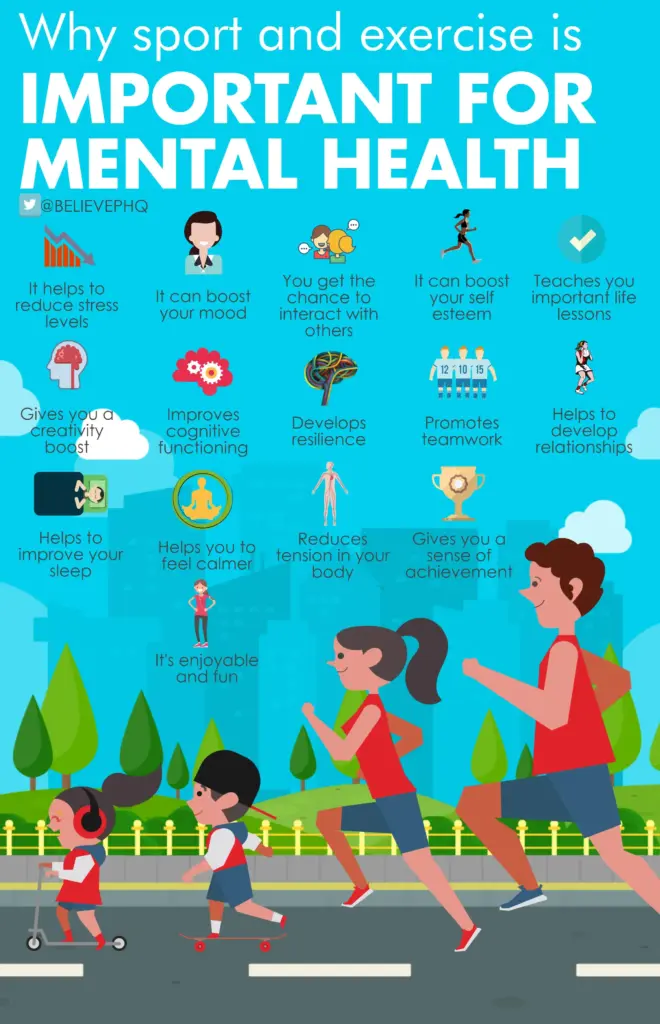
Sport and mental health are intricately linked, playing a vital role in enhancing overall well-being. Engaging in physical activities not only provides the physical health benefits associated with improved cardiovascular health and weight management, but it also serves as an excellent source of stress relief. The release of endorphins triggers a wave of positivity, aiding in the reduction of anxiety and depression. By participating in sports, individuals can also boost their self-esteem and foster teamwork in sports settings, creating meaningful social interactions. It’s more than just exercise; incorporating sports into your life nurtures both your body and mind, making it an essential part of a healthy lifestyle.
The relationship between athletics and emotional wellness is profound, with numerous advantages stemming from active participation in various physical activities. In the realm of fitness, team-oriented endeavors encourage camaraderie, serve as a tool for weight control, and enhance cardiovascular function. Moreover, engaging in physical challenges not only supports bodily strength but also promotes mental resilience and uplifted spirits. Regular involvement in sports can facilitate stress management and elevate self-esteem, all while forging valuable connections among participants. By understanding the crucial role of exercise in fostering psychological stability, we can appreciate how integral sports are to maintaining our mental health.
The Link Between Physical Health and Sports
Participating in sports significantly boosts overall physical health by promoting various essential aspects of the body. Engaging in athletic activities enhances cardiovascular fitness, ensuring that the heart and lungs work efficiently. Regular exercise through sports helps lower blood pressure, improves circulation, and increases lung capacity, which collectively contribute to better cardiovascular health. Additionally, sports help to combat sedentary lifestyle risks such as obesity and related diseases by encouraging active living.
Moreover, the muscle-strengthening benefits of sports cannot be overlooked. When engaging in physical activities, individuals work on various muscle groups, enhancing strength, endurance, and flexibility. This not only aids in weight management but also helps maintain bone density and joint health. Therefore, incorporating sports into one’s routine serves not only to achieve a fit physique but also to foster long-term physical resilience against age-related deterioration.
Mental Health Benefits of Sports: A Deeper Dive
The mental health benefits of participating in sports are profound and multifaceted. Engaging in regular physical activity releases endorphins, which are crucial for elevating mood and reducing feelings of anxiety. Sports can act as a natural remedy for those battling mental health issues, providing a sense of escape and a boost in overall emotional wellbeing. Many individuals find that physical activities such as running or team sports enable them to clear their minds and alleviate stress, fostering clearer thinking and a greater capacity to manage daily challenges.
Furthermore, the social interactions that come with team sports play a critical role in enhancing mental health. When individuals participate in sports together, they build a community and foster friendships that provide emotional support. This social aspect is vital in combating feelings of isolation, particularly in a world where many experience loneliness. Thus, the collective nature of sports not only promotes physical fitness but also nurtures mental resilience through shared experiences and comradery.
How Sports Foster Teamwork and Cooperation
One of the inherent qualities of team sports is the emphasis on teamwork and cooperation among players. Participating in team sports teaches individuals the significance of working towards a common goal, enhancing their ability to collaborate effectively with others. This teamwork is not only vital in sports but is also transferable to personal and professional life, where cooperation is key to success. The skills learned while collaborating in sports can build character and foster leadership qualities.
Additionally, the trust-building element present in team sports creates lasting bonds among teammates. As athletes face challenges together, they learn to rely on each other’s strengths and support one another in times of difficulty. This creates a sense of belonging and enhances overall self-esteem, proving that engaging in sports can shape an individual’s character beyond their physical capabilities.
The Importance of Setting Realistic Sports Goals
Setting realistic and achievable goals in sports is critical for fostering a sense of purpose and accomplishment. Individuals who set goals can track their progress, which is essential for maintaining motivation. Whether it’s improving one’s running time or perfecting a basketball shot, having specific targets to strive towards enhances enjoyment and commitment to sports. Goal-setting not only helps in skill improvement but also contributes to an enhanced sense of self-fulfillment.
Moreover, achieving these goals provides a boost in self-esteem and confidence. Each milestone reached in sports, no matter how small, reinforces the belief in one’s abilities and encourages resilience in facing challenges. Consequently, this practice of setting and achieving goals fosters a positive mindset that is beneficial not only in sports but in other areas of life as well.
Weight Management Through Sports Participation
Participating in sports is an effective strategy for weight management, as it helps to create a caloric deficit necessary for weight loss. Regular engagement in physical activities aids in burning calories, which is crucial for those looking to shed excess weight. Sports such as basketball, soccer, and swimming are not only enjoyable but also efficient in promoting a metabolically active lifestyle.
In addition to burning calories, sports help to build lean muscle mass, which is vital for sustaining a healthy weight. The more muscle one has, the more calories one burns at rest, leading to a more effective weight management strategy. Thus, the dual benefit of burning calories while simultaneously increasing muscle strength makes participating in sports an excellent choice for weight control.
The Role of Sports in Stress Relief
One of the remarkable benefits of participating in sports is its ability to provide stress relief. Physical activity facilitates the production of endorphins, commonly referred to as the ‘feel-good hormones.’ This natural mood booster helps to alleviate feelings of anxiety and tension, making sports a powerful outlet for stress management. Engaging in sports allows individuals to disconnect from daily stressors and immerse themselves in the moment, promoting a sense of peace and relaxation.
Additionally, sports can serve as an effective distraction from challenges in life. Focusing on a game or athletic performance can help shift attention away from stressors, allowing for mental respite. This mental break can be rejuvenating, contributing to overall well-being. By incorporating sports into one’s regular routine, individuals equip themselves with a valuable tool for managing stress effectively.
Boosting Self-Esteem Through Sports
Participating in sports can significantly enhance self-esteem, as it offers a platform for individuals to achieve personal and athletic goals. The journey of training, honing skills, and witnessing improvement boosts one’s confidence. Whether it’s completing a race, mastering a difficult technique, or winning a team match, these accomplishments validate one’s efforts and abilities, reinforcing a positive self-image.
Besides personal achievements, the supportive environment often found in sports also contributes to enhanced self-esteem. Encouragement from coaches and teammates creates a foundation where individuals feel valued and appreciated. This positive reinforcement amplifies self-worth, making sports an integral component in fostering confidence and a healthy self-perception.
Incorporating Sports into Daily Life
Incorporating sports into daily life doesn’t require extensive planning or major life changes. One can start by integrating simple activities into their routine, such as walking, cycling, or engaging in recreational sports with friends or family. The key is to find enjoyable activities that can become habitual. By making sports a part of daily life, individuals can gain physical and mental health benefits with minimal effort.
Moreover, leveraging technology can facilitate staying active, with various apps and online platforms providing resources for sports and fitness motivation. Finding local leagues or community sports programs can also enhance commitment, providing social interaction that further encourages participation. These various approaches ensure that sports become an enjoyable, regular component of everyday life, ultimately promoting long-term health.
Team Sports and Enhanced Social Connections
Team sports provide an incredible opportunity to forge social connections that might not occur in other areas of life. Engaging in competitive or cooperative team activities promotes camaraderie among players, reducing feelings of isolation. The shared experiences of victories and defeats create a strong bond among teammates, fostering friendships that typically extend beyond the playing field.
Furthermore, participating in team sports equips individuals with communication skills and teamwork knowledge essential for personal and professional relationships. These enhanced social skills acquired through sports help increase one’s social circle, providing a supportive network that contributes significantly to mental well-being. Therefore, the social advantages of team sports extend far beyond the sport itself, enriching individuals’ lives through lasting relationships and community ties.
Frequently Asked Questions
How does sport contribute to mental health benefits?
Sport significantly enhances mental health by lowering stress levels, boosting mood, and reducing symptoms of anxiety and depression. Engaging in physical activities releases endorphins which are known for their stress-relief properties, making sporting activity crucial for emotional well-being.
What are the physical health benefits of participating in sports?
Participating in sports improves cardiovascular health, aids in weight management, builds muscle and bone strength, and boosts the immune system. These physical health benefits are essential for overall health and longevity.
Can participating in sports enhance self-esteem?
Yes, engaging in sports can greatly boost self-esteem. Achieving personal fitness goals, improving skills, and receiving positive feedback from teammates contribute to a stronger sense of self-worth and confidence.
What role does teamwork in sports play for mental health?
Teamwork in sports fosters social interaction and builds relationships, which are vital for mental health. Being part of a team creates a sense of belonging and helps reduce feelings of isolation, enhancing overall emotional well-being.
How does regular physical activity improve sleep quality?
Regular participation in sports helps improve sleep quality by making it easier to fall asleep and increasing the duration of deep sleep cycles. Better sleep significantly contributes to both mental clarity and physical recovery.
What are some sports that are particularly good for stress relief?
Sports such as running, cycling, yoga, and team sports like basketball or soccer are excellent for stress relief. They involve physical activity that releases endorphins and fosters relaxation and enjoyment.
How can incorporating sport into daily life improve mental health?
Incorporating sport into daily life can improve mental health by establishing a routine that includes physical activity, which reduces stress and anxiety, promotes better mood, and enhances self-esteem and confidence.
What types of physical activities help with weight management?
Engaging in activities like running, swimming, cycling, or team sports not only helps in burning calories but also builds muscle, which is effective for weight management and improving overall physical health.
Is it important to have a social aspect in sports for mental health?
Absolutely! The social aspect of participating in sports is crucial for mental health, as it provides opportunities for interaction, support, and the formation of friendships which can counteract feelings of loneliness and promote a positive outlook.
How does cardiovascular health benefit from engaging in sports?
Regular participation in sports enhances cardiovascular health by strengthening the heart, improving circulation, and reducing the risk of heart disease, all of which are vital for maintaining long-term physical health.
| Key Benefit | Description |
|---|---|
| Improved Cardiovascular Health | Strengthens the heart and improves circulation, reducing heart disease risk. |
| Weight Management | Aids in burning calories and building muscle for weight loss and improved self-esteem. |
| Bone and Muscle Strength | Enhances bone density and muscle tone, important for mobility as we age. |
| Boosting the Immune System | Regular activity promotes better overall health and immune function. |
| Improved Flexibility and Coordination | Sports improve these attributes, reducing injury risk in daily and sports activities. |
| Stress Relief | Physical activity releases endorphins, lowering stress levels and clearing the mind. |
| Improved Mood and Anxiety Reduction | Physical activity increases serotonin levels, enhancing mood and reducing anxiety. |
| Boost in Self-Esteem and Confidence | Achieving sports goals fosters a positive self-image and confidence. |
| Social Interaction | Team sports foster friendships, combating feelings of isolation and loneliness. |
| Better Sleep Quality | Regular activity improves sleep quality, enhancing mental clarity and mood. |
Summary
Sport and mental health are intrinsically linked, illustrating the profound impact of physical activity on overall well-being. Engaging in sports not only promotes physical fitness but significantly contributes to mental health benefits, such as alleviating stress and anxiety, enhancing mood, and fostering social connections. By incorporating sports into your daily routine, you can effectively boost your mental resilience and enjoy a healthier lifestyle. Therefore, understanding the relationship between sport and mental health can empower individuals to prioritize physical activities as a means of enhancing their mental well-being.

