Listen to this article
Sport as art is a captivating concept that highlights the exquisite interplay between athletic performance and artistic expression. When spectators witness the beauty of sports, they often experience a deep emotional connection that transcends mere competition. From the grace of a gymnastic routine to the stunning storytelling found in team sports, athletic performances resonate on multiple levels, showcasing not only skill but also the profound beauty of sports. This exploration into sport as art reveals how each game becomes a canvas, painted with the dedication and emotions of athletes, inviting audiences to engage in a shared narrative. By merging athleticism with artistry, we discover a new dimension of appreciation that elevates our understanding and enjoyment of sports.
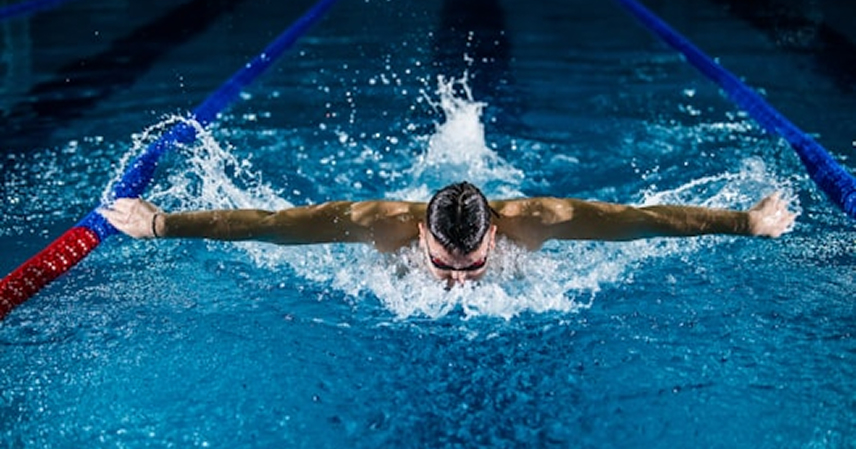
Athletic endeavors can be viewed through an artistic lens, where physical prowess harmonizes with aesthetic beauty. The elegance of a dancer’s leap on the stage parallels the intricate movements of a swimmer gliding through water, exemplifying how performance art can manifest in athletic pursuits. Each event narrates a unique story, rich with emotion and human experience, echoing the narratives traditionally found in literature and theater. This analogy extends to the broader artistic themes captured in the celebration of athletic mastery, where the beauty of sports comes alive through the resilience and passion exhibited by athletes. Thus, we can appreciate sport not just as competition but as a profound art form that enriches our cultural tapestry.
Exploring Athletic Expression as Art
Athletic performance is often overlooked when discussing the arts, yet it embodies creativity and expression in unique ways. Athletes, through their rigorous training and innate talent, showcase a combination of physicality and artistry that mirrors the work of traditional artists. The beauty of sports lies in the way athletes perform their skills, each movement telling a story of dedication and human capability.
Comparing athletic endeavors to traditional artistic forms allows us to appreciate the similarities in creativity and expression. Whether it is the elegant pathways of a gymnast or the rhythmic movements of a swimmer, each performance serves as a canvas, where athletes paint their experiences with grace and emotion. By viewing sports as a form of art, we can deepen our understanding of the dedication and hard work behind every athletic spectacle.
The Beauty of Sports: Aesthetic Appeal
Athletic performance embodies an aesthetic appeal similar to that found in traditional arts. The visual impact of sports captures audiences with the elegance of movement and the precision of execution. Every jump, flip, or goal scored not only represents athletic prowess but also creates a beauty that resonates with spectators. How athletes blend strength, skill, and artistry contributes to the allure of various sports.
By highlighting the aesthetic elements of sports, we broaden our appreciation of athletic performances. The beauty of a well-timed play or a choreographed routine can evoke emotions in the audience, making spectators not just followers of the sport, but partakers in a larger artistic experience. From synchronized swimming to figure skating, the elegance of these performances showcases the harmony found in combining sport and art.
Emotion in Sports: The Heart of Athletic Artistry
The emotional dimension of athletic performance is a crucial aspect that enhances the artistry of sports. Athletes express a spectrum of emotions through their movements, from the raw power of a sprint to the delicate grace of a ballet-like routine. These emotional undercurrents resonate deeply with spectators, creating a bond that also reflects the universal human experience. Each victory or defeat is as much an emotional expression as it is a physical one, further solidifying the role of emotion in sports as art.
When viewers witness the joy of a winning goal or the heartache of a near miss, they are experiencing a visual narrative that includes highs and lows, akin to powerful artworks. This emotional storytelling is a cornerstone of why sports can be viewed as an art form. By tapping into the emotions athletes convey, fans become engaged not solely by the result of the game but by the sheer artistry of the experience.
Sports Storytelling: Crafting Narratives through Athleticism
Every sporting event is a story waiting to unfold, filled with drama, triumph, and despair. Athletes become storytellers, each competition narrating a unique plot rich with conflict and resolution. These stories resonate with audiences, drawing them into a world where athletic effort translates into a compelling narrative that transcends numbers and statistics. The art of sports storytelling elevates the experience beyond mere competition to a shared journey.
From the fierce rivalry of team sports to the personal struggles of individual athletes, each athlete crafts their narrative through athletic performance. Major events like the Olympics highlight these stories, as athletes showcase their dedication and perseverance on an international stage. By viewing sports through a storytelling lens, we can appreciate the deeper connections that develop between athletes and fans, making each game a vivid chapter in the ongoing saga of human achievement.
The Choreography of Sports: Dance and Performance
Sport embodies intricate choreography, as athletes perform movements that mirror the elegance found in dance. Every step, turn, and twist is carefully executed, allowing us to witness the beauty and discipline that goes into athletic performance. This choreography not only enhances the visual aspect of the sport but also evokes emotions related to artistry, discipline, and athleticism. The connection between dancing and sports is undeniable; both require precision, grace, and a deep understanding of movement.
By treating athletic performances as choreographed events, we celebrate the artistry involved in sports. Athletes demonstrate their ability to fuse rigor and art, captivating audiences with displays reminiscent of dance recitals. The performances in sports such as gymnastics or figure skating often embody fluidity and rhythm, further solidifying the idea that sport is indeed a legitimate form of art.
Cultural Dimensions: Sport as Global Art
Athletic performances provide a glimpse into cultural expressions and artistic forms unique to different communities around the globe. From the traditional martial arts practices of Asia to the rhythmic dances involved in traditional sports worldwide, these diverse expressions showcase how athleticism can embody cultural artistry. Each culture contributes its own flair and technique, creating rich tapestries of shared human experience that can be appreciated across borders.
By understanding the cultural significance of sports, we can appreciate the artistry that lies within these displays of competition. Sports not only entertain but also bridge gaps between cultures, allowing individuals to connect through shared rituals and narratives. The beauty in these cultural expressions adds layers to the art of sports, encouraging people to embrace and celebrate the diversity found within athletic performance.
Elevating Aesthetic Appreciation in Sports
Promoting an aesthetic appreciation for sports involves encouraging individuals to see beyond the scoreboard. It encompasses recognizing the artistry in athletic performances, focusing on the emotion, choreography, and narrative that each event embodies. Organizations and educators can play a pivotal role in fostering a culture that appreciates the beauty of sports by highlighting these artistic elements, similar to how art institutions celebrate various forms of creativity.
By integrating artistic appreciation into the training and coaching of aspiring athletes, we can cultivate a new generation that recognizes the artistry of their own performances. Through supporting athletes in their journey to express themselves artistically, we not only enhance the value of sports but also inspire many to appreciate the blend of discipline and creativity that athletic performances exemplify.
The Intersection of Art and Athletic Performance
The relationship between art and athletic performance is intricate and multifaceted. Both realms demand a high level of skill, dedication, and passion, and together they create a unique fusion that captivates audiences. By exploring this intersection, we can appreciate how athletes use their bodies as instruments of expression, much like musicians or dancers convey emotions through notes or movements.
Ultimately, recognizing this intersection enriches our viewing experience of sports. When we applaud athletes not just for their scores but for their artistry, we contribute to a broader appreciation of sports as a vital cultural art form. This celebration of athletic performance as art encourages deeper connections among fans and fosters respect for the hard work that athletes dedicate to their craft.
Future Directions for Appreciating Sports as Art
As we move forward, it is crucial to continue advocating for a broader understanding of sports as an art form. This involves promoting the narratives, emotions, and aesthetic qualities inherent in athletic performance within educational and cultural frameworks. Encouraging discussions around the artistic aspects of sports can enhance our collective appreciation of not only athletic pursuits but also the human spirit.
Looking ahead, the recognition of sports as art can help elevate the role of athletes in society. By fostering an appreciation of the artistry found in sports, we can move towards a culture that honors physical expression and athletic creativity, ensuring that future generations view their performances as contributions to the ever-evolving tapestry of art.
Frequently Asked Questions
How is sport defined as art?
Sport is defined as art through the expression of human creativity and emotion showcased in athletic performance. Just like traditional art forms, sports evoke feelings and tell stories, demonstrating skill and grace through the athletes’ movements.
What are examples of the beauty of sports in athletic performance?
Examples of the beauty of sports in athletic performance include the graceful motions of dancers in figure skating, the fluid movements of gymnasts, and the power exhibited by high jumpers. These elements showcase artistry through physical expression and creativity.
How do sports evoke emotion in spectators?
Sports evoke emotion in spectators by creating thrilling experiences, such as the excitement of a last-minute goal or the tension of a close match. This emotional connection unites players and fans, amplifying the captivating nature of sport as an art form.
In what ways can sports be considered storytelling?
Sports can be considered storytelling through the narratives they create, illustrating the journey of athletes overcoming challenges or achieving greatness. Each competition encapsulates a tale of resilience, conflict, and triumph, akin to a narrative in visual art.
How does athletic performance showcase aesthetics in sports?
Athletic performance showcases aesthetics in sports through the beauty and precision of movements—whether it’s a perfectly executed routine or a stunning play. Spectators appreciate not only the outcome but also the aesthetic quality of the athletes’ execution.
Can you give examples of how sport bridges cultures through art?
Sport bridges cultures through artistic expressions found in various athletic practices, such as martial arts, gymnastics, and dance. Each culture brings unique techniques and philosophies, creating a rich tapestry of beauty that transcends geographical boundaries.
What role do athletes play in the art of sports?
Athletes play a crucial role in the art of sports as they embody creativity, discipline, and determination. Their performances express emotions and narratives, making them both artists and storytellers in the world of athletics.
How can we promote the appreciation of sports as art?
To promote the appreciation of sports as art, we should emphasize the aesthetics, emotions, and storytelling involved in athletic performances. Encouraging coaches and athletes to present their efforts as creative endeavors can elevate the perception of sports.
What impact does sports storytelling have on the audience?
Sports storytelling captivates the audience by presenting relatable journeys filled with conflict and resolution. These narratives draw fans in, creating emotional investments that enhance the experience and appreciation of sport as an art form.
Why should we view sports as a form of artistic expression?
We should view sports as a form of artistic expression because they combine elements of creativity, emotion, and storytelling, much like traditional art. Recognizing sports in this light honors the dedication of athletes and enriches our viewing experiences.
| Key Aspect | Description |
|---|---|
| Definition of Art | Art is the expression of human creativity and imagination, similar to how athletes express skill and grace. |
| Grace of Movement | Athletes demonstrate beautiful movements that parallel those seen in traditional art forms such as dance. |
| Role of Emotion | Sports evoke strong emotional responses from both participants and spectators, creating connections akin to the reactions to artwork. |
| Sports as Storytelling | Every sporting event narrates a unique story, similar to a narrative conveyed through a piece of art. |
| Aesthetic Appreciation | The visual impact and beauty of athletic performances generate appreciation in a way similar to traditional art. |
| Bridging Cultures | Sport transcends cultural boundaries, showcasing diverse artistic expressions from different traditions. |
Summary
Sport as art encapsulates the profound beauty found in athletic performance. From the grace of movement to the emotional connections evoked during events, sports embody artistic expression in myriad forms. Athletes transform their physical prowess into an aesthetic experience that resonates deeply with audiences, similar to the emotional impact of a painting or a symphony. By recognizing the artistry inherent in sports, we can foster a greater appreciation for the dedication, creativity, and storytelling involved in athletic performances. This understanding enhances our viewing experience, inviting us to celebrate not only the competition but also the artistry that captivates our hearts and minds.