
Listen to this article
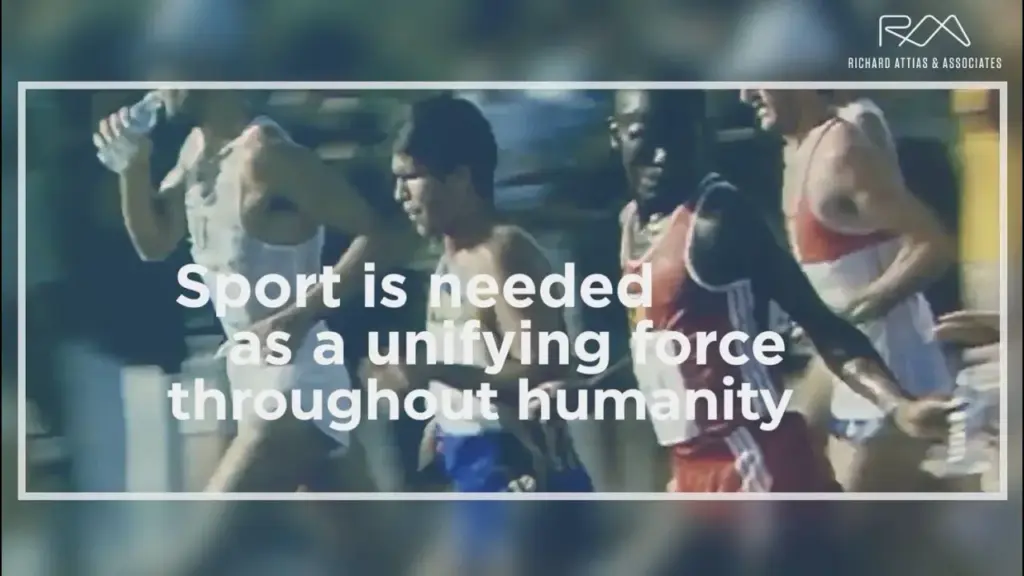
Sport as a Unifying Force resonates deeply in our modern society, acting as a bridge across cultural divides and bringing diverse communities closer together. Major sporting events, like the Olympics and the FIFA World Cup, exemplify global unity through sports, captivating millions around the world with their celebration of athleticism and teamwork. These platforms not only highlight the beauty of competition but also foster cultural exchange, promoting diversity in sports and enriching the shared human experience. The sheer excitement and camaraderie generated during these events encourage mutual respect and understanding among fans from various backgrounds. Ultimately, sport transcends boundaries, weaving a narrative of global unity that reflects our collective aspirations for connection and harmony.
The idea of sport as a cohesive element in society is increasingly significant, particularly in an era where cultural differences often lead to division. Competitive athletic events serve as vital channels for fostering relationships and enhancing mutual appreciation among various cultures, showcasing the power of sports to unite people. By emphasizing teamwork and collaboration, these sporting gatherings create an atmosphere of shared enthusiasm and cultural richness. From the communal joy of cheering for a favorite team to the profound impact of cultural displays during international tournaments, these activities celebrate human diversity while emphasizing our common goals. Thus, sport emerges not just as a pastime, but as a crucial facilitator of dialogue and understanding among nations.
The Power of Sport in Promoting Global Unity
Sport has long been regarded as a powerful vehicle for promoting global unity and cooperation among nations. Through foundational events like the Olympics and the FIFA World Cup, nations come together to celebrate athletic excellence and the spirit of camaraderie. These events transcend cultural and political divides, illustrating that no matter where one comes from, the love for sports can create a universal connection. Fans from diverse backgrounds gather, not only to cheer for their teams but also to appreciate the cultures and identities represented, fostering a sense of global citizenship.
The phenomenon of global unity through sports extends beyond the playing field. It serves as a platform where people can bond over shared experiences, stories, and dreams. The energy of the crowd, the collective gasps and cheers, and the shared moments of joy or disappointment weave a fabric of understanding that is often hard to achieve through traditional diplomatic means. As a result, sport acts as a bridge connecting diverse populations, proving that humanity can come together to celebrate achievements, regardless of their differences.
Frequently Asked Questions
How does sport act as a unifying force during major sporting events?
Sport acts as a unifying force during major events by bringing together athletes and fans from various backgrounds, fostering a shared sense of community and cultural exchange. Events like the Olympics and FIFA World Cup highlight global unity through sports, allowing diverse cultures to connect and celebrate their differences.
What role do major sporting events like the Olympics play in global unity through sports?
Major sporting events like the Olympics promote global unity through sports by creating a platform for nations to showcase their cultures, fostering mutual respect and understanding. The Olympic Truce, for example, encourages peace among conflicting nations during the Games, emphasizing sport’s role in bridging cultural gaps.
In what ways do the FIFA World Cup and Olympics illustrate cultural exchange?
Both the FIFA World Cup and the Olympics illustrate cultural exchange through ceremonies and rituals that celebrate the host nation’s traditions, allowing visiting fans to experience local culture. This interaction enriches the global narrative around these events, highlighting diversity in sports and promoting unity.
How do sports and culture intersect to enhance global unity?
Sports and culture intersect to enhance global unity by showcasing unique cultural identities during international events, such as through traditional performances at the Olympics or cultural displays at the FIFA World Cup. This blending of sports and culture fosters appreciation for diversity and brings people together.
What impact does hosting major sporting events have on local cultures?
Hosting major sporting events positively impacts local cultures by attracting tourists who share their traditions and experiences, fostering cultural exchange. This dynamic enhances the host nation’s cultural fabric while also allowing residents to showcase their heritage, creating a more inclusive environment.
How have college sports contributed to diversity in sports and cultural unity?
College sports contribute to diversity in sports and cultural unity by bringing together students from various backgrounds, particularly during events like March Madness. These competitions create a sense of school spirit and camaraderie, helping to forge lasting relationships across different cultures among athletes and fans alike.
What challenges exist for sport as a unifying force amidst global events?
Challenges for sport as a unifying force include nationalism, commercialization, and discrimination. These factors can create divisions among fans and obstruct the connections that sports are intended to foster. Addressing these issues is crucial to ensure that sports continue to promote inclusivity and cultural exchange.
How does technology enhance the role of sports in cultural exchange?
Technology enhances the role of sports in cultural exchange by enabling real-time interaction through social media, allowing fans to share experiences globally. Live broadcasts of events, supported by hashtags like #Olympics and #WorldCup, bring together diverse audiences and create a shared enthusiasm for the games.
Why is it essential to prioritize inclusivity in sports for future events?
Prioritizing inclusivity in sports for future events is essential to harness the full potential of sport as a unifying force. Emphasizing respect and understanding among diverse athletes and fans fosters a more equitable environment, allowing for richer cultural exchange and deeper connections within the global community.
What can be done to strengthen the unifying power of sports?
To strengthen the unifying power of sports, stakeholders should implement initiatives that promote inclusivity, dialogue, and respect. By celebrating diversity and addressing barriers to participation and accessibility, sports can continue to serve as a remarkable catalyst for cultural exchange and global unity.
| Key Point | Description |
|---|---|
| Sport as a Unifying Force | Sport transcends borders and cultures, connecting people through shared experiences. |
| Global Stage of Major Events | Events like the Olympics and FIFA World Cup showcase national pride and bring together diverse spectators. |
| Bridging Cultural Gaps | Sports diminish language barriers, featuring cultural displays that promote understanding. |
| Economic Impact | Hosting major events boosts local economies and enhances cultural exchange. |
| Examples of Unification | The Olympics and FIFA World Cup serve as key examples of how sports unite cultures globally. |
| Media and Technology’s Role | Technology connects fans worldwide, allowing them to share experiences through social media. |
| Challenges to Unification | Nationalism and commercialization can create divides that hinder the unifying power of sports. |
| Future of Sports | Promoting inclusivity and dialogue is essential for sports to enhance unity among cultures. |
Summary
Sport as a unifying force plays a crucial role in our global society. Major sporting events have a unique ability to bring people together, fostering a sense of belonging amidst diversity. While celebrating national pride and identity, sports also offer a platform for cultural exchange, bridging gaps between different communities. The positive economic impacts from hosting such events further enhance this cultural connectivity, allowing for shared experiences that transcend borders. Despite challenges like nationalism and commercialization, focusing on inclusivity and respect can amplify the unifying power of sports. As we look towards future events, embracing this potential can help cultivate understanding and acceptance among diverse populations, making sport a true catalyst for unity.

