
Listen to this article
Sport as a Tool for Social Change has emerged as a critical focus in contemporary discussions about community development and enrichment. Across the globe, sports serve not only as a means of entertainment but also as a powerful catalyst for social transformation and empowerment, particularly among youth. In various contexts, the social impact of sports can be seen in initiatives that foster gender equality in sports, promote peacebuilding, and engage communities in meaningful ways. Through the lens of sports and community development, we observe inspiring stories that showcase how sporting activities can address social issues such as inequality and violence while empowering young people to believe in a better future. By highlighting these initiatives, we underline the potential of sports as a transformative tool that creates lasting change.
In recent years, the role of athletics in fostering social change has gained significant attention, revealing sports as a multifaceted vehicle of empowerment and community cohesion. Often viewed through the prism of social justice and inclusion, activities in the realm of sports not only encourage teamwork but also provide essential life skills that can transform lives. This dialogue around the influence of recreational pursuits on community growth emphasizes sports for youth empowerment, bringing forth opportunities that challenge prevailing social norms. Moreover, the integration of varied sports disciplines has been instrumental in promoting gender equality in sports and advocating for peaceful coexistence among diverse populations. As we delve into the narratives of those directly impacted by these initiatives, we gain a deeper understanding of how structured play can foster resilience and unity.
Transforming Lives: The Social Impact of Sports
Sports have the unique ability to transcend cultural and geographical boundaries, serving as an essential tool for social impact. By fostering community relationships and encouraging personal development, sports can catalyze significant changes in societal attitudes and behaviors. As people engage in sports activities, they build camaraderie that can lead to reduced prejudices and enhanced collaboration. Notably, the benefits are visible in various sectors, helping to alleviate issues like poverty, violence, and inequality in numerous communities around the world.
Furthermore, the social impact of sports extends to individual empowerment, particularly among youth. Engaging in sports not only provides physical benefits but also imbues young people with vital life skills such as teamwork, leadership, and resilience. Whether through organized leagues or community events, these experiences foster a sense of belonging and purpose, leading to improved self-esteem and confidence. As youth become empowered, they often take on roles as community leaders, driving further change.
Sports and Community Development: A Path to Progress
The relationship between sports and community development is increasingly recognized as a powerful avenue for driving social progress. Initiatives that integrate sports into community development efforts leverage the inherent skills and values associated with sporting activities to build stronger, more interconnected communities. Sports provide a platform for engagement, allowing community members to come together, address social challenges, and collaboratively work towards common goals.
Moreover, community-driven sports initiatives often address pressing social issues such as education and health. Programs that combine sports training with educational workshops equip participants with essential knowledge and skills that contribute to their professional and personal development. For instance, youth empowerment through sports initiatives not only promotes physical activity but also teaches valuable life lessons, thereby enhancing the overall quality of life in the community.
Empowering Youth Through Sports Initiatives
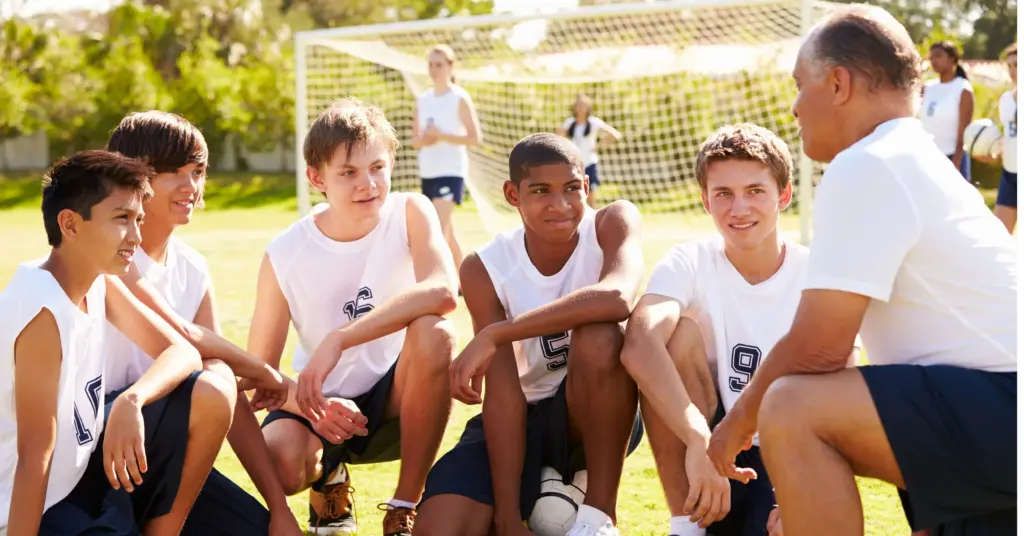
Youth empowerment is at the forefront of many sports initiatives around the globe, with organizations using sports as a means to inspire and mobilize young people. By participating in sports, youths learn critical lessons about teamwork, perseverance, and leadership, which greatly enhance their life skills. Additionally, programs designed specifically for at-risk youth often include mentorship components, enabling positive role models to lead by example and guide young athletes toward constructive life choices.
These sports initiatives can lead to transformative effects in the lives of youth. They provide a safe space where young people can express themselves, discover their strengths, and make meaningful connections with peers and mentors alike. As youths gain confidence and mastery in their chosen sports, they become more likely to pursue educational and career opportunities, breaking the cycles of poverty and disadvantage that may have previously constrained them.
Promoting Gender Equality in Sports
Despite significant progress, gender inequality in sports remains a pervasive issue worldwide. Women and girls often face systemic barriers that limit their access to sports and recognition as athletes. However, various initiatives aimed at promoting gender equality in sports are increasingly challenging these norms, empowering women to engage fully in physical activities and sports leadership roles.
Programs like the Women’s Sport Foundation work tirelessly to advocate for increased participation of women in sports and to highlight the accomplishments of female athletes. As more women step into the spotlight, it inspires future generations to aspire for equality, not just in sports, but across all facets of life. The widespread visibility of successful female athletes can help change perceptions and encourage broader social change concerning gender roles and equality.
Building Peace Through Sports and Recreation
Sports have always played a significant role in peacebuilding efforts across conflict-affected regions. By fostering collaboration and teamwork, sports can bridge divides among individuals from contrasting backgrounds, promoting a culture of understanding and peace. Initiatives like ‘Sports for Peace’ are critical in bringing together people from different ethnicities, cultures, and beliefs, to participate in friendly matches that emphasize unity over division.
The therapeutic nature of sports can also provide healing in post-conflict communities by encouraging dialogue and shared experiences. When participants engage in team sports, they learn to trust, communicate, and work together, laying the groundwork for long-term friendship and reconciliation. This transformative process illustrates how sports serve as a foundational element for building peace, offering a safe space for cooperation and communal healing.
The Role of Sports in Addressing Health Issues
The intersection of sports and health is a vital area where sports initiatives can have a significant impact. Regular participation in sports not only improves physical fitness but also promotes mental well-being, making it an effective tool for combating prevalent health issues like obesity, depression, and anxiety among individuals and communities. National campaigns that encourage participation in physical activities aim to cultivate healthy habits, benefitting public health at large.
Moreover, these programs often educate participants on nutrition, stress management, and life skills in conjunction with physical training. By addressing health from multiple angles, sports initiatives can create a holistic approach that benefits individuals’ physical and emotional wellness. This multifaceted approach is particularly crucial for youth, as developing healthy habits early on can lead to lifelong benefits and contribute to the overall well-being of communities.
Sports as a Means of Cultural Exchange
Sports serve as a universal language, enabling individuals across various cultural backgrounds to connect and communicate, transcending linguistic and geographical barriers. As people from different cultures come together in sporting events, they share their customs, values, and traditions, creating an environment rich in cultural exchange. This exchange fosters mutual understanding and respect, forming the basis for peaceful coexistence.
The global nature of sports, evident in international tournaments and competitions, further amplifies this cultural exchange. Athletes representing their countries showcase not only their skills but also their unique cultural identities. This visibility allows spectators to appreciate diversity in a readily accessible format, solidifying sports as a unifying force in an increasingly divided world.
Sports and Education: Bridging Gaps
The relationship between sports and education is a powerful model for bridging gaps in access to learning opportunities. Educational institutions that prioritize sports programs often report improvements in student engagement, academic performance, and overall school morale. By fostering a culture that values both academic and athletic achievements, schools can create a more holistic educational environment where students thrive.
Furthermore, programs that intertwine sports with education often target disenfranchised youth, providing them with enrichment opportunities that they might not otherwise have. These programs emphasize the importance of teamwork, discipline, and time management, attributes that benefit students academically and athletically. As students succeed in their sports pursuits, they are likely to carry that enthusiasm and commitment into their academic endeavors, reinforcing the critical connection between sports and education.
The Future of Sports as a Tool for Social Transformation
As we look to the future, the potential of sports as a tool for social transformation appears promising. With the continued growth of awareness regarding social issues and the role sports can play in addressing them, there is a growing investment in programs that leverage sports for community development. Partnerships between governments, NGOs, and private sector organizations will likely create more robust frameworks for these initiatives.
The future also holds significant potential in terms of leveraging technology and digital platforms to enhance sports programs. By utilizing social media and online resources, organizations can reach broader audiences and engage more participants. Online training, mentorship, and awareness campaigns can help create a cascading effect of impact, meeting the objectives of social change through sports on a much larger and more inclusive scale.
Frequently Asked Questions
How does sport serve as a tool for social change?
Sport acts as a powerful catalyst for social change by promoting inclusivity, community development, and social justice. It offers a platform where individuals from diverse backgrounds can unite, fostering dialogue and understanding. Through organized sports programs, communities can address issues like inequality, violence, and health awareness.
What is the social impact of sports in promoting youth empowerment?
The social impact of sports is profoundly felt in youth empowerment initiatives. Sports programs provide young people with vital skills such as teamwork, leadership, and discipline, helping them overcome challenges in their environments. By engaging in sports, youth build confidence and develop a sense of belonging, vital for their personal and community growth.
How do sports contribute to gender equality in developing countries?
Sports play a crucial role in advancing gender equality in developing countries by challenging traditional gender norms. Initiatives like women’s football empower female athletes and promote awareness of women’s rights. By participating in sports, women gain visibility, fight stereotypes, and inspire future generations to pursue equality in sports and beyond.
In what ways can sports and peacebuilding intersect?
Sports and peacebuilding intersect through community programs that promote reconciliation and understanding among conflicting groups. Initiatives like ‘Sports for Peace’ unite individuals from different ethnicities or backgrounds, facilitating dialogue through team sports. This engagement helps to heal divisions and fosters a sense of solidarity among participants.
What role does community development play in sports initiatives?
Community development is integral to sports initiatives as it addresses local needs through engagement. Sports programs can lead to improved infrastructure, greater social cohesion, and enhanced local economies. When communities invest in sports, they bolster educational and health outcomes, fostering an environment for sustainable development.
How do sports promote social justice and inclusivity?
Sports promote social justice and inclusivity by challenging discrimination and advocating for equal opportunities. Programs designed to foster participation from marginalized groups—such as disabled or economically disadvantaged individuals—highlight the importance of equal treatment and opportunities, paving the way for broader societal changes.
What is the significance of cricket as a tool for social change in India?
In India, cricket acts as a vital tool for social change by engaging youth in issues like education and health awareness. Through initiatives like ‘Cricket for Change,’ underprivileged children learn teamwork and life skills, while girls are encouraged to participate, promoting gender equality within the sport and society.
How are sports used to combat violence and crime in communities?
Sports are used to combat violence and crime by providing at-risk youth a constructive outlet. Programs that include boxing or football, for example, teach discipline and team values, steering participants away from negative influences and empowering them to make positive life choices.
What impact does skateboarding have on youth in Brazil’s marginalized communities?
Skateboarding in Brazil positively impacts youth in marginalized communities by offering empowerment through creativity and education. Organizations like Skateistan integrate skate culture with learning, helping children develop skills that enhance self-esteem and resilience, allowing them to envision brighter futures.
Can sports effectively heal communities post-conflict?
Yes, sports can effectively heal communities post-conflict by fostering unity and rebuilding trust. In regions like Rwanda, sports initiatives create shared experiences among individuals from different backgrounds, promoting reconciliation and collaborative efforts to rebuild communities and address the trauma of past conflicts.
| Key Point | Explanation |
|---|---|
| Power of Soccer in South Africa | Soccer fosters unity and bridges divides post-apartheid; initiatives address HIV/AIDS, gender equality, and empower youth. |
| Boxing in Colombia | Boxing clubs provide mentorship and discipline for at-risk kids, reducing violence and promoting positive community relations. |
| Cricket for Change in India | Uses cricket’s popularity to promote education, health, and gender equality, empowering underprivileged youth, especially girls. |
| Women’s Football in the Middle East | Initiatives challenge gender norms and promote equality, empowering women athletes to pursue sports despite societal challenges. |
| Community Sports in Rwanda | Programs foster dialogue between different ethnic groups through team sports, aiding reconciliation and community healing. |
| Skateboarding in Brazil | Skateboarding initiatives empower marginalized youth with education and life skills, encouraging self-expression and resilience. |
Summary
Sport as a Tool for Social Change highlights the vital role sports play in transforming societies. Across the globe, initiatives like soccer in South Africa, boxing in Colombia, and cricket in India demonstrate how sports can bridge divides and empower individuals. These stories exemplify the potential of sports to address critical social issues, unify communities, and promote resilience. By understanding the intrinsic power of sports, we can advocate for and support programs that foster social justice and inclusivity, paving the way for future generations to thrive.

