
Listen to this article
In recent years, the symbiotic relationship between sport and technology has become increasingly evident, transforming how athletes engage with their disciplines. With innovations in wearable technology and advanced data analytics, athletes can now monitor and enhance their athletic performance like never before. This convergence not only aids in injury prevention but also empowers coaches to utilize insights derived from real-time data for strategic decisions. Furthermore, virtual reality training offers immersive environments that refine skills and tactics, setting a new standard for preparation. As we delve into the implications of technology in sports, it becomes clear that this integration is revolutionizing the landscape for both participants and fans alike.
The intersection of athletics and modern technological advancements is reshaping how sports are practiced, analyzed, and experienced. Terms like fitness monitoring, performance enhancement, and digital training methods are just a few ways to describe this evolving landscape. Innovations such as smart devices and analytic software are becoming indispensable tools for athletes aiming to improve their gameplay while ensuring safety through effective injury prevention techniques. Additionally, with emerging trends in immersive training environments and enhanced viewing experiences, the future of sports looks set to further engage audiences and elevate athletic potential. By embracing these technological advancements, the sporting world is ushering in an era where data-informed decisions foster excellence in performance.
The Impact of Wearable Technology on Athletic Performance
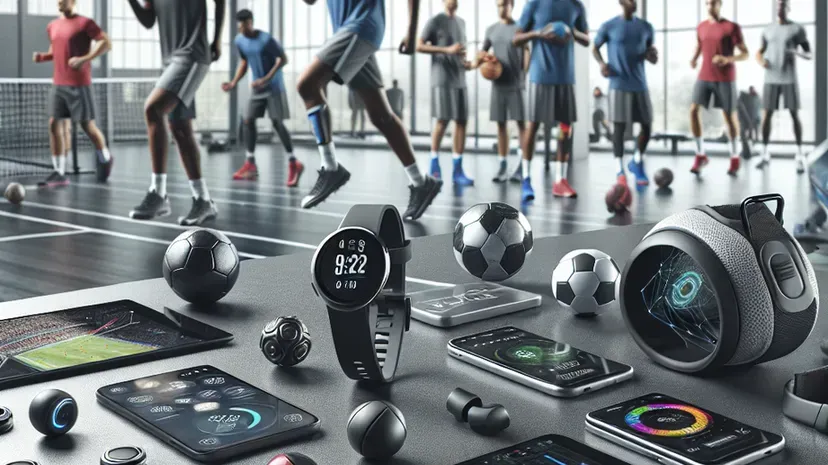
In recent years, wearable technology has revolutionized how athletes train and perform. Devices such as fitness trackers, smartwatches, and heart rate monitors allow users to gather and analyze vast amounts of data about their physical activity and health metrics. With this real-time feedback, athletes can discern patterns in their performance, helping to identify strengths and weaknesses. For instance, a marathon runner utilizing a heart rate monitor can ensure they stay within optimal exertion levels during training, promoting better endurance while minimizing the risk of overtraining.
Furthermore, coaches are increasingly incorporating wearable technology into their training regimens, leading to more data-driven approaches to athletics. By leveraging analytics from devices, trainers can customize workout plans according to the individual needs of athletes, focusing on specific goals such as strength, speed, or recovery. Ultimately, this meticulous attention to performance metrics not only enhances athletic capability but also plays a pivotal role in injury prevention, ensuring athletes can consistently achieve their peak potential.
Frequently Asked Questions
How does wearable technology improve athletic performance?
Wearable technology enhances athletic performance by providing real-time data on metrics such as heart rate, speed, and distance. Athletes can use this data to tailor training plans, optimize recovery times, and monitor their physical condition, ultimately leading to improved performance.
What role does data analytics play in sports strategy?
Data analytics plays a crucial role in sports strategy by allowing coaches to analyze player performance and opponent behaviors. This data-driven approach enables coaches to make informed decisions about tactics, player management, and game strategy, ensuring a competitive edge.
How can injury prevention technologies help athletes?
Injury prevention technologies, like smart braces that monitor joint angles, help athletes maintain proper movement patterns and reduce injury risks. Additionally, software analyzing injury patterns can guide trainers in creating preventive measures, ensuring athletes stay healthy and perform at their best.
What is the impact of virtual reality training on athletes?
Virtual reality training provides athletes with immersive environments to practice decision-making and muscle memory without physical strain. This technology allows athletes, such as quarterbacks or basketball players, to refine their skills in a controlled, risk-free setting, enhancing their game readiness.
How is sports broadcasting evolving with technology?
Sports broadcasting is evolving through advancements like augmented reality (AR) and artificial intelligence (AI). These technologies allow for real-time statistics overlay, personalized viewing experiences, and enhanced graphics, significantly enriching how fans engage with live sports events.
What benefits do video analysis tools provide for athletes?
Video analysis tools enable athletes and coaches to dissect movement techniques frame by frame, helping identify inefficiencies and areas for improvement. This technology is essential for refining athletic techniques, leading to better performance outcomes in various sports.
How can data from wearable technology enhance training regimens?
Data from wearable technology allows for personalized training regimens by tracking performance metrics and assessing recovery needs. Athletes can adjust their training intensity based on insights gained from real-time data, ensuring maximum effectiveness and safety.
What challenges does the integration of technology present in sports?
The integration of technology in sports raises challenges such as data privacy concerns, disparities in access to advanced tools, and the potential for over-reliance on data. Addressing these challenges is essential for ensuring fair competition and protecting athlete information.
How does technology support recovery in athletes?
Technology supports recovery in athletes through advanced recovery methods like cryotherapy and hydrotherapy. These modalities expedite healing and reduce soreness, while smart technology can monitor recovery metrics to guide athletes on when to resume training safely.
What is the future of sports technology and athlete performance?
The future of sports technology promises to further enhance athlete performance through continuous innovations like improved data analytics, advanced wearable devices, and immersive training solutions. As technology evolves, athletes can expect more effective training, injury prevention, and performance optimization strategies.
| Aspect | Description |
|---|---|
| Introduction to Sport and Technology | Exploration of how technology is transforming athletic performance, training, and recovery processes. |
| Wearable Technology | Devices like smartwatches allow real-time tracking of performance metrics like heart rate and distance. |
| Video Analysis | Coaches use video playback for technique refinement and performance evaluation, enhanced by machine learning. |
| Virtual Reality | VR offers immersive training experiences simulating real-game scenarios to improve skills without physical strain. |
| Data Analytics | Big data helps in making informed decisions related to game tactics and player management for improved strategy. |
| Injury Prevention Technologies | Advancements in biomechanics and recovery equipment aid in injury prevention and enhance rehabilitation. |
| Future of Sports Broadcasting | Technologies like AR and AI improve fan engagement and personalize viewing experiences. |
| Challenges and Considerations | Issues of data privacy, accessibility to tech, and compliance with regulations must be addressed as technology grows. |
Summary
Sport and Technology have increasingly intertwined, reshaping how athletes train and compete. The integration of wearable devices, data analytics, and immersive training technologies speaks volumes about the future of athletic performance. Athletes now benefit from real-time performance tracking, personalized training regimens, and enhanced recovery methods. However, challenges such as data privacy and technology accessibility must be navigated to ensure that all athletes can thrive in this evolving landscape. The continual advancement in sports technology promises a brighter, more efficient future where performance and fan engagement is enhanced significantly.

