Listen to this article
Sport and technology are revolutionizing the way athletes train, compete, and connect with fans. With the infusion of innovations in sports, such as wearable tech in athletics and smart sports equipment, the landscape has transformed into a data-driven playground. These cutting-edge advancements not only enhance training regimens through precise data analytics but also foster a deeper level of fan engagement technology. Imagine athletes donning devices that track every move, while coaches analyze performance patterns to tailor training strategies. In this blog post, we will delve into the incredible ways that technology is changing the game, creating a more immersive and effective sports experience for all.
The intersection of athletics and modern technology has reshaped the sporting world, bringing forth advancements that elevate both performance and engagement. Innovations in athletic technology—ranging from smart wearables and performance monitoring tools to virtual reality training systems—have led to unprecedented coaching strategies and fan interactions. The evolution of sporting practices through such state-of-the-art solutions illustrates a dynamic shift in how games are played and enjoyed. This exploration of technological influences reveals how contemporary tools are enhancing athletes’ capabilities while simultaneously enriching the viewer experience. Join us as we unpack the significant developments in this exciting paradigm where sports and technology seamlessly converge.
The Transformative Impact of Innovation in Sports
Innovation in sports is redefining the boundaries of athletic performance and competition. As technology advances, athletes are increasingly leveraging new tools and techniques that enhance their training regimens and competitive edge. For instance, the integration of performance metrics and biomechanical analysis enables athletes to customize their training based on concrete data, rather than relying solely on intuition or traditional coaching methods. This shift not only improves individual performance but also elevates the standards across sports disciplines as competitive advantages become more data-driven.
Moreover, innovation isn’t just limited to athletes; it extends to coaches and sports organizations who are now utilizing sophisticated analytics to devise strategies and improve team dynamics. This has led to a more comprehensive understanding of how various factors influence game outcomes, making analysis an integral part of coaching. As a result, the sports industry’s future hinges on continually embracing and adapting to technological advancements.
Frequently Asked Questions
How is wearable tech in athletics changing training methods?
Wearable tech in athletics, such as smartwatches and fitness trackers, enables athletes to monitor real-time health metrics and performance data. By analyzing heart rates, calorie burn, and movement precision, athletes can tailor their training regimens effectively, leading to improved performance and faster recovery.
What role does data analytics in sports play in team strategy?
Data analytics in sports is pivotal as it empowers teams to analyze player performances and opponent strategies. By leveraging big data, coaches can make informed decisions, scout talent accurately, and develop strategic game plans that enhance their chances of winning.
Why is virtual reality training becoming popular among athletes?
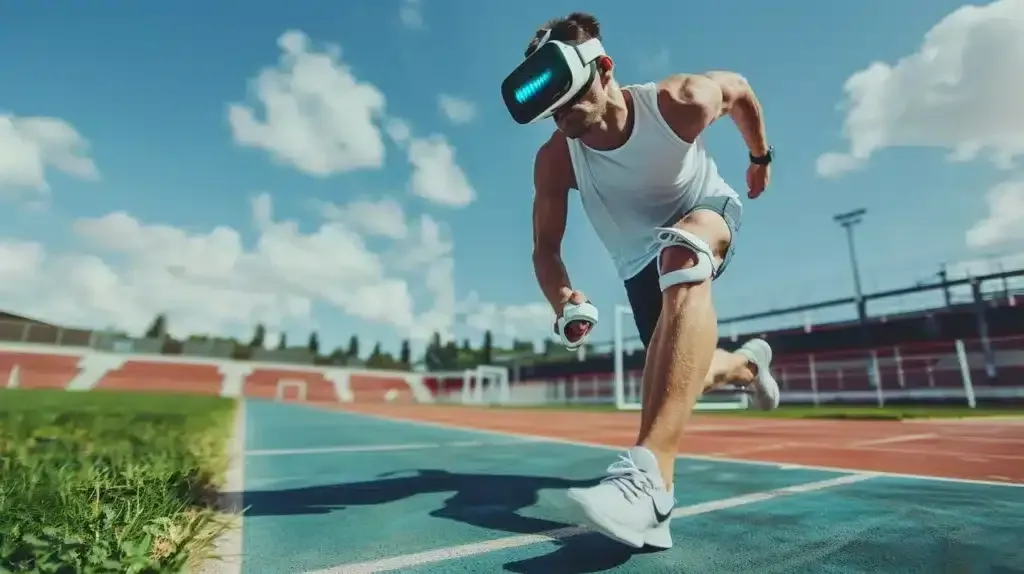
Virtual reality training is gaining popularity because it allows athletes to engage in high-intensity practice scenarios without physical risk. By simulating real-game situations, VR helps players enhance their skills, reaction times, and decision-making under pressure.
What are examples of smart sports equipment benefiting performance?
Smart sports equipment includes basketballs with embedded sensors tracking shot accuracy and tennis rackets analyzing swing speed. This technology helps athletes understand their performance better, refine techniques, and reduce injury risks while maximizing their potential.
How does fan engagement technology improve the spectator experience?
Fan engagement technology, including mobile apps and live streaming, transforms how audiences experience sports. By providing real-time updates, immersive viewing options, and tailored content, it fosters a deeper connection between fans and their favorite teams.
What advancements are made with augmented reality in athlete training?
Augmented reality enhances athlete training by overlaying performance data in real-time during practice. Through AR glasses, players receive immediate feedback on their metrics, which helps them refine skills and make adjustments more effectively.
How are AI and machine learning shaping the future of data analytics in sports?
AI and machine learning are revolutionizing data analytics in sports by automating data interpretation. This leads to more sophisticated strategies as real-time insights can be integrated into training and game plans, enhancing team performance.
What benefits do teams gain from using GPS technology in training?
Teams leverage GPS technology in training sessions to monitor players’ movements, tracking metrics like sprint speed and distance covered. Such data informs tailored training programs that improve individual strengths while addressing weaknesses.
What impact do mobile apps have on fan engagement in sports?
Mobile apps significantly enhance fan engagement by providing timely updates, personalized content, and interactive features. This ensures fans remain connected and engaged with their teams, increasing loyalty and attendance.
What is the significance of smart coaching systems in athlete development?
Smart coaching systems hold significance in athlete development as they can adapt training plans in real-time based on performance data. This personalized approach ensures athletes receive the most effective training, fostering better outcomes and performance improvements.
| Key Points | Details |
|---|---|
| Fusion of Sport and Technology | Transforming training techniques, enhancing performance, and revolutionizing sports experiences. |
| Wearable Technology | Devices like smartwatches and fitness trackers allow athletes to monitor performance and health metrics. |
| Data Analytics in Sports | Using big data to analyze player performance and develop game strategies, as seen with the Oakland Athletics. |
| Virtual and Augmented Reality Training | VR simulates game scenarios, while AR displays performance metrics during training sessions. |
| Enhanced Fan Experience | Technologies like mobile apps and RFID improve how fans engage with sports events. |
| Smart Equipment | Sensors in sports gear provide insights to optimize athletes’ performance and prevent injuries. |
| Future Developments | AI and machine learning will further innovate training and game strategies, integrating traditional and eSports. |
Summary
Sport and Technology have become inseparable, creating a revolution in how athletes train and how games are experienced. As we have seen, innovations such as wearable technology, data analytics, and virtual reality are not only enhancing athlete performance but also transforming the fan experience. The future promises even more integration of technologies within sports, allowing for smarter coaching tools and more engaging interactions for fans. To stay competitive, athletes and teams must embrace these advancements, as they hold the key to succeeding in this rapidly evolving landscape.