Listen to this article
In recent years, the emphasis on the connection between sport and mental health has gained considerable traction, as more people recognize its significant impact on well-being. Engaging in sports offers unparalleled benefits for mental health, including reduced symptoms of anxiety and depression, enhanced self-esteem, and improved social connections. The importance of promoting mental health awareness in athletic communities cannot be overstated, as it encourages athletes to openly discuss their struggles and seek help. Furthermore, understanding the impact of exercise on mental health helps to foster a supportive environment that prioritizes both physical and emotional well-being. By exploring the intersection of physical activity and athlete mental health, we can unlock the numerous advantages that sports provide in maintaining a healthy mind.
Exploring the relationship between physical activity and psychological well-being reveals an essential aspect of health that extends beyond mere physical fitness. The role of sports in enhancing emotional stability, combating feelings of isolation, and fostering resilience among athletes showcases the significance of understanding mental wellness within this context. As we delve into the myriad advantages that involvement in sports offers for emotional health, it becomes clear that integrating mental health resources into athletic programs is crucial. This holistic approach not only cultivates stronger athletes but also nurtures thriving communities equipped to support one another. Ultimately, prioritizing mental health within the sporting sphere is key to unlocking enduring success and fulfillment in life.
The Crucial Link Between Sport and Mental Health
The relationship between sport and mental health is increasingly recognized as crucial in fostering overall well-being. Physical activity not only combats physical health issues but also plays a pivotal role in enhancing mental clarity and emotional stability. Engaging in various sports can lead to the release of endorphins and other feel-good hormones, which alleviate feelings of stress and anxiety. This natural boost contributes to a more positive outlook on life.
Sports also provide an invaluable platform for individuals to cultivate resilience. The discipline learned through regular participation in sports helps individuals manage stress and develop coping strategies that are beneficial in other areas of life. Moreover, the teamwork and camaraderie found in sports environments promote social interaction which serves as a buffer against loneliness and isolation, significantly impacting mental health.
Exploring the Benefits of Sports for Mental Health
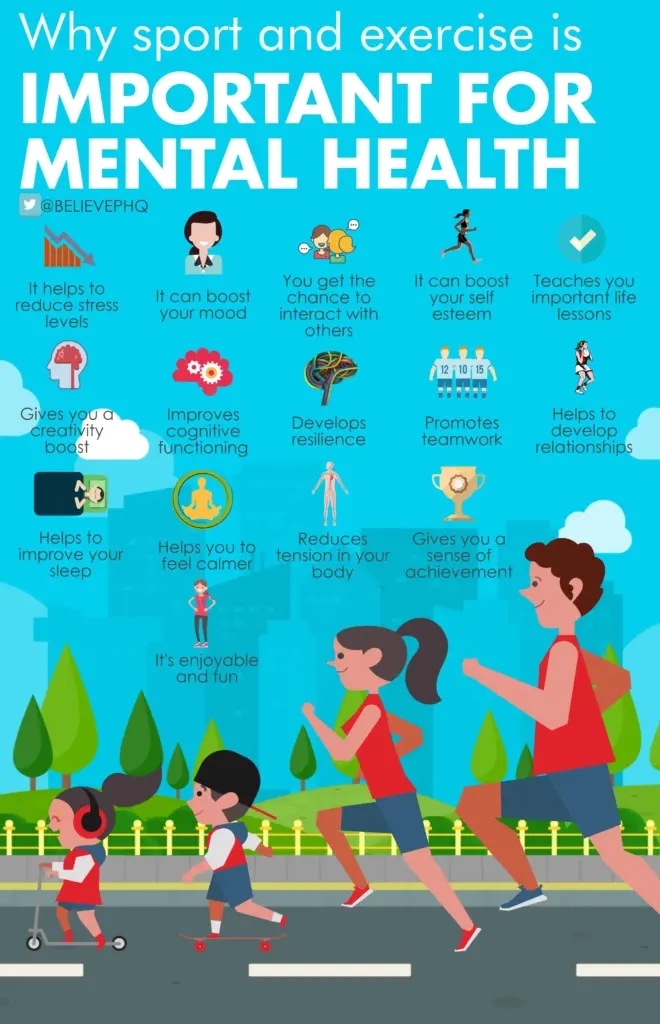
Participating in sports offers numerous benefits that directly impact mental well-being. Engaging in regular physical activity has been shown to reduce symptoms of anxiety and depression. When individuals indulge in sports, their bodies release endorphins—biochemical compounds that contribute to the feeling of happiness. This effect of exercise on mental health underscores the importance of incorporating physical activity into daily routines.
Additionally, the structure and discipline involved in sports encourage goal-setting and personal growth, vital components for enhancing self-esteem. By achieving personal fitness milestones or excelling in competitions, individuals can significantly boost their confidence levels. Furthermore, the social aspect of sports fosters a sense of belonging, providing an essential support network for those facing mental health challenges.
Understanding Mental Health Awareness in Athletics
Mental health awareness is crucial in the realm of athletics, where the pressure to perform can lead to significant stress and anxiety among athletes. Education and discussion around mental health can demystify the subject, encouraging athletes to prioritize their mental well-being alongside their physical training. Athletes who are educated about mental health are more likely to recognize early signs of distress and seek help when needed.
Moreover, raising awareness about mental health in sports can help combat stigma. Athletes who openly discuss their experiences can break down barriers and encourage others to speak about their struggles. This open dialogue contributes to a healthier sports culture where mental health is valued and prioritized, resulting in better performance and overall satisfaction for athletes.
Addressing the Stigma Around Mental Health in Sports
Despite the known benefits, a significant stigma surrounds mental health in athletics, often preventing athletes from seeking help. The fear of appearing weak or unfit can dissuade individuals from addressing their mental well-being openly. Consequently, many suffer in silence, allowing mental health issues to escalate, which can ultimately impact their performance and personal lives.
To counter this stigma, sports organizations and coaches must foster an environment of support and understanding. By integrating mental health education into training programs and prioritizing mental well-being, the culture can shift towards one that encourages athletes to speak up about their challenges. Breaking the silence around mental health can lead to healthier athletic careers and encourage more athletes to seek the help they need.
The Role of Coaches in Promoting Athlete Mental Health
Coaches play a pivotal role in influencing athletes’ mental health by creating a positive and supportive environment. Their approach can either alleviate or exacerbate the pressures athletes face. By openly discussing and addressing mental health issues, coaches can help athletes understand that mental well-being is just as important as physical performance. This mindset can lead to healthier, more balanced athletes.
Moreover, coaches who actively promote mental health awareness and provide resources, such as access to counselors or mental health professionals, can empower athletes to prioritize their mental health. Encouraging athletes to embrace their mental challenges and seek help can create a culture of resilience and support, where everyone feels safe to express their struggles and accomplishments.
Creating Supportive Cultures in Sports
Establishing a supportive culture within sports teams is essential for promoting mental well-being among athletes. Relationships built on trust and open communication can significantly reduce stigma. Programs that include team-building exercises and workshops focused on emotional intelligence can improve understanding and support among team members.
Such initiatives encourage athletes to lean on one another, fostering an atmosphere where sharing personal experiences related to mental health becomes normalized. When athletes feel backed by their peers, it cultivates an environment conducive to both personal and collective growth, allowing for better coping mechanisms and a more supportive team dynamic.
The Importance of Training Mental Resilience in Athletes
Mental resilience is fundamental for athletes, particularly in high-stress environments where competition is fierce. Training regimes should incorporate mental activities that develop coping techniques, stress management skills, and positive visualization practices. These strategies not only prepare athletes for the rigors of competition but also enhance their mental health by providing tools to tackle anxiety and performance pressure.
Moreover, fostering mental resilience can lead to long-term benefits in personal lives outside sports. Athletes equipped with the ability to cope with setbacks and challenges in their sport are often better prepared to face life’s challenges, thus contributing significantly to their overall well-being.
Integrating Mental Health Resources in Sports Organizations
Integrating mental health resources into sports organizations is critical in supporting athletes’ mental well-being. These resources could include access to licensed sports psychologists, wellness programs, and educational seminars focused on mental health topics. Such integration ensures athletes have the tools they need to maintain a healthy mind, alongside their physical training.
Sports organizations can also play a vital role in normalizing mental health conversations by hosting workshops and providing informational materials. Educating all stakeholders—from athletes to coaches—about the importance of mental health awareness can create a culture where seeking help is viewed as a strength rather than a weakness.
Inspiration from High-Profile Athletes and Their Mental Health Journeys
High-profile athletes who share their mental health journeys can significantly influence how mental health is perceived in sports. By being vulnerable and open about their struggles, they can inspire others to seek help and advocate for mental well-being. Their stories serve as powerful reminders that even those at the peak of their physical performance face similar challenges and that it is okay to not be okay.
Furthermore, when celebrated athletes take a stand for mental health awareness, they help to reduce the stigma surrounding mental health issues. Their influence can lead to increased discussions in the community, prompting actions that support mental health initiatives and increasing resources available for athletes at all levels.
Frequently Asked Questions
What are the benefits of sports for mental health?
Engaging in sports can significantly improve mental health by reducing symptoms of anxiety and depression, boosting self-esteem and confidence, fostering social connections, enhancing cognitive function, providing structure, and serving as a stress relief outlet.
How does exercise impact mental health in athletes?
Exercise positively impacts mental health in athletes by promoting endorphin release, which reduces stress and anxiety while improving mood, self-worth, and cognitive abilities necessary for athletic performance.
What is the connection between sports and mental well-being?
The connection between sports and mental well-being lies in the physical activity that promotes emotional stability, social interaction, and resilience, ultimately leading to improved self-esteem and reduced mental health issues.
Why is mental health awareness important in sports?
Mental health awareness is crucial in sports to combat stigma, encourage open discussions, and ensure athletes receive the support needed to maintain both their mental and physical health.
How can sports help alleviate anxiety and depression?
Sports can alleviate anxiety and depression by providing a structured routine, social support through teamwork, and a natural release of endorphins during physical activity, which enhances overall mood.
What role does social interaction in sports play for mental health?
Social interaction in sports fosters community, providing emotional support and connections that can enhance an athlete’s sense of belonging and help mitigate feelings of isolation, which are important for mental health.
What strategies can promote mental health awareness in athletics?
Strategies to promote mental health awareness in athletics include encouraging dialogue about mental health, integrating mental health professionals in sports teams, and creating a supportive culture that prioritizes emotional well-being.
How does physical activity enhance cognitive function for mental health?
Physical activity enhances cognitive function by improving memory, attention, and problem-solving skills, which in turn contributes to better performance in sports and daily life, thus supporting overall mental health.
What challenges do athletes face in maintaining mental health?
Athletes often face challenges such as performance pressure, fear of judgment, and stigma surrounding mental health, which can hinder their willingness to seek help and address mental health issues.
Why is a healthy relationship with sports essential for mental health?
A healthy relationship with sports is essential for mental health as it promotes enjoyment and personal growth, reduces stress, and prevents burnout by emphasizing balance between athletic pursuits and wellness.
| Key Points | Details |
|---|---|
| Understanding Mental Health | Mental health affects how we think, feel, and act; essential for handling stress and making choices. |
| Benefits of Sports on Mental Health | 1. Reduces anxiety and depression symptoms through endorphin release. 2. Boosts self-esteem and confidence with goal achievement. 3. Promotes social connections through teamwork. 4. Enhances cognitive function, aiding performance in academics. 5. Provides routine and discipline for stress management. 6. Facilitates stress relief by channeling energy and emotions. |
| Stigma Around Mental Health in Athletics | Athletes face fear of judgment and performance impact, often leading to untreated mental health issues due to competitive pressures. |
| Promoting a Healthier Approach | 1. Encourage open dialogue about mental health. 2. Integrate mental health resources in sports organizations. 3. Create supportive cultures within teams. 4. High-profile athletes should speak up to break stigma. |
Summary
Sport and mental health are deeply interconnected, highlighting the importance of addressing mental well-being within athletic contexts. The positive impact of sports on mental health includes reducing anxiety and depression, boosting self-esteem, and promoting social connections. However, athletes often face stigma and pressures that can hinder their mental health journeys. By creating supportive environments, encouraging open conversations, and providing mental health resources, we can promote a culture that prioritizes mental health alongside physical fitness. It’s essential for athletes and sports organizations to understand and embrace this intersection, ensuring that physical activity leads not only to improved athletic performance but also to enhanced overall mental well-being.