Listen to this article
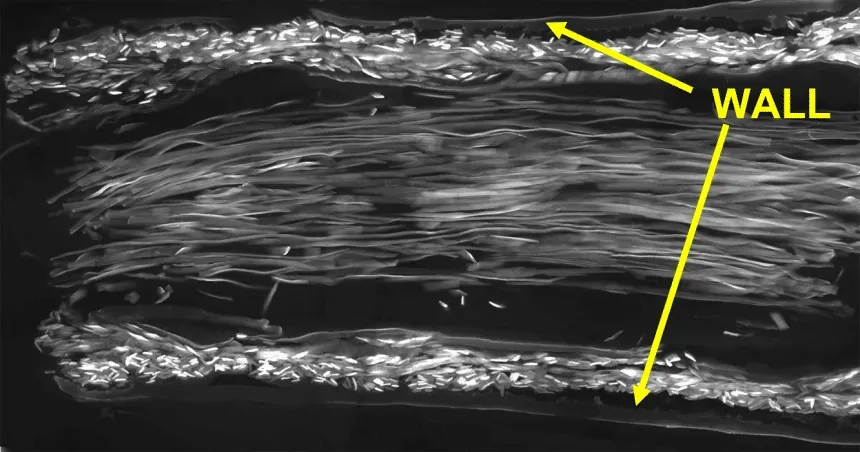
Spider silk nerve repair is revolutionizing the field of biomedical engineering by offering a remarkable solution for nerve regeneration. Scientists are harnessing the extraordinary properties of silk from golden orb-web spiders to develop innovative surgical devices that facilitate nerve growth, akin to a plant climbing a trellis. Dr. Alex Woods, a trauma and orthopedic surgeon, emphasizes that this silk acts as a durable scaffold, providing crucial support for nerves trying to bridge gaps left by injuries. Unlike traditional methods, which offer limited longevity, spider silk can sustain its structural integrity for up to 150 days, allowing for effective nerve grafting over larger distances. With ongoing studies and promising trials, this groundbreaking approach could significantly enhance recovery outcomes for patients with severe nerve damage.
The concept of utilizing spider silk for nerve repair is not just a leap forward in medical technology; it represents a fusion of ancient natural materials with cutting-edge medical practices. As researchers explore alternative substrates for nerve grafting, the use of silk threads from golden orb-web spiders shines brightly due to their remarkable tensile strength and biocompatibility. This innovative strategy aims to repair damaged nerves by creating a robust support structure that mimics the body’s own mechanisms for nerve regeneration. By addressing the challenges posed by conventional surgical devices, which often fall short in bridging extensive nerve gaps, the potential applications of this silk-based solution pave the way for revolutionary advancements in trauma recovery and orthopedic surgery.
The Role of Spider Silk in Nerve Repair
Spider silk has emerged as a groundbreaking material in the field of nerve repair, providing new hope for patients with severe nerve injuries. When a nerve is damaged, it can be particularly challenging to restore its function, especially if large gaps exist. Traditional nerve grafting techniques have limitations, particularly when the gap exceeds one centimeter. However, the silk produced by golden orb-web spiders offers a remarkable alternative. Known for its incredible tensile strength and biocompatibility, this silk can serve as a scaffold that mimics the natural extracellular matrix, allowing nerves to regenerate more effectively over time.
By utilizing spider silk, researchers can create surgical devices that not only bridge the gap but also support long-term nerve regeneration. The silk’s properties allow it to remain intact for approximately 150 days—much longer than the natural scaffold formed by the body, which typically lasts just 10 days. This extended duration significantly increases the chances of successful nerve regeneration, as it provides a more stable environment for nerves to grow and reconnect, thereby enhancing recovery outcomes for patients.
Frequently Asked Questions
What role does spider silk play in nerve regeneration?
Spider silk acts as an innovative scaffold for nerve regeneration, allowing injured nerves to grow along its fibers. This capability is crucial for bridging gaps in nerve tissues, particularly in cases where traditional repairs, such as nerve grafting, fall short.
How does spider silk compare to natural scaffolding in nerve repair?
The drag-line silk produced by golden orb-web spiders is comparable to the body’s natural scaffolding but lasts significantly longer – up to 150 days. This extended duration supports nerve growth across larger gaps, enhancing the chances of successful nerve regeneration.
What are surgical devices made from spider silk used for?
Surgical devices made from spider silk are designed for nerve repair, offering a less invasive alternative to traditional nerve grafting. These devices can potentially reduce recovery time and minimize complications associated with nerve injuries.
Why is the golden orb-web spider favored for biomedical engineering applications?
Golden orb-web spiders are favored in biomedical engineering due to the unique properties of their silk, which is strong and flexible. This silk can be utilized to create durable scaffolds that facilitate nerve regeneration, making it an exciting candidate for medical devices.
What potential benefits do spider silk nerve implants have over traditional nerve grafts?
Spider silk nerve implants can eliminate the need for secondary surgeries often required in nerve grafting, reducing risks and costs. Furthermore, they provide an effective scaffold for nerve regeneration, improving patient outcomes and recovery times.
Where is the spider silk nerve repair device currently being tested?
The spider silk nerve repair device is currently undergoing its first-in-human study in a hospital in Panama. This trial aims to assess the safety of the device before proceeding with further studies in the UK and the US.
Can spider silk nerve repair technology help with complex nerve injuries?
Yes, spider silk nerve repair technology has the potential to address complex nerve injuries, including those resulting from surgeries like mastectomies or prostate cancer operations. Its innovative design offers a new avenue for treating challenging nerve damage scenarios.
What challenges remain for the implementation of spider silk in nerve repair?
Despite the promising applications of spider silk in nerve repair, challenges such as regulatory approvals, cost, and the need for comprehensive clinical evidence persist. Experts like Dr. Alex Woods highlight the importance of overcoming these hurdles to bring this groundbreaking technology to patients.
| Key Point | Details |
|---|---|
| Use of Spider Silk in Medicine | Spider silk is being explored for use in nerve regeneration surgical devices. |
| Scaffold Functionality | ‘Drag-line silk’ acts as a scaffold for nerves, lasting 150 days compared to the natural scaffold’s 10 days. |
| Current Applications | Currently being tested for use in treating nerve injuries, including those caused by mastectomies and prostate cancer operations. |
| Source of Silk | Silk is sourced from golden orb-web spiders, native to Madagascar. |
| Patient Responses | Patients like Helen Hide-Wright see potential for improved nerve repair outcomes with the silk device. |
| Research and Development Status | The silk device is undergoing trials in Panama to ensure safety before further studies in the UK and US. |
| Possible Risks and Challenges | There are uncertainties regarding the product’s availability for clinical use due to costs and evidence requirements. |
Summary
Spider silk nerve repair is an innovative approach in medical technology that utilizes the unique properties of spider silk to enhance nerve regeneration. Researchers, led by Dr. Alex Woods, are developing surgical devices that leverage the strength and durability of spider silk, creating an effective scaffold for nerve growth that outlasts the natural healing process. This groundbreaking method not only holds promise for improving patients’ recovery times but might also reduce NHS costs associated with traditional nerve grafting surgeries.