Listen to this article
Sperm quality plays a crucial role in male fertility, with significant implications for couples trying to conceive. Recent research reveals that factors such as sperm motility and seasonal fertility patterns can greatly impact a man’s reproductive capabilities. Specifically, studies have shown that sperm swimming ability is highest during the summer months, providing vital insights for those undergoing fertility treatments. As the ability of sperm to swim effectively influences overall fertility, understanding these seasonal variations is essential for optimizing treatment timing. By aligning fertility strategies with these findings, couples can improve their chances of success in their journey towards parenthood.
In exploring the topic of male reproductive health, it’s essential to consider factors related to semen quality and reproductive efficiency. Terms such as sperm viability and male semen characteristics also shed light on how biological fluctuations occur throughout the year. Understanding the dynamics of sperm function and its correlation with environmental factors can enhance the overall picture of fertility health. This knowledge is particularly valuable for individuals seeking assistance through reproductive technologies or those keen on maximizing their chances of conception. Evaluating element such as reproductive patterns can pave the way for more effective fertility interventions.
The Influence of Seasons on Sperm Quality
Recent research indicates that sperm quality experiences pronounced seasonal variations, peaking during the summer months and declining during the winter. The study analyzed semen samples from a vast pool of 15,581 men from diverse climates in Denmark and Florida, revealing that sperm motility—the critical factor pertaining to the sperm’s ability to swim effectively—was highest in June and July. This finding is significant for understanding male fertility, as higher sperm motility directly correlates to improved chances of conception. Such seasonal fluctuations hinge on various factors, including average temperature, daylight exposure, and even environmental conditions inherent to the seasons.
The results emphasize that male fertility is not solely influenced by genetic and lifestyle factors but is also distinctly affected by seasonal cycles. Notably, while sperm motility showed significant changes, total sperm concentration and ejaculate volumes remained steady throughout the year. This suggests that men produce a consistent number of sperm seasonally, but the effectiveness of those sperm in achieving fertilization is subject to seasonal variations. Therefore, couples trying to conceive may benefit from understanding these patterns and planning their attempts accordingly.
Boosting Male Fertility through Optimal Timing
Understanding the seasonal patterns of sperm quality offers invaluable insights into optimizing fertility treatments. By identifying the peak months of sperm motility, fertility specialists can provide targeted guidance for couples seeking to conceive. This can potentially enhance treatment efficacy by aligning fertility interventions, such as in-vitro fertilization (IVF) or artificial insemination, with times when sperm quality is at its highest. For instance, scheduling fertility testing during summer months could yield more favorable results and better inform couples of their reproductive chances.
Moreover, timing fertility treatments in sync with the natural cycles of sperm production could empower healthcare providers to devise tailored strategies that account for these seasonal variations. This proactive approach could minimize the emotional and financial burdens often associated with extended attempts at conception, allowing couples to maximize their chances of success during optimal windows. As research progresses, integrating seasonal considerations into fertility treatment planning can revolutionize how reproductive health services are approached, ensuring that potential parents have the best possible support for starting their families.
Understanding Sperm Motility and Its Relevance
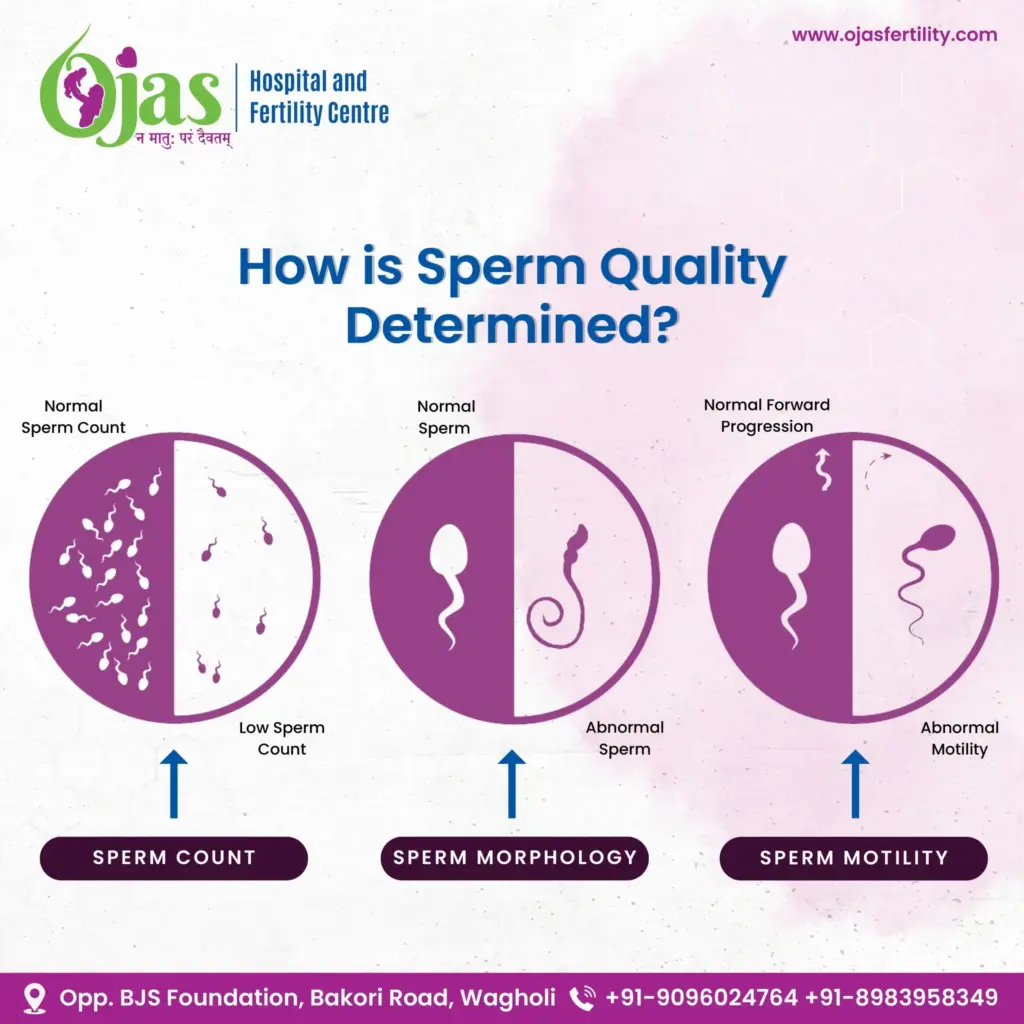
Sperm motility refers to the movement capability of sperm, which is crucial for fertilization. It influences the sperm’s ability to travel through the female reproductive tract to reach and fertilize the egg. During the recent study, it was observed that sperm motility reached its zenith in the months of June and July, indicating a strong link between seasonal changes and sperm functionality. Understanding the intricacies of sperm motility especially sheds light on why seasonal fertility variations exist, allowing for a more comprehensive approach to addressing male fertility issues.
Elevating awareness about sperm motility is particularly important for men looking to optimize their reproductive capabilities. With the knowledge that summer months yield the best swimming abilities for sperm, men could consider lifestyle adjustments that complement these findings—such as avoiding overheating, managing stress, and engaging in healthy habits that can further support overall sperm quality. Such proactive measures could enhance male fertility and align with the observed seasonal trends, ultimately aiding couples in their conception journey.
Seasonal Fertility Patterns and Climate Impact
The study highlights fascinating distinctions in sperm quality across different climates, suggesting that environmental conditions play a pivotal role in male fertility. Surprisingly, even in consistently warm locales like Florida, sperm motility peaked in summer despite no noticeable temperature drop in winter, making it evident that climate alone does not dictate sperm quality. Thus, it encourages a deeper exploration into other factors that could be responsible for these observed seasonal patterns, such as hormonal fluctuations triggered by varying daylight exposure or lifestyle changes throughout the year.
These insights challenge the conventional belief that warm temperatures naturally lead to enhanced sperm quality. Instead, the findings suggest that seasonal shifts could be linked to evolutionary adaptations aimed at optimizing reproductive outcomes in the most favorable environments. Therefore, understanding these dynamics not only enhances our grasp of male reproductive health but also prompts further research into how lifestyle choices and natural cycles interplay with physiology to affect fertility.
The Science Behind Sperm Production and Quality
Despite the significant fluctuations in sperm motility based on seasonal factors, the research revealed that total sperm concentration and ejaculate volume remained consistent throughout the year. This finding reinforces the understanding that while the quantity of sperm produced does not experience seasonal variation, its effectiveness can vary significantly due to biological rhythms. The study elucidates that sperm motility is critically linked to optimal environmental conditions, whereas the overarching sperm production remains stable.
From a clinical perspective, this distinction is crucial for developing targeted interventions and improving male fertility treatments. Knowing that couples may face variations in sperm quality depending on the season can assist in planning and decision-making. Fertility specialists can educate patients about the nuances of sperm production against the backdrop of seasonal changes, enabling them to navigate their reproductive health more effectively and make informed choices about the timing of their fertility efforts.
Implementing Seasonal Awareness in Fertility Treatments
Incorporating seasonal awareness into fertility strategies presents a compelling approach for enhancing reproductive outcomes. By leveraging the knowledge of when sperm motility is at its peak, healthcare providers can bolster their treatment protocols, maximizing the use of natural cycles to promote conception. This may involve advising couples to schedule fertility assessments during the summer months or implementing treatment plans that align with seasonal variations, thereby increasing the likelihood of successful outcomes in assisted reproductive technologies.
Additionally, seasonal awareness fosters a holistic view of male fertility that transcends beyond merely treating identified issues. It allows for a comprehensive strategy encompassing lifestyle recommendations, timing, and treatment adjustments—all aimed at optimizing sperm quality. Healthcare professionals can create a supportive environment where couples not only understand the significance of sperm motility but also embrace lifestyle changes that promote optimal sperm health year-round, ultimately paving the way for successful conception.
Lifestyle Considerations for Enhancing Sperm Quality
To enhance sperm quality and motility, lifestyle considerations play a crucial role. Men can significantly impact their sperm health by adopting healthier habits such as maintaining a balanced diet rich in antioxidants, managing stress, avoiding excessive heat exposure, and following appropriate exercise routines. This aligns with the study’s findings that while seasonal factors influence sperm swimming ability, proactive lifestyle changes can further improve these outcomes.
Moreover, understanding that sperm quality fluctuates seasonally allows individuals to tailor their health practices according to the time of year. For instance, as summer approaches, men may be motivated to improve their health proactively during these months to take advantage of the natural peak in sperm motility. This synergy between lifestyle and seasonal awareness reinforces the importance of personal responsibility in managing reproductive health and maximizing fertility potential.
The Role of Environmental Factors in Male Fertility
Environmental factors are increasingly recognized as critical elements that affect male fertility, with the recent study reinforcing just how they can influence sperm quality. Factors such as pollution, exposure to endocrine disruptors, and lifestyle choices can adversely impact sperm motility and overall reproductive health. With seasonal variations in climate provoking changes in natural environments, this emphasizes the need for men to remain vigilant about external influences throughout the year to maintain optimal sperm function.
Such findings prompt a broader conversation about environmental stewardship and public health policies that could protect and enhance male fertility. On both personal and societal levels, addressing the harmful effects of environmental degradation can support better reproductive outcomes. Collaborative efforts involving education, research, and sustainable practices can all contribute to understanding and mitigating potential risks to male fertility, leading to healthier future generations.
Awareness and Education to Support Male Fertility
Increasing awareness and education about factors influencing male fertility, including seasonal changes in sperm quality, is paramount for healthcare providers, men, and couples planning to conceive. The findings from the study should serve as a basis for educational campaigns that inform men about the significant impact seasons have on sperm motility and overall reproductive health. Educating men on how to optimize their health during peak seasons for sperm quality can empower them to take charge of their fertility journeys.
Additionally, fostering an open dialogue about male fertility—often stigmatized or underestimated—can encourage men to be proactive in seeking help and guidance when facing challenges related to conception. By understanding the importance of sperm quality and the relevance of seasonal fluctuations, men can better prepare for family planning, seek appropriate treatments, and engage actively in discussions regarding reproductive health. This collective knowledge will not only elevate individual awareness but also promote healthier futures for families.
Frequently Asked Questions
How does sperm quality relate to male fertility throughout the year?
Sperm quality significantly affects male fertility, with research indicating that sperm motility is highest in the summer months. Seasonal patterns show that sperm swimming ability peaks in June and July, which may improve the chances of conception for couples seeking fertility treatments.
What impact does sperm motility have on male fertility?
Sperm motility, or the ability of sperm to swim effectively, plays a crucial role in male fertility. Studies reveal that higher sperm motility correlates with better fertility outcomes, emphasizing the importance of considering seasonal variations in sperm quality when planning for conception.
Are there seasonal variations in sperm quality that affect fertility treatments?
Yes, sperm quality varies seasonally, impacting fertility treatments. Research shows that sperm motility is consistently lower in winter months like December and January, suggesting that timing treatments for conception during warmer months may enhance success rates.
How do climate differences affect sperm quality and fertility?
Interestingly, studies indicate that sperm motility levels remain consistent across different climates, suggesting that seasonal factors—not just temperature—affect sperm quality. This consistency implies that regardless of the climate, optimal sperm quality is still observed in summer, enhancing male fertility.
What should men know about sperm swimming ability in relation to seasonal fertility?
Men should be aware that sperm swimming ability, or motility, varies by season, with peaks in the summer. Recognizing these patterns can help in planning for conception, especially in fertility treatments, to align with periods of optimal sperm quality.
Is total sperm concentration affected by seasonal changes?
Research indicates that total sperm concentration and ejaculate volume remain unaffected by seasonal changes. Instead, the variability in sperm quality is mainly attributed to changes in sperm motility, highlighting its role in male fertility.
What is the ideal temperature for maintaining optimal sperm quality?
The optimal temperature for sperm production is typically two to four degrees Celsius lower than the body temperature of 37 degrees Celsius. Maintaining this temperature can help improve sperm motility, which is crucial for male fertility.
Can understanding sperm quality and seasonal fertility assist in conception efforts?
Yes, understanding the relationship between sperm quality and seasonal fertility patterns can greatly assist couples trying to conceive. Timing fertility treatments during peak sperm motility months can enhance the chances of successful conception.
| Key Points of the Study | Findings | Implications | |
|---|---|---|---|
| Sperm quality is higher during summer months. | Optimizing fertility treatments according to seasonal patterns could improve outcomes. | ||
| Sperm motility peaks in June and July, and is lowest in December and January. | Understanding these trends can guide couples in their attempts to conceive. | ||
| The study observed 15,581 men aged 18 to 45 from Denmark and Florida. | Recognition of seasonal effects can refine timing in fertility assessments. | ||
| Total sperm concentration and ejaculate volume remain unchanged across seasons. | A focus on sperm motility rather than quantity is essential for fertility strategies. | ||
Summary
Sperm quality is significantly impacted by seasonal variations, particularly temperature and month of the year. This study indicates that sperm motility is highest in the summer months, suggesting that couples trying to conceive may benefit from scheduling fertility treatments during this peak period. By optimizing the timing of fertility interventions and testing based on seasonal patterns, the chances of successful conception can be improved. Understanding these dynamics of sperm quality is critical for enhancing male reproductive health and addressing fertility concerns effectively.