Listen to this article
Sperm donation serves as a vital resource for many aspiring parents, playing a crucial role in the modern fertility treatment landscape. As the sperm donor industry continues to evolve, there’s an increasing interest in understanding the nuances of sperm donation regulations, particularly those surrounding Danish sperm, known for its high demand and reputation. Recent revelations have highlighted the staggering statistics surrounding sperm donation—some donors have unknowingly fathered hundreds of children across multiple countries. This not only raises questions about the ethical implications but also underscores the significance of addressing sperm donor statistics in discussions about family dynamics and genetics. As society grapples with the complexities of assisted reproduction, the importance of maintaining transparency and regulation in the sperm donation process cannot be overstated.
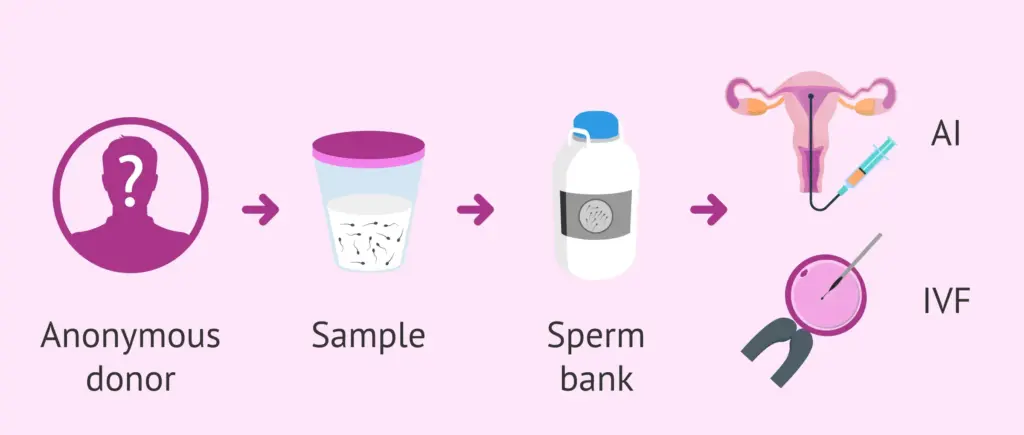
The practice of sperm donation is often pivotal for individuals seeking to create families, especially in contexts where traditional reproductive means are limited. This process, encompassing the collection and distribution of male reproductive cells, opens avenues for those facing infertility challenges, single parents, and same-sex couples. Moreover, understanding the intricacies of the sperm donor business, and how various countries like Denmark have cultivated a thriving export market for their ‘Viking sperm’, presents a fascinating glimpse into the globalized fertility treatment landscape. The push for stricter regulations within this sector is gaining momentum, resonating with many as fertility clinics and sperm banks navigate the sensitive dynamics of donor anonymity and offspring rights. As the conversation surrounding these critical issues continues to unfold, it remains essential to consider the implications of sperm donation on families and future generations.
The Growing Demand for Sperm Donation
The sperm donor industry has seen a significant increase in demand as more women seek fertility treatments that allow them to become mothers. Factors such as delayed family planning due to careers, single-parenting preferences, and same-sex relationships have contributed to this rise. The fertility treatment market is projected to grow substantially, particularly in Europe, where it may exceed £2 billion by 2033. This growing demand has made sperm donation a lucrative business, attracting many potential donors but also raising ethical concerns regarding the implications of having numerous children from a single sperm donor.
As the market for sperm donation expands, the availability of quality sperm has become a pressing issue. With stringent regulations on who can become a donor, including age limits, health checks, and genetic testing, only a small percentage of applicants qualify. This has created a scenario where the limited pool of sperm donors is being utilized more extensively, leading to some men potentially fathering dozens of children across multiple countries. This reality raises questions about the psychological and social implications for these children as they navigate their identities and family connections.
The Danish Sperm Donation Phenomenon
Denmark has emerged as a leader in the sperm donation industry, gaining a reputation for providing high-quality sperm that is sought after globally. Many attribute this to the nation’s unique cultural attitude towards sperm donation, where there is minimal stigma and a sense of altruism in helping others create families. The term “Danish sperm” or “Viking sperm” has become synonymous with desirable genetic traits, as many donors are tall, healthy, and possess traits like blonde hair and blue eyes. This makes Danish sperm particularly appealing to women from various demographics, especially those who prioritize genetics in their family planning.
Moreover, the logistical aspects of sperm donation in Denmark contribute to its global export status. Danish sperm banks, like Cryos International, have set up systems to send sperm to clinics across the world, adhering to each country’s regulations. However, this widespread distribution raises ethical considerations related to donor anonymity and the potential consequences for children who may later discover their biological connections. As demand for Danish sperm continues to grow, the need for regulations that ensure a balance between supply and responsible donor usage becomes increasingly critical.
Understanding Sperm Donation Regulations
Sperm donation regulations vary significantly across countries, which impacts how sperm banks operate and how many times a single donor’s sperm can be used. In many countries, there are restrictions aimed at preventing a high number of half-siblings from meeting and forming relationships. For example, in some jurisdictions, a donor may be limited to fathering a set number of children or may only be used by a specified number of mothers. These regulations are designed to protect the welfare of the children and to maintain familial integrity, but they can also inadvertently create shortages in donor availability.
In the UK, the regulations surrounding sperm donation have become more stringent, especially with the push for transparency and the removal of anonymity for donors. This means that children conceived through sperm donation have the right to learn the identity of their donors once they reach a certain age. Such regulations aim to help offspring understand their genetic backgrounds and to encourage donors to consider the broader implications of their contributions. As countries adopt varying legislation concerning sperm donation, there is a growing call for an international framework to standardize regulations, ensuring ethical practices while addressing the burgeoning need for donor sperm.
Exploring Sperm Donor Statistics
Sperm donor statistics reveal a fascinating picture of the realities of sperm donation. Globally, it has been noted that while thousands of men volunteer to become sperm donors, only a small fraction meet the stringent criteria set by sperm banks. In most regions, fewer than five percent of volunteers are accepted as donors, largely due to health and genetic testing criteria. This stark difference creates a bottleneck that challenges many clinics to meet the increasing demand for donor sperm, leading some regions to rely heavily on imports from countries like Denmark.
Additionally, the statistics surrounding sperm donation underscore the prevalence of certain demographics within donor pools. Many sperm banks report that the majority of their donors are young, healthy men, often motivated by monetary compensation or altruistic reasons. The demographic of sperm recipients often skews towards single, educated women in their 30s, reflecting changing social dynamics and priorities. Understanding these statistics is essential for assessing the ongoing challenges within the sperm donor industry and the need for improved strategies to manage donor selection and supply.
Ethical Dilemmas in the Sperm Donation Industry
The sperm donor industry is fraught with ethical dilemmas that arise from the intersection of fertility treatment, anonymity, and the rights of offspring. One major concern is the possible emotional and psychological impact on children who discover that they were conceived from donor sperm, especially in cases where a single donor has fathered a significant number of children across various families. This issue is complicated further by the rise of genetic testing technologies that enable individuals to trace their biological roots, potentially leading to unforeseen encounters with half-siblings.
Many experts argue that greater regulation is necessary to protect the interests of all parties involved—donors, recipients, and offspring. Questions concerning consent, donor anonymity, and the cumulative impact of widespread donor usage require careful consideration. As the industry grows and evolves, maintaining a balance between meeting the demand for donor sperm and upholding ethical standards becomes increasingly complex, necessitating the development of comprehensive guidelines to govern the practices of sperm banks worldwide.
The Future of Sperm Donation
As the sperm donation industry continues to evolve, its future may be shaped by ongoing discussions regarding regulation, ethics, and public perception. With technological advancements and more comprehensive genetic testing options, the landscape of sperm donation could shift significantly. For instance, the establishment of a Europe-wide sperm donor registry has been suggested to provide greater oversight of sperm distribution and to ensure that donor limits are respected across borders. However, implementing such a system poses its own set of challenges regarding privacy, consent, and the potential for unintended consequences.
Additionally, as societal attitudes towards family and parenthood continue to change, so too will the motivations for sperm donation and the profiles of donors. An increasing number of men may become donors as awareness grows around the need for quality sperm in fertility treatments. However, the industry will need to address the ethical implications that come with the commodification of sperm and the potential for exploitation of those in vulnerable positions. Striking the right balance between facilitating access to sperm donations and ensuring ethical practices will be crucial as we look to the future of this important industry.
Impact of Sperm Donation on Families
The impact of sperm donation extends beyond the immediate relationship between donor and recipient; it has far-reaching implications for the families formed through this method. Many families find joy and fulfillment in raising children conceived through sperm donation, but they also face unique challenges. For instance, the decision about how to communicate to children about their origins can lead to complex emotional landscapes. Parents must navigate issues of transparency and identity, grappling with how to discuss the donor’s role in their children’s lives.
Furthermore, the potential for children conceived via donor sperm to discover numerous half-siblings as they grow older brings both opportunity and complication. On one hand, these connections can enrich children’s lives, providing them with a sense of belonging within a larger extended family. On the other hand, there may be distress associated with these discoveries, leading to questions about identity and familial relationships. Families must prepare for this reality and consider how to frame discussions around sperm donation while upholding honesty and support.
Choosing a Sperm Donor: Considerations and Choices
Choosing a sperm donor is a significant decision that requires careful consideration of a multitude of factors. For many aspiring parents, attributes such as physical appearance, health history, and educational background play crucial roles in their selection process. Many sperm banks allow potential recipients to browse profiles that include photos, personal anecdotes, and even voice recordings, making the donor selection experience akin to online dating. This personalization underscores the importance of finding a donor who aligns with the recipient’s values and expectations.
Additionally, it is essential for prospective parents to consider the implications of their chosen donor in terms of their children’s future, including potential health risks associated with genetic conditions. Extensive background checks and genetic testing are now standard practices in the industry, ensuring that recipients can make informed decisions. As parents approach this process, they must weigh their preferences against ethical considerations and the responsibility that comes with selecting a genetic contributor to their family.
Sperm Donation and Genetic Screening Technologies
The role of genetic screening technologies in sperm donation has become increasingly crucial to ensuring the health and wellbeing of offspring conceived through donor sperm. Advanced genetic testing allows sperm banks to screen donors for a range of hereditary conditions, enabling them to provide recipients with a clearer picture of potential health risks associated with their choices. By identifying genetic mutations or predispositions, these screenings can help mitigate future health issues in donor-conceived children.
Moreover, as genetic technologies evolve, they may lead to changes in the regulations surrounding sperm donation, particularly concerning donor identity and the rights of donor-conceived individuals. The push for transparency and access to genetic information is becoming more pronounced, creating new dynamics in the relationship between donors, recipients, and the children conceived. As technology continues to influence the reproductive landscape, ethical discussions around genetic screening will remain central to the development of best practices in sperm donation.
Frequently Asked Questions
What are the current sperm donation regulations in different countries?
Sperm donation regulations vary significantly around the world. For instance, in the UK, sperm donors must be between 18 and 45 years old, free from infections like HIV, and they cannot carry specific genetic mutations. In contrast, countries like Denmark have more relaxed norms, encouraging altruistic donations without as much stigma. This difference creates a varied landscape in the sperm donor industry, affecting donor availability and sperm quality.
Why is Danish sperm considered highly sought after in the sperm donation market?
Danish sperm has gained a reputation as some of the most desirable in the sperm donation industry due to cultural attitudes towards donation and genetic predispositions. The perception of ‘Viking sperm,’ characterized by traits like height, blue eyes, and blonde hair, is appealing to many recipients. The Danish approach to altruistic donation further enhances its attractiveness, contributing to a robust sperm donor market.
How many children can one sperm donor legally father in different countries?
The number of children a sperm donor can legally father varies by country. Some regulations limit the total number of offspring a donor can have, while others restrict the number of mothers. For instance, in some European countries, a cap is proposed to prevent a single donor from fathering more than 50 children across the EU, which aims to manage the potential for half-sibling relationships.
What are the potential risks associated with sperm donation for donors and recipients?
The sperm donation process carries risks for both donors and recipients. Donors may unknowingly father numerous children, leading to potential emotional and ethical concerns upon discovering the extent of their biological connections. For recipients, children born through sperm donation might face issues related to identity and family connectivity, especially as they learn about their genetic backgrounds and familial ties later in life.
What is the significance of sperm donor statistics for potential recipients?
Sperm donor statistics are crucial for potential recipients as they outline the availability and success rates of sperm banks. These stats provide insights into donor characteristics, such as age, health profiles, and genetic backgrounds, helping recipients make informed decisions about selecting a donor that aligns with their family planning needs.
How does the sperm donor industry maintain ethical practices regarding donor anonymity and child identity?
The sperm donor industry engages in various practices to balance donor anonymity and the rights of offspring to know their biological heritage. In the UK, donors do not maintain anonymity, and offspring have legal pathways to learn their donor’s identity once they reach a certain age. However, concerns persist about the implications of this transparency, especially with advances in DNA testing facilitating connections between siblings and donors.
What role does sperm donation play in fertility treatment today?
Sperm donation plays a critical role in modern fertility treatment, providing an essential option for women facing infertility, those in same-sex relationships, or single mothers wishing to conceive. Sperm banks facilitate access to quality sperm, helping many individuals and couples start families despite various biological and social challenges.
How is the global sperm donor market projected to evolve in the coming years?
The global sperm donor market is poised for substantial growth, with projections indicating it could exceed £2 billion in Europe by 2033. This expansion is driven by increasing demand for donor sperm, particularly among educated women in their 30s who are postponing family planning. Enhanced awareness about fertility treatment options and evolving societal attitudes towards sperm donation also contribute to this growth.
| Key Points | Details |
|---|---|
| Sperm Donation Scale | One man has fathered at least 197 children across 14 countries, highlighting the large scale of the sperm donor industry. |
| Market Value | The European sperm donor market is projected to exceed £2 billion by 2033. |
| Danish Sperm Popularity | Denmark is noted for its high-quality sperm, often referred to as ‘Viking sperm’, becoming a major sperm exporter. |
| Regulations and Criteria | Sperm donors typically need to meet stringent criteria, including age, health status, and sperm quality. |
| Genetic Concerns | Reports are raising concerns about the passing of genetic mutations, such as a cancer risk linked to one donor. |
| Ethical Considerations | The ease of use of donor sperm raises significant ethical dilemmas including anonymity, identity, and the welfare of resulting children. |
| Half-Siblings Awareness | Children conceived from donated sperm may discover numerous half-siblings, which can lead to emotional distress. |
| International Usage Regulations | Different countries have varying rules about how often a donor’s sperm can be used. |
Summary
Sperm donation has emerged as an essential avenue for many individuals to become parents, particularly in circumstances where traditional methods are not viable. The topic of sperm donation involves complex discussions on genetics, ethics, and the regulation of the industry. As demonstrated by recent cases, the implications of having a single donor father a substantial number of children raise concerns about genetic health and half-sibling connections. Therefore, while sperm donation serves a vital need for family creation, it also necessitates careful consideration of its broader social and ethical impacts.