Listen to this article
Species at risk in Wales have become a pressing concern, with new findings shedding light on the alarming reality of endangered species within the region. A groundbreaking extinction report from Natural Resources Wales (NRW) reveals that thousands of species are critically vulnerable due to habitat loss, climate change, and other environmental pressures. Among the rarest beings identified is the high brown fritillary butterfly, whose future hangs in the balance as it faces threats to its limited habitat. Conservation efforts in Wales are crucial, highlighting the significance of dedicated measures to preserve these unique species before they slip into oblivion. As communities rally to protect these landscapes, the hope is that, through targeted interventions and strategic resource allocation, Wales can turn the tide on the decline of its biodiversity.
In recent years, the biodiversity crisis has escalated in Wales, prompting urgent discussions about species conservation and restoration. Numerous flora and fauna profoundly impacted by environmental changes are currently under stress, raising alarms about their survival prospects. The high brown fritillary butterfly and other remarkable creatures demonstrate the fragility of ecosystems still vibrant yet facing potential collapse. As threats like habitat degradation loom large, the call for action grows louder amongst conservationists. Strategies that involve habitat management and species protection are becoming vital to prevent further extinctions and foster a resilient natural heritage in the region.
Understanding Species at Risk in Wales
The alarming report by Natural Resources Wales (NRW) sheds light on the increasing number of species at risk in Wales, emphasizing the urgent need for conservation efforts. With thousands of species affected, including the high brown fritillary butterfly, the report marks a crucial moment for wildlife advocacy in the region. As habitats diminish due to climate change, urban development, and habitat loss, many species face the dire possibility of extinction. The statistics are sobering; around 3,000 species are now confined to five or fewer locations, making them acutely vulnerable to threats.
Understanding the factors that place these species at risk is vital. Habitat loss has been a significant contributor, compounded by human activities that disrupt ecosystems. The case of the high brown fritillary butterfly illustrates this perfectly; its caterpillars are now found in just one site in the Vale of Glamorgan. Conservationists emphasize that proactive measures can make a tangible difference in protecting these species, calling for strategic efforts by both governmental bodies and local communities to safeguard wildlife.
The High Brown Fritillary Butterfly: A Case Study
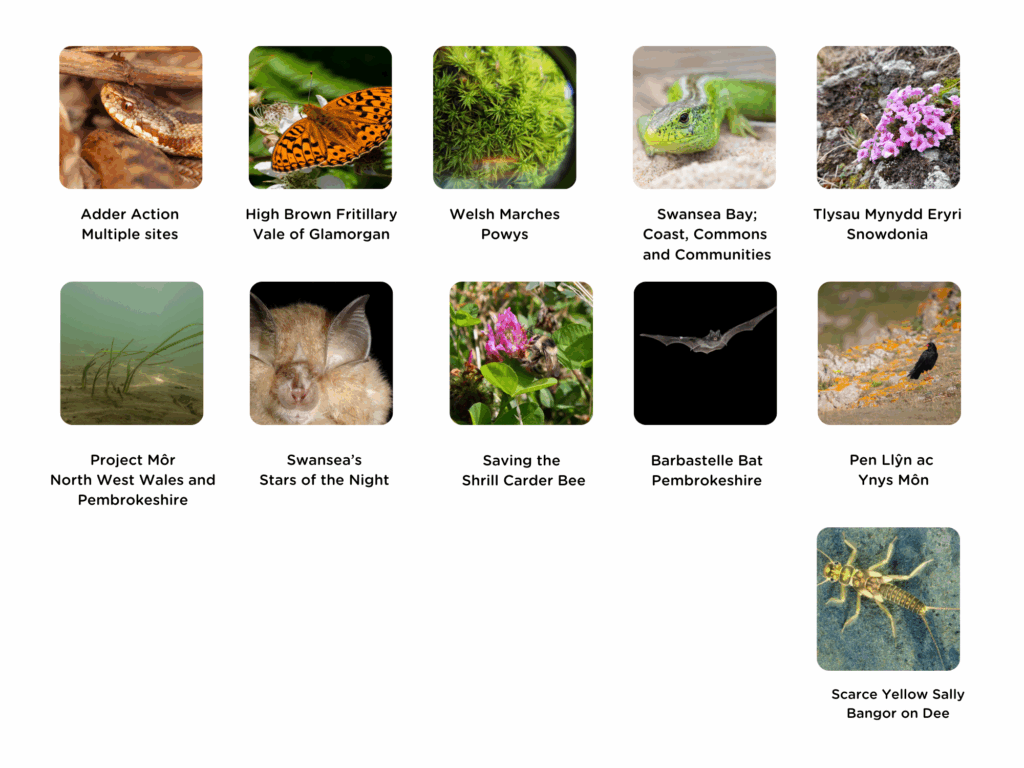
The high brown fritillary butterfly is one of the focal points of the recent extinction report in Wales. With its vibrant pattern and critical role in our ecosystems, its decline accentuates the pressing need for conservation action. Its current status is a stark reminder of how rapidly biodiversity can be lost—highlighting the fragile relationship between species and their habitats. Historically abundant, the butterfly’s presence is now dramatically limited, raising alarm among ecologists who view it as an indicator of broader environmental health.
Conservation measures tailored specifically for the high brown fritillary butterfly can yield significant benefits. Experts like Mannon Lewis from NRW highlight low-cost, effective changes such as modifying grazing practices or delaying grass cutting. These simple adjustments can invigorate the habitats necessary for the butterfly’s lifecycle, ensuring adequate food and breeding sites. Consequently, effective conservation strategies can breathe new life into populations that have dwindled significantly over the years.
Conservation Efforts and Strategies in Wales
The findings of the “Species in Peril” report underscore the critical role of conservation efforts in Wales. Nature reserves, such as Newborough Warren, play a pivotal part in fostering diverse habitats that support threatened species. Initiatives that focus on habitat restoration, such as grazing management with ponies, have already shown promising results. After implementing these strategies, an increase in absent beetle species was reported, highlighting the effectiveness of targeted environmental management.
NRW’s approach to connecting networks of Sites of Special Scientific Interest (SSSI) is another cornerstone of effective conservation in Wales. By creating ecological corridors, they enhance species movement between habitats, which is essential for wildlife resilience in a changing climate. Conservationists believe that fostering such networks will not only protect current species but may also facilitate the return of those that have gone extinct in the region.
Addressing Habitat Loss in Wales
Habitat loss remains one of the most devastating threats to wildlife in Wales, contributing significantly to the endangerment of species. As urban areas expand and agricultural practices intensify, many natural habitats are fragmented or destroyed, drastically impacting ecosystems. These changes limit food sources, breeding opportunities, and migration routes for numerous species, making it imperative to address habitat conservation urgently. The NRW report highlights the need for proactive measures to reverse this decline.
Efforts to combat habitat loss in Wales focus on restoration and sustainable management practices. For instance, adaptive strategies that involve rewilding areas and restoring natural ecosystems can provide respite to endangered species. Collaborative projects with local communities can enhance resilience against climate change impacts, ultimately benefiting both wildlife and human populations. This collective responsibility is vital for shaping a sustainable future where nature thrives alongside human advancement.
The Role of Nature Reserves in Conservation
Nature reserves serve a crucial role in the conservation landscape of Wales, acting as sanctuaries for threatened species. These protected areas, such as the Newborough Warren, not only harbor rich biodiversity but also serve as research and monitoring sites for conservationists. By implementing controlled management strategies within these reserves, organizations can ensure that rare species have a fighting chance against the backdrop of habitat loss and climate change.
In addition to providing shelter, nature reserves can act as educational hubs, raising awareness about conservation efforts among local communities and visitors. By engaging the public with the significance of biodiversity and the challenges faced by species at risk, we can foster a communal commitment to protect these invaluable ecosystems. Ultimately, nature reserves exemplify the collaborative efforts necessary to preserve rich biological legacies and promote the resurgence of species that are currently in peril.
Connecting Conservation Networks in Wales
Establishing a cohesive network of conservation areas is fundamental to the long-term success of preserving species in Wales. By linking various nature reserves and Sites of Special Scientific Interest (SSSI), conservationists can create corridors that facilitate species movement and genetic exchange. This interconnectedness is pivotal in enhancing the resilience of wildlife populations, particularly under the pressures of climate change and habitat fragmentation.
Efforts to build these networks often involve collaboration between governmental bodies, non-profits, and local communities. Engaging stakeholders not only ensures that conservation strategies are inclusive but also fosters ownership and responsibility among residents. As Tyler Hallman points out, the potential recovery of extinct species is feasible if we actively take steps to restore and connect habitats, leading to enriched biodiversity across Wales.
Public Awareness and Education in Conservation
Public awareness and education are essential components of successful conservation efforts in Wales. By informing the public about species at risk, like the high brown fritillary butterfly and the impacts of habitat loss, we can cultivate a sense of urgency and responsibility. Educational programs designed for schools, community centers, and outdoor workshops can empower individuals to engage in local conservation actions that can make a significant difference.
Furthermore, utilizing social media and local events to share success stories and conservation challenges can further galvanize community involvement. Engaging narratives about specific species and conservation successes can inspire people to support policies and initiatives aimed at protecting wildlife. Building a knowledgeable and passionate public is crucial for sustaining conservation efforts, ultimately leading to a more balanced coexistence between human activities and the preservation of nature.
Future of Species Recovery in Wales
Looking ahead, the recovery of endangered species in Wales rests on the successful implementation of adaptive conservation strategies. The insights from the NRW report have provided a clear roadmap for prioritizing at-risk species and directing resources effectively. Future initiatives must focus on not only maintaining populations but also actively working to improve habitat conditions that ensure long-term viability despite environmental changes.
Moreover, collaborations with both local communities and global conservation prospects can pave the way for robust recovery programs. Species previously thought lost, like the European turtle dove, serve as beacons of hope. As conservation techniques evolve and improve, the possibility of successful reintroduction and recovery will depend on our commitment to sustainable practices and collaborations within the environmental sector.
Government and Policy Initiatives for Conservation
Government and policy initiatives play a pivotal role in shaping conservation outcomes in Wales. The findings of the “Species in Peril” report underscore the need for robust legislative frameworks that prioritize the protection of endangered species and their habitats. Policymakers must integrate scientific research with community insights to formulate effective conservation strategies that address both ecological and socio-economic factors.
In addition, funding allocations for conservation projects need to be increased to enable proactive measures against species extinction. Supporting grassroots movements and local conservation groups will ensure that efforts are grounded in community needs and ecological realities. As conservationists advocate for policies that prioritize biodiversity, the Welsh government has the opportunity to set an example for sustainable practices globally.
Frequently Asked Questions
What are the endangered species in Wales that are currently at risk of extinction?
In Wales, several endangered species are at risk of extinction, including the high brown fritillary butterfly and the Snowdon leaf beetle. A recent report identified over three thousand species, many of which are only found in five locations or fewer, making them particularly vulnerable to habitat loss and climate change.
How are conservation efforts in Wales addressing the habitat loss faced by at-risk species?
Conservation efforts in Wales are crucial in combating habitat loss facing at-risk species. Techniques such as adjusting grazing regimes and implementing simple landscape management practices are being utilized. By focusing on areas identified in the extinction report, organizations like Natural Resources Wales (NRW) are directing resources to where they are needed most to protect endangered species.
What role do nature reserves play in the conservation of species at risk in Wales?
Nature reserves and Sites of Special Scientific Interest (SSSI) are vital for the conservation of species at risk in Wales. They provide protected environments where endangered species can thrive, such as Newborough Warren on Anglesey, home to numerous at-risk species. Conservation projects in these areas often lead to significant ecological improvements and the return of previously lost species.
Why is the high brown fritillary butterfly considered critical among endangered species in Wales?
The high brown fritillary butterfly is considered critically endangered due to its extreme rarity in Wales, now confined to a single site in the Vale of Glamorgan. Efforts to conserve this species involve simple yet effective measures, which highlight its importance in the context of Wales’ biodiversity and conservation initiatives.
What actions can be taken to support the high brown fritillary butterfly and other endangered species in Wales?
Supporting the high brown fritillary butterfly and other endangered species in Wales can be achieved through several low-cost actions, such as modifying grazing patterns, managing grass cutting schedules, and ensuring responsible hedge trimming. These measures can help restore habitats and improve conditions for vulnerable species.
What has caused the extinction of species like the European turtle dove in Wales?
The extinction of species such as the European turtle dove in Wales has been primarily attributed to habitat loss, climate change, and other environmental pressures. Since the beginning of the millennium, Wales has seen the loss of eleven species, underscoring the urgent need for effective conservation efforts.
How can the insights from the extinction report guide future conservation efforts in Wales?
The extinction report provides essential insights into the current state of biodiversity in Wales, highlighting which species are most at risk. This information can guide conservation efforts by identifying priority areas and species for protection, ultimately improving strategies to prevent further losses and promote the restoration of Welsh ecosystems.
What successes have been noted from the conservation efforts for at-risk species in Wales?
Success stories in conservation efforts in Wales include the rejuvenation of certain beetle populations at Newborough Warren after exposure of bare areas. These positive outcomes suggest that effective management and restoration techniques can lead to a resurgence of species that had previously diminished or disappeared.
| Key Point | Details |
|---|---|
| Thousands of at-risk species in Wales | A recent study revealed that many species, including the high brown fritillary butterfly and Snowdon leaf beetle, are at risk of extinction due to limited habitats, climate change, and habitat loss. |
| Study significance | This study is the first of its kind in the UK, highlighting 3,000 species existing in fewer than five locations, making them vulnerable. |
| Species extinct since 2000 | Wales has seen the extinction of 11 species, including the European turtle dove and belted beauty moth, with more potentially at risk. |
| Conservation strategies | Natural Resources Wales (NRW) suggests cost-effective solutions such as changing grazing practices and managing grass cutting. |
| Importance of nature reserves | Nature reserves like Newborough Warren on Anglesey are crucial for species survival, hosting 130 at-risk species. |
| Positive conservation efforts | Efforts like grazing with ponies and habitat restoration have shown early success, with species returning to previously barren areas. |
| Future outlook | Conservationists believe there is potential for species once thought extinct, like the European turtle dove, to return as conditions improve. |
Summary
Species at risk in Wales are facing increasing threats due to habitat loss, climate change, and other environmental factors. The recent report emphasizes the urgent need for conservation efforts to protect these vulnerable species, highlighting both the challenges and opportunities for recovery. With effective management of natural reserves and low-cost conservation strategies, there is hope for reversing some of the damage and facilitating the return of species that have been lost. It is crucial for ongoing support and action to ensure a future where Wales can sustain its rich biodiversity.