
Listen to this article
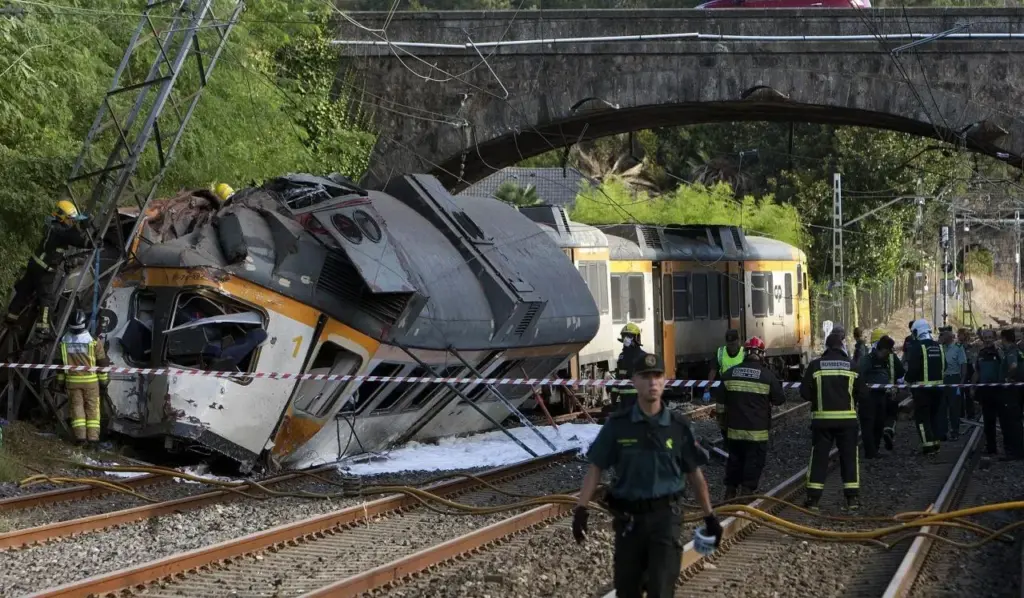
On Sunday afternoon, a tragic Spain train accident shook the region of Adamuz in southern Spain, where a high-speed train derailed and collided with an oncoming train. This catastrophic event resulted in at least 39 confirmed fatalities, with rescue operations still ongoing as emergency services fight to aid the wounded. The high-speed train, which was traveling at significant velocity, veered off its designated track before crashing into another train, escalating the urgency of train safety measures across the country. Witnesses reported the moment of the Spain train collision as chaotic, with rescue teams working tirelessly to extract passengers trapped in the wreckage. The Spanish Red Cross has established a support center nearby to assist both emergency services and families looking for information about their loved ones.
A significant railway disaster occurred recently in southern Spain, raising serious concerns regarding transport safety. This train derailment near Adamuz has resulted in extensive casualties, prompting immediate rescue efforts from various emergency agencies. Following this tragic incident, questions about train safety protocols and rapid response measures have come to the forefront of public discussion. The collision involved a high-speed service that deviated from its course, highlighting potential flaws in transportation infrastructure. Authorities are now stressing the need for improved safety measures to prevent such devastating accidents in the future.
Understanding the Spain Train Accident
On Sunday afternoon, a tragic incident unfolded near Adamuz, southern Spain, as a high-speed train derailed and collided with an oncoming train. This horrific Spain train accident has shocked the nation, leading to at least 39 confirmed fatalities. The high-speed train, reportedly traveling at significant speed, veered off its track, which exacerbated the impact of the collision. Such high-profile incidents in the rail sector raise critical questions about existing train safety measures and regulatory frameworks that govern them.
The gravity of the situation cannot be overstated; as rescue operations continue, emergency services have mobilized extensively, with personnel from multiple agencies working round the clock. The coordination of these rescue efforts is vital, not only to aid the victims but also to assess the root cause of the train collision. In light of this devastating event, public awareness concerning railway safety is crucial, emphasizing the need for rigorous inspection and maintenance protocols to prevent future tragedies.
Rescue Operations in Adamuz
In response to the catastrophic high-speed train derailment, rapid and coordinated rescue operations were launched in Adamuz. Teams from the Spanish Red Cross, Civil Guard, and Civil Defence dedicated their efforts to provide immediate assistance and support. A support center was established to help victims and their families, as well as to disseminate vital information concerning the ongoing situation. Continual support from local communities and professionals significantly enhances the effectiveness of these rescue operations.
Emergency responders encountered challenging conditions due to the scale of the accident. Reports indicate that several passengers suffered serious injuries, necessitating immediate medical attention and transport to area hospitals. The commitment from emergency teams throughout the rescue operations exemplifies their dedication to saving lives, highlighting the importance of effective communication and collaboration among various agencies during crises.
Impact on High-Speed Rail Services
Following the Spain train accident near Adamuz, all high-speed rail services between Madrid and Andalusia have been suspended, resulting in widespread disruption. ADIF, the Spanish rail network operator, confirmed that rail traffic across major cities like Córdoba, Seville, and Málaga will remain halted as investigations commence. This decision emphasizes the urgent need to ensure safety in rail travel and highlights the operational challenges the rail network faces under such unforeseen circumstances.
The suspension of high-speed rail services significantly affects daily commuters and the broader transportation network, with many passengers left stranded. Additionally, it raises questions regarding the reliability and safety standards of current high-speed trains. Transport Minister Oscar Puente has acknowledged the seriousness of the incident, drawing attention to the importance of rigorous safety measures to prevent similar accidents in the future.
The Role of Authorities in Addressing Rail Safety
In light of the Adamuz train crash, the need for stringent oversight by transport authorities has been accentuated. Spain’s transport minister expressed concern over rail safety guidelines and operational protocols, stating that the Ministry would be looking into potential gaps that might have contributed to this devastating event. Enhanced evaluation of existing standards can play a crucial role in preventing future rail incidents, particularly those involving high-speed trains.
To regain public confidence in rail travel, authorities must not only address the immediate needs following the accident but also implement long-term safety improvements. Transparency in investigating the causes of the collision and committing to robust preventive measures will be pivotal in restoring faith in the safety of the rail system. Engaging the public in discussions about train safety measures could foster a culture of awareness and vigilance moving forward.
Government Response and Support Initiatives
In the wake of the tragic collision, Spanish Prime Minister Pedro Sánchez has assured the public of the government’s unwavering commitment to supporting victims and their families. The establishment of an emergency command center in Adamuz symbolizes the proactive steps being taken to manage the crisis effectively. Government support and coordination with local authorities are essential to ensure that those affected receive the care and assistance they need during this traumatic time.
Furthermore, this incident has prompted discussions around strengthening government oversight of rail infrastructure and operations. By prioritizing passenger safety and upholding high standards in rail travel, the government can help prevent future tragedies like the Adamuz train crash. Continuous evaluation of safety protocols and investment in technological advancements are crucial for progress in creating a safer rail environment.
Public Perception of Train Safety After the Collision
The high-profile nature of the Spain train accident near Adamuz has understandably raised public concern regarding the safety of high-speed rail travel. As the facts surrounding the incident emerge, there is a growing call for transparency and accountability from train operators and governing bodies. Passengers are now more vigilant and demanding assurances that train safety measures are implemented and maintained to the highest standards.
This tragic event serves as a pivotal moment for public discourse on train safety. Increased awareness of the potential dangers associated with high-speed trains can lead to enhanced civic engagement on the topic. Community discussions, public forums, and initiatives to educate passengers on safety measures are crucial in fostering an informed populace willing to advocate for systemic improvements in rail safety.
Investigating the Causes of the Adamuz Train Crash
As investigations into the catastrophic Adamuz train crash progress, it is imperative to focus on the underlying causes that led to this devastating high-speed train derailment. Comprehensive analysis from transportation experts and safety engineers is vital in determining if there were equipment failures, human errors, or lapses in protocol that contributed to the incident. Such investigations can provide critical insights not only for accountability but also for improving safety measures across the rail network.
Furthermore, analyzing data from the incident can help identify risk factors that warrant future attention. The findings can shape new strategies to enhance infrastructure, communication systems, and emergency response protocols. Continuous improvement based on thorough investigations is essential for assuring the public that rail travel will become safer and that such tragedies can be effectively prevented in the future.
Lessons Learned from the High-Speed Train Derailment
The tragic high-speed train derailment in Adamuz serves as a grim reminder of the potential risks associated with rail travel. It emphasizes the necessity for continuous learning in crisis management and rail safety. Stakeholders, including government, rail operators, and emergency services, can derive valuable lessons from this incident to strengthen safety protocols and refine response strategies effectively.
Integration of advanced technologies in rail monitoring and safety assessments can also mitigate risks in the future. Investing in research and training for rail personnel can significantly enhance their preparedness for emergency scenarios. Cultivating a safety-first culture within the rail industry is paramount to reducing the likelihood of such catastrophic incidents occurring in the future.
The Community’s Role in Healing Post-Accident
In the aftermath of the devastating train collision, the role of the community becomes paramount in healing and recovery efforts. Local support systems, including counseling services, fundraisers, and community gatherings, can provide essential emotional and financial aid to victims and their families. Such initiatives can help facilitate healing and restore a sense of normalcy as the community comes together to support one another.
Engaging local volunteers and organizations in recovery efforts fosters resilience and solidarity among residents. This collective response underscores the importance of social support in overcoming tragedy. Communities can also advocate for improved rail safety measures, ensuring that the lessons learned from the Adamuz train accident will contribute positively to the overall safety culture surrounding rail travel.
Frequently Asked Questions
What happened during the Spain train accident near Adamuz?
The Spain train accident near Adamuz involved a catastrophic high-speed train derailment, where a high-speed train switched tracks and collided with an incoming train. This incident resulted in at least 39 fatalities and numerous injuries, prompting ongoing rescue operations.
What are the rescue operations Adamuz currently focused on?
The rescue operations in Adamuz are focused on recovering victims and providing medical assistance to the injured passengers from the Spain train collision. Emergency services, including the Spanish Red Cross and Civil Guard, are working tirelessly to address the aftermath of the high-speed train derailment.
How has the high-speed train derailment affected train services in Spain?
Due to the high-speed train derailment near Adamuz, all high-speed rail services between Madrid and Andalusia have been suspended. Authorities from ADIF announced a halt to rail traffic across major cities like Cordoba, Seville, Malaga, and Huelva to facilitate rescue efforts.
What safety measures are being implemented following the Spain train collision?
In response to the Spain train collision, the Spanish government is collaborating with emergency services to enhance train safety measures. This includes a thorough investigation into the incident and reviewing current protocols to prevent future accidents.
What support is being offered to victims of the Adamuz train crash?
The Spanish Red Cross has established a support center in Adamuz to assist victims of the Adamuz train crash. They provide emotional support and information services for those affected by the tragedy while emergency management continues to operate in the area.
| Key Point | Details |
|---|---|
| Incident Description | A high-speed train derailed and collided with an oncoming train near Adamuz, southern Spain. |
| Fatalities | At least 39 fatalities have been reported following the accident. |
| Rescue Operations | Emergency teams have been working tirelessly to assist victims and manage the situation. |
| Emergency Response | The Spanish Red Cross has established a support center, and emergency protocols have been activated by authorities. |
| Impact on Train Services | High-speed rail services between Madrid and Andalusia have been suspended due to the accident. |
| Government Response | Prime Minister Pedro Sánchez and Transport Minister Oscar Puente have expressed their concerns and commitment to assist the victims. |
Summary
The Spain train accident has resulted in a tragic loss of life and has brought significant disruption to rail services. With ongoing rescue efforts and a coordinated emergency response, the focus now shifts to supporting the victims and their families. The incident highlights the need for rigorous safety measures in rail travel to prevent such calamities in the future.