Listen to this article
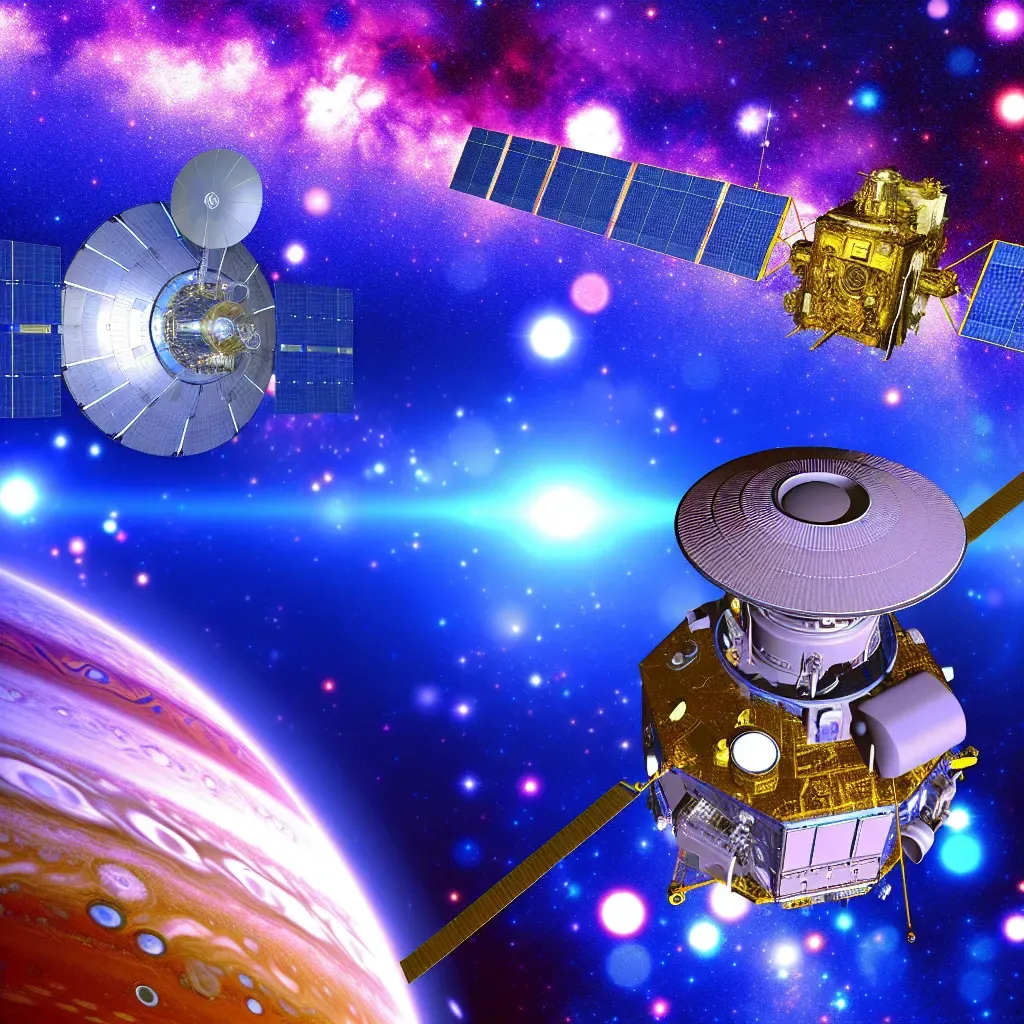
Space Exploration News is buzzing with excitement as we transition into 2023, a year set to be monumental for upcoming space missions. With NASA’s Artemis program charting a course for lunar exploration, the stakes are higher than ever. Alongside Artemis, the Mars Sample Return initiative aims to deliver vital insights into the Red Planet, shedding light on its historical significance. Satellite missions in 2023 promise groundbreaking developments, including the ambitious exploration of Jupiter’s moons. This year’s lineup reflects humanity’s relentless quest for knowledge and understanding of the universe.
As we delve into the realm of cosmic discovery, the latest updates on human endeavors beyond our planet reveal a tapestry of innovation and exploration. The forthcoming planetary missions spotlight significant projects such as NASA’s Artemis initiative aimed at achieving a sustainable lunar presence, and the groundbreaking Mars Sample Return program focused on collecting Martian samples to revolutionize our understanding of extraterrestrial life. Along with satellite initiatives and exciting exploration of Jupiter’s icy moons, the collective efforts underscore a vibrant future in space exploration.
Anticipated Space Exploration News: Key Missions in 2023
In the realm of space exploration news, 2023 is set to showcase a remarkable lineup of missions. With agencies like NASA, ESA, and international partners charging forward, we can expect breakthroughs that could lead to valuable discoveries about our celestial neighborhood. The upcoming space missions range from significant lunar and Martian initiatives to the profound exploration of the outer solar system. Each mission, carefully designed and meticulously planned, aims to unravel the mysteries of space and provide insights into our universe’s evolution.
Particularly noteworthy is the scheduled launch of NASA’s Artemis program, which marks a significant return to lunar exploration. With Artemis I paving the way for human-crewed missions, the implications extend beyond just setting foot on the Moon. Such initiatives foster collaboration, technology development, and a renewed interest in STEM fields across the globe. Furthermore, the anticipated Mars Sample Return program adds another layer of excitement, as it aims to bring back material from the Red Planet and deepen our understanding of extraterrestrial geology and, perhaps, past life.
The Pioneering NASA Artemis Missions
NASA’s Artemis program intends to return humans to the Moon and establish a sustainable presence. As part of this mission series, Artemis I serves as the uncrewed precursor, which is critical for testing the Space Launch System and the Orion spacecraft. Set to launch later in 2023, this significant mission will rotate around the Moon, collecting valuable data for subsequent crewed flights. The Artemis missions aim not only to advance lunar exploration but also to lay the groundwork for future human expeditions to Mars.
The Artemis program symbolizes humanity’s bold ambitions for space colonization. With each phase leading up to future missions, NASA is ensuring that lessons learned from Artemis I and beyond will contribute to designing safer and more efficient human spacecraft for deep-space exploration. The enhanced collaboration with international partners and private enterprises highlights the technological advancements being made, setting the stage for an exciting decade of lunar and Martian exploration.
Mars Sample Return: A Groundbreaking Initiative
At the forefront of extraterrestrial exploration is NASA’s Mars Sample Return program, set to make its mark with its planned launch in 2023. Utilizing data and materials collected by the Perseverance rover, the mission aims to bring Martian soil and rock samples back to Earth. This groundbreaking initiative stands as a pivotal step toward answering critical questions about the potential for past life on Mars and understanding the planet’s geology.
The complexity of the Mars Sample Return mission underscores the advancements in robotic and autonomous technology. The mission will involve intricate procedures, including a launch from Mars, ensuring that the samples are safely returned to Earth. This endeavor not only symbolizes innovation in space technology but also showcases the international collaboration inherent to modern space exploration, where shared knowledge drives humanity’s quest for understanding the cosmos.
Exploration of Jupiter’s Icy Moons through ESA’s JUICE
The European Space Agency’s JUICE mission, set to launch in April 2023, aims to explore Jupiter’s three major icy moons: Ganymede, Europa, and Callisto. These celestial bodies are of significant interest due to the potential subsurface oceans that may harbor the conditions suitable for life. As JUICE progresses, it expects to uncover crucial data that could reshape our understanding of habitability beyond Earth. The momentum generated by this mission is indicative of an era where exploration efforts extend far into the solar system.
Arriving at Jupiter in 2031, JUICE represents a long-term investment in planetary science, relying on advanced technology for deep space travel. The insights gained from studying these moons could offer evidence of not only the potential for life but also the origins of water and other vital elements that define habitable environments. As ESA explores the icy moons, it contributes to the ongoing dialogue among scientists seeking to answer fundamental questions about life’s existence in the universe.
China’s Ambitious Plans for Manned Lunar Missions
China continues to advance its capabilities in space exploration, with aspirations for manned lunar missions expected in 2023. The ongoing development and testing of the Binzhou lunar lander signify a pivotal step in China’s space program, showcasing its commitment to returning humans to the Moon. These endeavors reflect not only national pride but also the strategic importance of strengthening China’s position as a key player on the global space stage.
As China embarks on its first crewed lunar expedition, collaboration and competition with other spacefaring nations are bound to intensify. The potential findings from these missions will not only contribute to scientific knowledge but may also encourage further international cooperation in space exploration. By investing in lunar technologies and capabilities, China aims to leverage its advancements for future exploration, possibly leading to collaborative missions with other global space agencies.
Frequently Asked Questions
What to expect from NASA’s Artemis program in 2023?
In 2023, NASA’s Artemis program will initiate its Artemis I mission, which is an uncrewed test flight designed to pave the way for human lunar exploration. The mission aims to send the Orion spacecraft on a journey around the Moon before returning to Earth, setting the stage for future missions that will eventually land astronauts on the lunar surface.
When will NASA’s Mars Sample Return mission launch?
NASA’s Mars Sample Return mission, a key initiative in space exploration news, is targeted for launch in 2023. This mission will rely on the Perseverance rover to collect rock and soil samples from Mars, which will later be returned to Earth. This endeavor is crucial for understanding the potential for past life on the Red Planet.
What is ESA’s JUICE mission and when does it launch?
ESA’s JUICE mission, aimed at exploring Jupiter’s icy moons such as Ganymede, Europa, and Callisto, is set to launch in April 2023. The mission will investigate these moons’ subsurface oceans and their potential to support life, contributing significantly to our understanding of habitability in our solar system.
What advancements are planned for SpaceX’s Starship missions in 2023?
In 2023, SpaceX plans multiple missions using its Starship rocket, which aims to enhance space travel and support NASA’s Artemis program. These missions include delivering supplies and equipment necessary for lunar exploration, marking a pivotal year for collaboration in space exploration news.
How is NASA’s DART mission related to planetary defense?
NASA’s DART mission, set to perform in early 2023, is designed to test our ability to deflect an asteroid, thereby enhancing planetary defense strategies. This mission is pivotal in determining how to protect Earth from potential asteroid impacts, showcasing innovative developments in space exploration and technology.
| Mission | Agency | Launch Date | Objective |
|---|---|---|---|
| Artemis I | NASA | Late 2023 | Uncrewed lunar test flight to prepare for human missions. |
| Mars Sample Return | NASA | 2023 | Bringing back samples from Mars for investigation. |
| JUICE | ESA | April 2023 | Study Jupiter’s icy moons for signs of life. |
| Manned Lunar Mission | China | TBA 2023 | First crewed mission to the Moon. |
| DART | NASA | Early 2023 | Testing asteroid deflection techniques for planetary defense. |
| Starship Missions | SpaceX | 2023 | Support missions for Artemis and Mars colonization efforts. |
Summary
Space Exploration News is focusing on the exciting developments in the field of space exploration for 2023. This year marks pivotal missions that aim to push the limits of human understanding and technological capabilities. From NASA’s Artemis I, which is set to return humans to the Moon, to ESA’s JUICE mission exploring the icy moons of Jupiter, and China’s manned lunar ambitions, the year is teeming with opportunities for groundbreaking discoveries. Additionally, initiatives like NASA’s Mars Sample Return and DART mission propel our planetary defense strategies forward. As these missions begin to unfold, they not only highlight the collaborative spirit of global space exploration but also provide profound insights into our solar system and beyond, indicating a bright future for humanity’s quest in space.