Listen to this article
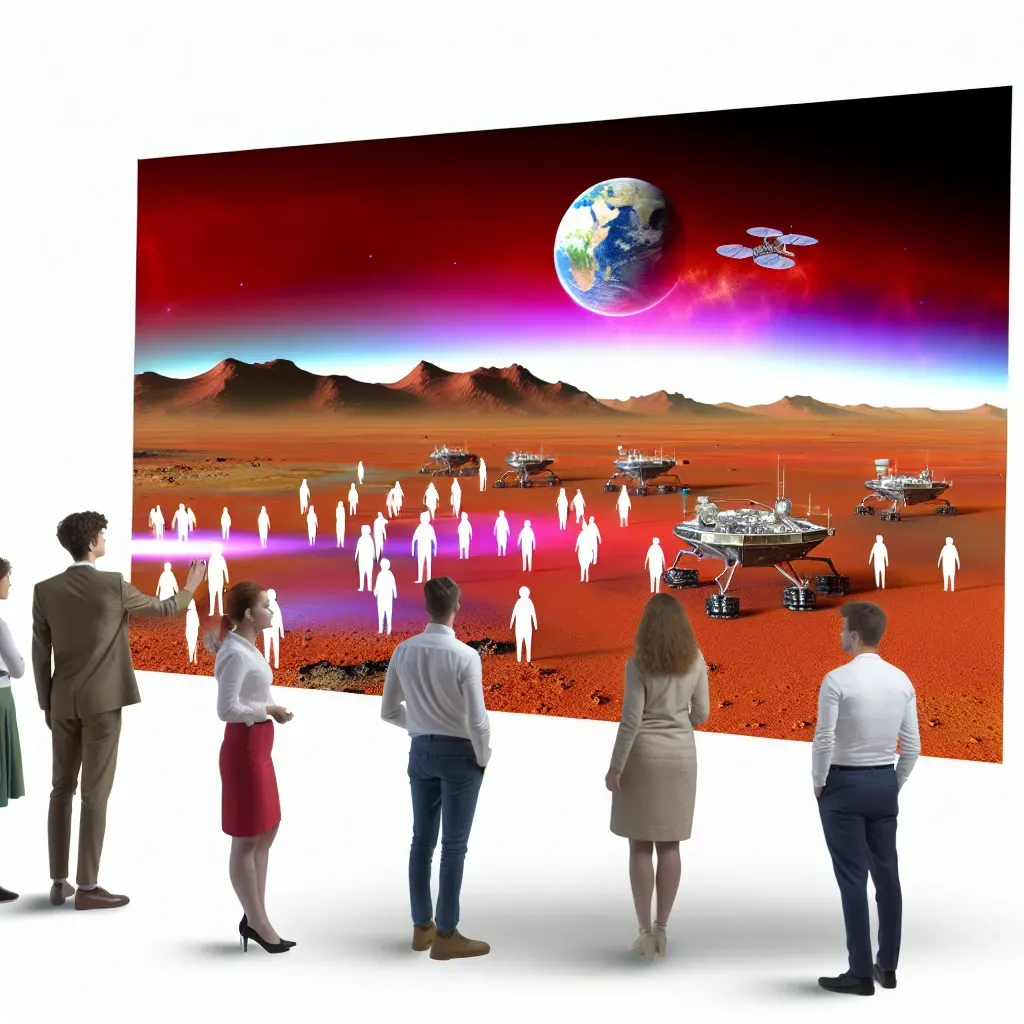
Space exploration has captured the world’s attention as we push the boundaries of human capability and curiosity about the cosmos. Recent advancements, particularly in the context of Mars missions, have ignited a fervor for understanding our neighboring planet. The Perseverance rover, a marvel of engineering, has been tirelessly collecting soil samples, laying the groundwork for future Mars colonization efforts. Meanwhile, ambitious plans from SpaceX seek to facilitate human spaceflight to Mars, highlighting the urgency in our quest for extraterrestrial life. With NASA’s Artemis program also aiming to establish a lunar base, the race to explore Mars and beyond is more thrilling than ever.
The venture into the final frontier, often referred to as the pursuit of the unknown cosmos, presents a unique and transformative journey for humankind. This new frontier encompasses significant projects aiming at Mars colonization and the technological milestones achieved through the Artemis program and efforts like the Mars 2020 mission. Exciting developments from innovative private entities like SpaceX are driving the future of human spaceflight, while research missions like those of the Perseverance rover uncover the secrets of the Martian landscape. In addition, the exploration of exoplanets is expanding our horizons, allowing us to consider the vast possibilities that await beyond our solar system. As we embark on this thrilling era of resurgence in space exploration, the implications for humanity and our understanding of life itself are profound.
The Role of the Perseverance Rover in Martian Research
NASA’s Perseverance rover has been heralded as a pivotal element in our understanding of Mars. Launched on July 30, 2020, it landed in the Jezero Crater, an area believed to have once contained liquid water. The rover’s primary mission involves collecting rock and soil samples to determine if microbial life ever existed on the planet. With its sophisticated suite of scientific instruments, Perseverance is designed to analyze the geological context of its surroundings and search for signs of ancient life.
What sets Perseverance apart is its ability to cache samples for future return missions, a significant step in Martian research. The rover’s exploration extends beyond mere sample collection; it also serves as a test bed for new technologies, such as the oxygen-producing MOXIE experiment, which could be crucial for supporting future human life on Mars. The insights garnered from this mission not only enhance our comprehension of Mars’ past but also pave the way for future explorations, including potential human missions.
Future Mars Missions and the SpaceX Mars Plans
SpaceX has captured the world’s attention with its ambitious plans for Mars colonization, a vision that CEO Elon Musk has been vocal about for years. The company is developing the Starship spacecraft, which aims to transport humans to Mars and facilitate the establishment of a sustainable colony. The goal is to send the first crewed missions to the red planet by the mid-2020s, a timeline that underscores the urgency and excitement surrounding human spaceflight.
These SpaceX Mars plans are essential not just for advancing human presence on Mars but also for launching a new era in space travel. By reducing the cost of space launches and incorporating reusability, SpaceX is making interplanetary travel more feasible. As the plans evolve, partnerships with NASA and other space agencies may further enrich future Mars missions, turning the dream of colonizing the red planet from a science fiction narrative into a tangible reality.
Challenges to Mars Colonization: The Hurdles Ahead
While the allure of Mars colonization is strong, the challenges ahead are formidable. One of the most pressing issues is radiation exposure. Mars’ weak atmosphere and lack of a magnetic field mean that any future colonists will be subjected to high levels of cosmic radiation, posing serious risks to their health. Ensuring the safety of astronauts will require innovative solutions in habitat design and protective technologies.
Additionally, establishing sustainable life support systems is crucial for long-term habitation. This involves developing ways to produce water, food, and breathable oxygen, aspects that are integral to the survival of any human settlement. Furthermore, psychological factors cannot be overlooked; the isolation and psychological stress of living in a distant, inhospitable environment will require robust support mechanisms to maintain mental health among crew members.
The Artemis Program: Steps Towards Mars Exploration
NASA’s Artemis program is not only focused on returning humans to the Moon but also aims to lay the groundwork for future Mars exploration. With plans to establish a sustainable presence on the lunar surface, Artemis will serve as a vital testing ground for technologies necessary for long-duration missions to Mars. By refining life support systems and operational protocols on the Moon, NASA can gather valuable data that will directly inform subsequent Mars missions.
The Artemis program represents a collaborative effort between international space agencies, emphasizing the need for partnerships in tackling the complexities of future missions. As humanity takes steps to build a lunar base, the learnings gained from these missions could be pivotal in addressing the logistical and technical challenges that lie ahead on Mars, ultimately propelling us closer to becoming a multiplanetary species.
Exoplanet Research: Horizons Beyond Mars
The quest for knowledge in space exploration doesn’t stop at Mars; exoplanet research is rapidly gaining momentum. With the advent of the James Webb Space Telescope (JWST), astronomers are equipped with unprecedented tools to detect and characterize distant exoplanets. This next-generation telescope will explore the atmospheres of these celestial bodies, searching for signs of habitability and even life beyond our solar system.
Exploring exoplanets not only enhances our understanding of the universe but also provides insights into potential future destinations for human exploration. As we draw comparisons between Earth, Mars, and these distant planets, we deepen our comprehension of the conditions required for life, opening avenues for future explorations that could reveal previously unimaginable possibilities in human spaceflight.
Frequently Asked Questions
What are the latest Mars missions and their objectives?
Current Mars missions include NASA’s Perseverance rover, which aims to search for signs of ancient life and collect soil samples, and China’s Tianwen-1, which successfully deployed the Zhurong rover. Together, these missions symbolize a concerted effort in Mars exploration and pave the way for future human missions.
How does SpaceX plan to achieve Mars colonization?
SpaceX’s Mars plans focus on developing the Starship spacecraft to transport humans and cargo to Mars. Elon Musk envisions establishing a self-sustaining human colony on the red planet by the mid-2020s, overcoming challenges like radiation exposure and life support systems.
What role does NASA’s Artemis program play in space exploration?
NASA’s Artemis program aims to return humans to the Moon by 2024, establishing a lunar base that will serve as a launchpad for subsequent Mars missions. This initiative is crucial for advancing human exploration further into the solar system, including Mars colonization.
What are the main challenges of human spaceflight to Mars?
Human spaceflight to Mars faces several challenges, including mitigating radiation exposure, creating sustainable life support systems for long-term habitation, and addressing the psychological well-being of astronauts during extended missions on the red planet.
How does exoplanet research contribute to our understanding of space exploration?
Exoplanet research, particularly through tools like the James Webb Space Telescope, enhances our understanding of potential life-supporting environments beyond Earth. This research fuels curiosity about the universe and informs future missions aimed at exploring planets outside our solar system.
| Key Aspect | Details |
|---|---|
| The New Space Age | Emergence of private companies in space exploration led by entities like SpaceX, NASA, and China. |
| SpaceX | Aiming for crewed Mars missions by mid-2020s with a goal of establishing a colony. |
| NASA’s Artemis Program | Plans to return astronauts to the Moon by 2024 as a precursor to Mars missions. |
| China’s Mars Missions | Successful Tianwen-1 mission deploying the Zhurong rover, showcasing China’s capabilities. |
| Recent Developments | NASA’s Perseverance rover, sample return mission, and Ingenuity helicopter expanding our knowledge of Mars. |
| Challenges of Colonization | Radiation exposure, life support, and psychological issues must be addressed for long-term habitation. |
| Race Beyond Mars | Investigations into lunar bases, exoplanets, and asteroid mining as future avenues of exploration. |
Summary
Space exploration is at the forefront of humanity’s ambitions, especially with the exciting developments in the race to Mars and beyond. As nations and private companies innovate and collaborate on ambitious missions, we are witnessing an unprecedented era of discovery. Initiatives like SpaceX’s plans for Mars colonization, NASA’s Artemis program aiming for a lunar base, and China’s advancements in Martian exploration reveal the significant steps being taken towards an even greater understanding of our universe. The challenges faced, such as radiation exposure and life support systems, underscore the complexities of these endeavors, but also highlight the genius of human ingenuity. Indeed, the future of space exploration promises to unlock the mysteries of space, ensuring that the quest for knowledge continues to thrive.