
Listen to this article
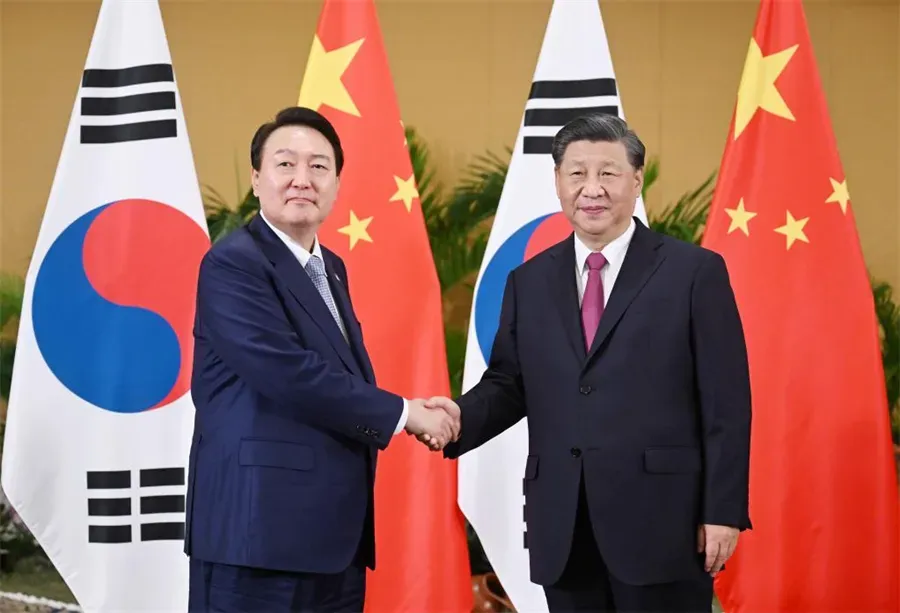
South Korea China relations are entering a pivotal chapter as President Lee Jae Myung engages directly with Chinese leader Xi Jinping in Beijing. During this historic visit, marking the first by a South Korean leader since 2019, Lee emphasized the significance of restructuring ties and addressing the pressing issue of the unofficial ban on Korean pop culture, including K-pop. With regional security and economic collaboration high on the agenda, the two countries are exploring avenues for greater Korea-China cooperation. As Lee aims to strike a balance between his nation’s alliances with both the United States and China, the outcomes of these discussions could redefine the geopolitical landscape of East Asia. His meetings not only signify diplomatic eagerness but also a determination to revitalize cultural exchanges between the two nations, potentially reigniting interest in K-pop and Korean dramas across China.
The diplomatic dialogue between South Korea and China is witnessing a renaissance under the leadership of President Lee Jae Myung. As the two nations navigate their complex relationship, the focus on mutual cultural exchanges and economic partnerships reflects a desire for harmonious engagement. This interaction, enriched by shared interests in technology and trade, highlights the significance of Korea-China collaboration, particularly in light of prior tensions. Furthermore, Lee’s discussions with China’s Xi Jinping pave the way for breaking down barriers that have historically hindered Korean cultural exports, such as K-pop, in the Chinese market. The evolving dynamics of Korea-China relations underscore a renewed commitment to fostering friendly ties in a region marked by competing influences.
The Importance of South Korea-China Relations
The dynamics of South Korea-China relations are essential not only for the two countries involved but for the entire Northeast Asian region. President Lee Jae Myung’s recent dialogue with Chinese leader Xi Jinping marks an important step in addressing longstanding issues that have strained bilateral ties. Amid a complex geopolitical landscape that includes the North Korean threat and Japan’s rising militarism, reviving a cooperative dialogue is vital. The previous administration’s tougher stance on China had resulted in a diplomatic freeze; thus, Lee’s call for a ‘new phase’ indicates a shift towards engagement and partnership.
Enhancing relations with China is crucial for South Korea’s economic stability and regional security. With China being South Korea’s largest trading partner, fostering these connections can lead to mutual benefits in trade and cultural exchanges. Moreover, Lee’s visit aims to tackle sensitive issues, such as regional security dynamics, economic cooperation, and the ongoing K-pop ban in China, which remains a contentious topic affecting Korean pop culture’s global reach. A balanced approach towards China could not only mend ties but also leverage South Korea’s position in multilateral negotiations.
Mitigating the K-Pop Ban: A Cultural Challenge
One of the pressing issues on President Lee Jae Myung’s agenda is the unofficial ban on K-pop and Korean dramas in China that has persisted for many years. This ban has left a significant dent in the cultural exchange between the two nations and limited South Korea’s influence in the lucrative Chinese market. Although China claims that these restrictions are not official, many believe they are retaliatory measures stemming from South Korea’s deployment of the THAAD missile system. Lee’s administration hopes to address this head-on during his meetings, signaling a desire to restore cultural ties that have historically bolstered goodwill between the two countries.
The potential for revitalizing South Korean cultural exports in China is immense. K-pop and Korean dramas have garnered a massive following across Asia, and their absence from Chinese platforms has not only hampered cultural engagement but also economic opportunities for South Korean firms. Lee’s discussions with Xi about expanding cultural exchanges could open the door to reduced restrictions, offering a pathway to enhance people-to-people interactions and mutual understanding. This cultural diplomacy would not only benefit artists and entertainers but also the broader economic landscape by fostering creativity and collaboration.
Strategic Cooperation Amidst Regional Tensions
With rising tensions in Northeast Asia, particularly regarding North Korea and Japan, Lee Jae Myung’s engagement with China seeks to establish a framework for strategic cooperation. South Korea’s reliance on China for economic partnerships while maintaining its alliance with the US creates a complicated situation. Lee’s approach appears to be one of trying to balance these relations while actively seeking Beijing’s support in addressing North Korea’s nuclear ambitions. The collaborative agreements signed during this visit also reflect an intention to enhance trade and technological ties amid the uncertainty in the regional security landscape.
The interplay between South Korea’s security needs and its economic reliance on China exemplifies the challenges Lee faces. While he aims to secure Beijing’s cooperation on pressing security matters, he must also advocate for South Korea’s interests, particularly concerning North Korea’s provocations. The discussions around strengthening ties often reflect a delicate dance, wherein Lee intends to reaffirm South Korea’s strategic priorities while not overtly antagonizing China. Thus, Lee’s administration is expected to navigate these waters carefully, fostering a relationship that bolsters regional stability while promoting national security interests.
Meetings That Could Reshape Bilateral Engagement
President Lee Jae Myung’s four-day visit to China signifies the importance of high-level discussions in reshaping bilateral engagement. His meetings with prominent leaders, including Premier Li Qiang and senior officials like Zhao Leji, are crucial in setting the tone for future relations. This first visit by a South Korean leader since 2019 is pivotal, as it occurs against a backdrop of increased regional volatility and shifting alliances. The dialogue aims to establish a roadmap for renewed cooperation, particularly in areas of trade, security, and cultural exchange, which had been neglected by the previous administration.
The effectiveness of these meetings will largely depend on the willingness of both nations to address the underlying tensions, especially regarding North Korea. Experts believe that Lee’s efforts to cultivate a more collaborative spirit with China indicate a pragmatic approach to foreign policy, aiming for constructive outcomes that benefit both countries. A successful outcome could lead to a collaborative spirit in efforts such as economic partnerships and cultural exchange programs, which would serve not just to restore ties but elevate them to a new level of mutual respect and cooperation.
The Role of Technology in Korea-China Relations
Technology is a cornerstone of the discussions between South Korea and China, with both nations looking to enhance cooperation in this vital sector. In an era defined by rapid technological advancement, both countries stand to benefit from sharing innovation, particularly in areas such as artificial intelligence, telecommunications, and green technology. President Lee has underscored the need for collaborative agreements that can boost both nations’ economic landscapes while ensuring that they remain competitive globally. This focus on technology not only strengthens economic ties but fosters deeper understanding and trust between the two countries.
Engagement in technological cooperation may also lay the groundwork for addressing security issues more effectively. By collaborating on tech-driven solutions to shared regional threats, such as North Korea, both countries may be able to leverage their respective strengths to enhance stability in the region. The potential for joint ventures and initiatives in the tech landscape can also help mitigate some of the historical frictions between South Korea and China, opening new pathways for dialogue and cooperation that transcend past grievances.
Cultural Diplomacy: Expanding the Horizon of Cooperation
Cultural diplomacy plays an essential role in framing the ever-evolving South Korea-China relations. Lee Jae Myung’s invitation to enhance cultural exchanges serves as a robust strategy to facilitate better understanding between the two nations. Initiatives that promote Korean pop culture, including K-drama and music, can act as valuable tools for soft power, allowing both countries to connect beyond politics and economic interests. By fostering cultural dialogues, Lee aims to create an environment that can help transcend the hostile rhetoric of the past, moving towards a more collaborative future.
Promoting cultural diplomacy will not only strengthen bilateral relations but can also significantly increase South Korea’s influence within China. With K-pop and Korean dramas having a huge fan base, returning to Chinese platforms would provide economic benefits for both countries through enhanced media partnerships. Lee’s commitment to restoring cultural exchanges is a critical facet of his government’s broader strategy to fortify ties with China while enhancing South Korea’s position in the global cultural marketplace. This initiative reflects a clear understanding that lasting relationships are often built on mutual appreciation and respect for one another’s cultural heritage.
Security Dynamics: Navigating North Korea and Regional Stability
The security dynamics surrounding the Korean Peninsula remain a high-stakes concern during Lee Jae Myung’s engagement with China. North Korea’s growing military capabilities, including recent missile tests, pose significant challenges not only for South Korea but also for regional stability. Lee has expressed a desire to engage with China to find viable solutions to curtail North Korea’s provocative actions. Cooperation with Beijing is critical; as a close ally of Pyongyang, China holds significant sway in persuading the North to denuclearize. This diplomatic dialogue is geared towards fostering a unified approach to ensure peace on the Korean Peninsula.
As discussions continue, challenges remain evident, particularly given China’s commitment to maintaining its ‘traditional friendship’ with North Korea. Lee must thus strike a balance between seeking constructive dialogue with Beijing and advocating for South Korean security interests. This delicate negotiation reflects the complex geopolitics of the region, where alliances and relationships are often at odds due to historical resentments and contemporary strategic interests. The bilateral talks will need to focus on creating a collaborative framework that prioritizes regional security while addressing the pressing threats posed by North Korea.
Future Prospects of South Korea-China Relations
The path forward for South Korea-China relations appears to be on the cusp of significant change under President Lee Jae Myung’s leadership. With a clear intention to foster cooperation and engagement, the groundwork for a more positive bilateral relationship is being established. The outcomes of Lee’s meetings with Xi Jinping will likely influence not just the geopolitical landscape but also set the tone for international relations in Northeast Asia moving forward. Both leaders have committed to improving ties, which could lead to potential collaborations across various sectors, including culture and technology.
Monitoring the evolution of these relations will be crucial for understanding broader regional dynamics. As both countries navigate post-pandemic recovery, increased cooperation could create opportunities for addressing shared challenges, enhancing economic stability, and promoting peace within the region. Lee’s ambitious plans suggest a willingness to pursue a constructive relationship, integrating not just government policy but incorporating cultural and technological advancements, thereby opening a new chapter in South Korea-China relations that could yield fruitful results for both nations.
Frequently Asked Questions
What is the current state of South Korea-China relations under President Lee Jae Myung?
Under President Lee Jae Myung, South Korea-China relations are poised for a “new phase” of development. During his recent meeting with Xi Jinping, Lee emphasized the importance of enhancing bilateral ties, which have been affected by previous tensions. His agenda includes addressing regional security issues and lifting unofficial restrictions on Korean pop culture, highlighting a commitment to improving cooperative measures in trade and technology.
How does President Lee Jae Myung plan to improve Korea-China cooperation?
President Lee Jae Myung aims to improve Korea-China cooperation by initiating dialogues on technology, trade, and cultural exchanges. In his meetings with China’s leadership, including Xi Jinping, Lee emphasized the need for a full-scale restoration of relations, marking a significant diplomatic shift from previous administrations. This includes advocating for the lifting of China’s unofficial ban on K-pop and K-dramas, which are crucial to Korean pop culture.
What impact did Lee Jae Myung’s visit to China have on cultural exchanges between South Korea and China?
Lee Jae Myung’s visit to China is expected to facilitate a gradual expansion of cultural exchanges between South Korea and China. Although specific timelines for the lifting of the K-pop ban or the availability of K-dramas were not laid out, Lee’s discussions with Xi Jinping acknowledged the importance of cultural collaboration, indicating an intention to revive Korean entertainment’s presence in the Chinese market.
What are the implications of the K-pop ban on South Korea-China relations?
The K-pop ban has significant implications for South Korea-China relations, stemming from geopolitical tensions over South Korea’s military alliances. The unofficial restrictions on Korean pop culture are believed to be retaliatory measures against Seoul’s deployment of a US anti-missile system. Addressing this issue is a priority for President Lee Jae Myung, aiming to restore normalcy and enhance cultural ties as part of his broader strategy for improved bilateral relations.
How does the South Korea-China relationship influence North Korean diplomacy?
The South Korea-China relationship is critical for North Korean diplomacy, especially given China’s role as a key ally of North Korea. President Lee Jae Myung recognizes the need for Chinese cooperation in encouraging North Korea to negotiate on disarmament and regional stability. The delicate balance between South Korea and China will be essential for pushing forward peace initiatives on the Korean Peninsula.
What role does President Xi Jinping play in shaping South Korea-China relations?
President Xi Jinping plays a pivotal role in shaping South Korea-China relations, as evidenced by his recent meeting with President Lee Jae Myung. Xi has expressed eagerness to strengthen ties amid regional tensions, indicating China’s desire for a supportive ally in South Korea. His emphasis on strategic choices and historical cooperation showcases China’s intent to solidify its influence and partnership with South Korea.
What are the future prospects for South Korea-China relations?
The future prospects for South Korea-China relations appear cautiously optimistic under President Lee Jae Myung’s leadership. There is a shared interest in revitalizing ties, overcoming past tensions, and enhancing cooperation across various sectors such as technology, trade, and cultural exchanges. The continuation of diplomatic dialogues and collaborations in addressing mutual challenges could significantly strengthen their bilateral relationship moving forward.
How did previous administrations affect South Korea-China relations, and what changes are expected under Lee Jae Myung?
Previous administrations, particularly under impeached ex-President Yoon Suk Yeol, negatively impacted South Korea-China relations due to critical stances against China. However, under President Lee Jae Myung, a shift is anticipated toward more constructive engagement. Lee aims to address earlier grievances, restore dialogue on various fronts, and foster a mutually beneficial partnership, moving away from confrontation to collaboration.
| Key Points |
|---|
| President Lee Jae Myung’s first visit to China since 2019, emphasizing a new phase in South Korea-China relations. |
| Discussed regional security, cooperation on technology, trade agreements, and lifting the ban on Korean pop culture. |
| Lee’s agenda includes engaging North Korea diplomatically, with China’s support seen as crucial. |
| Xi Jinping’s support to foster better ties is emphasized against a backdrop of China-Japan tensions. |
| Discussions also included cultural exchanges, particularly regarding K-dramas and K-pop access in China. |
Summary
South Korea-China relations are currently witnessing a promising new phase, as exemplified by President Lee Jae Myung’s recent visit to Beijing. This diplomatic engagement highlights both countries’ interest in restoring and enhancing bilateral ties, focusing on crucial topics like regional security and cultural cooperation. As South Korea navigates its complex relationship with both China and Japan, the potential for economic collaboration and strategic dialogue is significant. Moving forward, the ongoing discussions could reshape how these nations work together in addressing matters of mutual interest, including peace on the Korean Peninsula and the revitalization of South Korean cultural exports.

